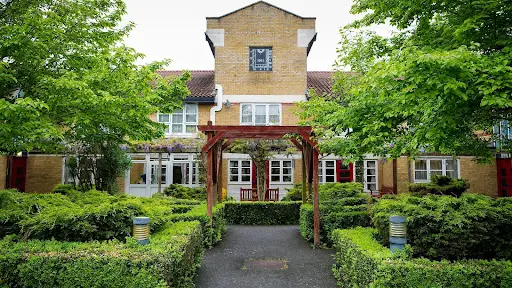
Barchester – Westgate House Care Home
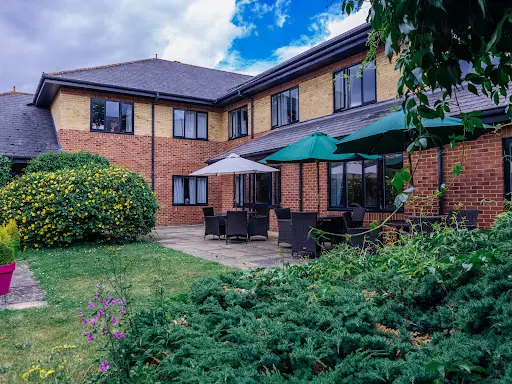
At a Glance
The information you need to decide whether this home warrants a closer look.
Nursing homes
Staff warmth score
of reviewers answered yes
Good to know
- Registered beds80
- SpecialismsCaring for adults over 65 yrs, Caring for adults under 65 yrs, Dementia, Physical disabilities
- Last inspected2021-10-29
Save Barchester – Westgate House Care Home to your shortlist
Keep a running list, add visit notes, and compare homes side-by-side. Free account — it takes a minute.
STAGE 4 — RESEARCHING CARE HOMES
Visit homes. Compare them side by side. Choose with confidence.
Most of us will view care homes the way we view houses, impression, atmosphere, the feeling in the corridor. We go home, try to remember what we saw, and make a permanent decision from a blurred memory.

The DCC shortlist gives every home you visit a structured record: the same twelve questions, answered the same way, every time. When you’re ready to choose, pull any two homes side by side and compare them directly. Same criteria, same evidence, your notes and your scores.
The Evidence
What the review data, the inspection reports, and the dementia-care evidence base tell us about this home.
What families say
Families often mention how approachable the staff are here — they seem to maintain a positive atmosphere and take time to chat with visitors. The home feels safe and hygienic, with rooms and communal areas kept tidy. Some residents have appreciated having therapy dogs visit, and there's mention of an activities coordinator working to keep people engaged.
The eight family priority themes
- Staff warmth55
- Compassion & dignity55
- Cleanliness55
- Activities & engagement50
- Food quality50
- Healthcare55
- Management & leadership65
- Resident happiness55
What inspectors found
Inspected 2021-10-29
Is this home safe?
Is the care effective?
The Effective domain was rated Good at the October 2021 inspection. This domain covers training and competency, care plan quality, nutrition and hydration, access to healthcare professionals, and whether care is evidence-based. The home lists dementia as a specialism, which means inspectors would have considered whether staff have appropriate dementia-specific training. No specific detail about training content, care plan review processes, food provision, or GP access is included in the published text.Is this home caring?
The Caring domain was rated Good at the October 2021 inspection. This domain covers staff warmth and friendliness, respect for dignity and privacy, support for independence, and how well staff know the people they care for as individuals. No direct inspector observations, resident quotes, or family comments are included in the published text for this domain. The Good rating requires that inspectors saw sufficient positive evidence of caring interactions during their visit.Is the home responsive?
The Responsive domain was rated Good at the October 2021 inspection. This domain covers how well the home tailors care to individual needs, the range and quality of activities, how complaints are handled, and end-of-life care planning. Dementia and physical disabilities are listed specialisms, which means the home should be offering activities and environmental features suited to people with varying levels of cognitive and physical ability. No specific activities, examples of individual engagement, or details about the activities programme are recorded in the published text.Is the home well-led?
The Well-led domain was rated Good at the October 2021 inspection, an improvement from the previous Requires Improvement rating. The registered manager is named as Miss Sharon Anne Izzard, and the nominated individual is Mr Dominic Jude Kay. Westgate House is operated by Barchester Healthcare Homes Limited, a large national provider. A Good Well-led rating requires inspectors to have found effective governance, a positive staff culture, systems for learning from incidents, and a manager who is known to and accessible by staff and residents. No specific examples of governance activity or staff culture observations are recorded in the published text.
Source: CQC inspection report →
What the evidence base says
Westgate House cares for adults both over and under 65, including those living with dementia and physical disabilities. The home has experience with post-operative recovery and short-term respite stays. For residents with dementia, consistent routines and careful attention to non-verbal cues should be priorities. Some families have found their loved ones left unsupervised or without adequate access to drinks, which raises questions about staff training and oversight. All areas worth probing directly during a visit.
The DCC Verdict
Our editorial view, built from the three lenses: what families tell us, what inspectors record, and how the home sits against good dementia-care practice.
DCC Family Score
Westgate House improved from Requires Improvement to Good across all five inspection domains, which is a meaningful positive step. However, the published inspection text contains very little specific observational detail, so most scores reflect the rating itself rather than rich supporting evidence.
Homes in London typically score 68–82.The three-lens summary
What families tell us
Families often mention how approachable the staff are here — they seem to maintain a positive atmosphere and take time to chat with visitors. The home feels safe and hygienic, with rooms and communal areas kept tidy. Some residents have appreciated having therapy dogs visit, and there's mention of an activities coordinator working to keep people engaged.
What inspectors have recorded
While staff come across as caring individuals, there's troubling evidence that care planning systems aren't working properly. One family documented their relative being repeatedly served foods they couldn't eat, despite filling out preference forms. Others have found care charts filled in before checks were actually done. These aren't small oversights — they suggest deeper problems with how the home tracks and meets individual needs.
How it sits against good practice
This is a home where first impressions might not tell the whole story — it's worth asking detailed questions about their care planning processes and how they ensure each resident's needs are actually being met.
Worth a visit
Westgate House, at 178 Romford Road in East London, was rated Good at its inspection on 12 October 2021, with all five domains, Safe, Effective, Caring, Responsive, and Well-led, receiving Good ratings. This is a meaningful improvement from a previous Requires Improvement rating, suggesting the home identified problems and addressed them. The home is registered to care for up to 80 people across older adults, working-age adults, people with dementia, and those with physical disabilities, and is operated by Barchester Healthcare, one of the larger national care providers. The main limitation here is that the published inspection text is very brief and contains almost no specific observational detail, direct quotes from residents or families, or named examples of good practice. That means a Good rating is confirmed but the evidence behind it is not visible. Before choosing this home for your parent, a visit is essential. On that visit, watch how staff interact in corridors when they think no one is looking, ask to see the actual staffing rota for the past week including night shifts, and ask specifically what the home does for residents with dementia who cannot join group activities.
The three questions to ask when you visitSave this home. Compare it against your shortlist.
Let our analysis show you how Barchester – Westgate House Care Home measures up against the other homes you’re considering. Free account.
In Their Own Words
How Barchester – Westgate House Care Home describes itself — collected from its own website. DCC has not edited or independently verified the content in this tab.
Warm staff and tidy spaces, but families report care planning concerns
Compassionate Care in London at Westgate House
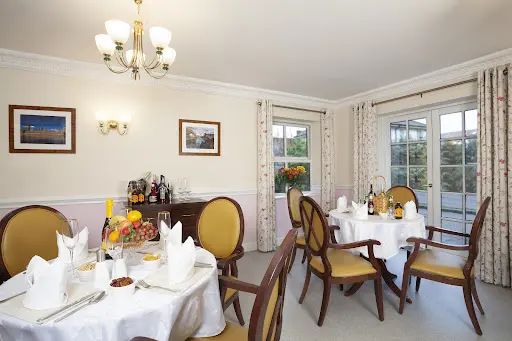
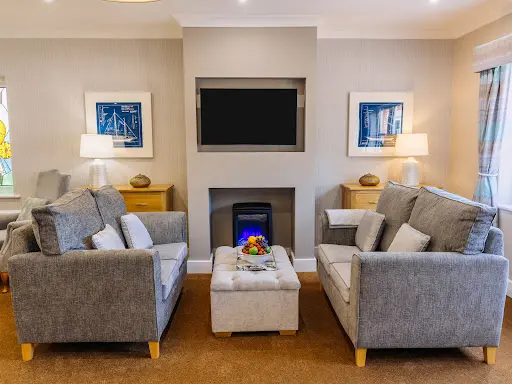
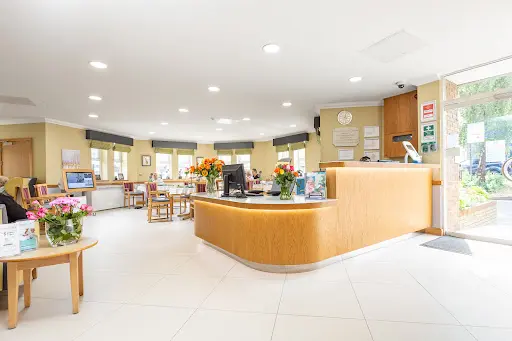
When you walk into Westgate House in London, you'll likely meet friendly faces and find clean, well-kept spaces. The staff here tend to greet families warmly, which matters when you're making such a difficult decision. However, some families have raised serious questions about whether individual care needs are being properly met day-to-day.
Who they care for
Westgate House cares for adults both over and under 65, including those living with dementia and physical disabilities. The home has experience with post-operative recovery and short-term respite stays.
For residents with dementia, consistent routines and careful attention to non-verbal cues should be priorities. Some families have found their loved ones left unsupervised or without adequate access to drinks, which raises questions about staff training and oversight.
“This is a home where first impressions might not tell the whole story — it's worth asking detailed questions about their care planning processes and how they ensure each resident's needs are actually being met.”
DCC does not edit or curate content in this tab. For independently curated information, see The Evidence and DCC Verdict.
The DCC Verdict
Our editorial view, built from the three lenses: what families tell us, what inspectors record, and how the home sits against good dementia-care practice.
DCC Family Score
Westgate House improved from Requires Improvement to Good across all five inspection domains, which is a meaningful positive step. However, the published inspection text contains very little specific observational detail, so most scores reflect the rating itself rather than rich supporting evidence.
Homes in London typically score 68–82.The three-lens summary
What families tell us
Families often mention how approachable the staff are here — they seem to maintain a positive atmosphere and take time to chat with visitors. The home feels safe and hygienic, with rooms and communal areas kept tidy. Some residents have appreciated having therapy dogs visit, and there's mention of an activities coordinator working to keep people engaged.
What inspectors have recorded
While staff come across as caring individuals, there's troubling evidence that care planning systems aren't working properly. One family documented their relative being repeatedly served foods they couldn't eat, despite filling out preference forms. Others have found care charts filled in before checks were actually done. These aren't small oversights — they suggest deeper problems with how the home tracks and meets individual needs.
How it sits against good practice
This is a home where first impressions might not tell the whole story — it's worth asking detailed questions about their care planning processes and how they ensure each resident's needs are actually being met.
Worth a visit
Westgate House, at 178 Romford Road in East London, was rated Good at its inspection on 12 October 2021, with all five domains, Safe, Effective, Caring, Responsive, and Well-led, receiving Good ratings. This is a meaningful improvement from a previous Requires Improvement rating, suggesting the home identified problems and addressed them. The home is registered to care for up to 80 people across older adults, working-age adults, people with dementia, and those with physical disabilities, and is operated by Barchester Healthcare, one of the larger national care providers. The main limitation here is that the published inspection text is very brief and contains almost no specific observational detail, direct quotes from residents or families, or named examples of good practice. That means a Good rating is confirmed but the evidence behind it is not visible. Before choosing this home for your parent, a visit is essential. On that visit, watch how staff interact in corridors when they think no one is looking, ask to see the actual staffing rota for the past week including night shifts, and ask specifically what the home does for residents with dementia who cannot join group activities.
The three questions to ask when you visitSave this home. Compare it against your shortlist.
Let our analysis show you how Barchester – Westgate House Care Home measures up against the other homes you’re considering. Free account.
In Their Own Words
How Barchester – Westgate House Care Home describes itself — collected from its own website. DCC has not edited or independently verified the content in this tab.
Warm staff and tidy spaces, but families report care planning concerns
Compassionate Care in London at Westgate House
When you walk into Westgate House in London, you'll likely meet friendly faces and find clean, well-kept spaces. The staff here tend to greet families warmly, which matters when you're making such a difficult decision. However, some families have raised serious questions about whether individual care needs are being properly met day-to-day.
Who they care for
Westgate House cares for adults both over and under 65, including those living with dementia and physical disabilities. The home has experience with post-operative recovery and short-term respite stays.
For residents with dementia, consistent routines and careful attention to non-verbal cues should be priorities. Some families have found their loved ones left unsupervised or without adequate access to drinks, which raises questions about staff training and oversight.
Management & ethos
While staff come across as caring individuals, there's troubling evidence that care planning systems aren't working properly. One family documented their relative being repeatedly served foods they couldn't eat, despite filling out preference forms. Others have found care charts filled in before checks were actually done. These aren't small oversights — they suggest deeper problems with how the home tracks and meets individual needs.
“This is a home where first impressions might not tell the whole story — it's worth asking detailed questions about their care planning processes and how they ensure each resident's needs are actually being met.”
DCC does not edit or curate content in this tab. For independently curated information, see The Evidence and DCC Verdict.