Weald Hall Care Home

At a Glance
The information you need to decide whether this home warrants a closer look.
Residential homes
Staff warmth score
of reviewers answered yes
Good to know
- Registered beds39
- SpecialismsCaring for adults over 65 yrs, Caring for adults under 65 yrs, Dementia, Mental health conditions, Physical disabilities, Sensory impairment
- Last inspected2022-10-18
Save Weald Hall Care Home to your shortlist
Keep a running list, add visit notes, and compare homes side-by-side. Free account — it takes a minute.
STAGE 4 — RESEARCHING CARE HOMES
Visit homes. Compare them side by side. Choose with confidence.
Most of us will view care homes the way we view houses, impression, atmosphere, the feeling in the corridor. We go home, try to remember what we saw, and make a permanent decision from a blurred memory.

The DCC shortlist gives every home you visit a structured record: the same twelve questions, answered the same way, every time. When you’re ready to choose, pull any two homes side by side and compare them directly. Same criteria, same evidence, your notes and your scores.
The Evidence
What the review data, the inspection reports, and the dementia-care evidence base tell us about this home.
What families say
Families talk about seeing real improvements in their relatives' emotional wellbeing after moving to Weald Hall. The atmosphere strikes a balance between professional care and personal warmth, with residents seeming more content and engaged than they were before arriving.
The eight family priority themes
- Staff warmth55
- Compassion & dignity60
- Cleanliness60
- Activities & engagement40
- Food quality50
- Healthcare60
- Management & leadership65
- Resident happiness55
What inspectors found
Inspected 2022-10-18
Is this home safe?
Is the care effective?
Inspectors rated the Effective domain as Good. This covers whether staff have the right training, whether care plans are up to date and reflect what each person needs, whether people receive appropriate healthcare, and whether food and nutrition are managed well. The published summary does not include specific detail about what was observed in this domain, such as dementia training content, GP access arrangements, or how care plans are written and reviewed.Is this home caring?
The Caring domain was rated Good at the October 2022 inspection. This covers whether staff are kind and respectful, whether people's privacy and dignity are maintained, whether people are supported to be as independent as possible, and whether people feel genuinely cared for. The published summary does not include specific inspector observations about staff interactions, quotes from people who live at the home, or detail about how dignity is maintained in practice.Is the home responsive?
The Responsive domain was rated Requires Improvement at the October 2022 inspection. This is the only domain where the home did not achieve a Good rating. Responsive covers whether people's individual preferences and needs are reflected in their care, whether activities are meaningful and varied, whether the home responds promptly when someone's needs change, and whether end-of-life care is planned and personalised. The published summary does not detail what specifically required improvement in this domain.Is the home well-led?
The Well-led domain was rated Good at the October 2022 inspection. A nominated individual, Mrs Fiona Christina Charles, is formally registered with the regulator on behalf of the provider, JK Healthcare Limited. Well-led covers whether the management team is visible and accountable, whether staff feel supported and able to raise concerns, whether the home monitors its own quality and acts on findings, and whether the culture of the home is open and person-centred. The published summary does not include specific observations about management visibility or staff culture.
Source: CQC inspection report →
What the evidence base says
Weald Hall supports residents with dementia, mental health conditions, physical disabilities and sensory impairments. They care for adults both under and over 65, bringing experience across different age groups and care needs. The structured daily activities and calm environment at Weald Hall can be particularly beneficial for residents with dementia. Staff understand the importance of routine while maintaining flexibility to meet individual needs. All areas worth probing directly during a visit.
The DCC Verdict
Our editorial view, built from the three lenses: what families tell us, what inspectors record, and how the home sits against good dementia-care practice.
DCC Family Score
Weald Hall Residential Home scores 62 out of 100. The home has improved from a previous Requires Improvement rating to Good across most areas, but the Responsive domain remains Requires Improvement, meaning activities, engagement, and individual responsiveness need further development before the picture is complete.
Homes in East typically score 68–82.The three-lens summary
What families tell us
Families talk about seeing real improvements in their relatives' emotional wellbeing after moving to Weald Hall. The atmosphere strikes a balance between professional care and personal warmth, with residents seeming more content and engaged than they were before arriving.
What inspectors have recorded
Staff here are consistently described as approachable and responsive, taking time to connect with both residents and their families. This open communication style helps families feel involved and reassured about their loved ones' daily experiences.
How it sits against good practice
For families seeking care that addresses both physical needs and emotional wellbeing, Weald Hall offers a thoughtful blend of professional support and personal attention.
Worth a visit
Weald Hall Residential Home, on Weald Hall Lane in Epping, was rated Good overall at its inspection in October 2022, with the published report released in March 2023. This is an improvement on a previous Requires Improvement rating, and inspectors found the home to be Good in four of the five domains: Safe, Effective, Caring, and Well-led. The home supports up to 39 people, including those living with dementia, mental health conditions, physical disabilities, and sensory impairment. The one area that remains Requires Improvement is Responsive, which covers whether your parent will have a life here: activities, engagement, individuality, and how the home responds to personal preferences. The published inspection summary is brief and does not include specific inspector observations, quotes, or detail about what was found or what needs to change. Before visiting, prepare specific questions about activity provision, one-to-one engagement for people who cannot join groups, how care plans are written around individual preferences, and how many permanent staff are on duty at night. These are the areas where the published record leaves gaps that only a visit and direct conversation with the manager can fill.
The three questions to ask when you visitSave this home. Compare it against your shortlist.
Let our analysis show you how Weald Hall Care Home measures up against the other homes you’re considering. Free account.
In Their Own Words
How Weald Hall Care Home describes itself — collected from its own website. DCC has not edited or independently verified the content in this tab.
Where mental health blossoms through genuine warmth and structured days
Weald Hall Residential Home – Expert Care in Epping
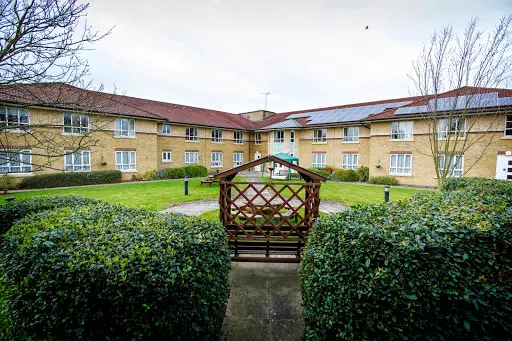
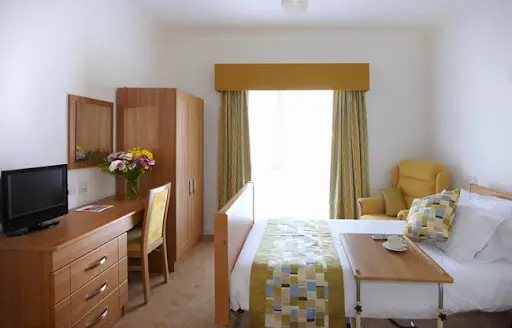
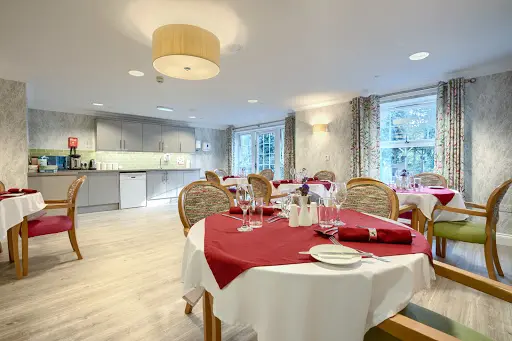
When families notice their loved ones becoming brighter and more engaged, it speaks volumes about the care they're receiving. Weald Hall Residential Home in Epping creates an environment where residents with various needs — from mental health conditions to physical disabilities — find both professional support and genuine human connection. The recent refurbishment has created calm, well-maintained spaces that complement the structured approach to daily life here.
Who they care for
Weald Hall supports residents with dementia, mental health conditions, physical disabilities and sensory impairments. They care for adults both under and over 65, bringing experience across different age groups and care needs.
The structured daily activities and calm environment at Weald Hall can be particularly beneficial for residents with dementia. Staff understand the importance of routine while maintaining flexibility to meet individual needs.
“For families seeking care that addresses both physical needs and emotional wellbeing, Weald Hall offers a thoughtful blend of professional support and personal attention.”
DCC does not edit or curate content in this tab. For independently curated information, see The Evidence and DCC Verdict.
The DCC Verdict
Our editorial view, built from the three lenses: what families tell us, what inspectors record, and how the home sits against good dementia-care practice.
DCC Family Score
Weald Hall Residential Home scores 62 out of 100. The home has improved from a previous Requires Improvement rating to Good across most areas, but the Responsive domain remains Requires Improvement, meaning activities, engagement, and individual responsiveness need further development before the picture is complete.
Homes in East typically score 68–82.The three-lens summary
What families tell us
Families talk about seeing real improvements in their relatives' emotional wellbeing after moving to Weald Hall. The atmosphere strikes a balance between professional care and personal warmth, with residents seeming more content and engaged than they were before arriving.
What inspectors have recorded
Staff here are consistently described as approachable and responsive, taking time to connect with both residents and their families. This open communication style helps families feel involved and reassured about their loved ones' daily experiences.
How it sits against good practice
For families seeking care that addresses both physical needs and emotional wellbeing, Weald Hall offers a thoughtful blend of professional support and personal attention.
Worth a visit
Weald Hall Residential Home, on Weald Hall Lane in Epping, was rated Good overall at its inspection in October 2022, with the published report released in March 2023. This is an improvement on a previous Requires Improvement rating, and inspectors found the home to be Good in four of the five domains: Safe, Effective, Caring, and Well-led. The home supports up to 39 people, including those living with dementia, mental health conditions, physical disabilities, and sensory impairment. The one area that remains Requires Improvement is Responsive, which covers whether your parent will have a life here: activities, engagement, individuality, and how the home responds to personal preferences. The published inspection summary is brief and does not include specific inspector observations, quotes, or detail about what was found or what needs to change. Before visiting, prepare specific questions about activity provision, one-to-one engagement for people who cannot join groups, how care plans are written around individual preferences, and how many permanent staff are on duty at night. These are the areas where the published record leaves gaps that only a visit and direct conversation with the manager can fill.
The three questions to ask when you visitSave this home. Compare it against your shortlist.
Let our analysis show you how Weald Hall Care Home measures up against the other homes you’re considering. Free account.
In Their Own Words
How Weald Hall Care Home describes itself — collected from its own website. DCC has not edited or independently verified the content in this tab.
Where mental health blossoms through genuine warmth and structured days
Weald Hall Residential Home – Expert Care in Epping
When families notice their loved ones becoming brighter and more engaged, it speaks volumes about the care they're receiving. Weald Hall Residential Home in Epping creates an environment where residents with various needs — from mental health conditions to physical disabilities — find both professional support and genuine human connection. The recent refurbishment has created calm, well-maintained spaces that complement the structured approach to daily life here.
Who they care for
Weald Hall supports residents with dementia, mental health conditions, physical disabilities and sensory impairments. They care for adults both under and over 65, bringing experience across different age groups and care needs.
The structured daily activities and calm environment at Weald Hall can be particularly beneficial for residents with dementia. Staff understand the importance of routine while maintaining flexibility to meet individual needs.
Management & ethos
Staff here are consistently described as approachable and responsive, taking time to connect with both residents and their families. This open communication style helps families feel involved and reassured about their loved ones' daily experiences.
The home & environment
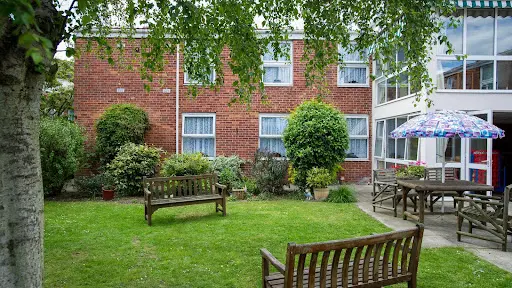
The home has been recently refurbished, creating fresh, calm spaces throughout. There's a particular focus on getting residents outdoors, with gardening and horticultural activities forming part of the regular programme.
“For families seeking care that addresses both physical needs and emotional wellbeing, Weald Hall offers a thoughtful blend of professional support and personal attention.”
DCC does not edit or curate content in this tab. For independently curated information, see The Evidence and DCC Verdict.