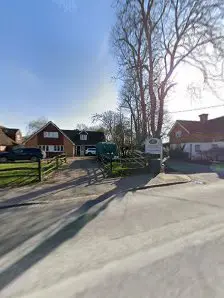
Barchester – Wadhurst Manor Care Home
At a Glance
The information you need to decide whether this home warrants a closer look.
Nursing homes
Staff warmth score
of reviewers answered yes
Good to know
- Registered beds66
- SpecialismsCaring for adults over 65 yrs, Caring for adults under 65 yrs, Dementia, Physical disabilities
- Last inspected2019-04-12
Save Barchester – Wadhurst Manor Care Home to your shortlist
Keep a running list, add visit notes, and compare homes side-by-side. Free account — it takes a minute.
STAGE 4 — RESEARCHING CARE HOMES
Visit homes. Compare them side by side. Choose with confidence.
Most of us will view care homes the way we view houses, impression, atmosphere, the feeling in the corridor. We go home, try to remember what we saw, and make a permanent decision from a blurred memory.

The DCC shortlist gives every home you visit a structured record: the same twelve questions, answered the same way, every time. When you’re ready to choose, pull any two homes side by side and compare them directly. Same criteria, same evidence, your notes and your scores.
The Evidence
What the review data, the inspection reports, and the dementia-care evidence base tell us about this home.
What families say
Families describe watching their relatives blossom here, joining in quizzes and outings that match their abilities and interests. Residents appear genuinely happy and well-presented, treated as individuals with their own preferences and choices. The atmosphere feels relaxed yet purposeful, with staff who clearly enjoy their work and respect each other.
The eight family priority themes
- Staff warmth55
- Compassion & dignity55
- Cleanliness55
- Activities & engagement50
- Food quality50
- Healthcare55
- Management & leadership65
- Resident happiness55
What inspectors found
Inspected 2019-04-12
Is this home safe?
Is the care effective?
The Effective domain was rated Good at the February 2022 inspection. This domain covers training, care planning, healthcare access, and nutrition. The improvement from Requires Improvement suggests that gaps identified previously, which may have included care plan quality or staff training, were addressed before the 2022 inspection. The published summary does not include specific detail on dementia training content, care plan review schedules, or GP access arrangements. Food quality and dietary management are also covered within this domain but are not described in the available text.Is this home caring?
The Caring domain was rated Good at the February 2022 inspection, covering staff warmth, dignity, respect, and support for independence. This is an improvement from a previous Requires Improvement rating. The published summary does not include direct inspector observations of staff interactions, resident quotes about how they felt treated, or specific examples of dignity practice such as knocking before entering rooms or using preferred names. The absence of detail in the published text means this rating cannot be interrogated further from the report alone.Is the home responsive?
The Responsive domain was rated Good at the February 2022 inspection, covering activities, individual engagement, and responsiveness to changing needs including end-of-life care. This represents an improvement from the previous Requires Improvement rating. The published summary does not describe the activity programme, confirm whether one-to-one activities are offered to people who cannot join group sessions, or record how end-of-life care preferences are captured and reviewed. For a 66-bed home with a dementia specialism, the range and individualisation of activities is a particularly important practical consideration.Is the home well-led?
The Well-led domain was rated Good at the February 2022 inspection, and the overall improvement from Requires Improvement to Good across all domains is a marker of effective leadership responding to identified problems. The home has a named registered manager, Mr Catalin Ionel Gyulai, and a nominated individual, Mr Dominic Jude Kay, both recorded with the regulator. The published summary does not describe management visibility, staff culture, governance processes, or how the home handles complaints and learning from incidents. The home is part of Barchester Healthcare Homes Limited, a large national provider.
Source: CQC inspection report →
What the evidence base says
Wadhurst Manor provides round-the-clock nursing care for adults of all ages, including those under 65 with physical disabilities. The home specialises in dementia care alongside support for physical health conditions. For residents with dementia, the team tailors activities to maintain cognitive engagement while respecting individual abilities. Families have noticed improvements in conversation and participation, particularly in earlier stages, with staff skilled at finding ways to connect and stimulate. All areas worth probing directly during a visit.
The DCC Verdict
Our editorial view, built from the three lenses: what families tell us, what inspectors record, and how the home sits against good dementia-care practice.
DCC Family Score
Wadhurst Manor holds a Good rating across all five inspection domains, improved from a previous Requires Improvement rating, which is a meaningful positive trajectory. However, the published inspection text provides very limited specific detail, so scores reflect that general positive finding rather than rich observed evidence.
Homes in South East typically score 68–82.The three-lens summary
What families tell us
Families describe watching their relatives blossom here, joining in quizzes and outings that match their abilities and interests. Residents appear genuinely happy and well-presented, treated as individuals with their own preferences and choices. The atmosphere feels relaxed yet purposeful, with staff who clearly enjoy their work and respect each other.
What inspectors have recorded
The management team stays visible and hands-on, creating a culture where staff feel supported and families feel heard. When health changes occur, relatives receive timely updates and find staff readily available for conversations. The whole approach feels cohesive — from the careful pre-admission assessments that gather personal preferences to the sensitive support provided during end-of-life care.
How it sits against good practice
The combination of clinical expertise and genuine friendliness creates something special here — a place where good care feels natural rather than forced.
Worth a visit
Wadhurst Manor in Wadhurst, East Sussex, was rated Good across all five inspection domains at its last full inspection in February 2022. This is a meaningful improvement from a previous Requires Improvement rating, which tells you that the home identified its problems and fixed them. The home is run by Barchester Healthcare Homes Limited, a large national provider, and has a named registered manager in post. It cares for up to 66 people, including those living with dementia and physical disabilities, and covers both nursing and personal care. The main uncertainty here is that the published inspection summary provides very little specific detail about what inspectors actually saw, heard, or recorded. There are no staff observations, no resident or family quotes, and no clinical specifics in the available text. This means a Good rating tells you the broad picture but not the texture of daily life for your parent. Before making a decision, visit in person, ask to see last week's actual staffing rota, sit in a communal area at mealtime to observe how staff interact with residents, and ask the manager directly about night staffing numbers and how the home involves families in care planning.
The three questions to ask when you visitSave this home. Compare it against your shortlist.
Let our analysis show you how Barchester – Wadhurst Manor Care Home measures up against the other homes you’re considering. Free account.
In Their Own Words
How Barchester – Wadhurst Manor Care Home describes itself — collected from its own website. DCC has not edited or independently verified the content in this tab.
Where nursing expertise meets genuine warmth every single day
Wadhurst Manor – Expert Care in Wadhurst
When families visit Wadhurst Manor in the heart of the South East, they often comment on something they weren't expecting — the way staff stop what they're doing to greet everyone with real warmth. This nursing home brings together skilled 24-hour care with the kind of friendly atmosphere that makes a genuine difference to daily life. Whether supporting someone with dementia, physical disabilities, or simply the challenges of later life, the team here focuses on what each person needs to feel comfortable and valued.
Who they care for
Wadhurst Manor provides round-the-clock nursing care for adults of all ages, including those under 65 with physical disabilities. The home specialises in dementia care alongside support for physical health conditions.
For residents with dementia, the team tailors activities to maintain cognitive engagement while respecting individual abilities. Families have noticed improvements in conversation and participation, particularly in earlier stages, with staff skilled at finding ways to connect and stimulate.
“The combination of clinical expertise and genuine friendliness creates something special here — a place where good care feels natural rather than forced.”
DCC does not edit or curate content in this tab. For independently curated information, see The Evidence and DCC Verdict.
The DCC Verdict
Our editorial view, built from the three lenses: what families tell us, what inspectors record, and how the home sits against good dementia-care practice.
DCC Family Score
Wadhurst Manor holds a Good rating across all five inspection domains, improved from a previous Requires Improvement rating, which is a meaningful positive trajectory. However, the published inspection text provides very limited specific detail, so scores reflect that general positive finding rather than rich observed evidence.
Homes in South East typically score 68–82.The three-lens summary
What families tell us
Families describe watching their relatives blossom here, joining in quizzes and outings that match their abilities and interests. Residents appear genuinely happy and well-presented, treated as individuals with their own preferences and choices. The atmosphere feels relaxed yet purposeful, with staff who clearly enjoy their work and respect each other.
What inspectors have recorded
The management team stays visible and hands-on, creating a culture where staff feel supported and families feel heard. When health changes occur, relatives receive timely updates and find staff readily available for conversations. The whole approach feels cohesive — from the careful pre-admission assessments that gather personal preferences to the sensitive support provided during end-of-life care.
How it sits against good practice
The combination of clinical expertise and genuine friendliness creates something special here — a place where good care feels natural rather than forced.
Worth a visit
Wadhurst Manor in Wadhurst, East Sussex, was rated Good across all five inspection domains at its last full inspection in February 2022. This is a meaningful improvement from a previous Requires Improvement rating, which tells you that the home identified its problems and fixed them. The home is run by Barchester Healthcare Homes Limited, a large national provider, and has a named registered manager in post. It cares for up to 66 people, including those living with dementia and physical disabilities, and covers both nursing and personal care. The main uncertainty here is that the published inspection summary provides very little specific detail about what inspectors actually saw, heard, or recorded. There are no staff observations, no resident or family quotes, and no clinical specifics in the available text. This means a Good rating tells you the broad picture but not the texture of daily life for your parent. Before making a decision, visit in person, ask to see last week's actual staffing rota, sit in a communal area at mealtime to observe how staff interact with residents, and ask the manager directly about night staffing numbers and how the home involves families in care planning.
The three questions to ask when you visitSave this home. Compare it against your shortlist.
Let our analysis show you how Barchester – Wadhurst Manor Care Home measures up against the other homes you’re considering. Free account.
In Their Own Words
How Barchester – Wadhurst Manor Care Home describes itself — collected from its own website. DCC has not edited or independently verified the content in this tab.
Where nursing expertise meets genuine warmth every single day
Wadhurst Manor – Expert Care in Wadhurst
When families visit Wadhurst Manor in the heart of the South East, they often comment on something they weren't expecting — the way staff stop what they're doing to greet everyone with real warmth. This nursing home brings together skilled 24-hour care with the kind of friendly atmosphere that makes a genuine difference to daily life. Whether supporting someone with dementia, physical disabilities, or simply the challenges of later life, the team here focuses on what each person needs to feel comfortable and valued.
Who they care for
Wadhurst Manor provides round-the-clock nursing care for adults of all ages, including those under 65 with physical disabilities. The home specialises in dementia care alongside support for physical health conditions.
For residents with dementia, the team tailors activities to maintain cognitive engagement while respecting individual abilities. Families have noticed improvements in conversation and participation, particularly in earlier stages, with staff skilled at finding ways to connect and stimulate.
Management & ethos
The management team stays visible and hands-on, creating a culture where staff feel supported and families feel heard. When health changes occur, relatives receive timely updates and find staff readily available for conversations. The whole approach feels cohesive — from the careful pre-admission assessments that gather personal preferences to the sensitive support provided during end-of-life care.
The home & environment
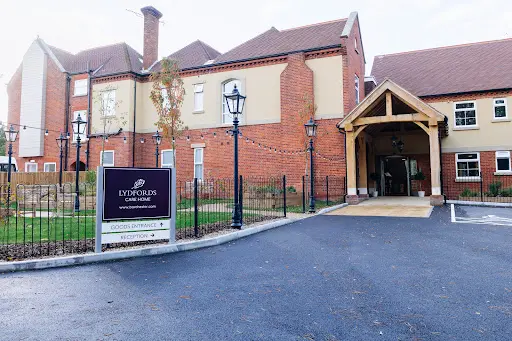
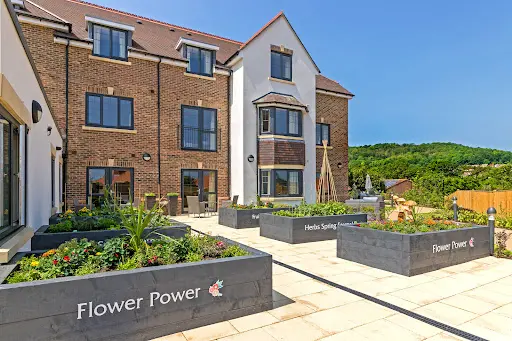
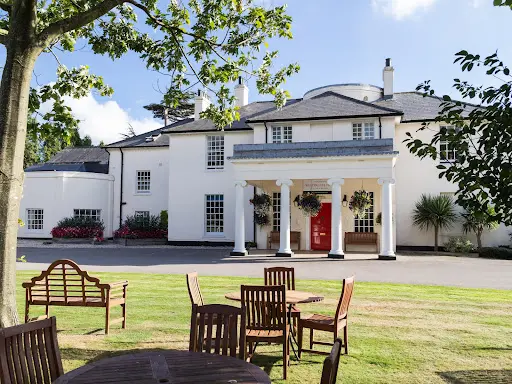
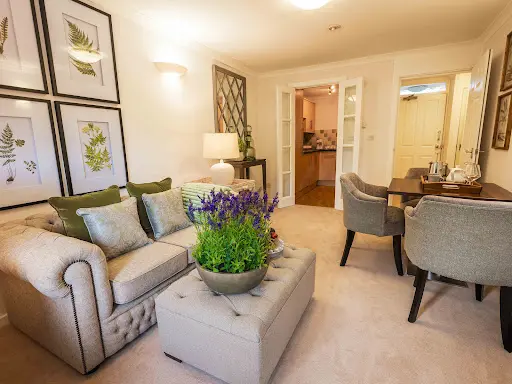
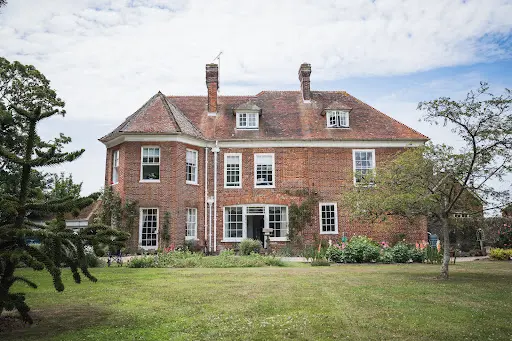
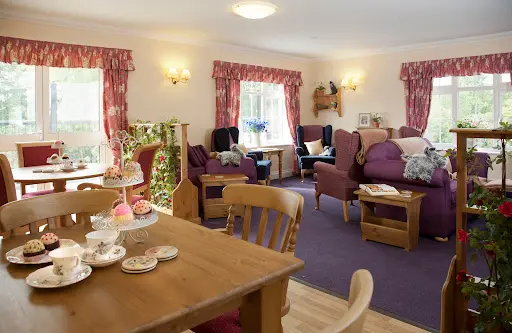
The home itself is modern and spotlessly maintained, with en-suite rooms and pleasant communal areas. Meals include home-baked treats and generous portions that cater to individual tastes and dietary needs. The gardens offer peaceful outdoor space where residents can enjoy watching wildlife, providing a connection to nature that many find calming.
“The combination of clinical expertise and genuine friendliness creates something special here — a place where good care feels natural rather than forced.”
DCC does not edit or curate content in this tab. For independently curated information, see The Evidence and DCC Verdict.