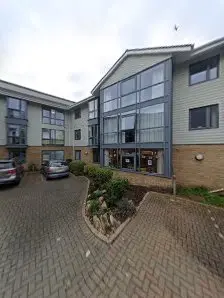
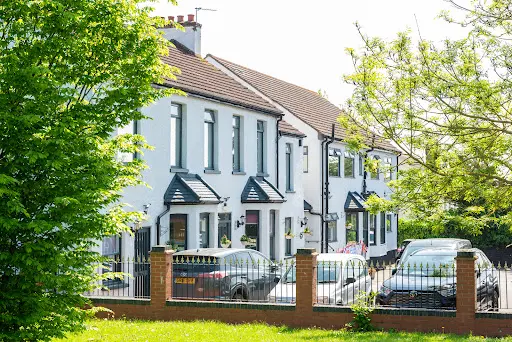
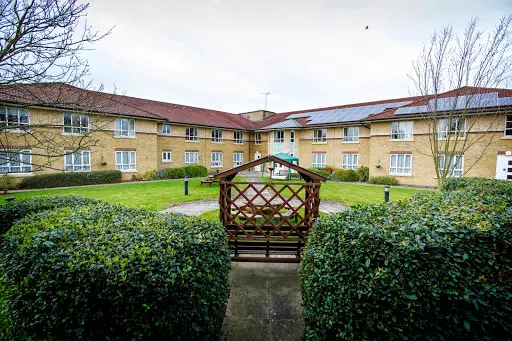
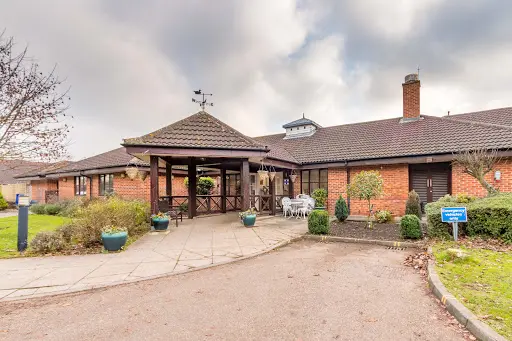
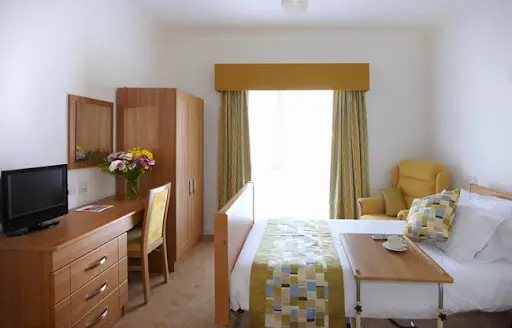
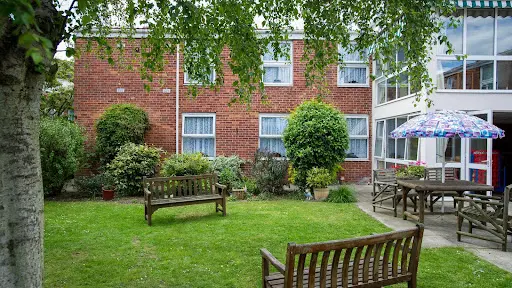
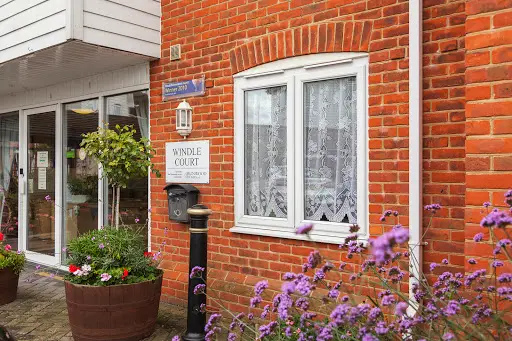
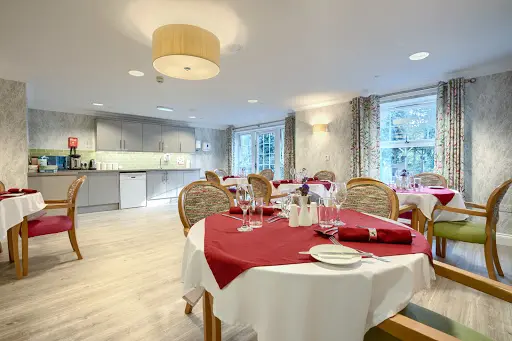
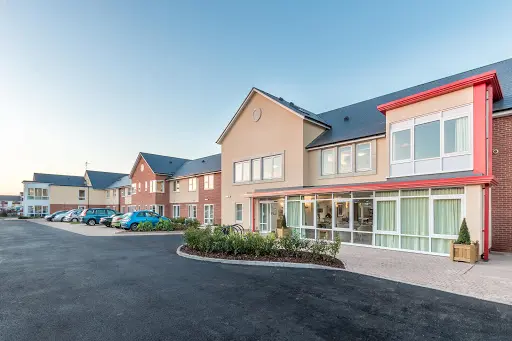
Tye Green Lodge Care Home
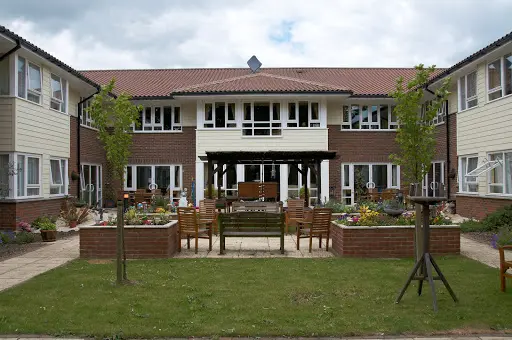
At a Glance
The information you need to decide whether this home warrants a closer look.
Residential homes
Staff warmth score
of reviewers answered yes
Good to know
- Registered beds61
- SpecialismsCaring for adults over 65 yrs, Caring for adults under 65 yrs, Dementia, Physical disabilities
- Last inspected2018-01-10
Save Tye Green Lodge Care Home to your shortlist
Keep a running list, add visit notes, and compare homes side-by-side. Free account — it takes a minute.
STAGE 4 — RESEARCHING CARE HOMES
Visit homes. Compare them side by side. Choose with confidence.
Most of us will view care homes the way we view houses, impression, atmosphere, the feeling in the corridor. We go home, try to remember what we saw, and make a permanent decision from a blurred memory.

The DCC shortlist gives every home you visit a structured record: the same twelve questions, answered the same way, every time. When you’re ready to choose, pull any two homes side by side and compare them directly. Same criteria, same evidence, your notes and your scores.
The Evidence
What the review data, the inspection reports, and the dementia-care evidence base tell us about this home.
What families say
Families talk about how content their loved ones seem here, with staff who really pay attention to what residents need. People mention feeling confident that their relatives are in good hands, and that the home runs smoothly day to day.
The eight family priority themes
- Staff warmth72
- Compassion & dignity72
- Cleanliness70
- Activities & engagement65
- Food quality65
- Healthcare68
- Management & leadership72
- Resident happiness70
What inspectors found
Inspected 2018-01-10
Is this home safe?
Is the care effective?
The inspection rated this domain Good. The home lists dementia as a specialism, which implies some structured approach to dementia-specific care and training, but no detail on training content, care plan quality, or GP access frequency is available in the published summary. The Good Effective rating suggests that inspectors found care planning and health monitoring satisfactory at the time of the visit. No information on how often care plans are reviewed or whether families are involved in reviews is recorded. Food quality and dietary understanding are also unaddressed in the available findings.Is this home caring?
The inspection rated this domain Good. This is the domain most closely tied to the day-to-day experience your parent would have, covering staff warmth, dignity, respect, and the pace of care. No specific inspector observations, such as staff using preferred names, knocking before entering rooms, or responding calmly to distress, are recorded in the published summary. No resident or relative quotes are available from the published findings. The Good rating indicates that inspectors did not identify failures of dignity or respect during the November 2017 visit.Is the home responsive?
The inspection rated this domain Good. A Good Responsive rating implies that inspectors found the home responded to individual needs and that activities were considered adequate. No specific description of the activity programme, individual engagement approaches, or end-of-life care planning is available in the published summary. The home's dementia specialism suggests some tailored approach should be in place, but no evidence of Montessori-based methods, one-to-one activities, or household-task engagement is recorded. No information on how the home handles complaints or feedback from families is available.Is the home well-led?
The inspection rated this domain Good. A named registered manager, Mrs Sherrie Anne Wilkinson, and a nominated individual, Mr Stewart Christopher Mynott, are recorded in the inspection findings. The home is run by Quantum Care Limited. No specific observations of management visibility, staff empowerment, governance processes, or cultural tone are available in the published summary. The Good Well-led rating suggests inspectors did not identify leadership failures at the time of the November 2017 visit. Management continuity since 2017 is unknown.
Source: CQC inspection report →
What the evidence base says
Tye Green Lodge cares for adults of all ages, including younger people under 65 who need support. They welcome residents living with dementia and those with physical disabilities. For families navigating dementia, the home provides care as part of their everyday approach. Staff understand the importance of routine and familiarity for residents living with memory challenges. All areas worth probing directly during a visit.
The DCC Verdict
Our editorial view, built from the three lenses: what families tell us, what inspectors record, and how the home sits against good dementia-care practice.
DCC Family Score
Tye Green Lodge received a Good rating across all five inspection domains, which is a solid baseline. However, the inspection dates from November 2017, meaning the detail behind that rating is now more than seven years old, and families should treat individual theme scores as indicative rather than confirmed by recent evidence.
Homes in East typically score 68–82.The three-lens summary
What families tell us
Families talk about how content their loved ones seem here, with staff who really pay attention to what residents need. People mention feeling confident that their relatives are in good hands, and that the home runs smoothly day to day.
What inspectors have recorded
The team here gets praise for being responsive when families have questions or concerns. Staff work hard to keep everyone comfortable, and there's a sense that the home is well-organised with clear routines that help things run smoothly.
How it sits against good practice
Sometimes the simplest things matter most — staff who care, a well-run home, and residents who seem content.
Worth a visit
Tye Green Lodge in Harlow received a Good rating across all five inspection domains when inspectors visited in November 2017. The home supports adults over and under 65, including people with dementia and physical disabilities, across 61 beds, and is run by Quantum Care Limited with a named registered manager recorded at the time of inspection. All five domains, covering safety, effectiveness, caring, responsiveness, and leadership, were rated Good, which places this home in the upper half of nationally inspected services. The critical limitation is that the inspection is now more than seven years old. Official monitoring in July 2023 found no specific reason to lower the rating, but that review assessed available data rather than involving a fresh visit. A lot can change in seven years: staff teams turn over, managers move on, and occupancy shifts can affect care quality. Before visiting, call the home and ask who the current registered manager is and how long they have been in post. When you visit, watch how staff talk to your parent during the tour itself, not just in the room they show you. The detail behind the Good rating is simply not available from the published findings, so your own observations on the day matter more than they would with a recent full inspection.
The three questions to ask when you visitSave this home. Compare it against your shortlist.
Let our analysis show you how Tye Green Lodge Care Home measures up against the other homes you’re considering. Free account.
In Their Own Words
How Tye Green Lodge Care Home describes itself — collected from its own website. DCC has not edited or independently verified the content in this tab.
Where caring staff make all the difference in Harlow
Compassionate Care in Harlow at Tye Green Lodge
When you're looking for care in Harlow, finding staff who genuinely care about residents matters more than anything else. Tye Green Lodge has built its reputation on exactly that — a team who families trust to look after their loved ones with real warmth and attention. It's the kind of place where residents settle in well and families feel reassured.
Who they care for
Tye Green Lodge cares for adults of all ages, including younger people under 65 who need support. They welcome residents living with dementia and those with physical disabilities.
For families navigating dementia, the home provides care as part of their everyday approach. Staff understand the importance of routine and familiarity for residents living with memory challenges.
“Sometimes the simplest things matter most — staff who care, a well-run home, and residents who seem content.”
DCC does not edit or curate content in this tab. For independently curated information, see The Evidence and DCC Verdict.
The DCC Verdict
Our editorial view, built from the three lenses: what families tell us, what inspectors record, and how the home sits against good dementia-care practice.
DCC Family Score
Tye Green Lodge received a Good rating across all five inspection domains, which is a solid baseline. However, the inspection dates from November 2017, meaning the detail behind that rating is now more than seven years old, and families should treat individual theme scores as indicative rather than confirmed by recent evidence.
Homes in East typically score 68–82.The three-lens summary
What families tell us
Families talk about how content their loved ones seem here, with staff who really pay attention to what residents need. People mention feeling confident that their relatives are in good hands, and that the home runs smoothly day to day.
What inspectors have recorded
The team here gets praise for being responsive when families have questions or concerns. Staff work hard to keep everyone comfortable, and there's a sense that the home is well-organised with clear routines that help things run smoothly.
How it sits against good practice
Sometimes the simplest things matter most — staff who care, a well-run home, and residents who seem content.
Worth a visit
Tye Green Lodge in Harlow received a Good rating across all five inspection domains when inspectors visited in November 2017. The home supports adults over and under 65, including people with dementia and physical disabilities, across 61 beds, and is run by Quantum Care Limited with a named registered manager recorded at the time of inspection. All five domains, covering safety, effectiveness, caring, responsiveness, and leadership, were rated Good, which places this home in the upper half of nationally inspected services. The critical limitation is that the inspection is now more than seven years old. Official monitoring in July 2023 found no specific reason to lower the rating, but that review assessed available data rather than involving a fresh visit. A lot can change in seven years: staff teams turn over, managers move on, and occupancy shifts can affect care quality. Before visiting, call the home and ask who the current registered manager is and how long they have been in post. When you visit, watch how staff talk to your parent during the tour itself, not just in the room they show you. The detail behind the Good rating is simply not available from the published findings, so your own observations on the day matter more than they would with a recent full inspection.
The three questions to ask when you visitSave this home. Compare it against your shortlist.
Let our analysis show you how Tye Green Lodge Care Home measures up against the other homes you’re considering. Free account.
In Their Own Words
How Tye Green Lodge Care Home describes itself — collected from its own website. DCC has not edited or independently verified the content in this tab.
Where caring staff make all the difference in Harlow
Compassionate Care in Harlow at Tye Green Lodge
When you're looking for care in Harlow, finding staff who genuinely care about residents matters more than anything else. Tye Green Lodge has built its reputation on exactly that — a team who families trust to look after their loved ones with real warmth and attention. It's the kind of place where residents settle in well and families feel reassured.
Who they care for
Tye Green Lodge cares for adults of all ages, including younger people under 65 who need support. They welcome residents living with dementia and those with physical disabilities.
For families navigating dementia, the home provides care as part of their everyday approach. Staff understand the importance of routine and familiarity for residents living with memory challenges.
Management & ethos
The team here gets praise for being responsive when families have questions or concerns. Staff work hard to keep everyone comfortable, and there's a sense that the home is well-organised with clear routines that help things run smoothly.
“Sometimes the simplest things matter most — staff who care, a well-run home, and residents who seem content.”
DCC does not edit or curate content in this tab. For independently curated information, see The Evidence and DCC Verdict.