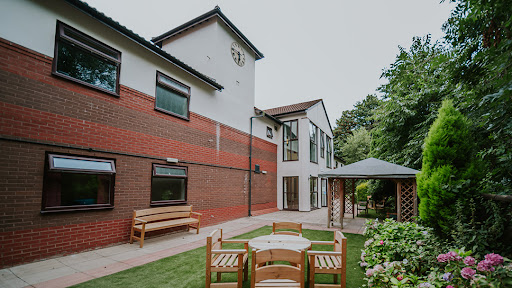
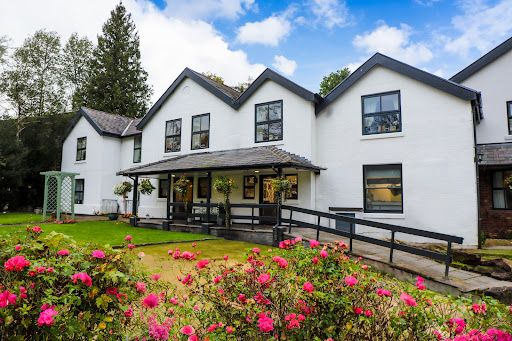
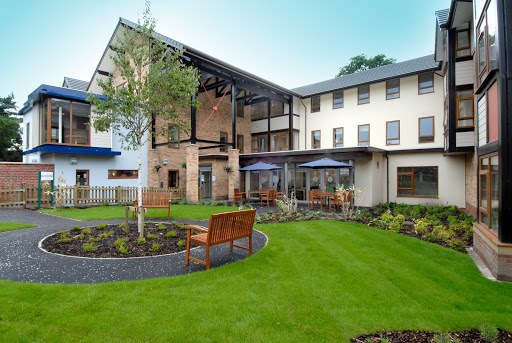
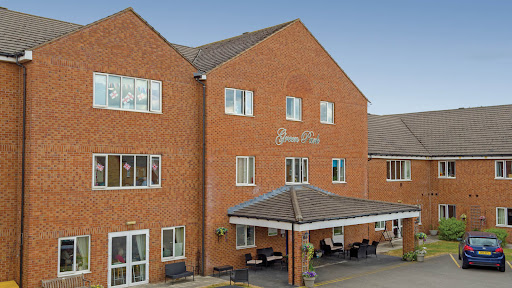
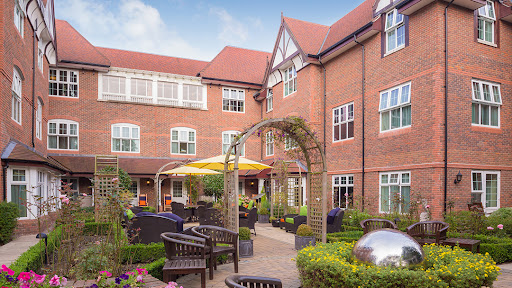
MHA The Willows – Residential, Nursing & Dementia Care Home
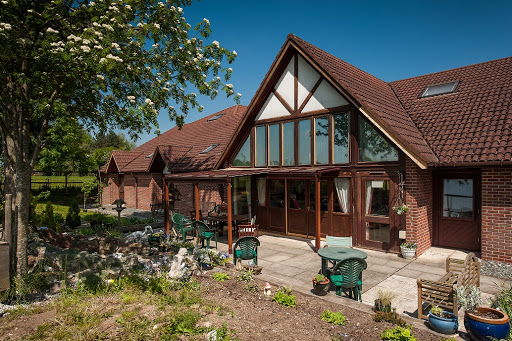
At a Glance
The information you need to decide whether this home warrants a closer look.
Nursing homes
Staff warmth score
of reviewers answered yes
Good to know
- Registered beds61
- SpecialismsCaring for adults over 65 yrs, Caring for adults under 65 yrs, Dementia
- Last inspected2018-05-17
- Visit Website
The Evidence
What the review data, the inspection reports, and the dementia-care evidence base tell us about this home.
What families say
Some families have been really moved by what they've seen when visiting. One person shared how their relative was laughing and clearly happy on their very first day — something that means everything when you're worried about such a big change. The staff seem to have that natural friendliness that helps people feel at ease.
Based on 6 Google reviews · 0 reviews on carehome.co.uk · most recent 2026-04-10
The eight family priority themes
- Staff warmth72
- Compassion & dignity72
- Cleanliness70
- Activities & engagement65
- Food quality60
- Healthcare65
- Management & leadership72
- Resident happiness70
What inspectors found
Inspected 2018-05-17 · Report published 2018-05-17 · Inspected 1 times in the last three years
Is this home safe?
{"found":"The Willows was rated Good in the Safe domain at its April 2018 inspection. This indicates inspectors did not identify unsafe practice in areas such as medicines management, staffing, or infection control. No specific detail about staffing ratios, night cover, or falls management is published in the available summary. The home accommodates 61 beds across nursing and personal care, including for people with dementia, which makes night staffing a particularly important consideration. The inspection is now over six years old, so families should seek current information directly from the home.","quotes":[],"family_meaning":"A Good safety rating is reassuring but it is the starting point, not the full picture. Good Practice research consistently finds that night staffing is where safety most often slips in care homes, and that reliance on agency staff undermines consistency of care, particularly for people with dementia who depend on familiar faces. The published report does not confirm what night cover looks like at The Willows or how much agency staff is used, so these are the most important questions to ask. Our family review data shows that safe environment and staff attentiveness together feature in around 26% of the most meaningful positive reviews, which tells you how much these factors matter to families after the fact.","evidence_base":"The IFF Research and Leeds Beckett University rapid evidence review (March 2026) found that agency staff reliance and inconsistent night staffing are two of the strongest predictors of safety failures in dementia care settings. Families rarely know about staffing composition until something goes wrong.","watch_out":"Ask the manager to show you last week's actual staffing rota, not the template. Count how many shifts were covered by permanent staff versus agency workers, and ask specifically how many carers are on duty overnight for the 61 beds."}
Is the care effective?
{"found":"The Willows was rated Good in the Effective domain at its April 2018 inspection. The home lists dementia as a specialism, which implies some level of targeted training and care planning for people with dementia. No detail is published about how often care plans are reviewed, whether families are involved in reviews, or what dementia training staff have completed. The home also provides nursing care, meaning healthcare coordination, including GP access and medication management, should be part of daily practice. Without specific detail in the published report, families cannot assess the quality of these processes from this document alone.","quotes":[],"family_meaning":"For a home specialising in dementia, the quality of care planning and staff training matters enormously. The Good Practice evidence base identifies care plans as living documents that should be updated regularly, not filed and forgotten, and family involvement in those reviews is a strong marker of a home that genuinely personalises care. The inspection does not confirm how frequently plans are reviewed at The Willows or whether families are routinely invited to contribute. Food quality, which our review data links to 20.9% of positive family reviews, is also not described in this report, so a mealtime visit is essential before making a decision.","evidence_base":"The Leeds Beckett rapid evidence review found that dementia-specific training content, rather than generic care training, significantly improves care outcomes. Homes that treat care plans as static documents rather than regularly updated records show poorer personalisation of care.","watch_out":"Ask the manager when your parent's care plan would first be written, how often it would be formally reviewed, and whether you would be invited to those reviews. Also ask what dementia-specific training staff have completed and how recently."}
Is this home caring?
{"found":"The Willows received a Good rating in the Caring domain at its April 2018 inspection. This domain covers staff warmth, dignity, respect, and support for independence. A Good rating means inspectors were satisfied with what they saw, but the published summary does not include any direct observations of staff interactions, descriptions of how staff addressed residents, or quotes from residents or relatives. This absence of detail makes it difficult to assess the texture of day-to-day care from the report alone. Families should plan a visit to observe staff interactions directly.","quotes":[],"family_meaning":"Staff warmth is the single most important theme in our family review data, featuring in 57.3% of positive reviews by name, and compassion and dignity account for a further 55.2%. What families describe in those reviews are specific, observable things: staff using preferred names, not rushing people at mealtimes, sitting down to speak at eye level, and noticing when someone is unsettled. The Good Practice evidence base confirms that non-verbal communication matters as much as verbal interaction for people with advanced dementia. None of these specifics are confirmed by the published report for The Willows, so your visit is where you will actually find the answer.","evidence_base":"The IFF Research and Leeds Beckett evidence review found that for people with advanced dementia, non-verbal cues from staff, including pace, proximity, and tone, have a measurable effect on distress and wellbeing. Person-led care requires staff to know each individual's history and preferences, not just their medical needs.","watch_out":"During your visit, watch how staff speak to residents in corridors and communal areas when they think no one is observing them. Do they use the person's name? Do they crouch down or sit to speak to someone in a chair? Do they seem unhurried? These small moments are the most reliable indicator of the caring culture."}
Is the home responsive?
{"found":"The Willows was rated Good in the Responsive domain at its April 2018 inspection. This domain covers activities, individual engagement, and how well the home responds to personal preferences and needs. The home lists dementia as a specialism, which suggests some tailoring of activities should be in place. No detail is published about the activity programme, whether one-to-one engagement is offered for residents who cannot join group sessions, or how individual preferences are captured and acted upon. End-of-life care planning is also part of this domain and is not described in the published text.","quotes":[],"family_meaning":"Activities and meaningful engagement account for 21.4% of positive family reviews in our data, and resident happiness a further 27.1%. For people with dementia, the Good Practice evidence base is clear that group activities are not enough on their own: individuals who can no longer participate in groups need regular one-to-one engagement, and familiar everyday tasks such as folding, sorting, or gardening can provide continuity and calm. The published report does not confirm whether The Willows offers this level of individual provision. If your parent is at a stage where group activities are difficult, this is a critical question to ask before placing them.","evidence_base":"The Leeds Beckett rapid evidence review found that Montessori-based and everyday task approaches to activity significantly reduce agitation and improve wellbeing in people with moderate to advanced dementia, and that homes relying solely on group programmes leave a substantial proportion of residents without meaningful engagement.","watch_out":"Ask the activities coordinator to describe a typical week for a resident who cannot join group sessions. Ask how many hours of individual engagement a person at that stage would receive per week, and whether there is a dedicated activities member of staff on every shift, including weekends."}
Is the home well-led?
{"found":"The Willows received a Good rating in the Well-led domain at its April 2018 inspection. The home is run by Methodist Homes, a not-for-profit provider with a national presence. A registered manager, Mrs Tamara Kathie Simmons, and a nominated individual, Mrs Amanda Weir, are confirmed in post. The Well-led rating indicates inspectors found adequate governance, accountability, and culture at the time of inspection. No detail is published about manager visibility, staff empowerment, how feedback is gathered, or whether the management structure has changed since 2018. Given the inspection is now over six years old, leadership continuity is an important question.","quotes":[],"family_meaning":"Management stability is one of the strongest predictors of care quality over time. Good Practice research is consistent on this point: homes with stable, visible leadership maintain quality, while those with frequent management changes often see gradual deterioration that inspections can miss between visits. Our family review data links management and communication with families to 23.4% and 11.5% of positive reviews respectively. The fact that The Willows has not been re-inspected since April 2018, despite a review of data in July 2023 finding no cause for reassessment, means the on-the-ground picture may have shifted in ways not captured in any published document.","evidence_base":"The IFF Research and Leeds Beckett evidence review identified leadership stability as a key predictor of sustained care quality. Homes where staff feel able to raise concerns without fear, and where managers are physically present and known by name, consistently perform better on family satisfaction measures.","watch_out":"Ask directly whether Mrs Simmons is still the registered manager and how long she has been in post. If there has been a management change since 2018, ask how that transition was managed and whether staffing or culture changed as a result. A manager who knows the names of most residents and their families is a strong positive sign."}
Source: CQC inspection report →
What the evidence base says
Against the DCC Good Practice in Dementia Care standards, this home’s evidence aligns most strongly on The Willows provides residential care for adults over 65, and they also support younger adults who need care. They have experience caring for people living with dementia.. Gaps or open questions remain on For families dealing with dementia, The Willows has staff who understand the condition. They work to create an environment where residents living with dementia can feel comfortable and engaged. — areas worth probing directly during a visit.
The DCC Verdict
Our editorial view, built from the three lenses: what families tell us, what inspectors record, and how the home sits against good dementia-care practice.
DCC Family Score
The Willows received a Good rating across all five inspection domains in April 2018, which is a positive foundation. However, the published inspection report contains very limited specific detail, so scores reflect a baseline Good rather than strong confirmed evidence.
Homes in North West typically score 68–82.The three-lens summary
What families tell us
Some families have been really moved by what they've seen when visiting. One person shared how their relative was laughing and clearly happy on their very first day — something that means everything when you're worried about such a big change. The staff seem to have that natural friendliness that helps people feel at ease.
What inspectors have recorded
There's a real split in what families experience here. While the staff clearly have that caring nature, some visitors have noticed that basic routines like keeping beds tidy and bathrooms clean haven't always been up to scratch. It's worth having a frank conversation about their housekeeping standards when you visit.
How it sits against good practice
Every family's experience is different, so it's worth spending proper time here to see if it feels right for you.
Worth a visit
The Willows at Warford Park, Mobberley, was rated Good across all five inspection domains following an inspection in April 2018. The home is run by Methodist Homes, a well-established not-for-profit provider, and has a named registered manager and nominated individual in post. The Good ratings across Safe, Effective, Caring, Responsive, and Well-led indicate that inspectors did not identify significant concerns at the time of their visit. The central difficulty for families is that the published inspection summary contains very little specific detail: no direct observations of staff interactions, no resident or relative quotes, and no descriptions of daily life are available. The inspection is also now more than six years old, and a great deal can change in that time. Before visiting, prepare specific questions around night staffing numbers, agency staff use, how dementia care is personalised, and how families are kept informed. When you visit, arrive at a mealtime if possible, walk the corridors, and watch how staff move and speak with the people who live there. That direct observation will tell you far more than this report alone can.
The three questions to ask when you visitSave this home. Compare it against your shortlist.
Let our analysis show you how MHA The Willows – Residential, Nursing & Dementia Care Home measures up against the other homes you’re considering. Free account.
In Their Own Words
How MHA The Willows – Residential, Nursing & Dementia Care Home describes itself — collected from its own website. DCC has not edited or independently verified the content in this tab.
Finding the right balance between warmth and daily care standards
Compassionate Care in Mobberley at The Willows
When you're looking for care in Mobberley, you want somewhere that brings genuine smiles to your loved one's face. The Willows works hard to create those moments of connection and laughter that matter so much. While some families have raised concerns about the consistency of housekeeping routines, others have been touched by the warmth they've witnessed here.
Who they care for
The Willows provides residential care for adults over 65, and they also support younger adults who need care. They have experience caring for people living with dementia.
For families dealing with dementia, The Willows has staff who understand the condition. They work to create an environment where residents living with dementia can feel comfortable and engaged.
Management & ethos
There's a real split in what families experience here. While the staff clearly have that caring nature, some visitors have noticed that basic routines like keeping beds tidy and bathrooms clean haven't always been up to scratch. It's worth having a frank conversation about their housekeeping standards when you visit.
“Every family's experience is different, so it's worth spending proper time here to see if it feels right for you.”
DCC does not edit or curate content in this tab. For independently curated information, see The Evidence and DCC Verdict.