The Village Nursing & Care Home
At a Glance
The information you need to decide whether this home warrants a closer look.
Nursing homes
Staff warmth score
of reviewers answered yes
Good to know
- Registered beds40
- SpecialismsCaring for adults over 65 yrs, Caring for adults under 65 yrs, Dementia, Mental health conditions, Physical disabilities, Sensory impairment
- Last inspected2019-12-24
Save The Village Nursing & Care Home to your shortlist
Keep a running list, add visit notes, and compare homes side-by-side. Free account — it takes a minute.
STAGE 4 — RESEARCHING CARE HOMES
Visit homes. Compare them side by side. Choose with confidence.
Most of us will view care homes the way we view houses, impression, atmosphere, the feeling in the corridor. We go home, try to remember what we saw, and make a permanent decision from a blurred memory.

The DCC shortlist gives every home you visit a structured record: the same twelve questions, answered the same way, every time. When you’re ready to choose, pull any two homes side by side and compare them directly. Same criteria, same evidence, your notes and your scores.
The Evidence
What the review data, the inspection reports, and the dementia-care evidence base tell us about this home.
What families say
People talk about the respectful, friendly approach of the carers here. Family members feel heard when they have questions or concerns, and residents seem to genuinely enjoy the company of staff who take time to chat and engage with them.
The eight family priority themes
- Staff warmth72
- Compassion & dignity72
- Cleanliness70
- Activities & engagement65
- Food quality65
- Healthcare70
- Management & leadership70
- Resident happiness68
What inspectors found
Inspected 2019-12-24
Is this home safe?
Is the care effective?
The home received a Good rating for effectiveness at the November 2019 inspection. The registered specialisms include dementia, mental health conditions, and physical disabilities, which implies the staff team is expected to hold relevant training across these areas. The published report does not include specific findings about care plan quality, GP access, medication reviews, nutritional assessment, or dementia-specific training content. The desk-based review in 2023 did not identify concerns in this domain.Is this home caring?
The home received a Good rating for caring at the November 2019 inspection. The published report contains no specific inspector observations about staff interactions, resident testimony about kindness or dignity, or documented examples of person-centred practice such as the use of preferred names or unhurried communication. The Good rating indicates inspectors were satisfied with the standard of care they observed, but the level of published detail does not allow specific examples to be drawn out.Is the home responsive?
The home received a Good rating for responsiveness at the November 2019 inspection. The published report does not include specific information about the activities programme, one-to-one engagement, how individual preferences are accommodated, or how end-of-life wishes are recorded and respected. The registered specialisms suggest the home is expected to respond to a range of complex and varying needs. The desk-based 2023 review found no evidence of concerns in this domain.Is the home well-led?
The home received a Good rating for well-led at the November 2019 inspection. The published report names Mrs Gillian Margaret Jarvis as the registered manager and Mrs Sushilta Kohli as the nominated individual. No specific findings about management visibility, staff culture, governance processes, or complaint handling are included in the available published text. The 2023 monitoring review found no information that warranted a change to this rating.
Source: CQC inspection report →
What the evidence base says
The Village offers care for adults of all ages, including those with dementia, mental health conditions, physical disabilities and sensory impairments. For those living with dementia, the home provides specialist support as part of its wider care approach for people with varying needs. All areas worth probing directly during a visit.
The DCC Verdict
Our editorial view, built from the three lenses: what families tell us, what inspectors record, and how the home sits against good dementia-care practice.
DCC Family Score
The Village Nursing and Care Home @ Murton holds a Good rating across all five inspection domains, which is a positive baseline. However, the inspection is now over five years old and the published report contains very little specific detail, so scores reflect the rating rather than rich supporting evidence.
Homes in North East typically score 68–82.The three-lens summary
What families tell us
People talk about the respectful, friendly approach of the carers here. Family members feel heard when they have questions or concerns, and residents seem to genuinely enjoy the company of staff who take time to chat and engage with them.
What inspectors have recorded
The team here seems to understand what makes good care work. Staff are described as considerate and willing to engage with families, creating an atmosphere where people feel their concerns are taken seriously.
How it sits against good practice
It's telling that families who've used the home for respite care feel confident about returning for longer stays when needed.
Worth a visit
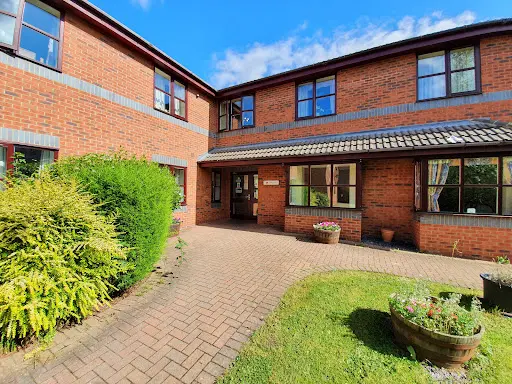
The Village Nursing and Care Home @ Murton, on Wellfield Road in Seaham, was rated Good across all five inspection domains at its last official inspection in November 2019. A monitoring review carried out in July 2023 found no evidence that the rating needed to be reconsidered. The home is registered for 40 beds and cares for people with dementia, mental health conditions, physical disabilities, and sensory impairments, suggesting a broad base of care experience. The main uncertainty here is the age of the evidence. The last on-site inspection took place in November 2019, which means the published findings are now more than five years old. A lot can change in a care home over that period, including staffing, management, and the physical environment. The 2023 monitoring review was desk-based, not an in-person inspection, so it does not replace a visit from you. Before making a decision, ask to see the current staffing rota (including overnight cover), find out whether the registered manager listed in the 2019 report is still in post, and spend time in the building at a mealtime or during the afternoon activity session to form your own view.
The three questions to ask when you visitSave this home. Compare it against your shortlist.
Let our analysis show you how The Village Nursing & Care Home measures up against the other homes you’re considering. Free account.
In Their Own Words
How The Village Nursing & Care Home describes itself — collected from its own website. DCC has not edited or independently verified the content in this tab.
Where respite care turns into real recovery
Nursing home in Seaham: True Peace of Mind
The Village Nursing and Care Home in Murton, near Seaham, seems to have found the formula for helping people get back on their feet. Families describe watching their loved ones regain strength, appetite and confidence during stays here. It's the kind of place where temporary respite often leads to people choosing to return.
Who they care for
The Village offers care for adults of all ages, including those with dementia, mental health conditions, physical disabilities and sensory impairments.
For those living with dementia, the home provides specialist support as part of its wider care approach for people with varying needs.
“It's telling that families who've used the home for respite care feel confident about returning for longer stays when needed.”
DCC does not edit or curate content in this tab. For independently curated information, see The Evidence and DCC Verdict.
The DCC Verdict
Our editorial view, built from the three lenses: what families tell us, what inspectors record, and how the home sits against good dementia-care practice.
DCC Family Score
The Village Nursing and Care Home @ Murton holds a Good rating across all five inspection domains, which is a positive baseline. However, the inspection is now over five years old and the published report contains very little specific detail, so scores reflect the rating rather than rich supporting evidence.
Homes in North East typically score 68–82.The three-lens summary
What families tell us
People talk about the respectful, friendly approach of the carers here. Family members feel heard when they have questions or concerns, and residents seem to genuinely enjoy the company of staff who take time to chat and engage with them.
What inspectors have recorded
The team here seems to understand what makes good care work. Staff are described as considerate and willing to engage with families, creating an atmosphere where people feel their concerns are taken seriously.
How it sits against good practice
It's telling that families who've used the home for respite care feel confident about returning for longer stays when needed.
Worth a visit
The Village Nursing and Care Home @ Murton, on Wellfield Road in Seaham, was rated Good across all five inspection domains at its last official inspection in November 2019. A monitoring review carried out in July 2023 found no evidence that the rating needed to be reconsidered. The home is registered for 40 beds and cares for people with dementia, mental health conditions, physical disabilities, and sensory impairments, suggesting a broad base of care experience. The main uncertainty here is the age of the evidence. The last on-site inspection took place in November 2019, which means the published findings are now more than five years old. A lot can change in a care home over that period, including staffing, management, and the physical environment. The 2023 monitoring review was desk-based, not an in-person inspection, so it does not replace a visit from you. Before making a decision, ask to see the current staffing rota (including overnight cover), find out whether the registered manager listed in the 2019 report is still in post, and spend time in the building at a mealtime or during the afternoon activity session to form your own view.
The three questions to ask when you visitSave this home. Compare it against your shortlist.
Let our analysis show you how The Village Nursing & Care Home measures up against the other homes you’re considering. Free account.
In Their Own Words
How The Village Nursing & Care Home describes itself — collected from its own website. DCC has not edited or independently verified the content in this tab.
Where respite care turns into real recovery
Nursing home in Seaham: True Peace of Mind
The Village Nursing and Care Home in Murton, near Seaham, seems to have found the formula for helping people get back on their feet. Families describe watching their loved ones regain strength, appetite and confidence during stays here. It's the kind of place where temporary respite often leads to people choosing to return.
Who they care for
The Village offers care for adults of all ages, including those with dementia, mental health conditions, physical disabilities and sensory impairments.
For those living with dementia, the home provides specialist support as part of its wider care approach for people with varying needs.
Management & ethos
The team here seems to understand what makes good care work. Staff are described as considerate and willing to engage with families, creating an atmosphere where people feel their concerns are taken seriously.
The home & environment
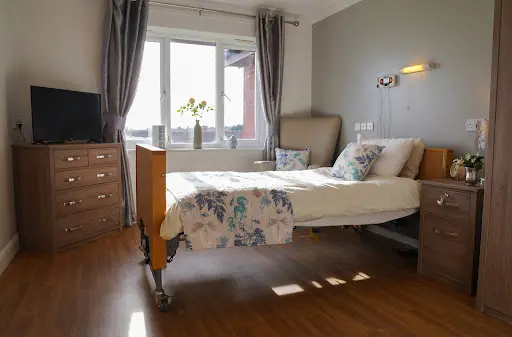
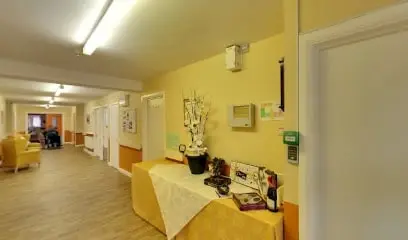
The food gets particular praise from families who've experienced multiple stays. While one visitor noted it wasn't quite as fancy on their second visit, everyone agrees it's well-cooked and wholesome. Daily room cleaning keeps things comfortable and fresh.
“It's telling that families who've used the home for respite care feel confident about returning for longer stays when needed.”
DCC does not edit or curate content in this tab. For independently curated information, see The Evidence and DCC Verdict.