The Summers
At a Glance
The information you need to decide whether this home warrants a closer look.
Nursing homes
Staff warmth score
of reviewers answered yes
Good to know
- Registered beds35
- SpecialismsCaring for adults over 65 yrs, Caring for adults under 65 yrs, Dementia, Learning disabilities
- Last inspected2019-03-07
Save The Summers to your shortlist
Keep a running list, add visit notes, and compare homes side-by-side. Free account — it takes a minute.
STAGE 4 — RESEARCHING CARE HOMES
Visit homes. Compare them side by side. Choose with confidence.
Most of us will view care homes the way we view houses, impression, atmosphere, the feeling in the corridor. We go home, try to remember what we saw, and make a permanent decision from a blurred memory.

The DCC shortlist gives every home you visit a structured record: the same twelve questions, answered the same way, every time. When you’re ready to choose, pull any two homes side by side and compare them directly. Same criteria, same evidence, your notes and your scores.
The Evidence
What the review data, the inspection reports, and the dementia-care evidence base tell us about this home.
What families say
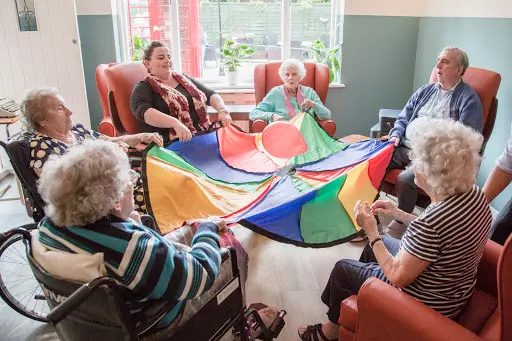
Families describe watching their relatives not just adapt but genuinely flourish here. The friendly, caring approach from staff seems to make all the difference — visitors notice how willing everyone is to help, how residents appear notably happy and settled even after difficult transitions.
The eight family priority themes
- Staff warmth70
- Compassion & dignity70
- Cleanliness65
- Activities & engagement60
- Food quality60
- Healthcare68
- Management & leadership72
- Resident happiness65
What inspectors found
Inspected 2019-03-07
Is this home safe?
Is the care effective?
The Effective domain was rated Good at the February 2025 inspection. This domain covers training, care planning, access to healthcare professionals, nutrition, and how well the home understands and meets individual needs. No specific detail about dementia training content, GP access arrangements, care plan quality, or nutrition monitoring is included in the published summary. The home is registered to care for people with dementia and learning disabilities, which requires staff to have specific competencies beyond general care training. The improvement from a previous Requires Improvement rating suggests training and practice standards have been raised.Is this home caring?
The Caring domain was rated Good at the February 2025 inspection. This domain covers the warmth of staff interactions, whether people are treated with dignity, whether independence is promoted, and whether people feel respected as individuals. No direct inspector observations, resident testimony, or family quotes are included in the published summary. Staff warmth is the single highest-weighted theme in our family review data, appearing in 57.3% of positive reviews. Without published observational detail, it is not possible to confirm what the inspectors saw that justified the Good rating in this domain.Is the home responsive?
The Responsive domain was rated Good at the February 2025 inspection. This domain covers whether the home provides activities and engagement tailored to individuals, whether complaints are handled well, and whether end-of-life care is planned appropriately. The home is registered for people with dementia, learning disabilities, and adults of varying ages, which requires a genuinely varied and individually tailored approach to activity and engagement. No specific detail about the activity programme, one-to-one engagement, or complaints handling is included in the published summary.Is the home well-led?
The Well-led domain was rated Good at the February 2025 inspection. A registered manager, Miss Charlotte Elizabeth Anne Playford, is recorded in post, with Mrs Tracy Lazell as Nominated Individual. The improvement from a previous Requires Improvement rating across the whole home suggests that leadership has driven meaningful change. Good leadership at inspection level involves visible management, staff who feel able to raise concerns, and governance systems that identify and act on risks. None of these specifics are described in the published summary, so the evidence behind the rating cannot be independently confirmed.
Source: CQC inspection report →
What the evidence base says
The Summers welcomes adults across different age groups and care needs, from younger adults with learning disabilities to older residents requiring support. For residents living with dementia, the team shows particular skill in creating calm during moments of agitation. The combination of patient staff and thoughtful environments helps maintain dignity through the challenges of memory loss. All areas worth probing directly during a visit.
The DCC Verdict
Our editorial view, built from the three lenses: what families tell us, what inspectors record, and how the home sits against good dementia-care practice.
DCC Family Score
The Summers has improved from Requires Improvement to a Good rating across all five domains, which is a meaningful step forward. However, the published inspection report contains very limited specific detail, so most scores reflect the positive direction of travel rather than rich, verified evidence.
Homes in South East typically score 68–82.The three-lens summary
What families tell us
Families describe watching their relatives not just adapt but genuinely flourish here. The friendly, caring approach from staff seems to make all the difference — visitors notice how willing everyone is to help, how residents appear notably happy and settled even after difficult transitions.
What inspectors have recorded
The manager knows residents by name and stays visible on the floor rather than hidden in an office. When distressing moments arise, families have seen firsthand how calmly staff respond, treating each person with genuine respect and recognizing their individuality.
How it sits against good practice
Sometimes the best measure of a care home is simply hearing a resident call it home — and meaning it.
Worth a visit
The Summers, at Yeend Close in West Molesey, was assessed in February 2025 and rated Good across all five inspection domains: Safe, Effective, Caring, Responsive, and Well-led. This is a significant improvement from its previous rating of Requires Improvement and indicates that concerns raised at the earlier inspection have been addressed. The home is a 35-bed nursing home registered to care for people over and under 65, including people living with dementia and those with learning disabilities. The main limitation of this report is that the published inspection summary contains very little specific detail about what inspectors observed or heard. The Good ratings tell you the direction of travel, but they do not tell you what it actually looks, feels, or smells like to live there. Before making a decision, visit in person, ideally at a mealtime or during an activity session, and use the checklist questions in this report to press for specifics on staffing levels, dementia training, night cover, and how the home has changed since the previous Requires Improvement rating.
The three questions to ask when you visitSave this home. Compare it against your shortlist.
Let our analysis show you how The Summers measures up against the other homes you’re considering. Free account.
In Their Own Words
How The Summers describes itself — collected from its own website. DCC has not edited or independently verified the content in this tab.
Where difficult transitions become genuine contentment
Dedicated nursing home Support in West Molesey
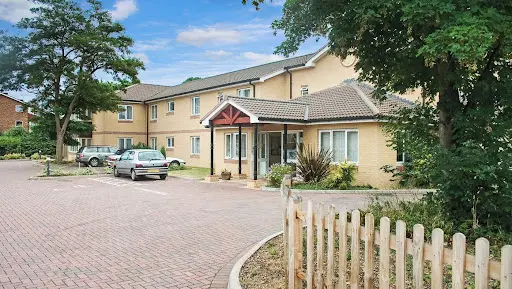
For families facing the upheaval of care home decisions, The Summers in West Molesey offers something precious — residents who settle in and actually call it home. This modern facility supports adults both under and over 65, including those living with dementia or learning disabilities, with the kind of consistent warmth that transforms anxiety into relief.
Who they care for
The Summers welcomes adults across different age groups and care needs, from younger adults with learning disabilities to older residents requiring support.
For residents living with dementia, the team shows particular skill in creating calm during moments of agitation. The combination of patient staff and thoughtful environments helps maintain dignity through the challenges of memory loss.
“Sometimes the best measure of a care home is simply hearing a resident call it home — and meaning it.”
DCC does not edit or curate content in this tab. For independently curated information, see The Evidence and DCC Verdict.
The DCC Verdict
Our editorial view, built from the three lenses: what families tell us, what inspectors record, and how the home sits against good dementia-care practice.
DCC Family Score
The Summers has improved from Requires Improvement to a Good rating across all five domains, which is a meaningful step forward. However, the published inspection report contains very limited specific detail, so most scores reflect the positive direction of travel rather than rich, verified evidence.
Homes in South East typically score 68–82.The three-lens summary
What families tell us
Families describe watching their relatives not just adapt but genuinely flourish here. The friendly, caring approach from staff seems to make all the difference — visitors notice how willing everyone is to help, how residents appear notably happy and settled even after difficult transitions.
What inspectors have recorded
The manager knows residents by name and stays visible on the floor rather than hidden in an office. When distressing moments arise, families have seen firsthand how calmly staff respond, treating each person with genuine respect and recognizing their individuality.
How it sits against good practice
Sometimes the best measure of a care home is simply hearing a resident call it home — and meaning it.
Worth a visit
The Summers, at Yeend Close in West Molesey, was assessed in February 2025 and rated Good across all five inspection domains: Safe, Effective, Caring, Responsive, and Well-led. This is a significant improvement from its previous rating of Requires Improvement and indicates that concerns raised at the earlier inspection have been addressed. The home is a 35-bed nursing home registered to care for people over and under 65, including people living with dementia and those with learning disabilities. The main limitation of this report is that the published inspection summary contains very little specific detail about what inspectors observed or heard. The Good ratings tell you the direction of travel, but they do not tell you what it actually looks, feels, or smells like to live there. Before making a decision, visit in person, ideally at a mealtime or during an activity session, and use the checklist questions in this report to press for specifics on staffing levels, dementia training, night cover, and how the home has changed since the previous Requires Improvement rating.
The three questions to ask when you visitSave this home. Compare it against your shortlist.
Let our analysis show you how The Summers measures up against the other homes you’re considering. Free account.
In Their Own Words
How The Summers describes itself — collected from its own website. DCC has not edited or independently verified the content in this tab.
Where difficult transitions become genuine contentment
Dedicated nursing home Support in West Molesey
For families facing the upheaval of care home decisions, The Summers in West Molesey offers something precious — residents who settle in and actually call it home. This modern facility supports adults both under and over 65, including those living with dementia or learning disabilities, with the kind of consistent warmth that transforms anxiety into relief.
Who they care for
The Summers welcomes adults across different age groups and care needs, from younger adults with learning disabilities to older residents requiring support.
For residents living with dementia, the team shows particular skill in creating calm during moments of agitation. The combination of patient staff and thoughtful environments helps maintain dignity through the challenges of memory loss.
Management & ethos
The manager knows residents by name and stays visible on the floor rather than hidden in an office. When distressing moments arise, families have seen firsthand how calmly staff respond, treating each person with genuine respect and recognizing their individuality.
The home & environment
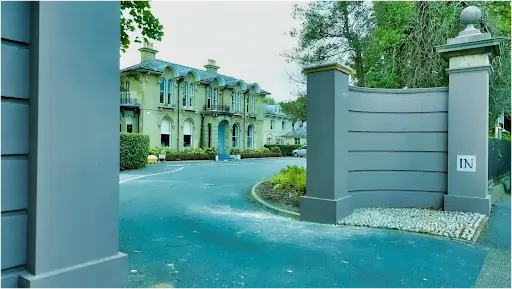
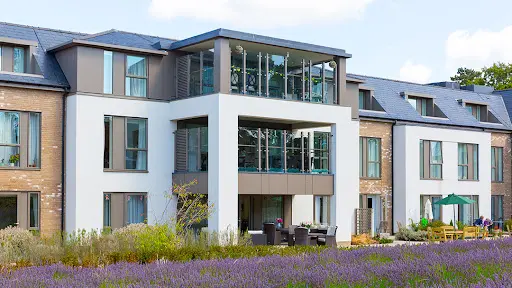
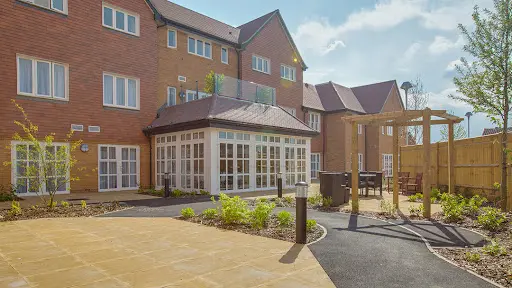
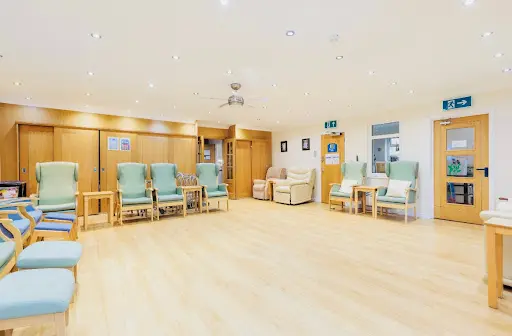
The bright, airy building feels fresh and well-maintained throughout. Pleasant communal spaces and garden areas give residents proper room to enjoy their days, while the cleanliness and modern feel create an environment that families appreciate visiting.
“Sometimes the best measure of a care home is simply hearing a resident call it home — and meaning it.”
DCC does not edit or curate content in this tab. For independently curated information, see The Evidence and DCC Verdict.