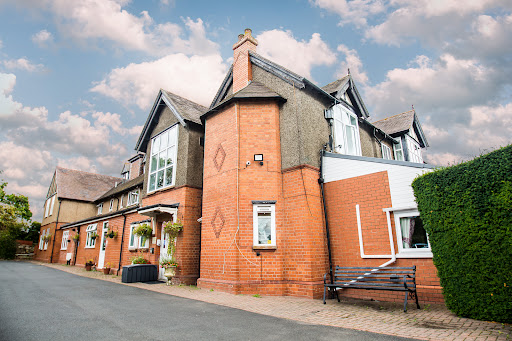
The Priory Care Home
At a Glance
The information you need to decide whether this home warrants a closer look.
Residential homes
Staff warmth score
of reviewers answered yes
Good to know
- Registered beds30
- SpecialismsCaring for adults over 65 yrs, Dementia, Physical disabilities
- Last inspected2019-08-21
Save The Priory Care Home to your shortlist
Keep a running list, add visit notes, and compare homes side-by-side. Free account — it takes a minute.
STAGE 4 — RESEARCHING CARE HOMES
Visit homes. Compare them side by side. Choose with confidence.
Most of us will view care homes the way we view houses, impression, atmosphere, the feeling in the corridor. We go home, try to remember what we saw, and make a permanent decision from a blurred memory.

The DCC shortlist gives every home you visit a structured record: the same twelve questions, answered the same way, every time. When you’re ready to choose, pull any two homes side by side and compare them directly. Same criteria, same evidence, your notes and your scores.
The Evidence
What the review data, the inspection reports, and the dementia-care evidence base tell us about this home.
What families say
People notice how carers bring genuine warmth to their work here. Whether it's during daily care routines or structured activities, staff show the kind of respect that makes residents feel valued as individuals. Even healthcare professionals visiting the home comment on the humanity they see in everyday interactions.
The eight family priority themes
- Staff warmth72
- Compassion & dignity72
- Cleanliness70
- Activities & engagement60
- Food quality60
- Healthcare65
- Management & leadership74
- Resident happiness68
What inspectors found
Inspected 2019-08-21
Is this home safe?
Is the care effective?
The Effective domain was rated Good, covering care planning, training, nutrition, and healthcare access. The home lists dementia as a specialism, which means inspectors would have considered whether staff had relevant training and whether care plans reflected the particular needs of people living with dementia. No specific detail about training content, GP access arrangements, or how nutrition is managed was published in the available text.Is this home caring?
The Caring domain was rated Good, covering staff warmth, dignity, respect, and how staff support residents' independence. This is the domain most closely linked to what families notice and value most. The published inspection text does not include direct observations of staff interactions, resident or relative quotes, or specific examples of how dignity was upheld in practice.Is the home responsive?
The Responsive domain was rated Good, covering how well the home tailors its care and activities to each individual, including those with dementia or physical disabilities. This domain also covers how complaints are handled and how end-of-life care is approached. No specific detail about the activities programme, individual engagement, or complaints handling was published in the available text.Is the home well-led?
The Well-Led domain was rated Good, and the inspection identifies a named Registered Manager and a Nominated Individual, confirming a clear accountability structure. The improvement from a previous Requires Improvement rating across all domains suggests leadership made meaningful changes between inspections. No detail about management visibility, staff culture, or governance processes was published in the available text.
Source: CQC inspection report →
What the evidence base says
The Priory provides specialist dementia care alongside support for physical disabilities, welcoming adults over 65 who need varying levels of assistance. Their approach to dementia care focuses on seeing the person behind the condition. Staff work to understand each resident's unique needs and preferences, building this knowledge into individualised care plans. All areas worth probing directly during a visit.
The DCC Verdict
Our editorial view, built from the three lenses: what families tell us, what inspectors record, and how the home sits against good dementia-care practice.
DCC Family Score
The Priory Care Home scored Good across all five inspection domains, representing a meaningful improvement from its previous Requires Improvement rating. However, the published inspection text contains very little specific detail, which means most scores reflect general compliance rather than strong direct evidence of what daily life looks like for your parent.
Homes in West Midlands typically score 68–82.The three-lens summary
What families tell us
People notice how carers bring genuine warmth to their work here. Whether it's during daily care routines or structured activities, staff show the kind of respect that makes residents feel valued as individuals. Even healthcare professionals visiting the home comment on the humanity they see in everyday interactions.
What inspectors have recorded
The team here creates care plans that really reflect each person's needs — detailed enough that social services and other professionals have validated their thoroughness. When residents face declining health, staff support both them and their families with particular compassion, ensuring dignity through every stage.
How it sits against good practice
Sometimes the measure of a care home isn't in grand promises, but in the quiet kindness shown when families need it most.
Worth a visit
The Priory Care Home, on Crutch Lane in Droitwich, was rated Good across all five inspection domains at its last inspection in July 2019. This represents a genuine improvement from a previous Requires Improvement rating, which is an encouraging sign that leadership and practice were moving in the right direction. The home supports up to 30 adults, including people living with dementia and those with physical disabilities. The honest limitation of this report is that very little of the underlying inspection detail was published, which means the Family Score of 72 reflects general compliance rather than rich, specific evidence. The inspection is also now more than five years old, and a lot can change in that time, including management, staffing, and culture. Before visiting, call the home and ask specifically: how many permanent care staff are on duty on the dementia unit after 8pm, and when was the last full inspection? On your visit, watch how staff interact with residents in corridors and communal areas when they do not know they are being observed. That tells you more than any rating.
The three questions to ask when you visitSave this home. Compare it against your shortlist.
Let our analysis show you how The Priory Care Home measures up against the other homes you’re considering. Free account.
In Their Own Words
How The Priory Care Home describes itself — collected from its own website. DCC has not edited or independently verified the content in this tab.
Where kindness shapes every day of dementia care
Compassionate Care in Droitwich at The Priory Care Home
Some care homes understand that compassion runs deeper than daily routines. The Priory Care Home in Droitwich brings this understanding to life through thoughtful, person-centred care. Families describe a place where respect and dignity guide every interaction, from morning activities to the most challenging moments of declining health.
Who they care for
The Priory provides specialist dementia care alongside support for physical disabilities, welcoming adults over 65 who need varying levels of assistance.
Their approach to dementia care focuses on seeing the person behind the condition. Staff work to understand each resident's unique needs and preferences, building this knowledge into individualised care plans.
“Sometimes the measure of a care home isn't in grand promises, but in the quiet kindness shown when families need it most.”
DCC does not edit or curate content in this tab. For independently curated information, see The Evidence and DCC Verdict.
The DCC Verdict
Our editorial view, built from the three lenses: what families tell us, what inspectors record, and how the home sits against good dementia-care practice.
DCC Family Score
The Priory Care Home scored Good across all five inspection domains, representing a meaningful improvement from its previous Requires Improvement rating. However, the published inspection text contains very little specific detail, which means most scores reflect general compliance rather than strong direct evidence of what daily life looks like for your parent.
Homes in West Midlands typically score 68–82.The three-lens summary
What families tell us
People notice how carers bring genuine warmth to their work here. Whether it's during daily care routines or structured activities, staff show the kind of respect that makes residents feel valued as individuals. Even healthcare professionals visiting the home comment on the humanity they see in everyday interactions.
What inspectors have recorded
The team here creates care plans that really reflect each person's needs — detailed enough that social services and other professionals have validated their thoroughness. When residents face declining health, staff support both them and their families with particular compassion, ensuring dignity through every stage.
How it sits against good practice
Sometimes the measure of a care home isn't in grand promises, but in the quiet kindness shown when families need it most.
Worth a visit
The Priory Care Home, on Crutch Lane in Droitwich, was rated Good across all five inspection domains at its last inspection in July 2019. This represents a genuine improvement from a previous Requires Improvement rating, which is an encouraging sign that leadership and practice were moving in the right direction. The home supports up to 30 adults, including people living with dementia and those with physical disabilities. The honest limitation of this report is that very little of the underlying inspection detail was published, which means the Family Score of 72 reflects general compliance rather than rich, specific evidence. The inspection is also now more than five years old, and a lot can change in that time, including management, staffing, and culture. Before visiting, call the home and ask specifically: how many permanent care staff are on duty on the dementia unit after 8pm, and when was the last full inspection? On your visit, watch how staff interact with residents in corridors and communal areas when they do not know they are being observed. That tells you more than any rating.
The three questions to ask when you visitSave this home. Compare it against your shortlist.
Let our analysis show you how The Priory Care Home measures up against the other homes you’re considering. Free account.
In Their Own Words
How The Priory Care Home describes itself — collected from its own website. DCC has not edited or independently verified the content in this tab.
Where kindness shapes every day of dementia care
Compassionate Care in Droitwich at The Priory Care Home
Some care homes understand that compassion runs deeper than daily routines. The Priory Care Home in Droitwich brings this understanding to life through thoughtful, person-centred care. Families describe a place where respect and dignity guide every interaction, from morning activities to the most challenging moments of declining health.
Who they care for
The Priory provides specialist dementia care alongside support for physical disabilities, welcoming adults over 65 who need varying levels of assistance.
Their approach to dementia care focuses on seeing the person behind the condition. Staff work to understand each resident's unique needs and preferences, building this knowledge into individualised care plans.
Management & ethos
The team here creates care plans that really reflect each person's needs — detailed enough that social services and other professionals have validated their thoroughness. When residents face declining health, staff support both them and their families with particular compassion, ensuring dignity through every stage.
The home & environment
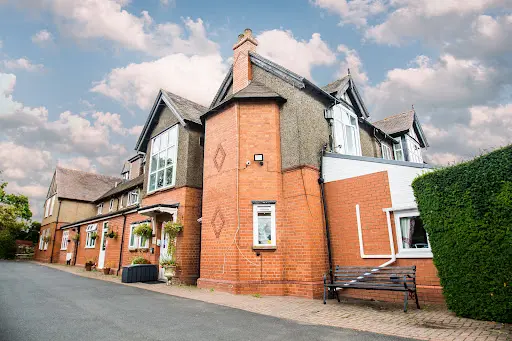
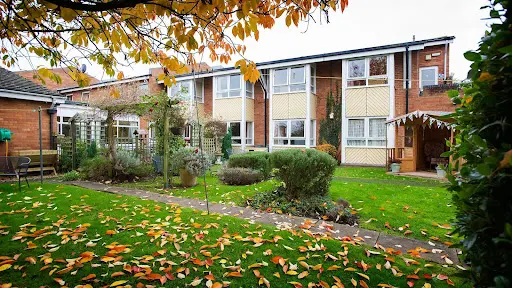
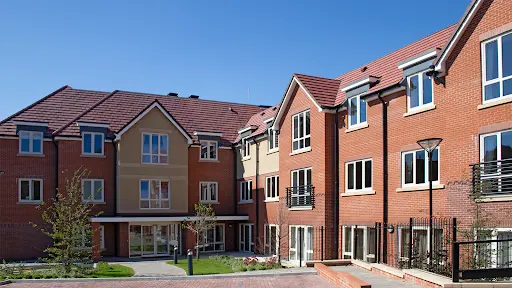
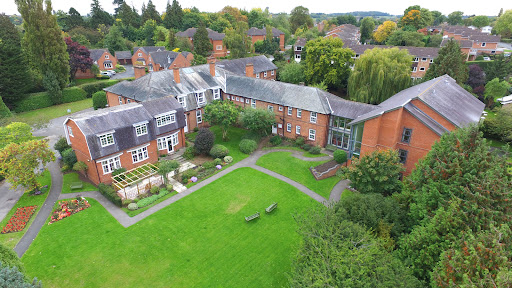
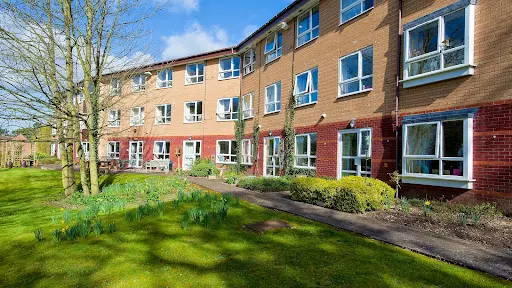
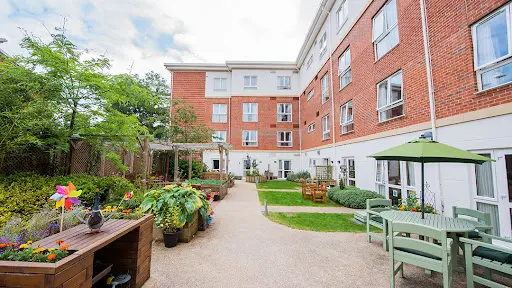
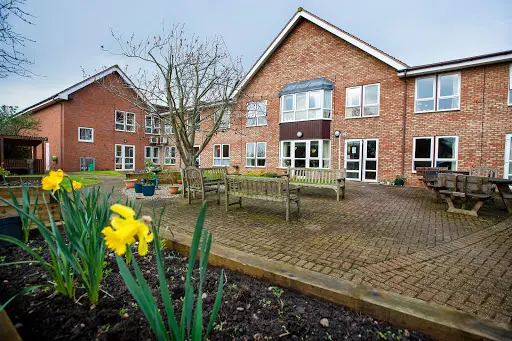
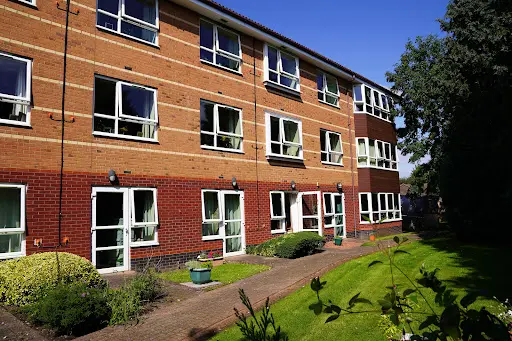
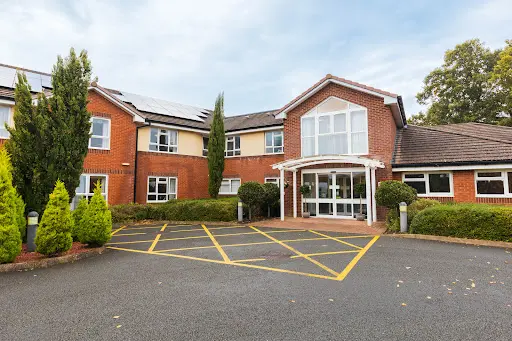
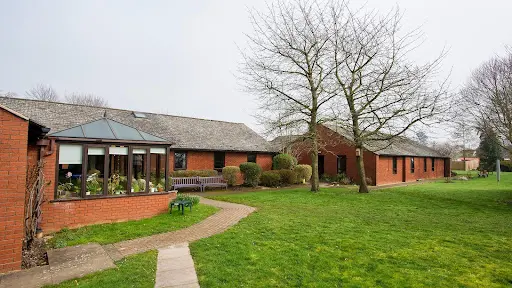
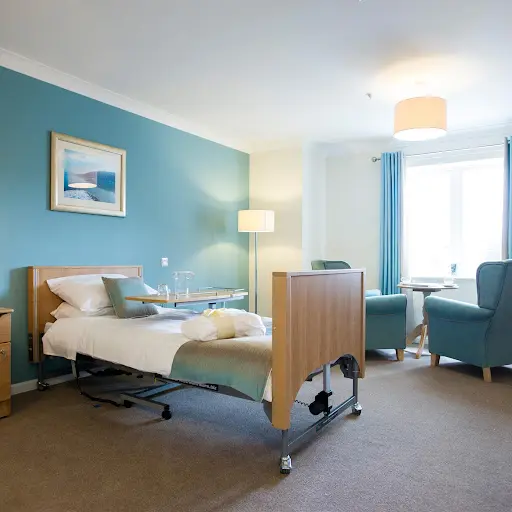
Bright, clean rooms with views over the grounds give residents a pleasant living space. Some rooms open onto balconies, bringing the outside in. The home organises regular activities and community outings that help residents stay connected to the world beyond their walls.
“Sometimes the measure of a care home isn't in grand promises, but in the quiet kindness shown when families need it most.”
DCC does not edit or curate content in this tab. For independently curated information, see The Evidence and DCC Verdict.