The Old Vicarage Residential Care Home
At a Glance
The information you need to decide whether this home warrants a closer look.
Residential homes
Staff warmth score
of reviewers answered yes
Good to know
- Registered beds26
- SpecialismsCaring for adults over 65 yrs, Dementia, Physical disabilities, Sensory impairment
- Last inspected2018-12-11
Save The Old Vicarage Residential Care Home to your shortlist
Keep a running list, add visit notes, and compare homes side-by-side. Free account — it takes a minute.
STAGE 4 — RESEARCHING CARE HOMES
Visit homes. Compare them side by side. Choose with confidence.
Most of us will view care homes the way we view houses, impression, atmosphere, the feeling in the corridor. We go home, try to remember what we saw, and make a permanent decision from a blurred memory.

The DCC shortlist gives every home you visit a structured record: the same twelve questions, answered the same way, every time. When you’re ready to choose, pull any two homes side by side and compare them directly. Same criteria, same evidence, your notes and your scores.
The Evidence
What the review data, the inspection reports, and the dementia-care evidence base tell us about this home.
What families say
Relatives talk about feeling genuinely welcomed when they visit. They mention being offered meals and made to feel comfortable during their time there, which helps maintain those vital family connections.
The eight family priority themes
- Staff warmth85
- Compassion & dignity92
- Cleanliness72
- Activities & engagement72
- Food quality70
- Healthcare72
- Management & leadership75
- Resident happiness78
What inspectors found
Inspected 2018-12-11
Is this home safe?
Is the care effective?
The home was rated Good for effective care at its October 2018 inspection. This covers training, care planning, healthcare access, and nutrition. The home lists dementia as a specialism, which implies staff should have dementia-specific training, but the published summary does not describe what that training involves or how recently staff completed it. No specific detail on care plan content, GP visit frequency, or how food quality is monitored was included in the published findings.Is this home caring?
The home received an Outstanding rating for caring at its October 2018 inspection. This is the highest rating available and is awarded only when inspectors find consistently exceptional evidence of kindness, dignity, and respect in the way staff treat the people who live there. Outstanding caring ratings are rare nationally, which makes this a meaningful signal. The published summary does not include the specific observations or quotes that led to this rating, but the rating itself reflects a high threshold of evidence.Is the home responsive?
The home was rated Good for responsive care at its October 2018 inspection. This domain covers how well the home tailors its care and activities to individual needs and preferences. The published summary does not describe the activity programme in detail, and there is no specific information about how the home supports residents who cannot participate in group activities, which is a particular concern for people with more advanced dementia. The home lists sensory impairment as a specialism, which suggests some adaptation of activities and communication may be in place.Is the home well-led?
The home was rated Good for well-led at its October 2018 inspection. At the time of the inspection, the home had two registered managers, Ms Samantha Adkins and Ms Vanessa Margaret Powling, alongside a nominated individual. A Good rating in this domain suggests governance, oversight, and staff culture were considered satisfactory. The published summary does not describe how long the management team had been in post, how staff were supported to raise concerns, or how the home responds to complaints and incidents.
Source: CQC inspection report →
What the evidence base says
The Old Vicarage provides specialist support for sensory impairments and dementia, alongside care for physical disabilities. They focus on residents aged over 65 who need skilled, attentive support. For residents living with dementia, the home provides specialist care tailored to individual needs. Their experienced team understands how to support both residents and families through this journey. All areas worth probing directly during a visit.
The DCC Verdict
Our editorial view, built from the three lenses: what families tell us, what inspectors record, and how the home sits against good dementia-care practice.
DCC Family Score
The Old Vicarage scores well above average, driven by an Outstanding rating for caring, which is the single most important factor in family satisfaction. Most other areas were rated Good, though the inspection report provided limited specific detail across several themes.
Homes in South West typically score 68–82.The three-lens summary
What families tell us
Relatives talk about feeling genuinely welcomed when they visit. They mention being offered meals and made to feel comfortable during their time there, which helps maintain those vital family connections.
What inspectors have recorded
What comes through clearly is the staff's clinical competence. Family members speak about the skill and proficiency they see in daily care tasks, giving them confidence in the team's abilities.
How it sits against good practice
If you're looking for skilled care in a welcoming setting, it's worth arranging a visit to see if The Old Vicarage feels right for your family.
Worth a visit
The Old Vicarage in Budleigh Salterton was rated Good overall at its inspection in October 2018, with an Outstanding rating for caring. That Outstanding caring rating places it in a small minority of homes nationally and is the single strongest signal available that the people living here are treated with genuine warmth and respect. The home supports 26 residents, including people with dementia, physical disabilities, and sensory impairments, and is run by Glebefield Care Limited with two registered managers named at the time of inspection. The most important caution for you as a family is that this inspection took place in October 2018, which means the published findings are now over six years old. Staff teams, management, and the physical environment can all change significantly in that time. The Outstanding caring rating is encouraging, but you should treat it as a starting point rather than a guarantee of what you will find today. When you visit, ask to speak to the current registered manager, ask how long the core staff team has been in post, and spend time observing how staff interact with residents in communal areas before making your decision.
The three questions to ask when you visitSave this home. Compare it against your shortlist.
Let our analysis show you how The Old Vicarage Residential Care Home measures up against the other homes you’re considering. Free account.
In Their Own Words
How The Old Vicarage Residential Care Home describes itself — collected from its own website. DCC has not edited or independently verified the content in this tab.
Where skilled staff create genuine contentment for residents
Compassionate Care in Budleigh Salterton at The Old Vicarage
Finding somewhere that combines real clinical expertise with a welcoming atmosphere can feel impossible. The Old Vicarage in Budleigh Salterton stands out because families describe both skilled care and genuine happiness among residents. Set in pleasant surroundings with good parking, this home focuses on creating a comfortable environment for everyone.
Who they care for
The Old Vicarage provides specialist support for sensory impairments and dementia, alongside care for physical disabilities. They focus on residents aged over 65 who need skilled, attentive support.
For residents living with dementia, the home provides specialist care tailored to individual needs. Their experienced team understands how to support both residents and families through this journey.
“If you're looking for skilled care in a welcoming setting, it's worth arranging a visit to see if The Old Vicarage feels right for your family.”
DCC does not edit or curate content in this tab. For independently curated information, see The Evidence and DCC Verdict.
The DCC Verdict
Our editorial view, built from the three lenses: what families tell us, what inspectors record, and how the home sits against good dementia-care practice.
DCC Family Score
The Old Vicarage scores well above average, driven by an Outstanding rating for caring, which is the single most important factor in family satisfaction. Most other areas were rated Good, though the inspection report provided limited specific detail across several themes.
Homes in South West typically score 68–82.The three-lens summary
What families tell us
Relatives talk about feeling genuinely welcomed when they visit. They mention being offered meals and made to feel comfortable during their time there, which helps maintain those vital family connections.
What inspectors have recorded
What comes through clearly is the staff's clinical competence. Family members speak about the skill and proficiency they see in daily care tasks, giving them confidence in the team's abilities.
How it sits against good practice
If you're looking for skilled care in a welcoming setting, it's worth arranging a visit to see if The Old Vicarage feels right for your family.
Worth a visit
The Old Vicarage in Budleigh Salterton was rated Good overall at its inspection in October 2018, with an Outstanding rating for caring. That Outstanding caring rating places it in a small minority of homes nationally and is the single strongest signal available that the people living here are treated with genuine warmth and respect. The home supports 26 residents, including people with dementia, physical disabilities, and sensory impairments, and is run by Glebefield Care Limited with two registered managers named at the time of inspection. The most important caution for you as a family is that this inspection took place in October 2018, which means the published findings are now over six years old. Staff teams, management, and the physical environment can all change significantly in that time. The Outstanding caring rating is encouraging, but you should treat it as a starting point rather than a guarantee of what you will find today. When you visit, ask to speak to the current registered manager, ask how long the core staff team has been in post, and spend time observing how staff interact with residents in communal areas before making your decision.
The three questions to ask when you visitSave this home. Compare it against your shortlist.
Let our analysis show you how The Old Vicarage Residential Care Home measures up against the other homes you’re considering. Free account.
In Their Own Words
How The Old Vicarage Residential Care Home describes itself — collected from its own website. DCC has not edited or independently verified the content in this tab.
Where skilled staff create genuine contentment for residents
Compassionate Care in Budleigh Salterton at The Old Vicarage
Finding somewhere that combines real clinical expertise with a welcoming atmosphere can feel impossible. The Old Vicarage in Budleigh Salterton stands out because families describe both skilled care and genuine happiness among residents. Set in pleasant surroundings with good parking, this home focuses on creating a comfortable environment for everyone.
Who they care for
The Old Vicarage provides specialist support for sensory impairments and dementia, alongside care for physical disabilities. They focus on residents aged over 65 who need skilled, attentive support.
For residents living with dementia, the home provides specialist care tailored to individual needs. Their experienced team understands how to support both residents and families through this journey.
Management & ethos
What comes through clearly is the staff's clinical competence. Family members speak about the skill and proficiency they see in daily care tasks, giving them confidence in the team's abilities.
The home & environment
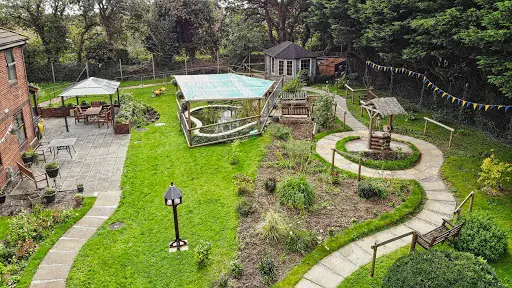
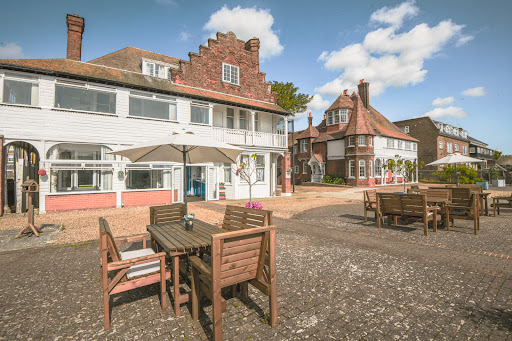
The home sits in well-maintained grounds that families find pleasant. Several people have mentioned the good parking facilities, which makes visiting easier.
“If you're looking for skilled care in a welcoming setting, it's worth arranging a visit to see if The Old Vicarage feels right for your family.”
DCC does not edit or curate content in this tab. For independently curated information, see The Evidence and DCC Verdict.