The Millfield
At a Glance
The information you need to decide whether this home warrants a closer look.
Residential homes
Staff warmth score
of reviewers answered yes
Good to know
- Registered beds45
- SpecialismsCaring for adults over 65 yrs, Dementia, Mental health conditions, Physical disabilities
- Last inspected2019-02-28
Save The Millfield to your shortlist
Keep a running list, add visit notes, and compare homes side-by-side. Free account — it takes a minute.
STAGE 4 — RESEARCHING CARE HOMES
Visit homes. Compare them side by side. Choose with confidence.
Most of us will view care homes the way we view houses, impression, atmosphere, the feeling in the corridor. We go home, try to remember what we saw, and make a permanent decision from a blurred memory.

The DCC shortlist gives every home you visit a structured record: the same twelve questions, answered the same way, every time. When you’re ready to choose, pull any two homes side by side and compare them directly. Same criteria, same evidence, your notes and your scores.
The Evidence
What the review data, the inspection reports, and the dementia-care evidence base tell us about this home.
What families say
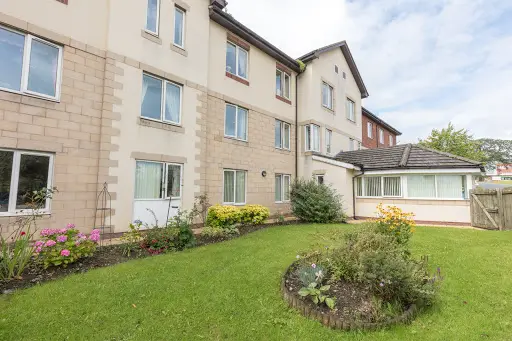
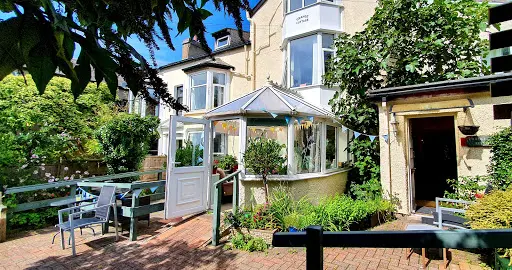
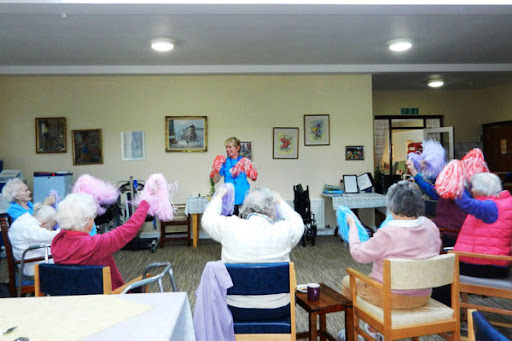
The atmosphere here comes from staff who know what they're doing and care about doing it well. Multiple lounges give residents choice in where to spend their time, while the well-kept garden provides peaceful outdoor space. People talk about residents joining in with activities and getting out into the community — proper engagement, not just passing time.
The eight family priority themes
- Staff warmth65
- Compassion & dignity65
- Cleanliness65
- Activities & engagement60
- Food quality60
- Healthcare62
- Management & leadership63
- Resident happiness63
What inspectors found
Inspected 2019-02-28
Is this home safe?
Is the care effective?
The home received a Good rating for Effectiveness at its February 2019 inspection. This domain covers whether staff have the right skills and training, whether care plans are meaningful and up to date, whether people's health needs are met, and whether nutrition and hydration are properly managed. The home lists dementia as a specialism, which means inspectors will have applied additional scrutiny to dementia-specific practice. No specific detail about training content, care plan review frequency, or GP access arrangements is available from the data provided.Is this home caring?
The home received a Good rating for Caring at its February 2019 inspection. This is the domain that most directly reflects whether your parent will be treated with kindness and respect. A Good rating here means inspectors were satisfied that staff treated people with dignity, respected privacy, and promoted independence where possible. No direct quotes from residents or families, and no specific inspector observations about interactions, are available from the data provided.Is the home responsive?
The home received a Good rating for Responsiveness at its February 2019 inspection. This domain covers whether the home tailors care to individual needs, whether activities are meaningful and accessible, and whether end-of-life care is planned and compassionate. The home supports people with dementia, mental health conditions, and physical disabilities, which means responsiveness to individual needs should be nuanced and varied. No specific detail about activities programming, individual engagement, or end-of-life provision is available from the inspection data provided.Is the home well-led?
The home received a Good rating for Well-Led at its February 2019 inspection. This domain assesses whether there is stable, visible leadership, whether staff feel supported and able to raise concerns, whether governance systems are effective, and whether the home has a positive culture that puts residents first. A Good rating here means inspectors were satisfied that someone was meaningfully in charge. However, no specific information about management tenure, staff culture, or governance processes is available from the data provided.
Source: CQC inspection report →
What the evidence base says
The Millfield provides specialist support for dementia and mental health conditions, alongside general care for over-65s and those with physical disabilities. Their dementia care focuses on maintaining dignity and quality of life, with staff who understand how to provide appropriate support through different stages of the condition. All areas worth probing directly during a visit.
The DCC Verdict
Our editorial view, built from the three lenses: what families tell us, what inspectors record, and how the home sits against good dementia-care practice.
DCC Family Score
This home achieved a Good rating across all five domains at its last inspection, but because the full inspection report text is unavailable, no specific observations, quotes, or detailed evidence can be verified — the score reflects the ratings themselves rather than the depth of evidence behind them.
Homes in North West typically score 68–82.The three-lens summary
What families tell us
The atmosphere here comes from staff who know what they're doing and care about doing it well. Multiple lounges give residents choice in where to spend their time, while the well-kept garden provides peaceful outdoor space. People talk about residents joining in with activities and getting out into the community — proper engagement, not just passing time.
What inspectors have recorded
From carers to cooks to cleaners, the whole team works to consistent standards that put residents first. Families particularly value how staff handle the hardest moments — maintaining comfort and dignity right through end-of-life care, giving real reassurance when it matters most.
How it sits against good practice
Sometimes the best recommendation comes from knowing your loved one was comfortable and well-cared for right to the end.
Worth a visit
This home at 28 Penrith Road, Keswick was rated Good across all five inspection domains — Safety, Effectiveness, Caring, Responsiveness, and Well-Led — at its last inspection in February 2019. That is a positive baseline: a clean sweep of Good ratings indicates that inspectors found no significant concerns across any area of care. The home is registered to support up to 45 people, including those living with dementia, mental health conditions, and physical disabilities, and has held its registration without any recorded deterioration in rating. The most important thing you need to know is that this inspection is now over six years old. A lot can change in a care home over that period — staffing, management, culture, and physical environment can all shift significantly. The rating tells you where the home was in early 2019, not where it is today. Before making any decision, visit in person and ask the home directly about current staffing levels (especially overnight), how often your parent's care plan would be reviewed, and what specific dementia training their staff hold. Ask to see the activity schedule for the past month, not just a brochure. The Good rating is a reasonable starting point, but it is not a substitute for what you will see and hear when you walk through the door.
The three questions to ask when you visitSave this home. Compare it against your shortlist.
Let our analysis show you how The Millfield measures up against the other homes you’re considering. Free account.
In Their Own Words
How The Millfield describes itself — collected from its own website. DCC has not edited or independently verified the content in this tab.
Where skilled staff and home cooking create genuine comfort
Residential home in Keswick: True Peace of Mind
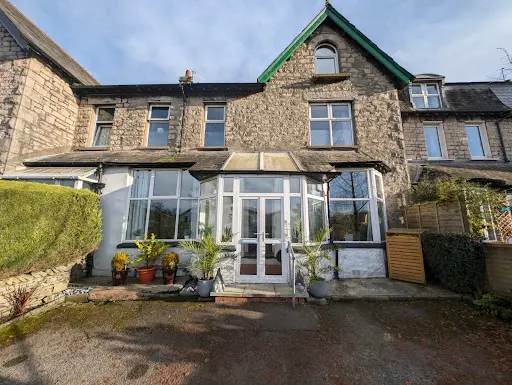
Finding the right care means looking for those telling details — the fresh-cooked meals, the consistent faces, the genuine warmth. The Millfield in Keswick offers all three, housed in a Georgian building where modern care meets traditional values. Families describe a place where their loved ones receive thoughtful attention through every stage of care.
Who they care for
The Millfield provides specialist support for dementia and mental health conditions, alongside general care for over-65s and those with physical disabilities.
Their dementia care focuses on maintaining dignity and quality of life, with staff who understand how to provide appropriate support through different stages of the condition.
“Sometimes the best recommendation comes from knowing your loved one was comfortable and well-cared for right to the end.”
DCC does not edit or curate content in this tab. For independently curated information, see The Evidence and DCC Verdict.
The DCC Verdict
Our editorial view, built from the three lenses: what families tell us, what inspectors record, and how the home sits against good dementia-care practice.
DCC Family Score
This home achieved a Good rating across all five domains at its last inspection, but because the full inspection report text is unavailable, no specific observations, quotes, or detailed evidence can be verified — the score reflects the ratings themselves rather than the depth of evidence behind them.
Homes in North West typically score 68–82.The three-lens summary
What families tell us
The atmosphere here comes from staff who know what they're doing and care about doing it well. Multiple lounges give residents choice in where to spend their time, while the well-kept garden provides peaceful outdoor space. People talk about residents joining in with activities and getting out into the community — proper engagement, not just passing time.
What inspectors have recorded
From carers to cooks to cleaners, the whole team works to consistent standards that put residents first. Families particularly value how staff handle the hardest moments — maintaining comfort and dignity right through end-of-life care, giving real reassurance when it matters most.
How it sits against good practice
Sometimes the best recommendation comes from knowing your loved one was comfortable and well-cared for right to the end.
Worth a visit
This home at 28 Penrith Road, Keswick was rated Good across all five inspection domains — Safety, Effectiveness, Caring, Responsiveness, and Well-Led — at its last inspection in February 2019. That is a positive baseline: a clean sweep of Good ratings indicates that inspectors found no significant concerns across any area of care. The home is registered to support up to 45 people, including those living with dementia, mental health conditions, and physical disabilities, and has held its registration without any recorded deterioration in rating. The most important thing you need to know is that this inspection is now over six years old. A lot can change in a care home over that period — staffing, management, culture, and physical environment can all shift significantly. The rating tells you where the home was in early 2019, not where it is today. Before making any decision, visit in person and ask the home directly about current staffing levels (especially overnight), how often your parent's care plan would be reviewed, and what specific dementia training their staff hold. Ask to see the activity schedule for the past month, not just a brochure. The Good rating is a reasonable starting point, but it is not a substitute for what you will see and hear when you walk through the door.
The three questions to ask when you visitSave this home. Compare it against your shortlist.
Let our analysis show you how The Millfield measures up against the other homes you’re considering. Free account.
In Their Own Words
How The Millfield describes itself — collected from its own website. DCC has not edited or independently verified the content in this tab.
Where skilled staff and home cooking create genuine comfort
Residential home in Keswick: True Peace of Mind
Finding the right care means looking for those telling details — the fresh-cooked meals, the consistent faces, the genuine warmth. The Millfield in Keswick offers all three, housed in a Georgian building where modern care meets traditional values. Families describe a place where their loved ones receive thoughtful attention through every stage of care.
Who they care for
The Millfield provides specialist support for dementia and mental health conditions, alongside general care for over-65s and those with physical disabilities.
Their dementia care focuses on maintaining dignity and quality of life, with staff who understand how to provide appropriate support through different stages of the condition.
Management & ethos
From carers to cooks to cleaners, the whole team works to consistent standards that put residents first. Families particularly value how staff handle the hardest moments — maintaining comfort and dignity right through end-of-life care, giving real reassurance when it matters most.
The home & environment
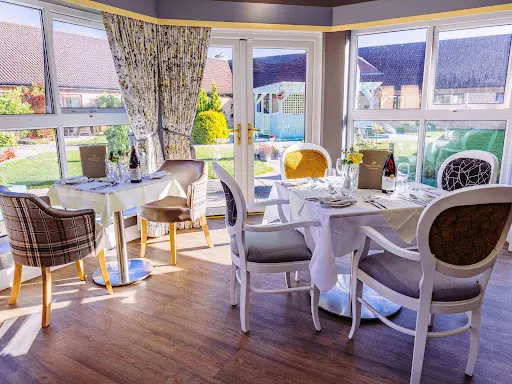
Food matters here, prepared fresh each day in their own kitchen. Residents get real choice in what they eat, with meals that families compare favourably to institutional alternatives. The Georgian building combines character with practical modern facilities, creating spaces that feel comfortable rather than clinical.
“Sometimes the best recommendation comes from knowing your loved one was comfortable and well-cared for right to the end.”
DCC does not edit or curate content in this tab. For independently curated information, see The Evidence and DCC Verdict.