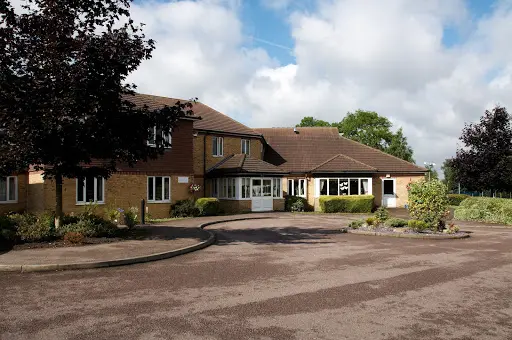
The Mead
At a Glance
The information you need to decide whether this home warrants a closer look.
Residential homes
Staff warmth score
of reviewers answered yes
Good to know
- Registered beds60
- SpecialismsCaring for adults over 65 yrs, Caring for adults under 65 yrs, Dementia, Physical disabilities
- Last inspected2017-12-07
Save The Mead to your shortlist
Keep a running list, add visit notes, and compare homes side-by-side. Free account — it takes a minute.
STAGE 4 — RESEARCHING CARE HOMES
Visit homes. Compare them side by side. Choose with confidence.
Most of us will view care homes the way we view houses, impression, atmosphere, the feeling in the corridor. We go home, try to remember what we saw, and make a permanent decision from a blurred memory.

The DCC shortlist gives every home you visit a structured record: the same twelve questions, answered the same way, every time. When you’re ready to choose, pull any two homes side by side and compare them directly. Same criteria, same evidence, your notes and your scores.
The Evidence
What the review data, the inspection reports, and the dementia-care evidence base tell us about this home.
What families say
Families describe feeling reassured by the patient, kind approach they encounter here. The transition into care can feel overwhelming, but people report that staff work hard to help new residents settle in comfortably. There's a sense that each person is treated as an individual, with flexibility in how their care is delivered.
The eight family priority themes
- Staff warmth72
- Compassion & dignity72
- Cleanliness70
- Activities & engagement65
- Food quality65
- Healthcare68
- Management & leadership72
- Resident happiness70
What inspectors found
Inspected 2017-12-07
Is this home safe?
Is the care effective?
The Effective domain was rated Good at the November 2017 inspection. The published summary provides no specific detail about training content, care plan quality, GP access, or food provision. The home's stated specialisms include dementia and physical disabilities, which require staff with specific knowledge and skills. No information is available about whether dementia-specific training has been updated since the inspection, or how care plans are currently structured and reviewed.Is this home caring?
The Caring domain was rated Good at the November 2017 inspection. The published summary contains no direct observations of staff interactions, no quotes from residents or relatives, and no specific examples of how dignity or independence were supported. This is the domain families weigh most heavily in our review data, and the lack of specific evidence here is the most significant gap in the published record. The rating indicates inspectors were satisfied at the time, but no detail is available to explain why.Is the home responsive?
The Responsive domain was rated Good at the November 2017 inspection. No detail is available about the activity programme, individual engagement for people who cannot join group activities, or how the home responds to individual preferences and complaints. The home supports people with dementia and physical disabilities, two groups for whom meaningful daily occupation and individual responsiveness are particularly important. The published summary does not record any specific examples of how the home tailored its approach to individuals.Is the home well-led?
The Well-led domain was rated Good at the November 2017 inspection. A registered manager and a nominated individual were named in the published record. The home is operated by Quantum Care Limited, an established provider. No information is available about management stability since the inspection, staff turnover, internal governance processes, or whether the current leadership team is the same as in 2017. The July 2023 desktop review found nothing to require a reassessment, but this was based on data rather than a physical inspection.
Source: CQC inspection report →
What the evidence base says
The Mead caters to adults across age groups, including younger adults under 65 who need residential support. Physical disability care forms part of their expertise alongside their dementia specialisms. For those living with dementia, the home provides specially trained staff who understand the unique challenges involved. Families have observed positive changes in their loved ones here, including better appetite and brighter moods as residents settle into their new routines. All areas worth probing directly during a visit.
The DCC Verdict
Our editorial view, built from the three lenses: what families tell us, what inspectors record, and how the home sits against good dementia-care practice.
DCC Family Score
The Mead was rated Good across all five domains at its only inspection in November 2017, which is a solid baseline. However, because the inspection is now over seven years old and the published report contains very little specific detail, most scores sit in the mid-range to reflect genuine uncertainty rather than any identified problem.
Homes in East typically score 68–82.The three-lens summary
What families tell us
Families describe feeling reassured by the patient, kind approach they encounter here. The transition into care can feel overwhelming, but people report that staff work hard to help new residents settle in comfortably. There's a sense that each person is treated as an individual, with flexibility in how their care is delivered.
What inspectors have recorded
Staff training appears particularly focused on dementia care, with families noticing the specialist knowledge in action. The team's attentive approach has helped some residents with dementia show improvements in mood and general wellbeing after moving in.
How it sits against good practice
Every family's care journey is different, and finding the right fit takes time and careful consideration.
Worth a visit
The Mead, on Castleford Close in Borehamwood, was rated Good across all five domains at its inspection in November 2017, carried out by the official inspectorate. A desktop review in July 2023 found nothing to change that rating. The home is run by Quantum Care Limited, an established provider, and had a named registered manager and nominated individual recorded at the time of inspection. A consistent Good across every domain is a positive starting point when comparing homes. The significant uncertainty here is the age of the evidence. The inspection was carried out in November 2017, which means the detailed findings are now more than seven years old. The published summary contains almost no specific observations, quotes, or examples that would allow a confident assessment of what daily life is like for your parent today. Staffing, management, and culture can all change substantially over that period. Before making a decision, visit in person, ask to see the current staffing rota for both day and night shifts, meet the current registered manager and check how long they have been in post, and observe the pace of interactions between staff and the people who live there.
The three questions to ask when you visitSave this home. Compare it against your shortlist.
Let our analysis show you how The Mead measures up against the other homes you’re considering. Free account.
In Their Own Words
How The Mead describes itself — collected from its own website. DCC has not edited or independently verified the content in this tab.
Specialist dementia support in a clean, welcoming Borehamwood setting
Dedicated residential home Support in Borehamwood
Families searching for care in Borehamwood East often discover The Mead offers specialist support for those living with dementia alongside general residential care. The home welcomes adults both under and over 65, including those with physical disabilities. With trained staff and a focus on individual needs, this established care home provides residential support in pleasant surroundings.
Who they care for
The Mead caters to adults across age groups, including younger adults under 65 who need residential support. Physical disability care forms part of their expertise alongside their dementia specialisms.
For those living with dementia, the home provides specially trained staff who understand the unique challenges involved. Families have observed positive changes in their loved ones here, including better appetite and brighter moods as residents settle into their new routines.
“Every family's care journey is different, and finding the right fit takes time and careful consideration.”
DCC does not edit or curate content in this tab. For independently curated information, see The Evidence and DCC Verdict.
The DCC Verdict
Our editorial view, built from the three lenses: what families tell us, what inspectors record, and how the home sits against good dementia-care practice.
DCC Family Score
The Mead was rated Good across all five domains at its only inspection in November 2017, which is a solid baseline. However, because the inspection is now over seven years old and the published report contains very little specific detail, most scores sit in the mid-range to reflect genuine uncertainty rather than any identified problem.
Homes in East typically score 68–82.The three-lens summary
What families tell us
Families describe feeling reassured by the patient, kind approach they encounter here. The transition into care can feel overwhelming, but people report that staff work hard to help new residents settle in comfortably. There's a sense that each person is treated as an individual, with flexibility in how their care is delivered.
What inspectors have recorded
Staff training appears particularly focused on dementia care, with families noticing the specialist knowledge in action. The team's attentive approach has helped some residents with dementia show improvements in mood and general wellbeing after moving in.
How it sits against good practice
Every family's care journey is different, and finding the right fit takes time and careful consideration.
Worth a visit
The Mead, on Castleford Close in Borehamwood, was rated Good across all five domains at its inspection in November 2017, carried out by the official inspectorate. A desktop review in July 2023 found nothing to change that rating. The home is run by Quantum Care Limited, an established provider, and had a named registered manager and nominated individual recorded at the time of inspection. A consistent Good across every domain is a positive starting point when comparing homes. The significant uncertainty here is the age of the evidence. The inspection was carried out in November 2017, which means the detailed findings are now more than seven years old. The published summary contains almost no specific observations, quotes, or examples that would allow a confident assessment of what daily life is like for your parent today. Staffing, management, and culture can all change substantially over that period. Before making a decision, visit in person, ask to see the current staffing rota for both day and night shifts, meet the current registered manager and check how long they have been in post, and observe the pace of interactions between staff and the people who live there.
The three questions to ask when you visitSave this home. Compare it against your shortlist.
Let our analysis show you how The Mead measures up against the other homes you’re considering. Free account.
In Their Own Words
How The Mead describes itself — collected from its own website. DCC has not edited or independently verified the content in this tab.
Specialist dementia support in a clean, welcoming Borehamwood setting
Dedicated residential home Support in Borehamwood
Families searching for care in Borehamwood East often discover The Mead offers specialist support for those living with dementia alongside general residential care. The home welcomes adults both under and over 65, including those with physical disabilities. With trained staff and a focus on individual needs, this established care home provides residential support in pleasant surroundings.
Who they care for
The Mead caters to adults across age groups, including younger adults under 65 who need residential support. Physical disability care forms part of their expertise alongside their dementia specialisms.
For those living with dementia, the home provides specially trained staff who understand the unique challenges involved. Families have observed positive changes in their loved ones here, including better appetite and brighter moods as residents settle into their new routines.
Management & ethos
Staff training appears particularly focused on dementia care, with families noticing the specialist knowledge in action. The team's attentive approach has helped some residents with dementia show improvements in mood and general wellbeing after moving in.
The home & environment
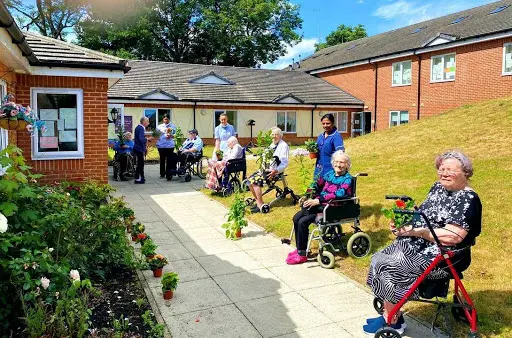
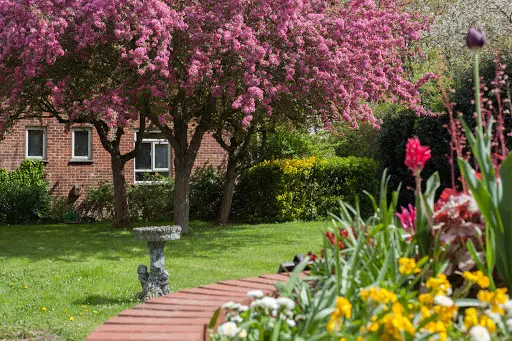
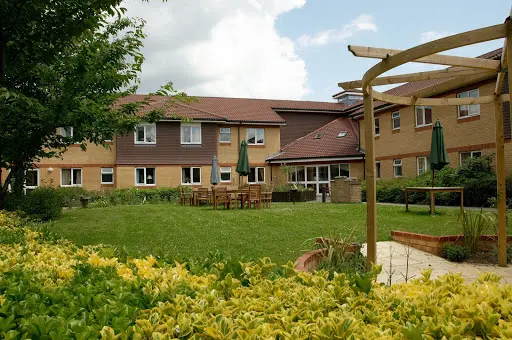
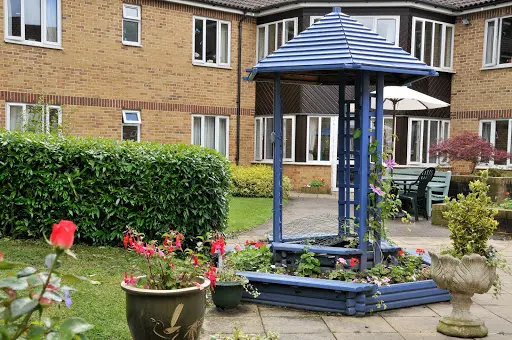
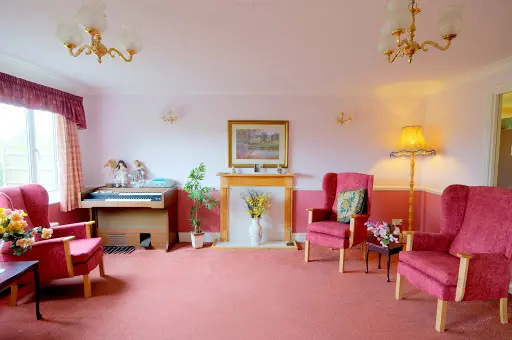
The home maintains clean, well-kept communal areas that visitors find pleasant and welcoming. Weekend live music events bring entertainment and variety to residents' routines. While there are outdoor spaces including a garden, some have noted these areas could benefit from more regular attention.
“Every family's care journey is different, and finding the right fit takes time and careful consideration.”
DCC does not edit or curate content in this tab. For independently curated information, see The Evidence and DCC Verdict.