The Grange Care Home

At a Glance
The information you need to decide whether this home warrants a closer look.
Residential homes
Staff warmth score
of reviewers answered yes
Good to know
- Registered beds35
- SpecialismsCaring for adults over 65 yrs, Dementia
- Last inspected2019-12-24
Save The Grange Care Home to your shortlist
Keep a running list, add visit notes, and compare homes side-by-side. Free account — it takes a minute.
STAGE 4 — RESEARCHING CARE HOMES
Visit homes. Compare them side by side. Choose with confidence.
Most of us will view care homes the way we view houses, impression, atmosphere, the feeling in the corridor. We go home, try to remember what we saw, and make a permanent decision from a blurred memory.

The DCC shortlist gives every home you visit a structured record: the same twelve questions, answered the same way, every time. When you’re ready to choose, pull any two homes side by side and compare them directly. Same criteria, same evidence, your notes and your scores.
The Evidence
What the review data, the inspection reports, and the dementia-care evidence base tell us about this home.
What families say
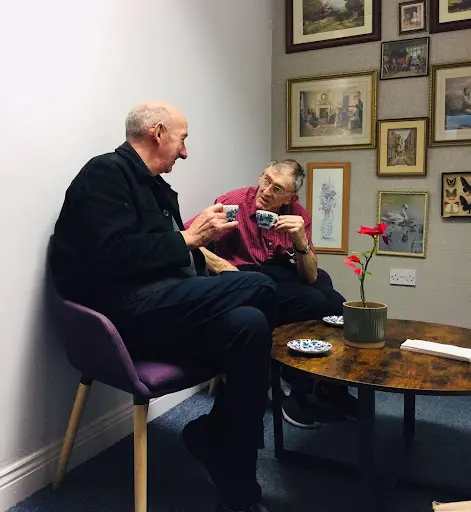
The warmth here comes through in the details families share — staff who remember how someone likes their tea, who know which armchair they prefer, who chat about the things that matter to each resident. People describe seeing their loved ones engaged in activities they actually enjoy, from gentle exercises to creative sessions that seem thoughtfully planned around what residents can and want to do.
The eight family priority themes
- Staff warmth55
- Compassion & dignity58
- Cleanliness55
- Activities & engagement50
- Food quality50
- Healthcare55
- Management & leadership42
- Resident happiness55
What inspectors found
Inspected 2019-12-24
Is this home safe?
Is the care effective?
Effective was rated Good at the November 2019 inspection. This domain covers training, care planning, healthcare access, nutrition, and assessment. A Good rating suggests inspectors found these areas broadly satisfactory. No specific findings are published: no mention of dementia training content, GP access arrangements, care plan review frequency, or dietary provisions. The home's dementia specialism means training quality is particularly important to scrutinise.Is this home caring?
Caring was rated Good at the November 2019 inspection. This domain covers staff warmth, dignity, respect, privacy, and independence. A Good rating here is a positive signal. However, no specific inspector observations, resident quotes, or family testimony appear in the published summary. There is no description of how staff interact with residents, how preferred names are used, or how the home supports independence for people living with dementia.Is the home responsive?
Responsive was rated Good at the November 2019 inspection. This domain covers activities, engagement, individualised care, and end-of-life planning. A Good rating suggests inspectors found the home was meeting individual needs adequately. No specific activities are described, no individual examples of tailored care are given, and end-of-life planning is not referenced in the published summary. For a dementia specialist home, the absence of activity detail is a notable gap.Is the home well-led?
Well-led was rated Requires Improvement at the November 2019 inspection, the only domain that did not reach Good. This is the domain that covers management visibility, governance, staff culture, accountability, and the home's ability to learn from incidents. The published summary names a registered manager and a nominated individual but gives no detail about what the Requires Improvement finding related to, what action was required, or what progress had been made. A monitoring review in July 2023 did not trigger a re-rating but was not a full reinspection.
Source: CQC inspection report →
What the evidence base says
The Grange provides residential care for people over 65, including those living with dementia. For residents with dementia, the home's approach to helping people settle seems particularly valuable. Families describe staff who understand how to work with confusion or resistance, building trust gradually and helping residents feel secure in their new surroundings. All areas worth probing directly during a visit.
The DCC Verdict
Our editorial view, built from the three lenses: what families tell us, what inspectors record, and how the home sits against good dementia-care practice.
DCC Family Score
The Grange scores in the mid-range, reflecting a home that improved from Requires Improvement to Good across four domains, but with leadership still rated Requires Improvement and an inspection report that contains very little specific observable detail to give families confidence.
Homes in South East typically score 68–82.The three-lens summary
What families tell us
The warmth here comes through in the details families share — staff who remember how someone likes their tea, who know which armchair they prefer, who chat about the things that matter to each resident. People describe seeing their loved ones engaged in activities they actually enjoy, from gentle exercises to creative sessions that seem thoughtfully planned around what residents can and want to do.
What inspectors have recorded
Families describe finding the management team approachable and experienced, with admission processes that feel straightforward rather than overwhelming. There's a pattern of good communication here — families mention being kept well-informed about care plans and daily life, with staff who seem genuinely invested in each resident's wellbeing.
How it sits against good practice
It's worth noting that while most families speak very positively about The Grange, there has been at least one concerning account about care standards that deserves attention when you visit.
Worth a visit
The Grange in Reading was rated Good at its last inspection in November 2019, an improvement from its previous Requires Improvement rating. Four domains, Safe, Effective, Caring, and Responsive, all reached Good. That upward trend is a positive signal, and the home specialises in dementia care for adults over 65 across its 35 beds. The significant caution here is twofold. First, the Well-led domain remains at Requires Improvement, meaning inspectors identified governance or leadership gaps that had not been resolved at the time of the inspection. Second, the published report contains almost no specific detail: no staff observations, no resident or family quotes, no activity descriptions, no staffing numbers. The inspection is now over five years old, which is a long time in care. A monitoring review in July 2023 found no reason to change the rating, but that review is not a full reinspection. Before making a decision, visit in person, ask to speak to the registered manager, and use the questions in this report to fill in the gaps the inspection text leaves open.
The three questions to ask when you visitSave this home. Compare it against your shortlist.
Let our analysis show you how The Grange Care Home measures up against the other homes you’re considering. Free account.
In Their Own Words
How The Grange Care Home describes itself — collected from its own website. DCC has not edited or independently verified the content in this tab.
Where caring staff help anxious residents find their confidence again
Compassionate Care in Reading at The Grange
When families describe how their initially resistant loved ones have settled and flourished at The Grange in Reading, you hear genuine relief in their words. This care home seems to have a knack for helping people through those difficult early days, with staff who take time to understand each resident as an individual. Families talk about seeing real contentment emerge where they'd worried none was possible.
Who they care for
The Grange provides residential care for people over 65, including those living with dementia.
For residents with dementia, the home's approach to helping people settle seems particularly valuable. Families describe staff who understand how to work with confusion or resistance, building trust gradually and helping residents feel secure in their new surroundings.
“It's worth noting that while most families speak very positively about The Grange, there has been at least one concerning account about care standards that deserves attention when you visit.”
DCC does not edit or curate content in this tab. For independently curated information, see The Evidence and DCC Verdict.
The DCC Verdict
Our editorial view, built from the three lenses: what families tell us, what inspectors record, and how the home sits against good dementia-care practice.
DCC Family Score
The Grange scores in the mid-range, reflecting a home that improved from Requires Improvement to Good across four domains, but with leadership still rated Requires Improvement and an inspection report that contains very little specific observable detail to give families confidence.
Homes in South East typically score 68–82.The three-lens summary
What families tell us
The warmth here comes through in the details families share — staff who remember how someone likes their tea, who know which armchair they prefer, who chat about the things that matter to each resident. People describe seeing their loved ones engaged in activities they actually enjoy, from gentle exercises to creative sessions that seem thoughtfully planned around what residents can and want to do.
What inspectors have recorded
Families describe finding the management team approachable and experienced, with admission processes that feel straightforward rather than overwhelming. There's a pattern of good communication here — families mention being kept well-informed about care plans and daily life, with staff who seem genuinely invested in each resident's wellbeing.
How it sits against good practice
It's worth noting that while most families speak very positively about The Grange, there has been at least one concerning account about care standards that deserves attention when you visit.
Worth a visit
The Grange in Reading was rated Good at its last inspection in November 2019, an improvement from its previous Requires Improvement rating. Four domains, Safe, Effective, Caring, and Responsive, all reached Good. That upward trend is a positive signal, and the home specialises in dementia care for adults over 65 across its 35 beds. The significant caution here is twofold. First, the Well-led domain remains at Requires Improvement, meaning inspectors identified governance or leadership gaps that had not been resolved at the time of the inspection. Second, the published report contains almost no specific detail: no staff observations, no resident or family quotes, no activity descriptions, no staffing numbers. The inspection is now over five years old, which is a long time in care. A monitoring review in July 2023 found no reason to change the rating, but that review is not a full reinspection. Before making a decision, visit in person, ask to speak to the registered manager, and use the questions in this report to fill in the gaps the inspection text leaves open.
The three questions to ask when you visitSave this home. Compare it against your shortlist.
Let our analysis show you how The Grange Care Home measures up against the other homes you’re considering. Free account.
In Their Own Words
How The Grange Care Home describes itself — collected from its own website. DCC has not edited or independently verified the content in this tab.
Where caring staff help anxious residents find their confidence again
Compassionate Care in Reading at The Grange
When families describe how their initially resistant loved ones have settled and flourished at The Grange in Reading, you hear genuine relief in their words. This care home seems to have a knack for helping people through those difficult early days, with staff who take time to understand each resident as an individual. Families talk about seeing real contentment emerge where they'd worried none was possible.
Who they care for
The Grange provides residential care for people over 65, including those living with dementia.
For residents with dementia, the home's approach to helping people settle seems particularly valuable. Families describe staff who understand how to work with confusion or resistance, building trust gradually and helping residents feel secure in their new surroundings.
Management & ethos
Families describe finding the management team approachable and experienced, with admission processes that feel straightforward rather than overwhelming. There's a pattern of good communication here — families mention being kept well-informed about care plans and daily life, with staff who seem genuinely invested in each resident's wellbeing.
The home & environment
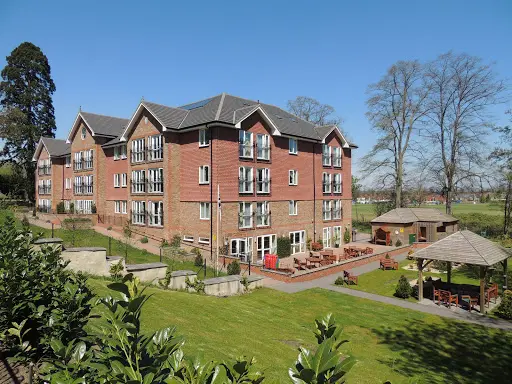
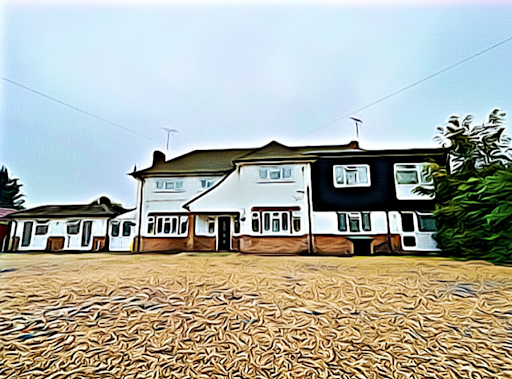
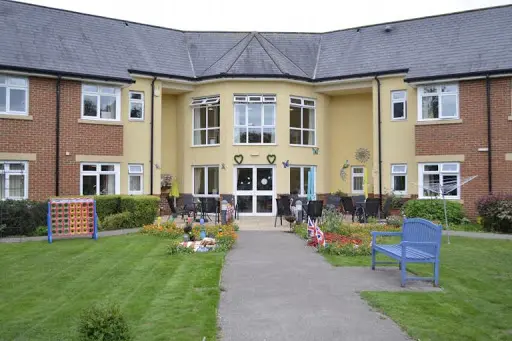
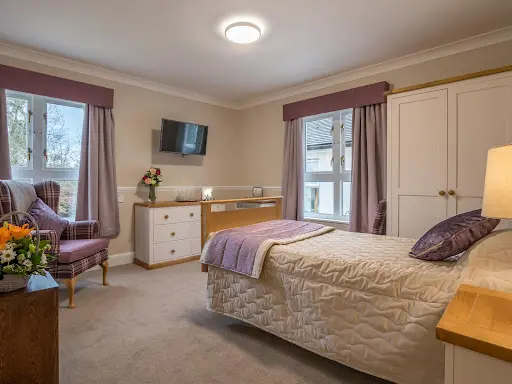
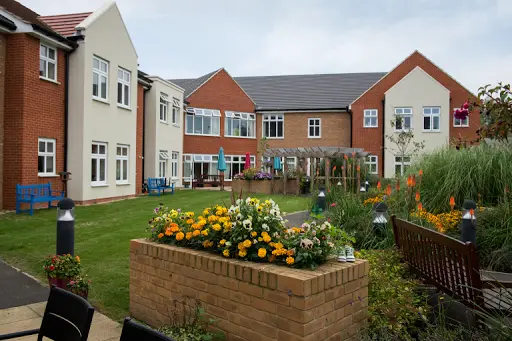
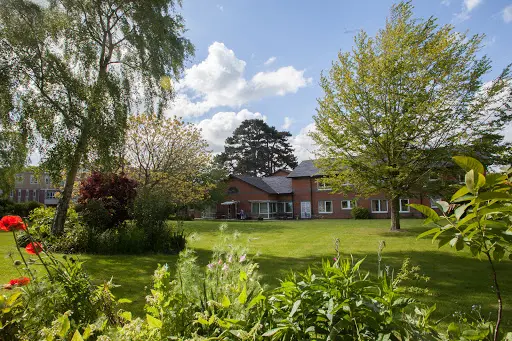
The gardens and outdoor spaces get regular mentions from visitors who appreciate seeing residents enjoying fresh air and pleasant surroundings. While the building itself might not be the newest, families seem to value the comfortable lounges and the way spaces are used to encourage social connection.
“It's worth noting that while most families speak very positively about The Grange, there has been at least one concerning account about care standards that deserves attention when you visit.”
DCC does not edit or curate content in this tab. For independently curated information, see The Evidence and DCC Verdict.