Chawley Grove Care Home
At a Glance
The information you need to decide whether this home warrants a closer look.
Nursing homes
Staff warmth score
of reviewers answered yes
Good to know
- Registered beds70
- SpecialismsCaring for adults over 65 yrs, Caring for adults under 65 yrs, Dementia, Physical disabilities
- Last inspected2021-05-27
Save Chawley Grove Care Home to your shortlist
Keep a running list, add visit notes, and compare homes side-by-side. Free account — it takes a minute.
STAGE 4 — RESEARCHING CARE HOMES
Visit homes. Compare them side by side. Choose with confidence.
Most of us will view care homes the way we view houses, impression, atmosphere, the feeling in the corridor. We go home, try to remember what we saw, and make a permanent decision from a blurred memory.

The DCC shortlist gives every home you visit a structured record: the same twelve questions, answered the same way, every time. When you’re ready to choose, pull any two homes side by side and compare them directly. Same criteria, same evidence, your notes and your scores.
The Evidence
What the review data, the inspection reports, and the dementia-care evidence base tell us about this home.
What families say
Visitors often comment on the genuine friendliness they encounter here. From entertainers to volunteers, people feel welcomed when they arrive. Residents seem engaged in activities, with animal therapy sessions and intergenerational programmes bringing different generations together.
The eight family priority themes
- Staff warmth70
- Compassion & dignity70
- Cleanliness70
- Activities & engagement65
- Food quality65
- Healthcare70
- Management & leadership70
- Resident happiness68
What inspectors found
Inspected 2021-05-27
Is this home safe?
Is the care effective?
The home received a Good rating for effectiveness at its April 2021 inspection. The published text does not describe specific findings about care planning, dementia training, GP access, or food quality. As a registered nursing home with a dementia specialism, the expectation is that qualified nurses oversee clinical care and that staff hold relevant dementia training. No concerns were raised about effectiveness in either the original inspection or the 2023 review. Specific evidence on how care plans are written, reviewed, or shared with families is not available from the published text.Is this home caring?
Chawley Grove was rated Good for caring at its April 2021 inspection. The published text includes no specific inspector observations about staff interactions, use of preferred names, response to distress, or the pace of care. No concerns were raised about dignity or respect. The July 2023 review did not identify any new information to suggest the caring rating should change. Without specific observations or resident and family testimony in the published report, it is not possible to describe the texture of day-to-day interactions from this source alone.Is the home responsive?
The home was rated Good for responsiveness at its April 2021 inspection. The published text does not describe the activities programme, individual engagement for people with advanced dementia, or how the home responds to complaints and feedback. No concerns about responsiveness were raised in either the inspection or the 2023 review. The home's registration for dementia and physical disability care implies it should be organised to meet a range of individual needs, but specific evidence of how it does so is not available from the published report.Is the home well-led?
Chawley Grove was rated Good for leadership at its April 2021 inspection. The Nominated Individual is named as Mr Aderio Rocha and the provider is Hamberley Care 2 Limited. The published text does not describe the registered manager's name, tenure, visibility, or the governance systems in place. No concerns about leadership were raised in the inspection or the 2023 review. Hamberley Care is a group provider operating multiple homes, which can mean strong central systems but can also mean pressure during periods of organisational growth.
Source: CQC inspection report →
What the evidence base says
The home cares for people with dementia, physical disabilities, and welcomes both younger adults under 65 and older residents. This mixed-age approach creates a varied community. Dementia care forms a core part of what they do here. The activities programme includes elements designed to engage people living with dementia, though families should ask detailed questions about individual care approaches. All areas worth probing directly during a visit.
The DCC Verdict
Our editorial view, built from the three lenses: what families tell us, what inspectors record, and how the home sits against good dementia-care practice.
DCC Family Score
Chawley Grove received a Good rating across all five inspection domains, but the published inspection text contains very limited specific detail, so most scores sit in the 65-70 range reflecting positive but general findings rather than rich, verified evidence.
Homes in South East typically score 68–82.The three-lens summary
What families tell us
Visitors often comment on the genuine friendliness they encounter here. From entertainers to volunteers, people feel welcomed when they arrive. Residents seem engaged in activities, with animal therapy sessions and intergenerational programmes bringing different generations together.
What inspectors have recorded
Staff generally come across as warm and professional in their interactions with visitors. External trainers have noted their enthusiasm during professional development sessions. However, one family has raised serious concerns about response times and basic care standards that contrast sharply with these positive observations.
How it sits against good practice
Understanding the full picture at Chawley Grove means looking beyond first impressions and asking the right questions during your visit.
Worth a visit
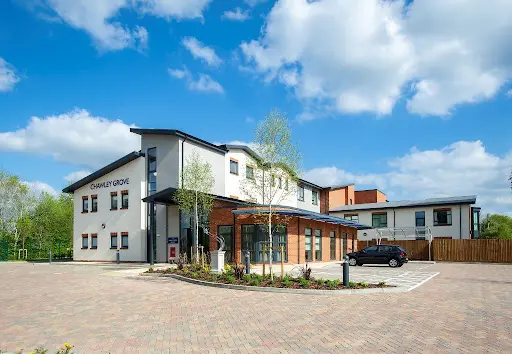
Chawley Grove, on Cumnor Hill in Oxford, was rated Good across all five inspection domains at its last inspection in April 2021. A subsequent desk-based review in July 2023 found no reason to change that rating. The home is a 70-bed nursing home registered to care for people with dementia, physical disabilities, and adults both over and under 65. A Good rating across every domain is a meaningful baseline and indicates that inspectors did not find significant concerns. The main limitation here is the published inspection text itself: it contains almost no specific observations, quotes, or detailed findings to help you assess the quality of day-to-day care. That means the Good rating is confirmed but cannot be interrogated from this report alone. The inspection was also carried out in April 2021, more than three years before this analysis, and staff, management, and culture can change considerably in that time. When you visit, ask to see last week's actual staffing rota (counting permanent versus agency names, especially on nights), request a copy of a care plan to understand how individual preferences are recorded, and spend time in a communal area watching how staff interact with your parent and the people who already live there.
The three questions to ask when you visitSave this home. Compare it against your shortlist.
Let our analysis show you how Chawley Grove Care Home measures up against the other homes you’re considering. Free account.
In Their Own Words
How Chawley Grove Care Home describes itself — collected from its own website. DCC has not edited or independently verified the content in this tab.
Where warmth meets worry in Oxford's dementia care landscape
Compassionate Care in Oxford at Chawley Grove
Chawley Grove in Oxford presents a complex picture that families considering dementia care need to understand. The care home welcomes residents with physical disabilities and those both under and over 65, creating a diverse community. Most visitors describe a warm, engaging environment, though one family's experience raises important questions about care standards.
Who they care for
The home cares for people with dementia, physical disabilities, and welcomes both younger adults under 65 and older residents. This mixed-age approach creates a varied community.
Dementia care forms a core part of what they do here. The activities programme includes elements designed to engage people living with dementia, though families should ask detailed questions about individual care approaches.
“Understanding the full picture at Chawley Grove means looking beyond first impressions and asking the right questions during your visit.”
DCC does not edit or curate content in this tab. For independently curated information, see The Evidence and DCC Verdict.
The DCC Verdict
Our editorial view, built from the three lenses: what families tell us, what inspectors record, and how the home sits against good dementia-care practice.
DCC Family Score
Chawley Grove received a Good rating across all five inspection domains, but the published inspection text contains very limited specific detail, so most scores sit in the 65-70 range reflecting positive but general findings rather than rich, verified evidence.
Homes in South East typically score 68–82.The three-lens summary
What families tell us
Visitors often comment on the genuine friendliness they encounter here. From entertainers to volunteers, people feel welcomed when they arrive. Residents seem engaged in activities, with animal therapy sessions and intergenerational programmes bringing different generations together.
What inspectors have recorded
Staff generally come across as warm and professional in their interactions with visitors. External trainers have noted their enthusiasm during professional development sessions. However, one family has raised serious concerns about response times and basic care standards that contrast sharply with these positive observations.
How it sits against good practice
Understanding the full picture at Chawley Grove means looking beyond first impressions and asking the right questions during your visit.
Worth a visit
Chawley Grove, on Cumnor Hill in Oxford, was rated Good across all five inspection domains at its last inspection in April 2021. A subsequent desk-based review in July 2023 found no reason to change that rating. The home is a 70-bed nursing home registered to care for people with dementia, physical disabilities, and adults both over and under 65. A Good rating across every domain is a meaningful baseline and indicates that inspectors did not find significant concerns. The main limitation here is the published inspection text itself: it contains almost no specific observations, quotes, or detailed findings to help you assess the quality of day-to-day care. That means the Good rating is confirmed but cannot be interrogated from this report alone. The inspection was also carried out in April 2021, more than three years before this analysis, and staff, management, and culture can change considerably in that time. When you visit, ask to see last week's actual staffing rota (counting permanent versus agency names, especially on nights), request a copy of a care plan to understand how individual preferences are recorded, and spend time in a communal area watching how staff interact with your parent and the people who already live there.
The three questions to ask when you visitSave this home. Compare it against your shortlist.
Let our analysis show you how Chawley Grove Care Home measures up against the other homes you’re considering. Free account.
In Their Own Words
How Chawley Grove Care Home describes itself — collected from its own website. DCC has not edited or independently verified the content in this tab.
Where warmth meets worry in Oxford's dementia care landscape
Compassionate Care in Oxford at Chawley Grove
Chawley Grove in Oxford presents a complex picture that families considering dementia care need to understand. The care home welcomes residents with physical disabilities and those both under and over 65, creating a diverse community. Most visitors describe a warm, engaging environment, though one family's experience raises important questions about care standards.
Who they care for
The home cares for people with dementia, physical disabilities, and welcomes both younger adults under 65 and older residents. This mixed-age approach creates a varied community.
Dementia care forms a core part of what they do here. The activities programme includes elements designed to engage people living with dementia, though families should ask detailed questions about individual care approaches.
Management & ethos
Staff generally come across as warm and professional in their interactions with visitors. External trainers have noted their enthusiasm during professional development sessions. However, one family has raised serious concerns about response times and basic care standards that contrast sharply with these positive observations.
The home & environment
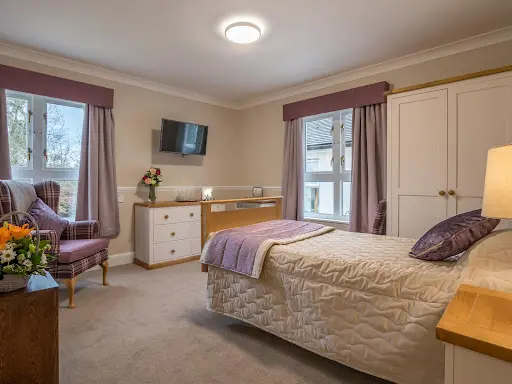
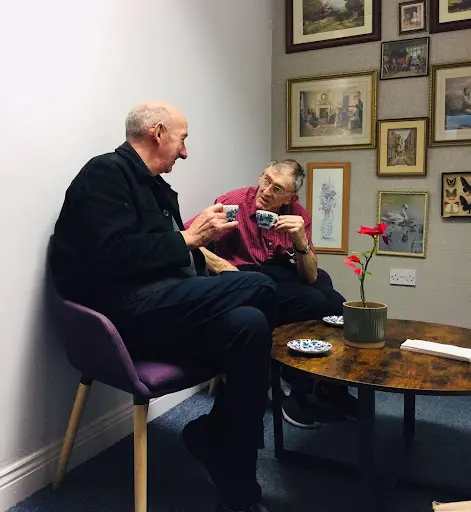
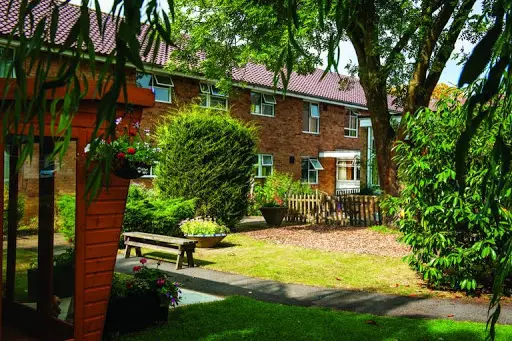
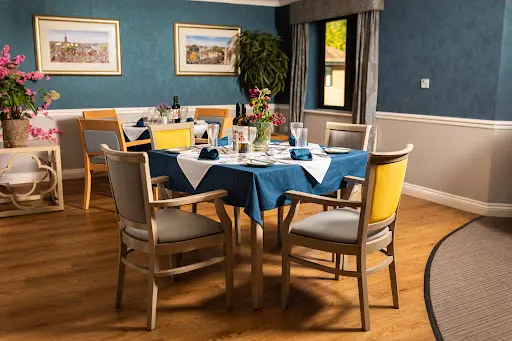
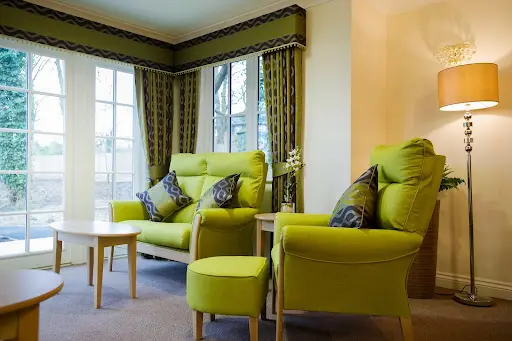
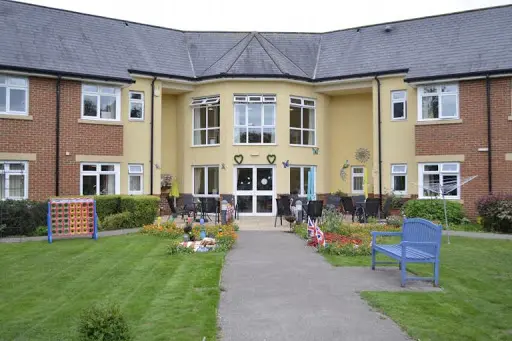
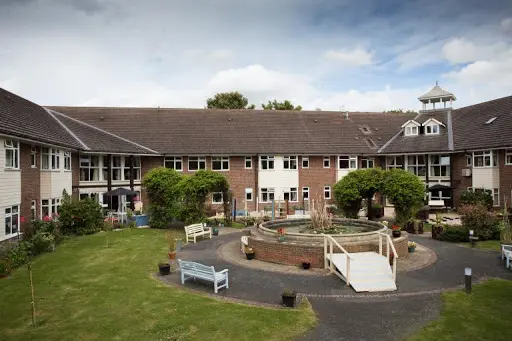
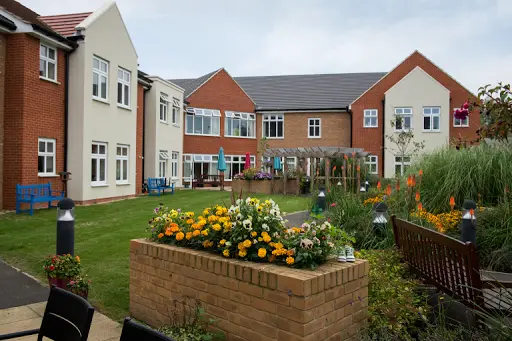
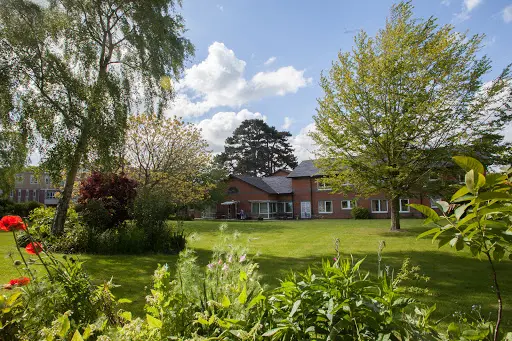
The building stays clean and well-maintained according to most who visit. There's a regular Wednesday coffee morning that brings families and the local community together. The environment supports various activities and social gatherings throughout the week.
“Understanding the full picture at Chawley Grove means looking beyond first impressions and asking the right questions during your visit.”
DCC does not edit or curate content in this tab. For independently curated information, see The Evidence and DCC Verdict.