Chapel House Care Ltd
At a Glance
The information you need to decide whether this home warrants a closer look.
Nursing homes
Staff warmth score
of reviewers answered yes
Good to know
- Registered beds35
- SpecialismsCaring for adults over 65 yrs, Dementia
- Last inspected2022-08-19
Save Chapel House Care Ltd to your shortlist
Keep a running list, add visit notes, and compare homes side-by-side. Free account — it takes a minute.
STAGE 4 — RESEARCHING CARE HOMES
Visit homes. Compare them side by side. Choose with confidence.
Most of us will view care homes the way we view houses, impression, atmosphere, the feeling in the corridor. We go home, try to remember what we saw, and make a permanent decision from a blurred memory.

The DCC shortlist gives every home you visit a structured record: the same twelve questions, answered the same way, every time. When you’re ready to choose, pull any two homes side by side and compare them directly. Same criteria, same evidence, your notes and your scores.
The Evidence
What the review data, the inspection reports, and the dementia-care evidence base tell us about this home.
What families say
Visitors have noticed how staff connect with residents here — taking time to chat, showing real warmth in their daily interactions. There's a sense of genuine care that comes through in the way the team works with families too.
The eight family priority themes
- Staff warmth55
- Compassion & dignity55
- Cleanliness55
- Activities & engagement50
- Food quality50
- Healthcare55
- Management & leadership38
- Resident happiness52
What inspectors found
Inspected 2022-08-19
Is this home safe?
Is the care effective?
Effective was rated Good. This domain covers training, care planning, healthcare access, and nutrition. The published summary provides no specific detail on dementia training content, how often care plans are reviewed, how GP visits are arranged, or what the food offer looks like. A Good rating indicates the standard was met, but no observations or testimony are recorded to illustrate how.Is this home caring?
Caring was rated Good. This domain covers staff warmth, dignity, respect, and how well staff treat residents as individuals. The published summary contains no inspector observations of staff interactions, no resident quotes, and no relative testimony. The Good rating indicates inspectors were broadly satisfied, but the evidence base in the public document is thin.Is the home responsive?
Responsive was rated Good. This domain covers activities, individual engagement, and end-of-life care. The published summary provides no detail on the activities programme, how one-to-one engagement is handled for residents who cannot join groups, or how end-of-life wishes are documented and respected. No activities coordinator is mentioned and no resident feedback on engagement is recorded.Is the home well-led?
Well-led was rated Requires Improvement at the July 2022 inspection. This is the only domain that did not achieve a Good or better rating. The published summary does not specify what the inspectors found to be lacking, which governance systems were inadequate, or what the manager was required to improve. The home was previously rated Outstanding overall, making this a significant step down. A monitoring review in July 2023 found no new evidence requiring a reassessment, but the Requires Improvement rating remains in place.
Source: CQC inspection report →
What the evidence base says
The Chapel House provides nursing care for adults over 65, with particular expertise in dementia support. For those living with dementia, the nursing team brings specialist knowledge to daily care. They understand the importance of maintaining routines and creating an environment that feels secure and familiar. All areas worth probing directly during a visit.
The DCC Verdict
Our editorial view, built from the three lenses: what families tell us, what inspectors record, and how the home sits against good dementia-care practice.
DCC Family Score
The home scores a modest 71, reflecting a Good rating across most areas but pulled down by a Requires Improvement finding in leadership. The published inspection report contains very limited specific detail, which means many scores reflect the rating grade rather than direct observations or testimony.
Homes in North West typically score 68–82.The three-lens summary
What families tell us
Visitors have noticed how staff connect with residents here — taking time to chat, showing real warmth in their daily interactions. There's a sense of genuine care that comes through in the way the team works with families too.
What inspectors have recorded
How it sits against good practice
Sometimes the right place reveals itself in small moments — the way staff pause for a conversation, or how clean and cared-for everything feels.
Worth a visit
The Chapel House Nursing Home in Neston was rated Good overall at its most recent inspection in July 2022, covering four of its five domains: Safe, Effective, Caring, and Responsive. However, Well-led was rated Requires Improvement, a notable step down from the home's previous Outstanding overall rating. The published inspection summary is brief and contains very little specific detail, which makes it difficult to paint a precise picture of day-to-day life for your parent. The decline from Outstanding to Good, combined with a Requires Improvement in leadership, is the main thing to probe on a visit. Ask the manager to explain what changed since the previous inspection and what has been done since July 2022 to address the leadership concerns. There is also a July 2023 monitoring review noted, where no new concerns were found, which is a small reassuring sign, but it does not replace a full re-inspection. The gap in publicly available detail means you will need to do more of your own fact-finding on this one: ask about staffing rotas, dementia training, night cover, and how families are kept informed.
The three questions to ask when you visitSave this home. Compare it against your shortlist.
Let our analysis show you how Chapel House Care Ltd measures up against the other homes you’re considering. Free account.
In Their Own Words
How Chapel House Care Ltd describes itself — collected from its own website. DCC has not edited or independently verified the content in this tab.
Where clinical expertise meets genuine warmth in Neston
Dedicated nursing home Support in Neston
Finding the right nursing home means looking for that balance between professional care and personal touch. The Chapel House Nursing Home in Neston brings both together, offering specialist dementia support alongside general nursing care for older adults. It's a place where clinical standards matter just as much as creating a comfortable environment.
Who they care for
The Chapel House provides nursing care for adults over 65, with particular expertise in dementia support.
For those living with dementia, the nursing team brings specialist knowledge to daily care. They understand the importance of maintaining routines and creating an environment that feels secure and familiar.
“Sometimes the right place reveals itself in small moments — the way staff pause for a conversation, or how clean and cared-for everything feels.”
DCC does not edit or curate content in this tab. For independently curated information, see The Evidence and DCC Verdict.
The DCC Verdict
Our editorial view, built from the three lenses: what families tell us, what inspectors record, and how the home sits against good dementia-care practice.
DCC Family Score
The home scores a modest 71, reflecting a Good rating across most areas but pulled down by a Requires Improvement finding in leadership. The published inspection report contains very limited specific detail, which means many scores reflect the rating grade rather than direct observations or testimony.
Homes in North West typically score 68–82.The three-lens summary
What families tell us
Visitors have noticed how staff connect with residents here — taking time to chat, showing real warmth in their daily interactions. There's a sense of genuine care that comes through in the way the team works with families too.
What inspectors have recorded
How it sits against good practice
Sometimes the right place reveals itself in small moments — the way staff pause for a conversation, or how clean and cared-for everything feels.
Worth a visit
The Chapel House Nursing Home in Neston was rated Good overall at its most recent inspection in July 2022, covering four of its five domains: Safe, Effective, Caring, and Responsive. However, Well-led was rated Requires Improvement, a notable step down from the home's previous Outstanding overall rating. The published inspection summary is brief and contains very little specific detail, which makes it difficult to paint a precise picture of day-to-day life for your parent. The decline from Outstanding to Good, combined with a Requires Improvement in leadership, is the main thing to probe on a visit. Ask the manager to explain what changed since the previous inspection and what has been done since July 2022 to address the leadership concerns. There is also a July 2023 monitoring review noted, where no new concerns were found, which is a small reassuring sign, but it does not replace a full re-inspection. The gap in publicly available detail means you will need to do more of your own fact-finding on this one: ask about staffing rotas, dementia training, night cover, and how families are kept informed.
The three questions to ask when you visitSave this home. Compare it against your shortlist.
Let our analysis show you how Chapel House Care Ltd measures up against the other homes you’re considering. Free account.
In Their Own Words
How Chapel House Care Ltd describes itself — collected from its own website. DCC has not edited or independently verified the content in this tab.
Where clinical expertise meets genuine warmth in Neston
Dedicated nursing home Support in Neston
Finding the right nursing home means looking for that balance between professional care and personal touch. The Chapel House Nursing Home in Neston brings both together, offering specialist dementia support alongside general nursing care for older adults. It's a place where clinical standards matter just as much as creating a comfortable environment.
Who they care for
The Chapel House provides nursing care for adults over 65, with particular expertise in dementia support.
For those living with dementia, the nursing team brings specialist knowledge to daily care. They understand the importance of maintaining routines and creating an environment that feels secure and familiar.
The home & environment
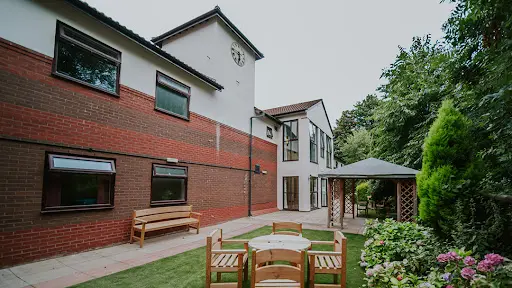
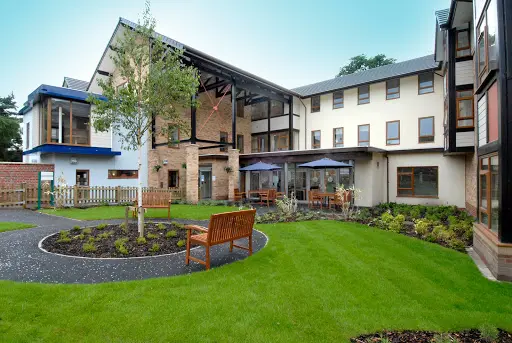
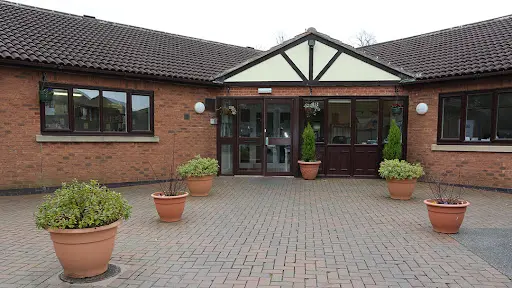
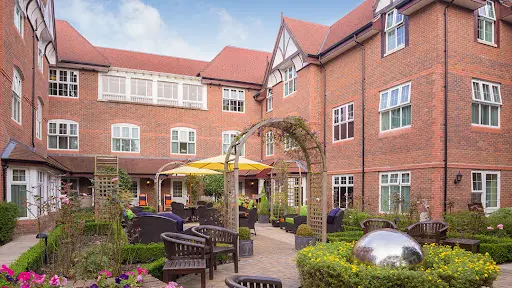
The home maintains high standards of cleanliness throughout, with attention paid to keeping spaces fresh and well-presented. The environment feels cared for, which helps create a more comfortable setting for residents.
“Sometimes the right place reveals itself in small moments — the way staff pause for a conversation, or how clean and cared-for everything feels.”
DCC does not edit or curate content in this tab. For independently curated information, see The Evidence and DCC Verdict.