Airedale Nursing Home

At a Glance
The information you need to decide whether this home warrants a closer look.
Nursing homes
Staff warmth score
of reviewers answered yes
Good to know
- Registered beds57
- SpecialismsCaring for adults over 65 yrs, Caring for adults under 65 yrs, Dementia, Physical disabilities, Sensory impairment
- Last inspected2019-11-05
Save Airedale Nursing Home to your shortlist
Keep a running list, add visit notes, and compare homes side-by-side. Free account — it takes a minute.
STAGE 4 — RESEARCHING CARE HOMES
Visit homes. Compare them side by side. Choose with confidence.
Most of us will view care homes the way we view houses, impression, atmosphere, the feeling in the corridor. We go home, try to remember what we saw, and make a permanent decision from a blurred memory.

The DCC shortlist gives every home you visit a structured record: the same twelve questions, answered the same way, every time. When you’re ready to choose, pull any two homes side by side and compare them directly. Same criteria, same evidence, your notes and your scores.
The Evidence
What the review data, the inspection reports, and the dementia-care evidence base tell us about this home.
What families say
Relatives describe walking into a calm, welcoming atmosphere that helps ease the transition into care. The home maintains regular family gatherings where relatives can connect with each other and staff. People mention how the team creates a supportive environment, particularly during end-of-life care, with families feeling genuinely welcomed during difficult visits.
The eight family priority themes
- Staff warmth55
- Compassion & dignity55
- Cleanliness55
- Activities & engagement50
- Food quality50
- Healthcare55
- Management & leadership60
- Resident happiness55
What inspectors found
Inspected 2019-11-05
Is this home safe?
Is the care effective?
The Effective domain was rated Good at the last inspection. This covers care planning, staff training, healthcare access, nutritional support, and how well the home works with external professionals such as GPs and community nurses. Dementia is a listed specialism, which means the home has told the regulator it is equipped to meet dementia-specific needs. No specific detail about training content, care plan quality, or food provision was published.Is this home caring?
The Caring domain was rated Good at the last inspection. This is the domain that covers how staff treat the people in their care: whether they are kind, whether they respect privacy and dignity, and whether they support independence. No direct observations of staff interactions, no quotes from residents or relatives, and no specific examples were published in the available inspection text. The Good rating tells us inspectors were satisfied; it does not show us what they saw.Is the home responsive?
The Responsive domain was rated Good at the last inspection. This covers how well the home tailors its care to individual needs, the activity programme, how complaints are handled, and end-of-life care planning. The home's registered specialisms include dementia and physical disabilities, indicating it is set up to respond to a range of needs. No detail about specific activities, individual engagement approaches, or complaint outcomes was published.Is the home well-led?
The Well-led domain was rated Good at the last inspection. Two registered managers are named in the record: Mrs Arlene Batiyeg Pajarillo and Miss Hannah Czarina Bering Yu, alongside a nominated individual, Dr Touraj Kamyar. The presence of two registered managers in a 57-bed home is relatively unusual and may indicate a shared or transitional leadership arrangement. No specific observations about management visibility, staff culture, or governance processes were published.
Source: CQC inspection report →
What the evidence base says
The home cares for adults both under and over 65 with physical disabilities and sensory impairments. They also support people living with dementia. For residents with dementia, the stable staff team means familiar faces who understand each person's routines and preferences. The calm atmosphere and consistent approach help create reassuring daily patterns. All areas worth probing directly during a visit.
The DCC Verdict
Our editorial view, built from the three lenses: what families tell us, what inspectors record, and how the home sits against good dementia-care practice.
DCC Family Score
Every domain was rated Good at the last inspection, which is a positive foundation, but the published report contains almost no specific observations, quotes, or detailed evidence to support those ratings. The score of 62 reflects the Good rating while being honest that families cannot yet see the detail behind it.
Homes in East typically score 68–82.The three-lens summary
What families tell us
Relatives describe walking into a calm, welcoming atmosphere that helps ease the transition into care. The home maintains regular family gatherings where relatives can connect with each other and staff. People mention how the team creates a supportive environment, particularly during end-of-life care, with families feeling genuinely welcomed during difficult visits.
What inspectors have recorded
Many of the staff have worked here for years, creating the kind of consistency families value. They're described as attentive to individual needs — whether that's helping someone join in activities or making sure dietary requirements are met. One family did report serious concerns about communication during bereavement, which stands apart from the otherwise positive experiences shared.
How it sits against good practice
If you're looking for nursing care in Bedford, visiting The Airedale could help you understand whether their approach feels right for your family.
Worth a visit
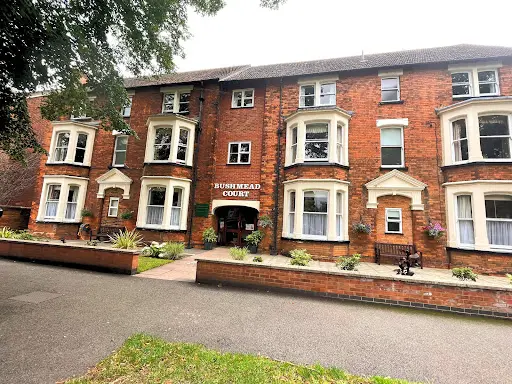
The Airedale Nursing Home at 44 Park Avenue, Bedford holds a Good rating across all five inspection domains, last assessed in November 2019 and reviewed again in July 2023 when no evidence was found to change that rating. The home is registered for 57 beds and lists dementia, physical disabilities, and sensory impairment among its specialisms, with two named registered managers accountable for the service. The main uncertainty here is that the published inspection findings contain almost no specific detail: no direct quotes from residents or relatives, no observations of staff interactions, no staffing ratios, and no examples of activities or care planning. A Good rating is meaningful, but it tells you the starting position, not the full picture. Before making a decision, visit the home at a quieter time such as mid-morning on a weekday, ask to see last week's actual staffing rota (not the template), and speak directly to a member of the permanent care team about how they support someone with your parent's specific needs.
The three questions to ask when you visitSave this home. Compare it against your shortlist.
Let our analysis show you how Airedale Nursing Home measures up against the other homes you’re considering. Free account.
In Their Own Words
How Airedale Nursing Home describes itself — collected from its own website. DCC has not edited or independently verified the content in this tab.
Where experienced staff create calm moments in difficult times
The Airedale Nursing Home – Your Trusted nursing home
When families need nursing care they can trust, many find their answer at The Airedale Nursing Home in Bedford. This established home has built its reputation on staff who stay for years, getting to know each resident properly. Families talk about the difference this makes — from remembering dietary preferences to understanding when someone needs extra reassurance.
Who they care for
The home cares for adults both under and over 65 with physical disabilities and sensory impairments. They also support people living with dementia.
For residents with dementia, the stable staff team means familiar faces who understand each person's routines and preferences. The calm atmosphere and consistent approach help create reassuring daily patterns.
“If you're looking for nursing care in Bedford, visiting The Airedale could help you understand whether their approach feels right for your family.”
DCC does not edit or curate content in this tab. For independently curated information, see The Evidence and DCC Verdict.
The DCC Verdict
Our editorial view, built from the three lenses: what families tell us, what inspectors record, and how the home sits against good dementia-care practice.
DCC Family Score
Every domain was rated Good at the last inspection, which is a positive foundation, but the published report contains almost no specific observations, quotes, or detailed evidence to support those ratings. The score of 62 reflects the Good rating while being honest that families cannot yet see the detail behind it.
Homes in East typically score 68–82.The three-lens summary
What families tell us
Relatives describe walking into a calm, welcoming atmosphere that helps ease the transition into care. The home maintains regular family gatherings where relatives can connect with each other and staff. People mention how the team creates a supportive environment, particularly during end-of-life care, with families feeling genuinely welcomed during difficult visits.
What inspectors have recorded
Many of the staff have worked here for years, creating the kind of consistency families value. They're described as attentive to individual needs — whether that's helping someone join in activities or making sure dietary requirements are met. One family did report serious concerns about communication during bereavement, which stands apart from the otherwise positive experiences shared.
How it sits against good practice
If you're looking for nursing care in Bedford, visiting The Airedale could help you understand whether their approach feels right for your family.
Worth a visit
The Airedale Nursing Home at 44 Park Avenue, Bedford holds a Good rating across all five inspection domains, last assessed in November 2019 and reviewed again in July 2023 when no evidence was found to change that rating. The home is registered for 57 beds and lists dementia, physical disabilities, and sensory impairment among its specialisms, with two named registered managers accountable for the service. The main uncertainty here is that the published inspection findings contain almost no specific detail: no direct quotes from residents or relatives, no observations of staff interactions, no staffing ratios, and no examples of activities or care planning. A Good rating is meaningful, but it tells you the starting position, not the full picture. Before making a decision, visit the home at a quieter time such as mid-morning on a weekday, ask to see last week's actual staffing rota (not the template), and speak directly to a member of the permanent care team about how they support someone with your parent's specific needs.
The three questions to ask when you visitSave this home. Compare it against your shortlist.
Let our analysis show you how Airedale Nursing Home measures up against the other homes you’re considering. Free account.
In Their Own Words
How Airedale Nursing Home describes itself — collected from its own website. DCC has not edited or independently verified the content in this tab.
Where experienced staff create calm moments in difficult times
The Airedale Nursing Home – Your Trusted nursing home
When families need nursing care they can trust, many find their answer at The Airedale Nursing Home in Bedford. This established home has built its reputation on staff who stay for years, getting to know each resident properly. Families talk about the difference this makes — from remembering dietary preferences to understanding when someone needs extra reassurance.
Who they care for
The home cares for adults both under and over 65 with physical disabilities and sensory impairments. They also support people living with dementia.
For residents with dementia, the stable staff team means familiar faces who understand each person's routines and preferences. The calm atmosphere and consistent approach help create reassuring daily patterns.
Management & ethos
Many of the staff have worked here for years, creating the kind of consistency families value. They're described as attentive to individual needs — whether that's helping someone join in activities or making sure dietary requirements are met. One family did report serious concerns about communication during bereavement, which stands apart from the otherwise positive experiences shared.
The home & environment
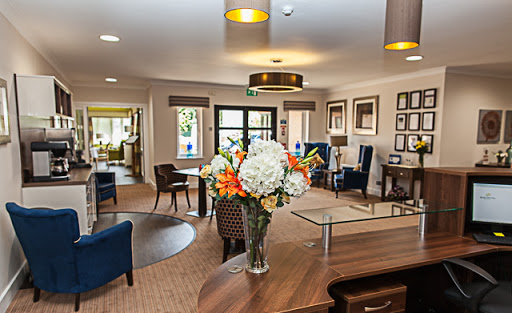
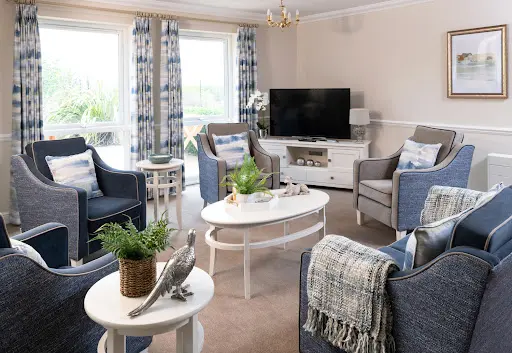
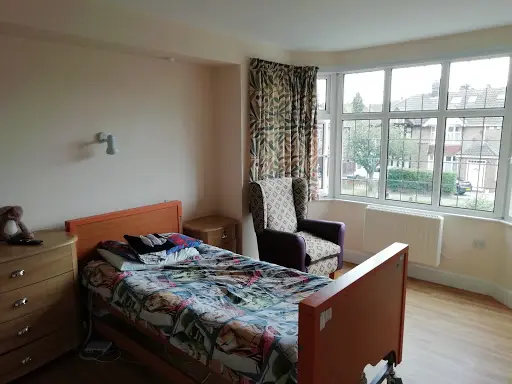
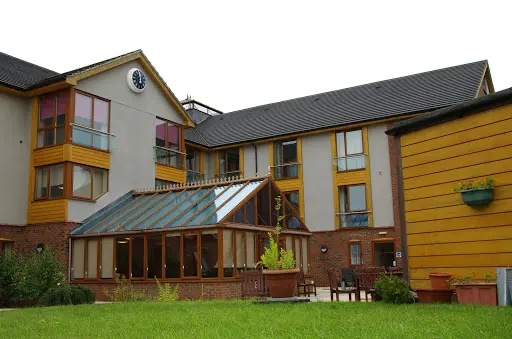
The home keeps its spaces clean and well-maintained, with good natural light throughout. There's a garden with seating areas where residents can enjoy fresh air, and families appreciate the accessible parking. The kitchen prepares varied meals with resident input, including halal options, and people consistently mention enjoying the food.
“If you're looking for nursing care in Bedford, visiting The Airedale could help you understand whether their approach feels right for your family.”
DCC does not edit or curate content in this tab. For independently curated information, see The Evidence and DCC Verdict.