Little Bramingham Farm, Luton Care Home – Friends of the Elderly
At a Glance
The information you need to decide whether this home warrants a closer look.
Residential homes
Staff warmth score
of reviewers answered yes
Good to know
- Registered beds26
- SpecialismsCaring for adults over 65 yrs, Dementia
- Last inspected2020-03-31
Save Little Bramingham Farm, Luton Care Home – Friends of the Elderly to your shortlist
Keep a running list, add visit notes, and compare homes side-by-side. Free account — it takes a minute.
STAGE 4 — RESEARCHING CARE HOMES
Visit homes. Compare them side by side. Choose with confidence.
Most of us will view care homes the way we view houses, impression, atmosphere, the feeling in the corridor. We go home, try to remember what we saw, and make a permanent decision from a blurred memory.

The DCC shortlist gives every home you visit a structured record: the same twelve questions, answered the same way, every time. When you’re ready to choose, pull any two homes side by side and compare them directly. Same criteria, same evidence, your notes and your scores.
The Evidence
What the review data, the inspection reports, and the dementia-care evidence base tell us about this home.
What families say
The eight family priority themes
- Staff warmth85
- Compassion & dignity88
- Cleanliness72
- Activities & engagement82
- Food quality65
- Healthcare68
- Management & leadership88
- Resident happiness82
What inspectors found
Inspected 2020-03-31
Is this home safe?
Is the care effective?
The Effective domain was rated Good at the February 2022 inspection. This covers how well staff are trained, how thoroughly care plans reflect what each person needs, how regularly the home engages with GPs and other health professionals, and whether food meets individual needs. The home's dementia specialism means inspectors will have considered whether staff training goes beyond basic qualifications. The published summary does not include specific detail on training content, care plan review frequency, or food quality.Is this home caring?
The Caring domain was rated Outstanding at the February 2022 inspection. This is the highest possible rating and requires inspectors to find specific, direct evidence that staff show genuine kindness, treat people with consistent dignity, and support independence in ways that go beyond what regulations require. The home's Outstanding Caring rating, combined with its dementia specialism, suggests inspectors observed something qualitatively different here from standard good practice. The published summary does not reproduce the specific examples inspectors recorded, but the rating itself carries evidential weight.Is the home responsive?
The Responsive domain was rated Outstanding at the February 2022 inspection. This covers how well the home tailors daily life to each person, whether activities are meaningful rather than generic, how well the home responds to complaints and concerns, and whether end-of-life wishes are documented and respected. An Outstanding rating here requires inspectors to find evidence that individuality is genuinely honoured, not just recorded. The published summary does not reproduce specific examples, but the rating was confirmed at a monitoring review in July 2023.Is the home well-led?
The Well-led domain was rated Outstanding at the February 2022 inspection. A named registered manager, Ms Cheryl Louise Rothschild, is recorded. The home is operated by Friends of the Elderly, an established care charity. An Outstanding well-led rating requires inspectors to find evidence of stable, visible leadership, a culture where staff feel able to speak up, robust governance systems, and a demonstrable commitment to continuous improvement. The July 2023 monitoring review did not identify any change of concern to the rating.
Source: CQC inspection report →
What the evidence base says
The home provides residential care for adults over 65, including those living with dementia. While the home accepts residents with dementia, families considering dementia care might want to visit to discuss specific approaches and see how the team supports residents with cognitive changes. All areas worth probing directly during a visit.
The DCC Verdict
Our editorial view, built from the three lenses: what families tell us, what inspectors record, and how the home sits against good dementia-care practice.
DCC Family Score
Little Bramingham Farm Residential Care Home achieved an Outstanding overall rating, with particularly strong evidence in caring, responsiveness, and leadership. Scores for cleanliness, food, and healthcare are more cautious because the published inspection text does not include specific detail on those areas.
Homes in East typically score 68–82.Worth a visit
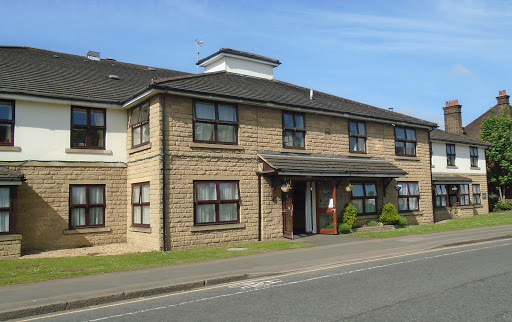
Little Bramingham Farm Residential Care Home, on Leamington Road in Luton, was rated Outstanding at its last full inspection in February 2022, having previously been rated Good. That improvement in rating means inspectors found a genuine step up in quality, not just maintenance of the status quo. Three domains, Caring, Responsive, and Well-led, each achieved Outstanding, which is rare and requires direct inspector evidence rather than general compliance. The home, run by Friends of the Elderly with a named registered manager in post, specialises in dementia care and has 26 beds. The main limitation for families reading this report is that the published inspection summary is brief. Specific detail on food quality, night staffing ratios, agency use, cleanliness, and dementia-specific environmental features is not recorded in the available text. The Outstanding ratings are genuinely meaningful, but before you decide, visit in person and ask the manager to walk you through last week's actual staffing rota, what the activity programme looks like on a quiet Tuesday, and how the team would support your parent if they became very distressed.
The three questions to ask when you visitSave this home. Compare it against your shortlist.
Let our analysis show you how Little Bramingham Farm, Luton Care Home – Friends of the Elderly measures up against the other homes you’re considering. Free account.
In Their Own Words
How Little Bramingham Farm, Luton Care Home – Friends of the Elderly describes itself — collected from its own website. DCC has not edited or independently verified the content in this tab.
Where residents chat over tea and families feel genuinely welcome
Little Bramingham Farm Residential Care Home – Your Trusted residential home
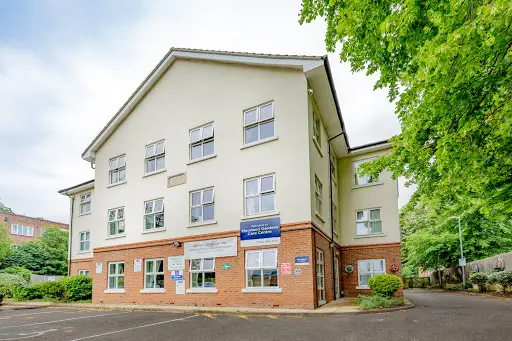
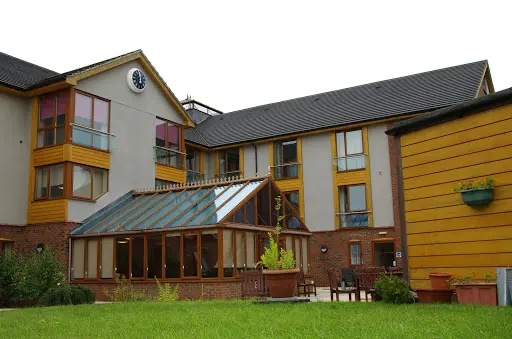
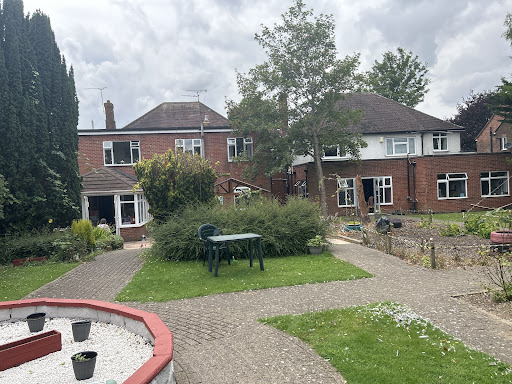
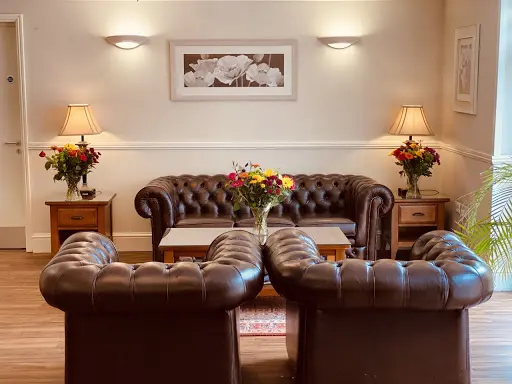
When families visit Little Bramingham Farm Residential Care Home in east Luton, they often find their relatives enjoying activities in the garden or chatting with friends in the tea room. This care home has created a relaxed environment where residents settle in quickly and families stay connected through regular updates and open communication.
Who they care for
The home provides residential care for adults over 65, including those living with dementia.
While the home accepts residents with dementia, families considering dementia care might want to visit to discuss specific approaches and see how the team supports residents with cognitive changes.
“Many families find that visiting during an activity session gives them a real sense of daily life here.”
DCC does not edit or curate content in this tab. For independently curated information, see The Evidence and DCC Verdict.
The DCC Verdict
Our editorial view, built from the three lenses: what families tell us, what inspectors record, and how the home sits against good dementia-care practice.
DCC Family Score
Little Bramingham Farm Residential Care Home achieved an Outstanding overall rating, with particularly strong evidence in caring, responsiveness, and leadership. Scores for cleanliness, food, and healthcare are more cautious because the published inspection text does not include specific detail on those areas.
Homes in East typically score 68–82.Worth a visit
Little Bramingham Farm Residential Care Home, on Leamington Road in Luton, was rated Outstanding at its last full inspection in February 2022, having previously been rated Good. That improvement in rating means inspectors found a genuine step up in quality, not just maintenance of the status quo. Three domains, Caring, Responsive, and Well-led, each achieved Outstanding, which is rare and requires direct inspector evidence rather than general compliance. The home, run by Friends of the Elderly with a named registered manager in post, specialises in dementia care and has 26 beds. The main limitation for families reading this report is that the published inspection summary is brief. Specific detail on food quality, night staffing ratios, agency use, cleanliness, and dementia-specific environmental features is not recorded in the available text. The Outstanding ratings are genuinely meaningful, but before you decide, visit in person and ask the manager to walk you through last week's actual staffing rota, what the activity programme looks like on a quiet Tuesday, and how the team would support your parent if they became very distressed.
The three questions to ask when you visitSave this home. Compare it against your shortlist.
Let our analysis show you how Little Bramingham Farm, Luton Care Home – Friends of the Elderly measures up against the other homes you’re considering. Free account.
In Their Own Words
How Little Bramingham Farm, Luton Care Home – Friends of the Elderly describes itself — collected from its own website. DCC has not edited or independently verified the content in this tab.
Where residents chat over tea and families feel genuinely welcome
Little Bramingham Farm Residential Care Home – Your Trusted residential home
When families visit Little Bramingham Farm Residential Care Home in east Luton, they often find their relatives enjoying activities in the garden or chatting with friends in the tea room. This care home has created a relaxed environment where residents settle in quickly and families stay connected through regular updates and open communication.
Who they care for
The home provides residential care for adults over 65, including those living with dementia.
While the home accepts residents with dementia, families considering dementia care might want to visit to discuss specific approaches and see how the team supports residents with cognitive changes.
“Many families find that visiting during an activity session gives them a real sense of daily life here.”
DCC does not edit or curate content in this tab. For independently curated information, see The Evidence and DCC Verdict.