New Meppershall Care Home | Nursing Home Bedfordshire

At a Glance
The information you need to decide whether this home warrants a closer look.
Nursing homes
Staff warmth score
of reviewers answered yes
Good to know
- Registered beds81
- SpecialismsCaring for adults over 65 yrs, Caring for adults under 65 yrs, Dementia, Physical disabilities, Sensory impairment
- Last inspected2022-05-26
Save New Meppershall Care Home | Nursing Home Bedfordshire to your shortlist
Keep a running list, add visit notes, and compare homes side-by-side. Free account — it takes a minute.
STAGE 4 — RESEARCHING CARE HOMES
Visit homes. Compare them side by side. Choose with confidence.
Most of us will view care homes the way we view houses, impression, atmosphere, the feeling in the corridor. We go home, try to remember what we saw, and make a permanent decision from a blurred memory.

The DCC shortlist gives every home you visit a structured record: the same twelve questions, answered the same way, every time. When you’re ready to choose, pull any two homes side by side and compare them directly. Same criteria, same evidence, your notes and your scores.
The Evidence
What the review data, the inspection reports, and the dementia-care evidence base tell us about this home.
What families say
Families describe the dedicated dementia unit as comfortable and well-maintained, with residents appearing settled in their surroundings. When present, individual carers show genuine warmth and compassion, engaging positively with residents. The home organises outings and activities for those who are able to participate, and some families have observed their relatives responding well to the social atmosphere.
The eight family priority themes
- Staff warmth72
- Compassion & dignity72
- Cleanliness72
- Activities & engagement68
- Food quality68
- Healthcare72
- Management & leadership75
- Resident happiness70
What inspectors found
Inspected 2022-05-26
Is this home safe?
Is the care effective?
The April 2025 inspection rated this domain Good. The home is registered to provide treatment of disease, disorder, and injury alongside personal care, suggesting clinical oversight is in place. The published findings do not record specific detail on care plan quality, GP access, dementia training content, or how food and nutrition are managed. The home's specialism in dementia, physical disabilities, and sensory impairment is registered but not described in depth in the published report.Is this home caring?
The April 2025 inspection rated this domain Good. The published findings do not record specific inspector observations of staff interactions, quotes from residents or relatives about how they are treated, or evidence of how dignity and privacy are maintained in practice. The Good rating indicates inspectors were satisfied, but the absence of specifics in the published report means you cannot verify the quality of day-to-day interactions from the written findings alone.Is the home responsive?
The April 2025 inspection rated this domain Good. The home is registered with specialisms covering dementia, physical disabilities, and sensory impairment, suggesting it is designed to meet a range of individual needs. The published findings do not record specific detail on the activity programme, one-to-one engagement, how individual preferences are identified, or how complaints are handled. The Good rating indicates the inspector was satisfied that the home responds to residents as individuals.Is the home well-led?
The April 2025 inspection rated this domain Good. The home has two named registered managers (Mrs Joan Ava Sanchez Agcaoili and Miss Viviana Alina Budai) and a nominated individual (Mr Robert Andrew) in place. The improvement from Requires Improvement to Good across all domains suggests the management team has made meaningful changes since the previous inspection. The published findings do not record specific detail on management visibility, staff culture, governance processes, or how the home handles complaints and incidents.
Source: CQC inspection report →
What the evidence base says
The home accepts residents with dementia, physical disabilities and sensory impairments. They support both younger adults under 65 and older residents, providing specialist accommodation designed for different care needs. The dedicated dementia unit provides specialist accommodation designed for residents living with the condition. Some long-term families report their relatives have settled well in this environment, though experiences vary considerably depending on staffing levels and individual care needs. All areas worth probing directly during a visit.
The DCC Verdict
Our editorial view, built from the three lenses: what families tell us, what inspectors record, and how the home sits against good dementia-care practice.
DCC Family Score
New Meppershall Care Home has improved from Requires Improvement to Good across all five inspection domains, which is an encouraging sign of progress. However, the published report contains very limited specific detail, so most scores reflect a solid baseline Good rating rather than the higher-confidence evidence that would push them above 75.
Homes in East typically score 68–82.The three-lens summary
What families tell us
Families describe the dedicated dementia unit as comfortable and well-maintained, with residents appearing settled in their surroundings. When present, individual carers show genuine warmth and compassion, engaging positively with residents. The home organises outings and activities for those who are able to participate, and some families have observed their relatives responding well to the social atmosphere.
What inspectors have recorded
Care quality appears to depend heavily on which staff members are on duty, with some carers demonstrating real skill and compassion while others fall short of basic professional standards. Families have raised serious concerns about call bell response times, with multiple reports of alarms going unanswered for extended periods. Some families have documented concerning lapses in clinical care, medication management and safeguarding practices that suggest the need for significant improvement in staff training and oversight.
How it sits against good practice
Families considering this home should visit at different times of day to get a fuller picture of care standards and staffing consistency.
Worth a visit
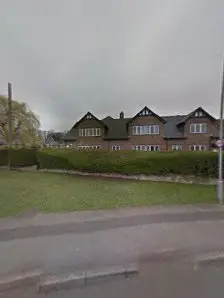
New Meppershall Care Home, at 79 Shefford Road in Meppershall, was assessed in April 2025 and rated Good across all five domains: Safe, Effective, Caring, Responsive, and Well-led. This is a meaningful improvement from a previous Requires Improvement rating, which tells you that the home recognised it had problems and took steps to address them. The home is registered to provide nursing care and has specialisms in dementia, physical disabilities, and sensory impairment, serving up to 81 people across age groups. The main limitation of this report is that the published inspection findings contain very little specific detail beyond the ratings themselves. There are no direct quotes from residents or relatives, no inspector observations of staff interactions, and no specifics on staffing ratios, food, activities, or the environment. This is not a concern about the home's quality, but it does mean you should use a visit to gather the evidence the published report does not provide. On your visit, ask to see last week's actual staffing rota (not the template), watch how staff interact with residents in corridors and at mealtimes, and ask specifically how many nurses and carers are on duty overnight for 81 beds.
The three questions to ask when you visitSave this home. Compare it against your shortlist.
Let our analysis show you how New Meppershall Care Home | Nursing Home Bedfordshire measures up against the other homes you’re considering. Free account.
In Their Own Words
How New Meppershall Care Home | Nursing Home Bedfordshire describes itself — collected from its own website. DCC has not edited or independently verified the content in this tab.
Specialist dementia care in comfortable Meppershall setting with dedicated unit
Compassionate Care in Meppershall at New Meppershall Care Home
For families seeking dementia care in Meppershall, this home offers a dedicated unit with comfortable accommodation and a pleasant environment. The home specialises in supporting residents with dementia, physical disabilities and sensory impairments, welcoming both younger and older adults. While the physical surroundings and food quality receive consistent praise, families should note that care standards have varied significantly, with some concerning reports about response times and clinical care that merit careful consideration.
Who they care for
The home accepts residents with dementia, physical disabilities and sensory impairments. They support both younger adults under 65 and older residents, providing specialist accommodation designed for different care needs.
The dedicated dementia unit provides specialist accommodation designed for residents living with the condition. Some long-term families report their relatives have settled well in this environment, though experiences vary considerably depending on staffing levels and individual care needs.
“Families considering this home should visit at different times of day to get a fuller picture of care standards and staffing consistency.”
DCC does not edit or curate content in this tab. For independently curated information, see The Evidence and DCC Verdict.
The DCC Verdict
Our editorial view, built from the three lenses: what families tell us, what inspectors record, and how the home sits against good dementia-care practice.
DCC Family Score
New Meppershall Care Home has improved from Requires Improvement to Good across all five inspection domains, which is an encouraging sign of progress. However, the published report contains very limited specific detail, so most scores reflect a solid baseline Good rating rather than the higher-confidence evidence that would push them above 75.
Homes in East typically score 68–82.The three-lens summary
What families tell us
Families describe the dedicated dementia unit as comfortable and well-maintained, with residents appearing settled in their surroundings. When present, individual carers show genuine warmth and compassion, engaging positively with residents. The home organises outings and activities for those who are able to participate, and some families have observed their relatives responding well to the social atmosphere.
What inspectors have recorded
Care quality appears to depend heavily on which staff members are on duty, with some carers demonstrating real skill and compassion while others fall short of basic professional standards. Families have raised serious concerns about call bell response times, with multiple reports of alarms going unanswered for extended periods. Some families have documented concerning lapses in clinical care, medication management and safeguarding practices that suggest the need for significant improvement in staff training and oversight.
How it sits against good practice
Families considering this home should visit at different times of day to get a fuller picture of care standards and staffing consistency.
Worth a visit
New Meppershall Care Home, at 79 Shefford Road in Meppershall, was assessed in April 2025 and rated Good across all five domains: Safe, Effective, Caring, Responsive, and Well-led. This is a meaningful improvement from a previous Requires Improvement rating, which tells you that the home recognised it had problems and took steps to address them. The home is registered to provide nursing care and has specialisms in dementia, physical disabilities, and sensory impairment, serving up to 81 people across age groups. The main limitation of this report is that the published inspection findings contain very little specific detail beyond the ratings themselves. There are no direct quotes from residents or relatives, no inspector observations of staff interactions, and no specifics on staffing ratios, food, activities, or the environment. This is not a concern about the home's quality, but it does mean you should use a visit to gather the evidence the published report does not provide. On your visit, ask to see last week's actual staffing rota (not the template), watch how staff interact with residents in corridors and at mealtimes, and ask specifically how many nurses and carers are on duty overnight for 81 beds.
The three questions to ask when you visitSave this home. Compare it against your shortlist.
Let our analysis show you how New Meppershall Care Home | Nursing Home Bedfordshire measures up against the other homes you’re considering. Free account.
In Their Own Words
How New Meppershall Care Home | Nursing Home Bedfordshire describes itself — collected from its own website. DCC has not edited or independently verified the content in this tab.
Specialist dementia care in comfortable Meppershall setting with dedicated unit
Compassionate Care in Meppershall at New Meppershall Care Home
For families seeking dementia care in Meppershall, this home offers a dedicated unit with comfortable accommodation and a pleasant environment. The home specialises in supporting residents with dementia, physical disabilities and sensory impairments, welcoming both younger and older adults. While the physical surroundings and food quality receive consistent praise, families should note that care standards have varied significantly, with some concerning reports about response times and clinical care that merit careful consideration.
Who they care for
The home accepts residents with dementia, physical disabilities and sensory impairments. They support both younger adults under 65 and older residents, providing specialist accommodation designed for different care needs.
The dedicated dementia unit provides specialist accommodation designed for residents living with the condition. Some long-term families report their relatives have settled well in this environment, though experiences vary considerably depending on staffing levels and individual care needs.
Management & ethos
Care quality appears to depend heavily on which staff members are on duty, with some carers demonstrating real skill and compassion while others fall short of basic professional standards. Families have raised serious concerns about call bell response times, with multiple reports of alarms going unanswered for extended periods. Some families have documented concerning lapses in clinical care, medication management and safeguarding practices that suggest the need for significant improvement in staff training and oversight.
The home & environment
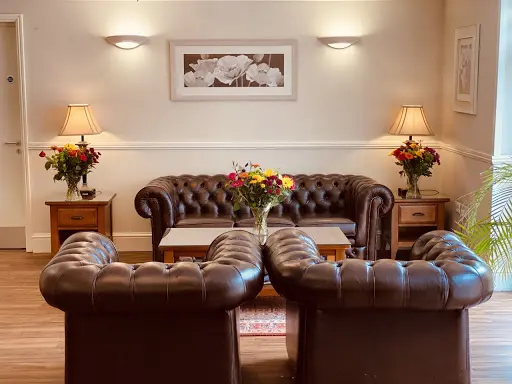
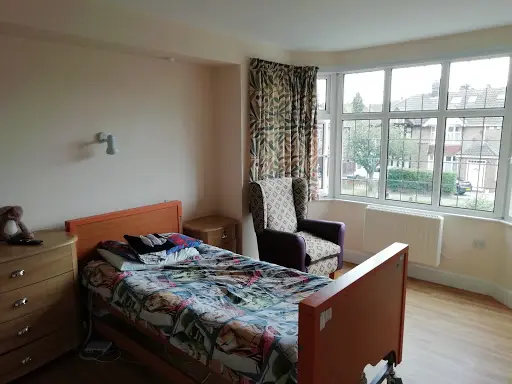
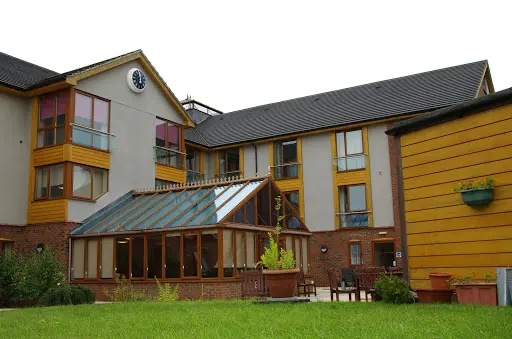
The dining experience consistently draws positive comments, with families noting good-quality meals that residents enjoy. The home maintains clean, pleasant décor throughout, and the specialist sensory facilities appear well-suited to their purpose. Families appreciate the comfortable accommodation and the effort put into creating a welcoming physical environment.
“Families considering this home should visit at different times of day to get a fuller picture of care standards and staffing consistency.”
DCC does not edit or curate content in this tab. For independently curated information, see The Evidence and DCC Verdict.