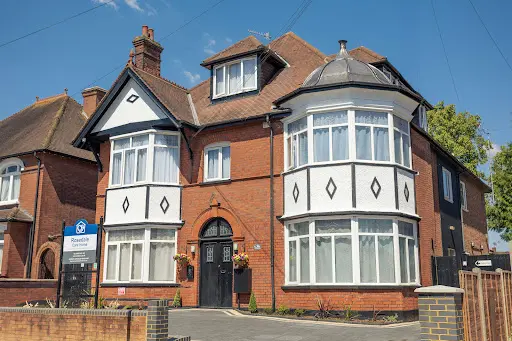
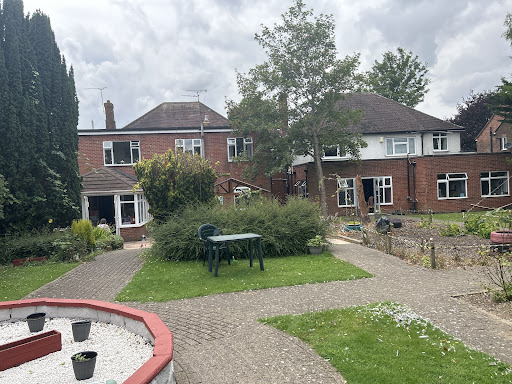
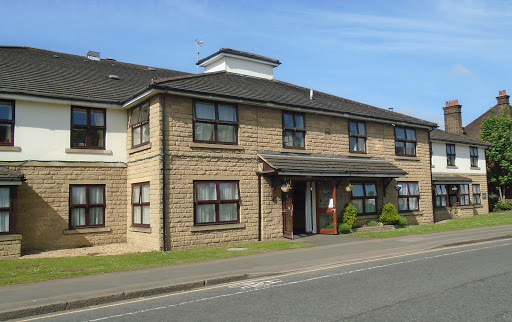
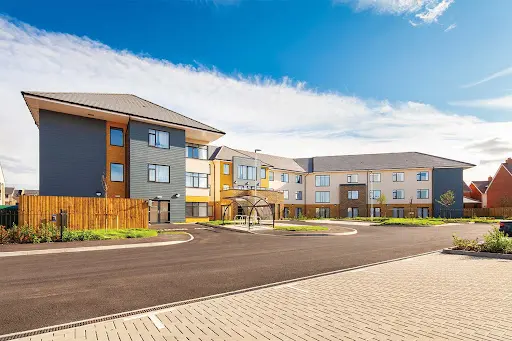
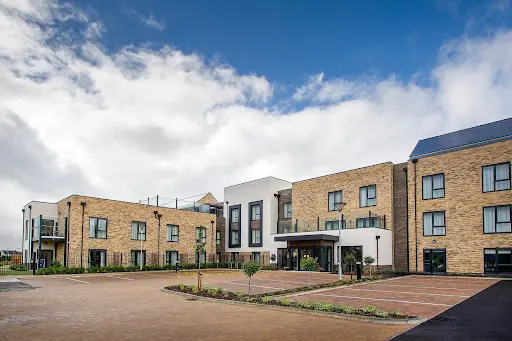
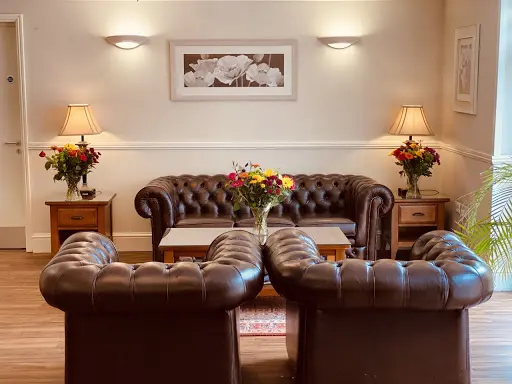
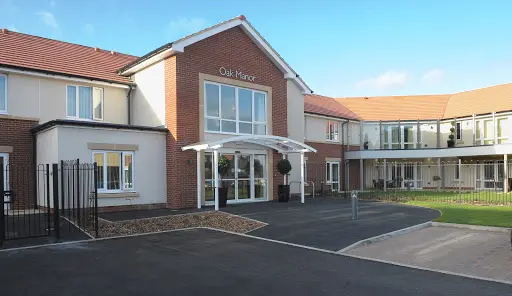
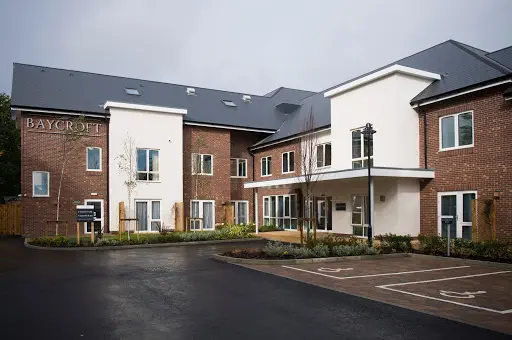
Capwell Grange Care Home

At a Glance
The information you need to decide whether this home warrants a closer look.
Nursing homes
Staff warmth score
of reviewers answered yes
Good to know
- Registered beds146
- SpecialismsCaring for adults over 65 yrs, Caring for adults under 65 yrs, Dementia, Learning disabilities, Mental health conditions, Physical disabilities
- Last inspected2021-06-16
Save Capwell Grange Care Home to your shortlist
Keep a running list, add visit notes, and compare homes side-by-side. Free account — it takes a minute.
STAGE 4 — RESEARCHING CARE HOMES
Visit homes. Compare them side by side. Choose with confidence.
Most of us will view care homes the way we view houses, impression, atmosphere, the feeling in the corridor. We go home, try to remember what we saw, and make a permanent decision from a blurred memory.

The DCC shortlist gives every home you visit a structured record: the same twelve questions, answered the same way, every time. When you’re ready to choose, pull any two homes side by side and compare them directly. Same criteria, same evidence, your notes and your scores.
The Evidence
What the review data, the inspection reports, and the dementia-care evidence base tell us about this home.
What families say
Families have seen the home support their loved ones through rehabilitation after health setbacks, with physiotherapy teams helping residents regain mobility and independence. Some day staff members have shown real dedication in solving problems and providing compassionate care during difficult times.
The eight family priority themes
- Staff warmth55
- Compassion & dignity58
- Cleanliness60
- Activities & engagement50
- Food quality50
- Healthcare60
- Management & leadership42
- Resident happiness55
What inspectors found
Inspected 2021-06-16
Is this home safe?
Is the care effective?
Inspectors rated Effectiveness as Good at the May 2021 inspection. This domain covers training, care plans, healthcare access, and food. The home's listed specialisms include dementia, learning disabilities, and mental health conditions, which means staff should be trained across a wide range of needs. No specific detail about care plan quality, GP access, or food provision is recorded in the published summary. The Good rating indicates the basic standard was met.Is this home caring?
Inspectors rated Caring as Good at the May 2021 inspection. This domain covers staff warmth, dignity, respect, and independence. A Good rating here means inspectors were satisfied with the quality of interactions they observed or heard about. The published summary does not include specific quotes from residents or relatives, or particular observations about how staff behaved with the people living in the home. The improvement from Inadequate makes this rating more meaningful than if it had always been Good.Is the home responsive?
Inspectors rated Responsiveness as Good at the May 2021 inspection. This domain covers activities, engagement, individuality, and end-of-life care. The home's wide range of specialisms, covering dementia, learning disabilities, mental health conditions, and physical disabilities, means it needs to be able to respond to very different individual needs across a large 146-bed building. No specific detail about the activities programme, individual engagement, or end-of-life planning is recorded in the published summary.Is the home well-led?
Inspectors rated Well-led as Requires Improvement at the May 2021 inspection, making it the only domain not to achieve a Good rating. A registered manager was in post at the time of inspection. The home is operated by HC-One No.1 Limited, a large national provider. The Requires Improvement rating means inspectors found identifiable shortcomings in leadership, governance, or culture that needed addressing. The published summary does not specify what those shortcomings were. This rating is particularly significant given that the home had previously been rated Inadequate overall.
Source: CQC inspection report →
What the evidence base says
The team at Capwell Grange supports adults under 65 with learning disabilities, mental health conditions and physical disabilities. They also care for older residents, including those living with dementia. Staff work with residents living with dementia, providing specialist care as part of their wider support for older adults with complex needs. All areas worth probing directly during a visit.
The DCC Verdict
Our editorial view, built from the three lenses: what families tell us, what inspectors record, and how the home sits against good dementia-care practice.
DCC Family Score
Capwell Grange Care Home scores 68 out of 100, reflecting a meaningful improvement from a previous Inadequate rating to a broadly Good inspection outcome, but the Requires Improvement rating for leadership introduces real uncertainty about how consistently that improvement is being sustained.
Homes in East typically score 68–82.The three-lens summary
What families tell us
Families have seen the home support their loved ones through rehabilitation after health setbacks, with physiotherapy teams helping residents regain mobility and independence. Some day staff members have shown real dedication in solving problems and providing compassionate care during difficult times.
What inspectors have recorded
How it sits against good practice
Families considering Capwell Grange will want to visit and discuss their loved one's specific care needs with the team.
Worth a visit
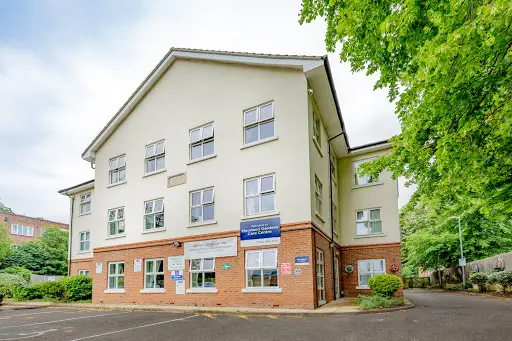
Capwell Grange Care Home, on Addington Way in Luton, was rated Good overall at its most recent inspection in May 2021, with Good ratings across Safety, Effectiveness, Caring, and Responsiveness. This is a significant step forward from a previous Inadequate rating, and inspectors found sufficient confidence across four of the five domains to award the highest standard rating. The home is a large, 146-bed nursing home run by HC-One No.1 Limited, specialising in dementia, learning disabilities, mental health conditions, and physical disabilities, with a registered manager in post at the time of inspection. The outstanding concern is the Requires Improvement rating for Well-led, which means inspectors were not satisfied that leadership and governance were fully effective when they visited. In a home of 146 beds, strong and consistent management is not optional; it is what holds everything else together. The published inspection summary also provides very little specific detail, which makes it harder to judge the day-to-day experience your parent would have. Before making a decision, ask to meet the current registered manager, ask how long she has been in post, and ask what specific changes were made after the previous Inadequate rating. Then visit at a different time of day, without an appointment, and observe how staff interact with residents in corridors and communal areas.
The three questions to ask when you visitSave this home. Compare it against your shortlist.
Let our analysis show you how Capwell Grange Care Home measures up against the other homes you’re considering. Free account.
In Their Own Words
How Capwell Grange Care Home describes itself — collected from its own website. DCC has not edited or independently verified the content in this tab.
Supporting adults with complex needs in Luton's community
Dedicated nursing home Support in Luton
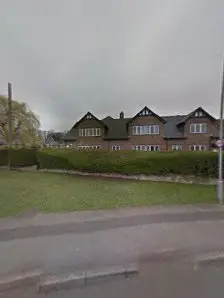
Capwell Grange Care Home in east Luton provides residential care for adults with a range of support needs, from learning disabilities to dementia. The home works with both younger and older adults who need specialist support. Located in a residential area, the home offers rehabilitation services alongside long-term care.
Who they care for
The team at Capwell Grange supports adults under 65 with learning disabilities, mental health conditions and physical disabilities. They also care for older residents, including those living with dementia.
Staff work with residents living with dementia, providing specialist care as part of their wider support for older adults with complex needs.
“Families considering Capwell Grange will want to visit and discuss their loved one's specific care needs with the team.”
DCC does not edit or curate content in this tab. For independently curated information, see The Evidence and DCC Verdict.
The DCC Verdict
Our editorial view, built from the three lenses: what families tell us, what inspectors record, and how the home sits against good dementia-care practice.
DCC Family Score
Capwell Grange Care Home scores 68 out of 100, reflecting a meaningful improvement from a previous Inadequate rating to a broadly Good inspection outcome, but the Requires Improvement rating for leadership introduces real uncertainty about how consistently that improvement is being sustained.
Homes in East typically score 68–82.The three-lens summary
What families tell us
Families have seen the home support their loved ones through rehabilitation after health setbacks, with physiotherapy teams helping residents regain mobility and independence. Some day staff members have shown real dedication in solving problems and providing compassionate care during difficult times.
What inspectors have recorded
How it sits against good practice
Families considering Capwell Grange will want to visit and discuss their loved one's specific care needs with the team.
Worth a visit
Capwell Grange Care Home, on Addington Way in Luton, was rated Good overall at its most recent inspection in May 2021, with Good ratings across Safety, Effectiveness, Caring, and Responsiveness. This is a significant step forward from a previous Inadequate rating, and inspectors found sufficient confidence across four of the five domains to award the highest standard rating. The home is a large, 146-bed nursing home run by HC-One No.1 Limited, specialising in dementia, learning disabilities, mental health conditions, and physical disabilities, with a registered manager in post at the time of inspection. The outstanding concern is the Requires Improvement rating for Well-led, which means inspectors were not satisfied that leadership and governance were fully effective when they visited. In a home of 146 beds, strong and consistent management is not optional; it is what holds everything else together. The published inspection summary also provides very little specific detail, which makes it harder to judge the day-to-day experience your parent would have. Before making a decision, ask to meet the current registered manager, ask how long she has been in post, and ask what specific changes were made after the previous Inadequate rating. Then visit at a different time of day, without an appointment, and observe how staff interact with residents in corridors and communal areas.
The three questions to ask when you visitSave this home. Compare it against your shortlist.
Let our analysis show you how Capwell Grange Care Home measures up against the other homes you’re considering. Free account.
In Their Own Words
How Capwell Grange Care Home describes itself — collected from its own website. DCC has not edited or independently verified the content in this tab.
Supporting adults with complex needs in Luton's community
Dedicated nursing home Support in Luton
Capwell Grange Care Home in east Luton provides residential care for adults with a range of support needs, from learning disabilities to dementia. The home works with both younger and older adults who need specialist support. Located in a residential area, the home offers rehabilitation services alongside long-term care.
Who they care for
The team at Capwell Grange supports adults under 65 with learning disabilities, mental health conditions and physical disabilities. They also care for older residents, including those living with dementia.
Staff work with residents living with dementia, providing specialist care as part of their wider support for older adults with complex needs.
“Families considering Capwell Grange will want to visit and discuss their loved one's specific care needs with the team.”
DCC does not edit or curate content in this tab. For independently curated information, see The Evidence and DCC Verdict.