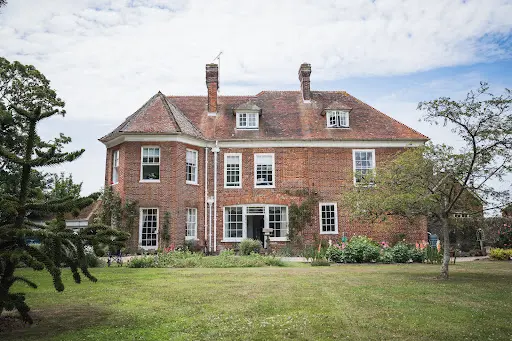
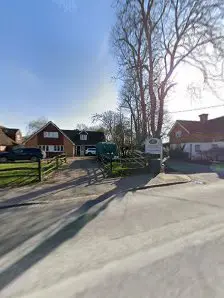
Streatfeild House Learning Disability Care Home

At a Glance
The information you need to decide whether this home warrants a closer look.
Residential homes
Staff warmth score
of reviewers answered yes
Good to know
- Registered beds22
- SpecialismsCaring for adults over 65 yrs, Caring for adults under 65 yrs, Dementia, Learning disabilities, Mental health conditions, Physical disabilities
- Last inspected2022-01-06
Save Streatfeild House Learning Disability Care Home to your shortlist
Keep a running list, add visit notes, and compare homes side-by-side. Free account — it takes a minute.
STAGE 4 — RESEARCHING CARE HOMES
Visit homes. Compare them side by side. Choose with confidence.
Most of us will view care homes the way we view houses, impression, atmosphere, the feeling in the corridor. We go home, try to remember what we saw, and make a permanent decision from a blurred memory.

The DCC shortlist gives every home you visit a structured record: the same twelve questions, answered the same way, every time. When you’re ready to choose, pull any two homes side by side and compare them directly. Same criteria, same evidence, your notes and your scores.
The Evidence
What the review data, the inspection reports, and the dementia-care evidence base tell us about this home.
What families say
The atmosphere here strikes visitors as both professional and genuinely caring. Families talk about staff who take time to really know each resident, joining in with activities that matter to them. Whether it's reading together, singing favourite songs, or simply sitting for a chat, there's a sense that residents are seen as individuals with their own interests and preferences.
The eight family priority themes
- Staff warmth70
- Compassion & dignity70
- Cleanliness68
- Activities & engagement55
- Food quality55
- Healthcare65
- Management & leadership72
- Resident happiness68
What inspectors found
Inspected 2022-01-06
Is this home safe?
Is the care effective?
The Effective domain was rated Good, covering care planning, staff training, healthcare access, and food. The home lists dementia as a specialism alongside learning disabilities, mental health conditions, and physical disabilities, which means staff should be equipped to support a wide range of needs. The published summary does not record specific detail about dementia training content, how often care plans are reviewed, or how GP and other health professional access is arranged. The Good rating indicates inspectors were satisfied that the home met the standard.Is this home caring?
The Caring domain was rated Good, covering staff warmth, dignity, respect, and support for independence. This is the domain that most directly reflects what daily life feels like for your parent. The published summary does not include any direct quotes from residents or relatives, nor any specific inspector observations about how staff interacted with people during the visit. The Good rating indicates inspectors were satisfied that the home met the standard for this domain at the time.Is the home responsive?
The Responsive domain was rated Good, covering activities, individualised care, and how the home meets the specific needs of each person. For a home supporting residents with dementia, learning disabilities, mental health conditions, and physical disabilities across just 22 beds, the breadth of need is significant. The published summary provides no detail about the activity programme, whether one-to-one activities are available for those who cannot join groups, or how individual preferences are recorded and acted upon. The Good rating indicates inspectors were satisfied at the time of inspection.Is the home well-led?
The Well-led domain was rated Good, and this is particularly significant because the home's previous rating included Requires Improvement across one or more domains. A named registered manager, Miss Samantha Josephine Morton, was in post at the time of inspection, and a nominated individual, Dr Anne Meena Thomas, was identified. The improvement across all domains suggests the leadership team responded constructively to previous concerns. The published summary does not record how long the current manager has been in post, staff turnover figures, or how the home handles complaints.
Source: CQC inspection report →
What the evidence base says
The home supports adults of all ages with dementia, learning disabilities, mental health conditions, and physical disabilities. This breadth of experience shows in how staff adapt their approach to each person's specific needs. For residents living with dementia, the team's approach combines professional knowledge with genuine human connection. Families describe staff who understand how to engage meaningfully — whether through familiar activities, gentle conversation, or simply being present in ways that bring comfort and reassurance. All areas worth probing directly during a visit.
The DCC Verdict
Our editorial view, built from the three lenses: what families tell us, what inspectors record, and how the home sits against good dementia-care practice.
DCC Family Score
Streatfeild House improved from Requires Improvement to Good across all five inspection domains, which is a meaningful step forward. However, the published inspection report contains limited specific detail, so several scores reflect that general positive finding rather than direct observations or testimony.
Homes in South East typically score 68–82.The three-lens summary
What families tell us
The atmosphere here strikes visitors as both professional and genuinely caring. Families talk about staff who take time to really know each resident, joining in with activities that matter to them. Whether it's reading together, singing favourite songs, or simply sitting for a chat, there's a sense that residents are seen as individuals with their own interests and preferences.
What inspectors have recorded
Communication stands out as a real strength here. Families report feeling genuinely informed and included, with staff who respond thoughtfully to questions and concerns. There's particular appreciation for how the team handles complex or challenging situations — approaching difficulties with patience and understanding rather than seeing them as problems to solve.
How it sits against good practice
Sometimes the best measure of a care home is how families feel after visiting — and here, that feeling seems to be one of genuine confidence in the care their loved ones receive.
Worth a visit
Streatfeild House, on Cornfield Terrace in St Leonards-on-Sea, was rated Good at its inspection in November 2021, published in January 2022. This is a notable improvement from its previous rating of Requires Improvement, and all five domains, covering safety, effectiveness, caring, responsiveness, and leadership, were rated Good. The home is a 22-bed residential service supporting adults with dementia, learning disabilities, mental health conditions, and physical disabilities, run by LWT Health Care Limited with a named registered manager in post. The main uncertainty here is that the published inspection summary contains very limited specific detail. There are no recorded observations of staff interactions, no direct quotes from residents or relatives, and no figures for staffing ratios or night cover. A Good rating after a period of Requires Improvement is genuinely encouraging, but it tells you the home met the threshold rather than telling you what daily life looks like. When you visit, ask the manager to walk you through what changed since the previous inspection, ask to see the current activity timetable, and observe how staff speak to residents in corridors and communal areas. Those things will tell you more than the rating alone.
The three questions to ask when you visitSave this home. Compare it against your shortlist.
Let our analysis show you how Streatfeild House Learning Disability Care Home measures up against the other homes you’re considering. Free account.
In Their Own Words
How Streatfeild House Learning Disability Care Home describes itself — collected from its own website. DCC has not edited or independently verified the content in this tab.
Where complex care meets genuine warmth and understanding
Streatfeild House – Your Trusted residential home
When someone you love needs specialist support for dementia, mental health conditions, or learning disabilities, finding the right environment matters deeply. Streatfeild House in St. Leonards-on-sea brings together professional expertise with the kind of genuine warmth that helps residents feel valued and engaged. Families describe a place where staff don't just provide care — they sing songs, work puzzles, and share conversations that brighten each day.
Who they care for
The home supports adults of all ages with dementia, learning disabilities, mental health conditions, and physical disabilities. This breadth of experience shows in how staff adapt their approach to each person's specific needs.
For residents living with dementia, the team's approach combines professional knowledge with genuine human connection. Families describe staff who understand how to engage meaningfully — whether through familiar activities, gentle conversation, or simply being present in ways that bring comfort and reassurance.
“Sometimes the best measure of a care home is how families feel after visiting — and here, that feeling seems to be one of genuine confidence in the care their loved ones receive.”
DCC does not edit or curate content in this tab. For independently curated information, see The Evidence and DCC Verdict.
The DCC Verdict
Our editorial view, built from the three lenses: what families tell us, what inspectors record, and how the home sits against good dementia-care practice.
DCC Family Score
Streatfeild House improved from Requires Improvement to Good across all five inspection domains, which is a meaningful step forward. However, the published inspection report contains limited specific detail, so several scores reflect that general positive finding rather than direct observations or testimony.
Homes in South East typically score 68–82.The three-lens summary
What families tell us
The atmosphere here strikes visitors as both professional and genuinely caring. Families talk about staff who take time to really know each resident, joining in with activities that matter to them. Whether it's reading together, singing favourite songs, or simply sitting for a chat, there's a sense that residents are seen as individuals with their own interests and preferences.
What inspectors have recorded
Communication stands out as a real strength here. Families report feeling genuinely informed and included, with staff who respond thoughtfully to questions and concerns. There's particular appreciation for how the team handles complex or challenging situations — approaching difficulties with patience and understanding rather than seeing them as problems to solve.
How it sits against good practice
Sometimes the best measure of a care home is how families feel after visiting — and here, that feeling seems to be one of genuine confidence in the care their loved ones receive.
Worth a visit
Streatfeild House, on Cornfield Terrace in St Leonards-on-Sea, was rated Good at its inspection in November 2021, published in January 2022. This is a notable improvement from its previous rating of Requires Improvement, and all five domains, covering safety, effectiveness, caring, responsiveness, and leadership, were rated Good. The home is a 22-bed residential service supporting adults with dementia, learning disabilities, mental health conditions, and physical disabilities, run by LWT Health Care Limited with a named registered manager in post. The main uncertainty here is that the published inspection summary contains very limited specific detail. There are no recorded observations of staff interactions, no direct quotes from residents or relatives, and no figures for staffing ratios or night cover. A Good rating after a period of Requires Improvement is genuinely encouraging, but it tells you the home met the threshold rather than telling you what daily life looks like. When you visit, ask the manager to walk you through what changed since the previous inspection, ask to see the current activity timetable, and observe how staff speak to residents in corridors and communal areas. Those things will tell you more than the rating alone.
The three questions to ask when you visitSave this home. Compare it against your shortlist.
Let our analysis show you how Streatfeild House Learning Disability Care Home measures up against the other homes you’re considering. Free account.
In Their Own Words
How Streatfeild House Learning Disability Care Home describes itself — collected from its own website. DCC has not edited or independently verified the content in this tab.
Where complex care meets genuine warmth and understanding
Streatfeild House – Your Trusted residential home
When someone you love needs specialist support for dementia, mental health conditions, or learning disabilities, finding the right environment matters deeply. Streatfeild House in St. Leonards-on-sea brings together professional expertise with the kind of genuine warmth that helps residents feel valued and engaged. Families describe a place where staff don't just provide care — they sing songs, work puzzles, and share conversations that brighten each day.
Who they care for
The home supports adults of all ages with dementia, learning disabilities, mental health conditions, and physical disabilities. This breadth of experience shows in how staff adapt their approach to each person's specific needs.
For residents living with dementia, the team's approach combines professional knowledge with genuine human connection. Families describe staff who understand how to engage meaningfully — whether through familiar activities, gentle conversation, or simply being present in ways that bring comfort and reassurance.
Management & ethos
Communication stands out as a real strength here. Families report feeling genuinely informed and included, with staff who respond thoughtfully to questions and concerns. There's particular appreciation for how the team handles complex or challenging situations — approaching difficulties with patience and understanding rather than seeing them as problems to solve.
The home & environment
The home itself gets consistent praise for being clean, well-maintained, and thoughtfully presented. Families appreciate the attention to creating pleasant surroundings — the kind of environment where you'd feel comfortable spending time yourself. It's these practical details that help create a sense of proper care and attention throughout.
“Sometimes the best measure of a care home is how families feel after visiting — and here, that feeling seems to be one of genuine confidence in the care their loved ones receive.”
DCC does not edit or curate content in this tab. For independently curated information, see The Evidence and DCC Verdict.