St Vincent's House Care Home – Care UK

At a Glance
The information you need to decide whether this home warrants a closer look.
Nursing homes
Staff warmth score
of reviewers answered yes
Good to know
- Registered beds92
- SpecialismsCaring for adults over 65 yrs, Dementia, Learning disabilities, Mental health conditions, Physical disabilities
- Last inspected2020-01-22
Save St Vincent's House Care Home – Care UK to your shortlist
Keep a running list, add visit notes, and compare homes side-by-side. Free account — it takes a minute.
STAGE 4 — RESEARCHING CARE HOMES
Visit homes. Compare them side by side. Choose with confidence.
Most of us will view care homes the way we view houses, impression, atmosphere, the feeling in the corridor. We go home, try to remember what we saw, and make a permanent decision from a blurred memory.

The DCC shortlist gives every home you visit a structured record: the same twelve questions, answered the same way, every time. When you’re ready to choose, pull any two homes side by side and compare them directly. Same criteria, same evidence, your notes and your scores.
The Evidence
What the review data, the inspection reports, and the dementia-care evidence base tell us about this home.
What families say
The eight family priority themes
- Staff warmth72
- Compassion & dignity72
- Cleanliness72
- Activities & engagement68
- Food quality68
- Healthcare70
- Management & leadership75
- Resident happiness70
What inspectors found
Inspected 2020-01-22
Is this home safe?
Is the care effective?
The Effective domain was rated Good at the December 2024 assessment. This covers training, care planning, healthcare access, and nutritional care. The published summary does not include specific evidence about how care plans are written or reviewed, what dementia training staff receive, how GP or specialist access is arranged, or how food and hydration needs are managed. The rating itself confirms these areas met the required standard at the time of inspection.Is this home caring?
The Caring domain was rated Good at the December 2024 assessment. This covers warmth, dignity, respect, and how well staff support independence. The published findings do not include direct inspector observations of staff interactions, quotes from residents or relatives about how they feel, or specific examples of dignity practices such as knocking before entering rooms or using preferred names. The Good rating confirms these standards were met.Is the home responsive?
The Responsive domain was rated Good at the December 2024 assessment. This covers activities, engagement, individuality, complaints handling, and end-of-life care. The published findings do not include detail about the activity programme, how the home caters for residents who cannot join group sessions, how complaints are handled, or how end-of-life wishes are recorded and respected. The rating confirms the standard was met at inspection.Is the home well-led?
The Well-led domain was rated Good at the December 2024 assessment. A named registered manager, Ms Kerry Ivane Cia Reyes, is in post, and a nominated individual, Ms Rachel Louise Harvey, is recorded. The home is operated by Care UK Community Partnerships Ltd. The improvement from a previous Requires Improvement rating suggests governance and leadership addressed earlier shortfalls. The published findings do not include detail about the manager's tenure, how staff are supported to raise concerns, or how the home uses audit and incident data to drive improvement.
Source: CQC inspection report →
What the evidence base says
The teams here support residents with dementia, learning disabilities, mental health conditions and physical disabilities. They create individualised activity programmes that match each person's interests and abilities. For residents with dementia, the staff provide consistent daily support with a focus on maintaining routines and encouraging participation in activities that feel meaningful to each individual. All areas worth probing directly during a visit.
The DCC Verdict
Our editorial view, built from the three lenses: what families tell us, what inspectors record, and how the home sits against good dementia-care practice.
DCC Family Score
St Vincents House scores 74 out of 100, reflecting a Good rating across all five inspection domains following improvement from a previous Requires Improvement rating. The score is held back by the limited specific detail available in the published findings, meaning the Good rating is confirmed but the evidence behind individual themes is general rather than richly observed.
Homes in London typically score 68–82.Worth a visit
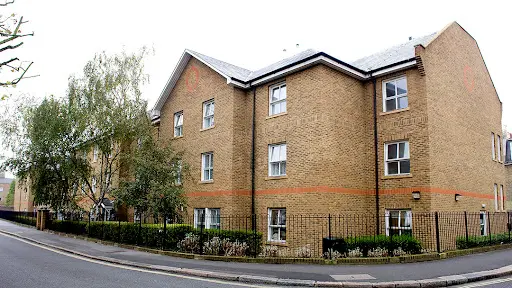
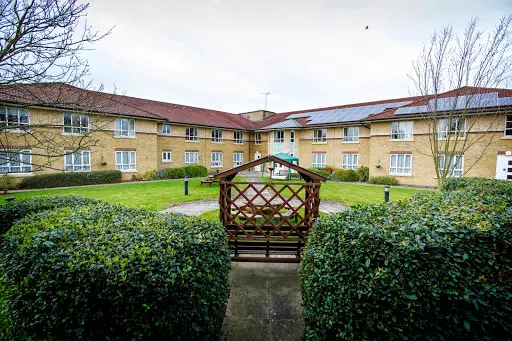
St Vincents House, at 49 Queen Caroline Street in Hammersmith, was assessed in December 2024 and rated Good across all five inspection domains. This is a meaningful improvement from a previous Requires Improvement rating, which tells you the home recognised problems and addressed them. With 92 beds and registrations covering dementia, mental health conditions, learning disabilities, physical disabilities, and older adults, it is a large and complex home run by Care UK Community Partnerships Ltd, with a named registered manager in post. The main limitation of this report is that the published inspection summary does not include specific observations, resident or relative quotes, or detailed evidence behind each Good rating. A Good rating is a genuine and important standard, but it tells you the home met the bar rather than showing you exactly how. Before visiting, prepare a list of specific questions: ask to see last week's actual staffing rota to check permanent versus agency cover on the dementia unit after 8pm, ask to see the real activity records from the past fortnight rather than the planned schedule, and ask how the home will contact you if your parent has a fall or a significant health change. These three questions will tell you more about daily life than any rating alone.
The three questions to ask when you visitSave this home. Compare it against your shortlist.
Let our analysis show you how St Vincent's House Care Home – Care UK measures up against the other homes you’re considering. Free account.
In Their Own Words
How St Vincent's House Care Home – Care UK describes itself — collected from its own website. DCC has not edited or independently verified the content in this tab.
Where creative activities brighten every day for those with complex needs
Compassionate Care in London at St Vincents House
Finding the right support for someone with dementia, learning disabilities or mental health conditions requires specialist understanding and genuine flexibility. St Vincents House in London brings together experienced teams who focus on keeping residents engaged through creative, individualised activities. The home welcomes people over 65 with various support needs, including physical disabilities.
Who they care for
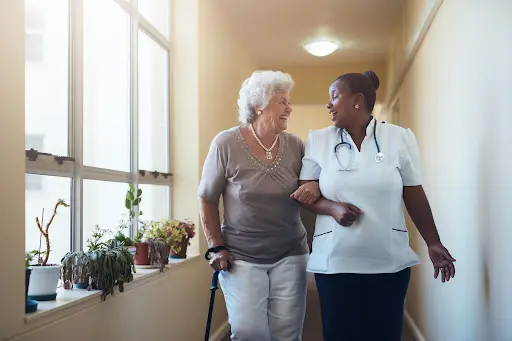
The teams here support residents with dementia, learning disabilities, mental health conditions and physical disabilities. They create individualised activity programmes that match each person's interests and abilities.
For residents with dementia, the staff provide consistent daily support with a focus on maintaining routines and encouraging participation in activities that feel meaningful to each individual.
“If you'd like to see how St Vincents House tailors its approach to complex care needs, arranging a visit can help you understand their way of working.”
DCC does not edit or curate content in this tab. For independently curated information, see The Evidence and DCC Verdict.
The DCC Verdict
Our editorial view, built from the three lenses: what families tell us, what inspectors record, and how the home sits against good dementia-care practice.
DCC Family Score
St Vincents House scores 74 out of 100, reflecting a Good rating across all five inspection domains following improvement from a previous Requires Improvement rating. The score is held back by the limited specific detail available in the published findings, meaning the Good rating is confirmed but the evidence behind individual themes is general rather than richly observed.
Homes in London typically score 68–82.Worth a visit
St Vincents House, at 49 Queen Caroline Street in Hammersmith, was assessed in December 2024 and rated Good across all five inspection domains. This is a meaningful improvement from a previous Requires Improvement rating, which tells you the home recognised problems and addressed them. With 92 beds and registrations covering dementia, mental health conditions, learning disabilities, physical disabilities, and older adults, it is a large and complex home run by Care UK Community Partnerships Ltd, with a named registered manager in post. The main limitation of this report is that the published inspection summary does not include specific observations, resident or relative quotes, or detailed evidence behind each Good rating. A Good rating is a genuine and important standard, but it tells you the home met the bar rather than showing you exactly how. Before visiting, prepare a list of specific questions: ask to see last week's actual staffing rota to check permanent versus agency cover on the dementia unit after 8pm, ask to see the real activity records from the past fortnight rather than the planned schedule, and ask how the home will contact you if your parent has a fall or a significant health change. These three questions will tell you more about daily life than any rating alone.
The three questions to ask when you visitSave this home. Compare it against your shortlist.
Let our analysis show you how St Vincent's House Care Home – Care UK measures up against the other homes you’re considering. Free account.
In Their Own Words
How St Vincent's House Care Home – Care UK describes itself — collected from its own website. DCC has not edited or independently verified the content in this tab.
Where creative activities brighten every day for those with complex needs
Compassionate Care in London at St Vincents House
Finding the right support for someone with dementia, learning disabilities or mental health conditions requires specialist understanding and genuine flexibility. St Vincents House in London brings together experienced teams who focus on keeping residents engaged through creative, individualised activities. The home welcomes people over 65 with various support needs, including physical disabilities.
Who they care for
The teams here support residents with dementia, learning disabilities, mental health conditions and physical disabilities. They create individualised activity programmes that match each person's interests and abilities.
For residents with dementia, the staff provide consistent daily support with a focus on maintaining routines and encouraging participation in activities that feel meaningful to each individual.
“If you'd like to see how St Vincents House tailors its approach to complex care needs, arranging a visit can help you understand their way of working.”
DCC does not edit or curate content in this tab. For independently curated information, see The Evidence and DCC Verdict.