St Lauras Care Home in Kings Langley
At a Glance
The information you need to decide whether this home warrants a closer look.
Residential homes
Staff warmth score
of reviewers answered yes
Good to know
- Registered beds64
- SpecialismsCaring for adults over 65 yrs, Dementia, Physical disabilities, Sensory impairment
- Last inspected2022-01-13
Save St Lauras Care Home in Kings Langley to your shortlist
Keep a running list, add visit notes, and compare homes side-by-side. Free account — it takes a minute.
STAGE 4 — RESEARCHING CARE HOMES
Visit homes. Compare them side by side. Choose with confidence.
Most of us will view care homes the way we view houses, impression, atmosphere, the feeling in the corridor. We go home, try to remember what we saw, and make a permanent decision from a blurred memory.

The DCC shortlist gives every home you visit a structured record: the same twelve questions, answered the same way, every time. When you’re ready to choose, pull any two homes side by side and compare them directly. Same criteria, same evidence, your notes and your scores.
The Evidence
What the review data, the inspection reports, and the dementia-care evidence base tell us about this home.
What families say
People talk about the genuine warmth they feel from staff here — not just polite smiles, but real emotional investment in residents' wellbeing. There's a sense that staff take time to understand each person's interests and preferences, adapting activities and meals without making anyone feel pressured. Families mention feeling included rather than just tolerated during visits.
The eight family priority themes
- Staff warmth72
- Compassion & dignity72
- Cleanliness70
- Activities & engagement65
- Food quality65
- Healthcare68
- Management & leadership72
- Resident happiness68
What inspectors found
Inspected 2022-01-13
Is this home safe?
Is the care effective?
St Lauras received a Good rating for effectiveness at its February 2022 inspection. This domain covers care planning, dementia training, healthcare access, medicines, and food. The home specialises in dementia care, physical disabilities, and sensory impairments, which implies a level of specific expertise is expected. No detail about training content, care plan quality, GP access frequency, or food provision was included in the published summary.Is this home caring?
St Lauras received a Good rating for caring at its February 2022 inspection. This domain covers staff warmth, dignity and respect, privacy, and how well staff know the people in their care. No inspector observations, resident quotes, or relative feedback were included in the published summary for this domain. The Good rating indicates inspectors did not find evidence of disrespect or poor practice, but specific detail about what caring looks like day to day at St Lauras is not available from the published report.Is the home responsive?
St Lauras received a Good rating for responsiveness at its February 2022 inspection. This domain covers how well the home tailors care and activities to individuals, responds to changing needs, handles complaints, and plans for end of life. The home accepts residents with dementia, physical disabilities, and sensory impairments, all of which require adapted approaches to activities and daily life. No specific activity examples, individual engagement observations, or end-of-life care details were published.Is the home well-led?
St Lauras received a Good rating for well-led at its February 2022 inspection. A named registered manager and a nominated individual are recorded in the inspection report, confirming that formal accountability structures are in place. The home is run by Colleycare Limited. No detail about management visibility, staff culture, how concerns are raised, or governance systems was included in the published summary. The rating remained unchanged at a monitoring review in July 2023.
Source: CQC inspection report →
What the evidence base says
The home cares for people over 65 with dementia, sensory impairments and physical disabilities. They handle complex health needs with regular monitoring and quick clinical responses when issues arise. Staff show understanding of how dementia affects daily life, adapting their approach to each resident's changing needs. The variety of spaces throughout the home helps when residents need different environments at different times. All areas worth probing directly during a visit.
The DCC Verdict
Our editorial view, built from the three lenses: what families tell us, what inspectors record, and how the home sits against good dementia-care practice.
DCC Family Score
St Lauras was rated Good across all five inspection domains, which is a solid foundation, but the published report contains very little specific detail about what inspectors actually observed. The score reflects a genuine Good rating rather than strong, specific evidence of outstanding practice.
Homes in East typically score 68–82.The three-lens summary
What families tell us
People talk about the genuine warmth they feel from staff here — not just polite smiles, but real emotional investment in residents' wellbeing. There's a sense that staff take time to understand each person's interests and preferences, adapting activities and meals without making anyone feel pressured. Families mention feeling included rather than just tolerated during visits.
What inspectors have recorded
Families particularly value how proactive the team is with health monitoring — blood tests get arranged quickly when needed, and staff seem alert to changes that might signal infection or other issues. Communication with relatives appears straightforward and timely. One family did raise concerns about whether all staff were adequately trained for residents' specific needs, suggesting this might be worth checking during a visit.
How it sits against good practice
If you're considering St Lauras, it might be worth asking specifically about staff training and how they ensure consistency across the team.
Worth a visit
St Lauras, at 32 Kings Langley, WD4 8BH, was rated Good across all five inspection domains at its inspection in February 2022, with the rating confirmed as unchanged following a monitoring review in July 2023. The home is registered to care for up to 64 people, including those living with dementia, physical disabilities, and sensory impairments. A named registered manager and nominated individual are recorded, which confirms a formal management structure is in place. An all-Good rating across every domain is a meaningful baseline: inspectors found nothing serious enough to require improvement in any area of care. The main uncertainty here is that the published inspection summary is exceptionally brief, offering very little specific detail about what inspectors actually observed at St Lauras. That means this report cannot tell you whether staff are genuinely warm, whether your parent would be engaged and stimulated, or how the home handles distress or difficult nights. When you visit, ask to see last week's actual staffing rota, including night shifts, count the permanent names against any agency cover, and spend time in a communal area to watch how staff interact with residents at their own pace. A Good rating tells you the home passed; your visit will tell you whether it is the right place for your mum or dad.
The three questions to ask when you visitSave this home. Compare it against your shortlist.
Let our analysis show you how St Lauras Care Home in Kings Langley measures up against the other homes you’re considering. Free account.
In Their Own Words
How St Lauras Care Home in Kings Langley describes itself — collected from its own website. DCC has not edited or independently verified the content in this tab.
Where health monitoring meets heartfelt care in Kings Langley
Residential home in Kings Langley: True Peace of Mind
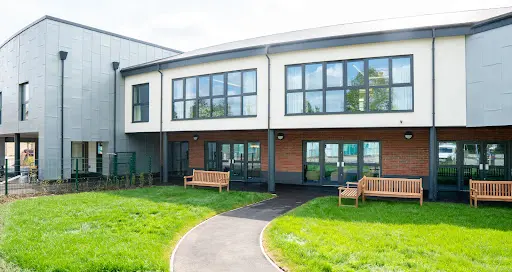
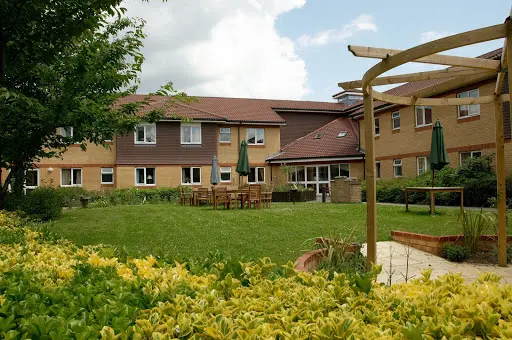
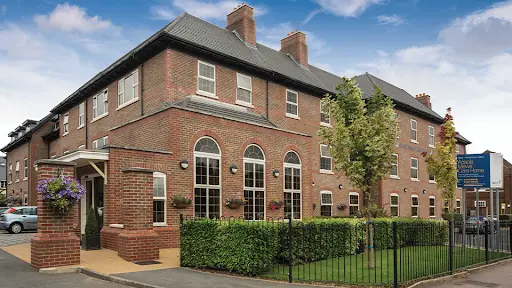
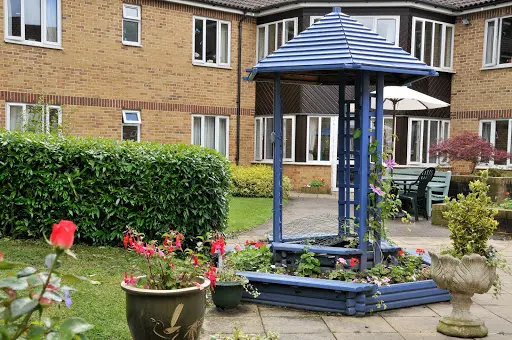
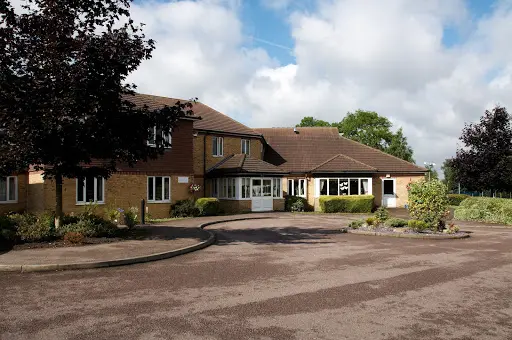
Families describe a real sense of relief at St Lauras in Kings Langley, where staff seem to catch health issues before they become serious problems. This East Kings Langley home specialises in dementia and sensory impairment care, with many relatives noting how quickly staff spotted UTIs or other conditions that needed attention. The home feels well-maintained and thoughtfully designed, with different lounges and outdoor spaces giving residents choice about where to spend their time.
Who they care for
The home cares for people over 65 with dementia, sensory impairments and physical disabilities. They handle complex health needs with regular monitoring and quick clinical responses when issues arise.
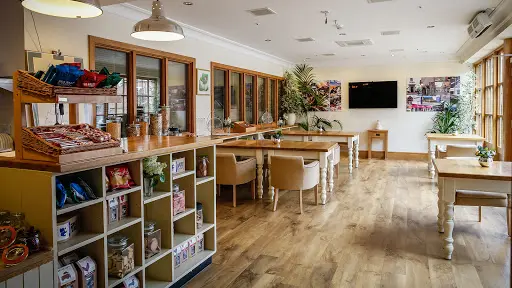
Staff show understanding of how dementia affects daily life, adapting their approach to each resident's changing needs. The variety of spaces throughout the home helps when residents need different environments at different times.
“If you're considering St Lauras, it might be worth asking specifically about staff training and how they ensure consistency across the team.”
DCC does not edit or curate content in this tab. For independently curated information, see The Evidence and DCC Verdict.
The DCC Verdict
Our editorial view, built from the three lenses: what families tell us, what inspectors record, and how the home sits against good dementia-care practice.
DCC Family Score
St Lauras was rated Good across all five inspection domains, which is a solid foundation, but the published report contains very little specific detail about what inspectors actually observed. The score reflects a genuine Good rating rather than strong, specific evidence of outstanding practice.
Homes in East typically score 68–82.The three-lens summary
What families tell us
People talk about the genuine warmth they feel from staff here — not just polite smiles, but real emotional investment in residents' wellbeing. There's a sense that staff take time to understand each person's interests and preferences, adapting activities and meals without making anyone feel pressured. Families mention feeling included rather than just tolerated during visits.
What inspectors have recorded
Families particularly value how proactive the team is with health monitoring — blood tests get arranged quickly when needed, and staff seem alert to changes that might signal infection or other issues. Communication with relatives appears straightforward and timely. One family did raise concerns about whether all staff were adequately trained for residents' specific needs, suggesting this might be worth checking during a visit.
How it sits against good practice
If you're considering St Lauras, it might be worth asking specifically about staff training and how they ensure consistency across the team.
Worth a visit
St Lauras, at 32 Kings Langley, WD4 8BH, was rated Good across all five inspection domains at its inspection in February 2022, with the rating confirmed as unchanged following a monitoring review in July 2023. The home is registered to care for up to 64 people, including those living with dementia, physical disabilities, and sensory impairments. A named registered manager and nominated individual are recorded, which confirms a formal management structure is in place. An all-Good rating across every domain is a meaningful baseline: inspectors found nothing serious enough to require improvement in any area of care. The main uncertainty here is that the published inspection summary is exceptionally brief, offering very little specific detail about what inspectors actually observed at St Lauras. That means this report cannot tell you whether staff are genuinely warm, whether your parent would be engaged and stimulated, or how the home handles distress or difficult nights. When you visit, ask to see last week's actual staffing rota, including night shifts, count the permanent names against any agency cover, and spend time in a communal area to watch how staff interact with residents at their own pace. A Good rating tells you the home passed; your visit will tell you whether it is the right place for your mum or dad.
The three questions to ask when you visitSave this home. Compare it against your shortlist.
Let our analysis show you how St Lauras Care Home in Kings Langley measures up against the other homes you’re considering. Free account.
In Their Own Words
How St Lauras Care Home in Kings Langley describes itself — collected from its own website. DCC has not edited or independently verified the content in this tab.
Where health monitoring meets heartfelt care in Kings Langley
Residential home in Kings Langley: True Peace of Mind
Families describe a real sense of relief at St Lauras in Kings Langley, where staff seem to catch health issues before they become serious problems. This East Kings Langley home specialises in dementia and sensory impairment care, with many relatives noting how quickly staff spotted UTIs or other conditions that needed attention. The home feels well-maintained and thoughtfully designed, with different lounges and outdoor spaces giving residents choice about where to spend their time.
Who they care for
The home cares for people over 65 with dementia, sensory impairments and physical disabilities. They handle complex health needs with regular monitoring and quick clinical responses when issues arise.
Staff show understanding of how dementia affects daily life, adapting their approach to each resident's changing needs. The variety of spaces throughout the home helps when residents need different environments at different times.
Management & ethos
Families particularly value how proactive the team is with health monitoring — blood tests get arranged quickly when needed, and staff seem alert to changes that might signal infection or other issues. Communication with relatives appears straightforward and timely. One family did raise concerns about whether all staff were adequately trained for residents' specific needs, suggesting this might be worth checking during a visit.
The home & environment
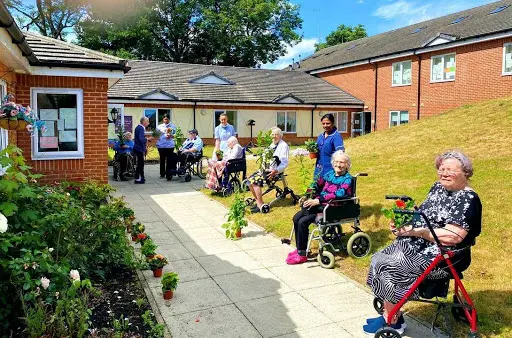
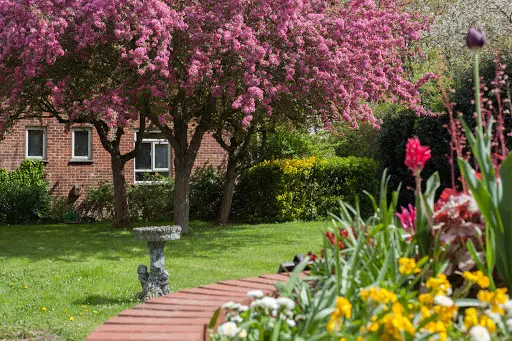
The home stays consistently clean and well-kept, with outdoor spaces that residents actually use. Activities happen regularly — from painting sessions to exercise classes, plus entertainment and supported trips out locally. The building itself offers different social spaces, so residents can find quieter corners or busier lounges depending on their mood.
“If you're considering St Lauras, it might be worth asking specifically about staff training and how they ensure consistency across the team.”
DCC does not edit or curate content in this tab. For independently curated information, see The Evidence and DCC Verdict.