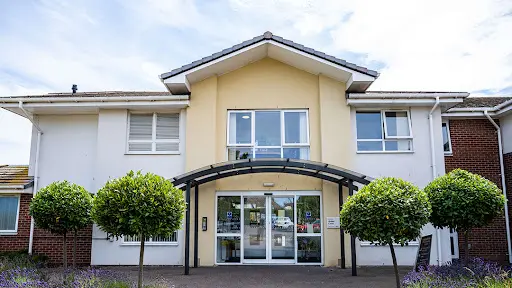
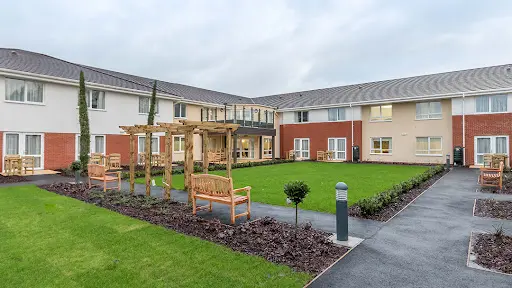
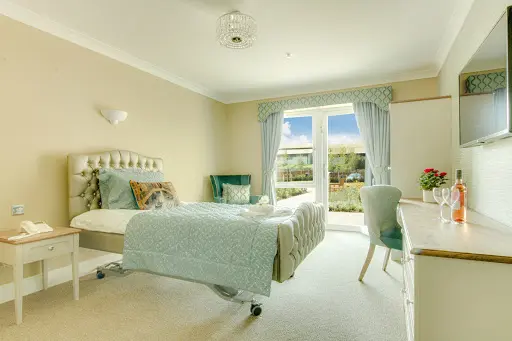
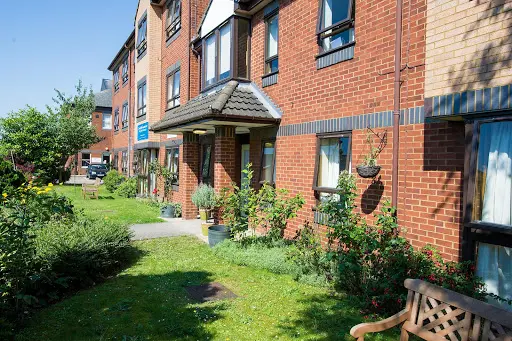
St Joseph's care home, Sudbury
At a Glance
The information you need to decide whether this home warrants a closer look.
Residential homes
Staff warmth score
of reviewers answered yes
Good to know
- Registered beds60
- SpecialismsCaring for adults over 65 yrs, Caring for adults under 65 yrs, Dementia
- Last inspected2018-01-30
Save St Joseph's care home, Sudbury to your shortlist
Keep a running list, add visit notes, and compare homes side-by-side. Free account — it takes a minute.
STAGE 4 — RESEARCHING CARE HOMES
Visit homes. Compare them side by side. Choose with confidence.
Most of us will view care homes the way we view houses, impression, atmosphere, the feeling in the corridor. We go home, try to remember what we saw, and make a permanent decision from a blurred memory.

The DCC shortlist gives every home you visit a structured record: the same twelve questions, answered the same way, every time. When you’re ready to choose, pull any two homes side by side and compare them directly. Same criteria, same evidence, your notes and your scores.
The Evidence
What the review data, the inspection reports, and the dementia-care evidence base tell us about this home.
What families say
The eight family priority themes
- Staff warmth52
- Compassion & dignity52
- Cleanliness52
- Activities & engagement50
- Food quality50
- Healthcare50
- Management & leadership50
- Resident happiness50
What inspectors found
Inspected 2018-01-30
Is this home safe?
Is the care effective?
No domain-level rating for Effective was recorded in the available inspection data. This means no evidence about care plan quality, dementia training, GP access, medication management or food provision could be verified from the inspection. The home lists dementia as a specialism, which implies a stated commitment to dementia-specific care, but no inspection evidence confirms what this looks like in practice. The last inspection was January 2018.Is this home caring?
No domain-level rating for Caring was recorded in the available inspection data. No inspector observations of staff interactions, no resident or family quotes, and no evidence about dignity, privacy or compassionate practice were available. The overall Good rating suggests the home met a broadly acceptable standard in January 2018, but no specific caring behaviours were documented in the available data.Is the home responsive?
No domain-level rating for Responsive was recorded in the available inspection data. No evidence about the activities programme, individual engagement, response to changing needs or end-of-life care planning was available. The home's 60-bed size and dementia specialism suggest activities provision should be a meaningful part of daily life, but no inspection evidence confirms what is offered or how it is tailored to individuals.Is the home well-led?
No domain-level rating for Well-led was recorded in the available inspection data. No evidence about the registered manager's tenure, leadership style, staff culture, governance systems or quality improvement activity was available. The overall Good rating from January 2018 implies leadership was broadly satisfactory at that time, but seven years is a long gap and management may have changed significantly since.
Source: CQC inspection report →
What the evidence base says
The team at St Josephs focuses on caring for adults over 65, with particular expertise in dementia support. Daily activities include quizzes and sing-songs designed to engage residents at different stages of their journey. Understanding dementia means creating structure and familiarity. The home runs regular activities that help residents stay connected, with staff who work hard to support each person through their day. All areas worth probing directly during a visit.
The DCC Verdict
Our editorial view, built from the three lenses: what families tell us, what inspectors record, and how the home sits against good dementia-care practice.
DCC Family Score
The Croft holds an overall Good rating, but because the full inspection text was unavailable and all five domains were recorded as 'Not yet rated,' no specific evidence could be verified — this score reflects the headline rating only and should be treated with significant caution.
Homes in East typically score 68–82.Worth a visit
The Croft in Sudbury is a 60-bed registered care home specialising in dementia and older adult care, rated Good at its last official inspection in January 2018. That is now over seven years ago, which is an unusually long gap and means the rating should be treated as a historical snapshot rather than a current picture. All five inspection domains were recorded as 'Not yet rated' in the available data, which means no domain-level evidence — no inspector observations, no resident or family quotes, no specific findings — could be drawn on to build a detailed picture of daily life at the home. The most important thing to understand is that a Good rating from 2018 tells you relatively little about what care looks like today. Staff will have changed, management may have changed, and the home's capacity and occupancy may have shifted. Before visiting, ask the home directly when its most recent inspection was, whether there has been any contact with the regulator since 2018, and whether inspection reports are displayed on site. On your visit, watch how staff interact with residents in corridors and communal areas — unhurried, personal interactions are the single most reliable signal of a caring culture. Ask specifically: how many permanent staff work on the dementia unit after 8pm, and what dementia training have they completed in the last 12 months?
The three questions to ask when you visitSave this home. Compare it against your shortlist.
Let our analysis show you how St Joseph's care home, Sudbury measures up against the other homes you’re considering. Free account.
In Their Own Words
How St Joseph's care home, Sudbury describes itself — collected from its own website. DCC has not edited or independently verified the content in this tab.
Dedicated dementia care with daily activities in Sudbury
Dedicated residential home Support in Sudbury
Finding the right care home means knowing your loved one will have meaningful days ahead. St Josephs in Sudbury specialises in dementia care for adults over 65, providing structured activities and social opportunities. The home welcomes visitors to join in with daily life, creating connections that matter.
Who they care for
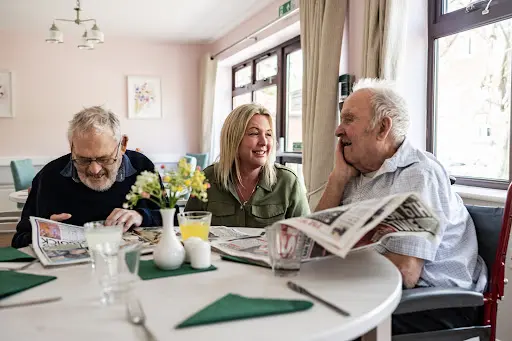
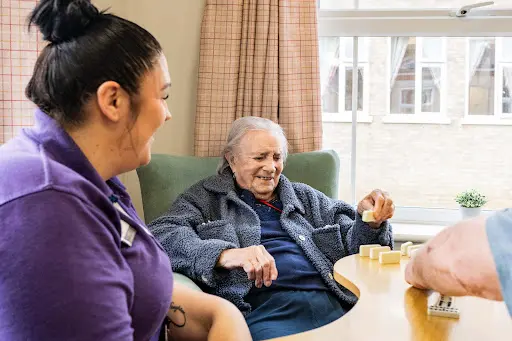
The team at St Josephs focuses on caring for adults over 65, with particular expertise in dementia support. Daily activities include quizzes and sing-songs designed to engage residents at different stages of their journey.
Understanding dementia means creating structure and familiarity. The home runs regular activities that help residents stay connected, with staff who work hard to support each person through their day.
“Every family's journey is different, and seeing the home for yourself can help you decide what feels right.”
DCC does not edit or curate content in this tab. For independently curated information, see The Evidence and DCC Verdict.
The DCC Verdict
Our editorial view, built from the three lenses: what families tell us, what inspectors record, and how the home sits against good dementia-care practice.
DCC Family Score
The Croft holds an overall Good rating, but because the full inspection text was unavailable and all five domains were recorded as 'Not yet rated,' no specific evidence could be verified — this score reflects the headline rating only and should be treated with significant caution.
Homes in East typically score 68–82.Worth a visit
The Croft in Sudbury is a 60-bed registered care home specialising in dementia and older adult care, rated Good at its last official inspection in January 2018. That is now over seven years ago, which is an unusually long gap and means the rating should be treated as a historical snapshot rather than a current picture. All five inspection domains were recorded as 'Not yet rated' in the available data, which means no domain-level evidence — no inspector observations, no resident or family quotes, no specific findings — could be drawn on to build a detailed picture of daily life at the home. The most important thing to understand is that a Good rating from 2018 tells you relatively little about what care looks like today. Staff will have changed, management may have changed, and the home's capacity and occupancy may have shifted. Before visiting, ask the home directly when its most recent inspection was, whether there has been any contact with the regulator since 2018, and whether inspection reports are displayed on site. On your visit, watch how staff interact with residents in corridors and communal areas — unhurried, personal interactions are the single most reliable signal of a caring culture. Ask specifically: how many permanent staff work on the dementia unit after 8pm, and what dementia training have they completed in the last 12 months?
The three questions to ask when you visitSave this home. Compare it against your shortlist.
Let our analysis show you how St Joseph's care home, Sudbury measures up against the other homes you’re considering. Free account.
In Their Own Words
How St Joseph's care home, Sudbury describes itself — collected from its own website. DCC has not edited or independently verified the content in this tab.
Dedicated dementia care with daily activities in Sudbury
Dedicated residential home Support in Sudbury
Finding the right care home means knowing your loved one will have meaningful days ahead. St Josephs in Sudbury specialises in dementia care for adults over 65, providing structured activities and social opportunities. The home welcomes visitors to join in with daily life, creating connections that matter.
Who they care for
The team at St Josephs focuses on caring for adults over 65, with particular expertise in dementia support. Daily activities include quizzes and sing-songs designed to engage residents at different stages of their journey.
Understanding dementia means creating structure and familiarity. The home runs regular activities that help residents stay connected, with staff who work hard to support each person through their day.
“Every family's journey is different, and seeing the home for yourself can help you decide what feels right.”
DCC does not edit or curate content in this tab. For independently curated information, see The Evidence and DCC Verdict.