Spring Grove Care Home
At a Glance
The information you need to decide whether this home warrants a closer look.
Residential homes
Staff warmth score
of reviewers answered yes
Good to know
- Registered beds46
- SpecialismsCaring for adults over 65 yrs, Dementia
- Last inspected2019-09-11
Save Spring Grove Care Home to your shortlist
Keep a running list, add visit notes, and compare homes side-by-side. Free account — it takes a minute.
STAGE 4 — RESEARCHING CARE HOMES
Visit homes. Compare them side by side. Choose with confidence.
Most of us will view care homes the way we view houses, impression, atmosphere, the feeling in the corridor. We go home, try to remember what we saw, and make a permanent decision from a blurred memory.

The DCC shortlist gives every home you visit a structured record: the same twelve questions, answered the same way, every time. When you’re ready to choose, pull any two homes side by side and compare them directly. Same criteria, same evidence, your notes and your scores.
The Evidence
What the review data, the inspection reports, and the dementia-care evidence base tell us about this home.
What families say
What strikes visitors is how staff interact with residents — there's genuine engagement and patience in the way carers spend time with people. Families mention seeing real smiles and meaningful connections between staff and residents, not just task-focused care.
The eight family priority themes
- Staff warmth55
- Compassion & dignity55
- Cleanliness55
- Activities & engagement50
- Food quality50
- Healthcare55
- Management & leadership60
- Resident happiness55
What inspectors found
Inspected 2019-09-11
Is this home safe?
Is the care effective?
The inspection rated the Effective domain as Good. No specific detail about care plan content, GP access, dementia training, or food quality appears in the published findings. The home lists dementia as a specialism, but the inspection text does not describe what dementia-specific practice looks like in practice.Is this home caring?
The inspection rated the Caring domain as Good. No inspector observations about staff warmth, use of preferred names, response to distress, or respect for dignity appear in the published findings. There are no resident or relative quotes recorded in the published text.Is the home responsive?
The inspection rated the Responsive domain as Good. No detail about the activities programme, one-to-one engagement, individual care preferences, or end-of-life planning appears in the published findings. The home is registered for dementia care, which implies some tailoring of provision, but this is not described.Is the home well-led?
The inspection rated the Well-led domain as Good. A named registered manager (Mr Sony Joy) and a nominated individual (Dr Robin Powell) are recorded, indicating an accountable structure is in place. The published findings contain no further detail about management visibility, staff culture, complaints handling, or governance processes.
Source: CQC inspection report →
What the evidence base says
Spring Grove cares for people over 65, with particular experience in dementia care. Families dealing with dementia appreciate how the home handles the progression of the condition. The staff team appears stable and well-selected, which matters when consistency is so important for people with dementia. All areas worth probing directly during a visit.
The DCC Verdict
Our editorial view, built from the three lenses: what families tell us, what inspectors record, and how the home sits against good dementia-care practice.
DCC Family Score
Spring Grove holds a Good rating across all five inspection domains, which is a solid baseline. However, the published inspection text contains very little specific detail, so scores reflect the rating itself rather than observed evidence, and families should visit and ask questions directly to fill the gaps.
Homes in London typically score 68–82.The three-lens summary
What families tell us
What strikes visitors is how staff interact with residents — there's genuine engagement and patience in the way carers spend time with people. Families mention seeing real smiles and meaningful connections between staff and residents, not just task-focused care.
What inspectors have recorded
The management team seems particularly good at keeping families in the loop about their loved one's changing needs. When adjustments to care are needed, families report that managers and mental health teams work together proactively to find the right approach.
How it sits against good practice
It sounds like a place where professional dementia care comes with genuine human connection.
Worth a visit
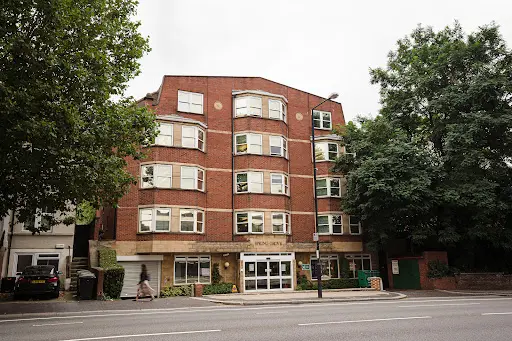
Spring Grove, at 214 Finchley Road in London, was rated Good across all five inspection domains at its inspection in January 2022. A monitoring review carried out in July 2023 found no evidence to change that rating. The home is registered for 46 beds, specialises in care for older adults and people living with dementia, and has a named registered manager and nominated individual in post. The main limitation of this report is that the published inspection text provides almost no specific detail: no inspector observations, no resident or relative quotes, and no description of day-to-day practice. A Good rating is a genuine positive signal, but it tells you little about what life is actually like for your parent inside this home. Before making a decision, visit at different times of day, observe how staff interact with residents in corridors and at mealtimes, and use the checklist questions above to fill in the gaps the inspection leaves open. Pay particular attention to night staffing numbers, agency staff usage, and what one-to-one activity looks like for someone with advanced dementia.
The three questions to ask when you visitSave this home. Compare it against your shortlist.
Let our analysis show you how Spring Grove Care Home measures up against the other homes you’re considering. Free account.
In Their Own Words
How Spring Grove Care Home describes itself — collected from its own website. DCC has not edited or independently verified the content in this tab.
Where dementia care feels genuinely personal and families stay connected
Residential home in London: True Peace of Mind
When someone you love needs dementia care, you want to know they'll be treated with real warmth and dignity. Spring Grove in London seems to understand this deeply. Families describe a place where staff take time to really connect with residents, and where managers work closely with families as needs change.
Who they care for
Spring Grove cares for people over 65, with particular experience in dementia care.
Families dealing with dementia appreciate how the home handles the progression of the condition. The staff team appears stable and well-selected, which matters when consistency is so important for people with dementia.
“It sounds like a place where professional dementia care comes with genuine human connection.”
DCC does not edit or curate content in this tab. For independently curated information, see The Evidence and DCC Verdict.
The DCC Verdict
Our editorial view, built from the three lenses: what families tell us, what inspectors record, and how the home sits against good dementia-care practice.
DCC Family Score
Spring Grove holds a Good rating across all five inspection domains, which is a solid baseline. However, the published inspection text contains very little specific detail, so scores reflect the rating itself rather than observed evidence, and families should visit and ask questions directly to fill the gaps.
Homes in London typically score 68–82.The three-lens summary
What families tell us
What strikes visitors is how staff interact with residents — there's genuine engagement and patience in the way carers spend time with people. Families mention seeing real smiles and meaningful connections between staff and residents, not just task-focused care.
What inspectors have recorded
The management team seems particularly good at keeping families in the loop about their loved one's changing needs. When adjustments to care are needed, families report that managers and mental health teams work together proactively to find the right approach.
How it sits against good practice
It sounds like a place where professional dementia care comes with genuine human connection.
Worth a visit
Spring Grove, at 214 Finchley Road in London, was rated Good across all five inspection domains at its inspection in January 2022. A monitoring review carried out in July 2023 found no evidence to change that rating. The home is registered for 46 beds, specialises in care for older adults and people living with dementia, and has a named registered manager and nominated individual in post. The main limitation of this report is that the published inspection text provides almost no specific detail: no inspector observations, no resident or relative quotes, and no description of day-to-day practice. A Good rating is a genuine positive signal, but it tells you little about what life is actually like for your parent inside this home. Before making a decision, visit at different times of day, observe how staff interact with residents in corridors and at mealtimes, and use the checklist questions above to fill in the gaps the inspection leaves open. Pay particular attention to night staffing numbers, agency staff usage, and what one-to-one activity looks like for someone with advanced dementia.
The three questions to ask when you visitSave this home. Compare it against your shortlist.
Let our analysis show you how Spring Grove Care Home measures up against the other homes you’re considering. Free account.
In Their Own Words
How Spring Grove Care Home describes itself — collected from its own website. DCC has not edited or independently verified the content in this tab.
Where dementia care feels genuinely personal and families stay connected
Residential home in London: True Peace of Mind
When someone you love needs dementia care, you want to know they'll be treated with real warmth and dignity. Spring Grove in London seems to understand this deeply. Families describe a place where staff take time to really connect with residents, and where managers work closely with families as needs change.
Who they care for
Spring Grove cares for people over 65, with particular experience in dementia care.
Families dealing with dementia appreciate how the home handles the progression of the condition. The staff team appears stable and well-selected, which matters when consistency is so important for people with dementia.
Management & ethos
The management team seems particularly good at keeping families in the loop about their loved one's changing needs. When adjustments to care are needed, families report that managers and mental health teams work together proactively to find the right approach.
The home & environment
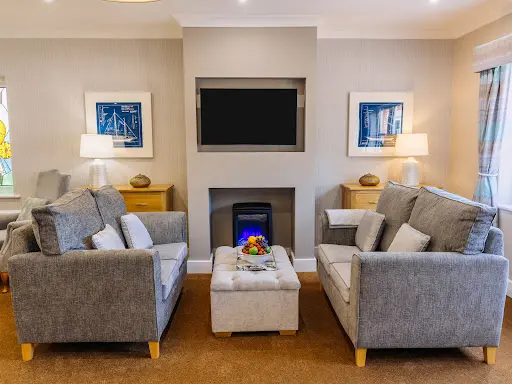
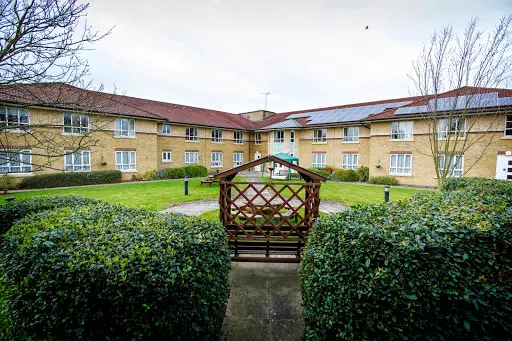
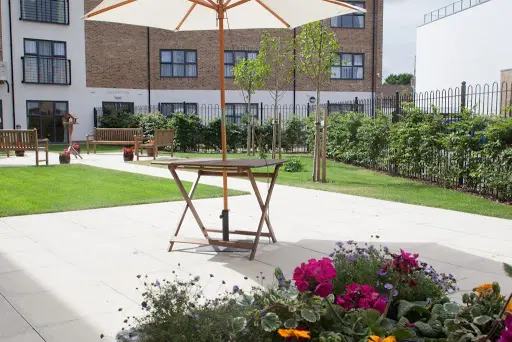
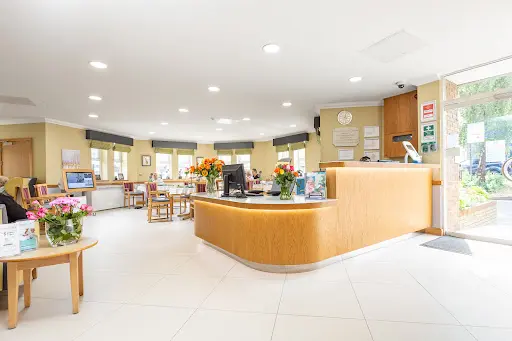
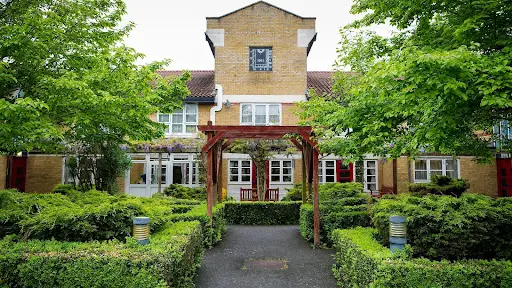
The home maintains clean, spacious communal areas where residents can enjoy different activities throughout the day. There's outdoor space that people can actually use, and families describe a programme that keeps residents engaged mentally and physically.
“It sounds like a place where professional dementia care comes with genuine human connection.”
DCC does not edit or curate content in this tab. For independently curated information, see The Evidence and DCC Verdict.