Richmondwood
At a Glance
The information you need to decide whether this home warrants a closer look.
Residential homes
Staff warmth score
of reviewers answered yes
Good to know
- Registered beds22
- SpecialismsCaring for adults over 65 yrs, Caring for adults under 65 yrs, Dementia, Eating disorders, Mental health conditions, Physical disabilities, Sensory impairment
- Last inspected2023-02-07
Save Richmondwood to your shortlist
Keep a running list, add visit notes, and compare homes side-by-side. Free account — it takes a minute.
STAGE 4 — RESEARCHING CARE HOMES
Visit homes. Compare them side by side. Choose with confidence.
Most of us will view care homes the way we view houses, impression, atmosphere, the feeling in the corridor. We go home, try to remember what we saw, and make a permanent decision from a blurred memory.

The DCC shortlist gives every home you visit a structured record: the same twelve questions, answered the same way, every time. When you’re ready to choose, pull any two homes side by side and compare them directly. Same criteria, same evidence, your notes and your scores.
The Evidence
What the review data, the inspection reports, and the dementia-care evidence base tell us about this home.
What families say
Families talk about seeing their relatives genuinely happy here, often more settled than they'd been in months. People mention the patience of the care team and how they take time to learn what makes each resident tick. There's a real sense that staff enjoy what they do, which creates a relaxed atmosphere throughout the home.
The eight family priority themes
- Staff warmth72
- Compassion & dignity72
- Cleanliness68
- Activities & engagement55
- Food quality55
- Healthcare68
- Management & leadership72
- Resident happiness68
What inspectors found
Inspected 2023-02-07
Is this home safe?
Is the care effective?
The Effective domain was rated Good at the January 2023 inspection. This domain covers training, care planning, healthcare access, and nutritional support. Dementia is a listed specialism, which means inspectors will have looked at whether staff have relevant knowledge and whether care plans reflect individual needs. No specific detail about training content, GP access frequency, or care plan quality is included in the published report. The home also lists eating disorders as a specialism, which requires specific dietary and monitoring competencies.Is this home caring?
The Caring domain was rated Good at the January 2023 inspection. Inspectors assess this domain by observing staff interactions, checking whether people are addressed by their preferred names, and looking for signs of unhurried, respectful care. No direct inspector observations, resident comments, or relative quotes are included in the published report for this home. The home supports adults with a broad range of needs, including dementia and mental health conditions, where skilled, kind interaction is particularly important.Is the home responsive?
The Responsive domain was rated Good at the January 2023 inspection. This domain covers whether the home offers meaningful activities, responds to individual preferences, handles complaints fairly, and plans for end-of-life care. Dementia is a listed specialism, which means inspectors will have looked at whether activities are adapted for people who cannot join group sessions. No specific activities, timetables, or individual engagement examples are published in the report.Is the home well-led?
The Well-led domain was rated Good at the January 2023 inspection. A named registered manager, Miss Georgina Louise Smee, and a nominated individual, Miss Holly Samantha Victoria Glazer, are recorded as being in post. This domain covers whether there is a positive culture, whether staff can speak up, whether governance systems work, and whether the home learns from incidents. No specific governance examples, staff feedback, or learning-from-incidents evidence is published in the report. The July 2023 monitoring review found no new concerns requiring reassessment.
Source: CQC inspection report →
What the evidence base says
Richmondwood supports younger adults alongside older residents, caring for people with dementia, mental health conditions, physical disabilities, sensory impairments and eating disorders. They also offer respite care for families who need temporary support. The team shows particular skill in supporting residents with dementia through patient, individualised approaches. Activities are planned around what each person enjoys, whether that's exercise classes or quieter pursuits, helping maintain connections to familiar interests. All areas worth probing directly during a visit.
The DCC Verdict
Our editorial view, built from the three lenses: what families tell us, what inspectors record, and how the home sits against good dementia-care practice.
DCC Family Score
Richmondwood Rest Home was rated Good across all five inspection domains, which is a solid baseline, but the published report contains limited specific observations, quotes, or direct evidence to push scores higher. Most themes score in the confirmed-but-general range.
Homes in South West typically score 68–82.The three-lens summary
What families tell us
Families talk about seeing their relatives genuinely happy here, often more settled than they'd been in months. People mention the patience of the care team and how they take time to learn what makes each resident tick. There's a real sense that staff enjoy what they do, which creates a relaxed atmosphere throughout the home.
What inspectors have recorded
The management team actively involves families in care planning, which helps everyone feel part of the process. Communication flows both ways here — relatives know they'll get updates when needed, and their input shapes daily care decisions. The whole approach centres on keeping residents safe while respecting their independence and choices.
How it sits against good practice
What matters here is that residents feel heard and families feel included — something that shows in the small daily choices as much as the bigger care decisions.
Worth a visit
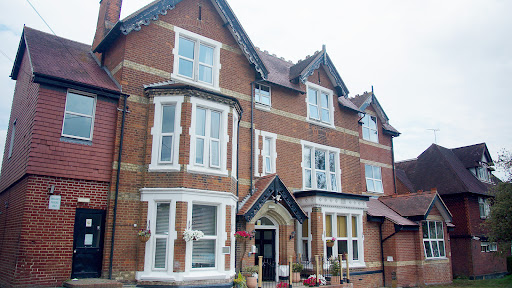
Richmondwood Rest Home, at 19 Richmond Park Avenue in Bournemouth, was rated Good across all five inspection domains at its inspection in January 2023. The home is registered to care for 22 people, including those living with dementia, mental health conditions, physical disabilities, and sensory impairment. A named registered manager and a nominated individual are in post, indicating a clear leadership structure. The rating has been stable, with a July 2023 monitoring review finding no reason to change it. The main limitation for families is that the published inspection report contains very little specific detail: no direct quotes from residents or relatives, no inspector observations about daily life, and no data on staffing ratios, activities, or food. A Good rating is a genuine positive signal, but it tells you the minimum threshold was met, not how the home compares day to day. Before deciding, visit at a mealtime, ask to see last week's actual staffing rota (not the template), and ask the manager directly how staff are trained in dementia care and how families are kept informed about changes to their parent's care.
The three questions to ask when you visitSave this home. Compare it against your shortlist.
Let our analysis show you how Richmondwood measures up against the other homes you’re considering. Free account.
In Their Own Words
How Richmondwood describes itself — collected from its own website. DCC has not edited or independently verified the content in this tab.
Where specialist care feels like everyday kindness in Bournemouth
Dedicated residential home Support in Bournemouth
When families describe how settled their relatives have become at Richmondwood Rest Home in Bournemouth, you can hear the relief in their words. This care home supports people with complex needs — from dementia to physical disabilities — yet what strikes visitors most is how natural and unhurried everything feels. The team here seems to understand that good care starts with really knowing each person.
Who they care for
Richmondwood supports younger adults alongside older residents, caring for people with dementia, mental health conditions, physical disabilities, sensory impairments and eating disorders. They also offer respite care for families who need temporary support.
The team shows particular skill in supporting residents with dementia through patient, individualised approaches. Activities are planned around what each person enjoys, whether that's exercise classes or quieter pursuits, helping maintain connections to familiar interests.
“What matters here is that residents feel heard and families feel included — something that shows in the small daily choices as much as the bigger care decisions.”
DCC does not edit or curate content in this tab. For independently curated information, see The Evidence and DCC Verdict.
The DCC Verdict
Our editorial view, built from the three lenses: what families tell us, what inspectors record, and how the home sits against good dementia-care practice.
DCC Family Score
Richmondwood Rest Home was rated Good across all five inspection domains, which is a solid baseline, but the published report contains limited specific observations, quotes, or direct evidence to push scores higher. Most themes score in the confirmed-but-general range.
Homes in South West typically score 68–82.The three-lens summary
What families tell us
Families talk about seeing their relatives genuinely happy here, often more settled than they'd been in months. People mention the patience of the care team and how they take time to learn what makes each resident tick. There's a real sense that staff enjoy what they do, which creates a relaxed atmosphere throughout the home.
What inspectors have recorded
The management team actively involves families in care planning, which helps everyone feel part of the process. Communication flows both ways here — relatives know they'll get updates when needed, and their input shapes daily care decisions. The whole approach centres on keeping residents safe while respecting their independence and choices.
How it sits against good practice
What matters here is that residents feel heard and families feel included — something that shows in the small daily choices as much as the bigger care decisions.
Worth a visit
Richmondwood Rest Home, at 19 Richmond Park Avenue in Bournemouth, was rated Good across all five inspection domains at its inspection in January 2023. The home is registered to care for 22 people, including those living with dementia, mental health conditions, physical disabilities, and sensory impairment. A named registered manager and a nominated individual are in post, indicating a clear leadership structure. The rating has been stable, with a July 2023 monitoring review finding no reason to change it. The main limitation for families is that the published inspection report contains very little specific detail: no direct quotes from residents or relatives, no inspector observations about daily life, and no data on staffing ratios, activities, or food. A Good rating is a genuine positive signal, but it tells you the minimum threshold was met, not how the home compares day to day. Before deciding, visit at a mealtime, ask to see last week's actual staffing rota (not the template), and ask the manager directly how staff are trained in dementia care and how families are kept informed about changes to their parent's care.
The three questions to ask when you visitSave this home. Compare it against your shortlist.
Let our analysis show you how Richmondwood measures up against the other homes you’re considering. Free account.
In Their Own Words
How Richmondwood describes itself — collected from its own website. DCC has not edited or independently verified the content in this tab.
Where specialist care feels like everyday kindness in Bournemouth
Dedicated residential home Support in Bournemouth
When families describe how settled their relatives have become at Richmondwood Rest Home in Bournemouth, you can hear the relief in their words. This care home supports people with complex needs — from dementia to physical disabilities — yet what strikes visitors most is how natural and unhurried everything feels. The team here seems to understand that good care starts with really knowing each person.
Who they care for
Richmondwood supports younger adults alongside older residents, caring for people with dementia, mental health conditions, physical disabilities, sensory impairments and eating disorders. They also offer respite care for families who need temporary support.
The team shows particular skill in supporting residents with dementia through patient, individualised approaches. Activities are planned around what each person enjoys, whether that's exercise classes or quieter pursuits, helping maintain connections to familiar interests.
Management & ethos
The management team actively involves families in care planning, which helps everyone feel part of the process. Communication flows both ways here — relatives know they'll get updates when needed, and their input shapes daily care decisions. The whole approach centres on keeping residents safe while respecting their independence and choices.
The home & environment
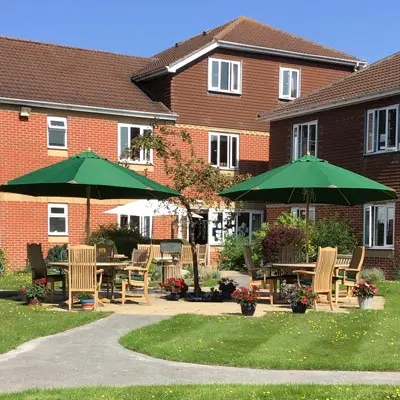
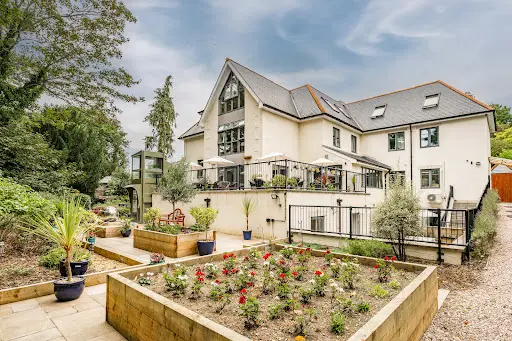
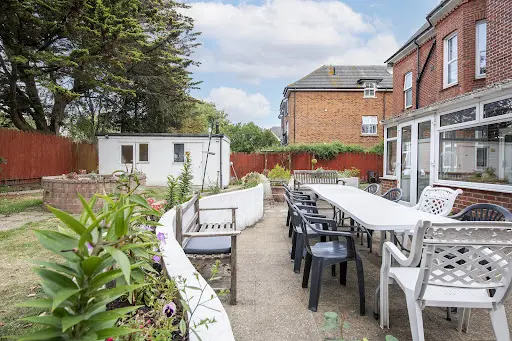
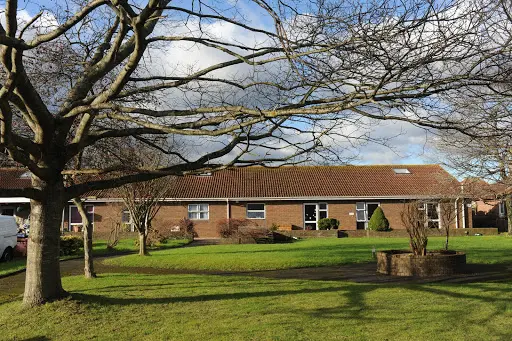
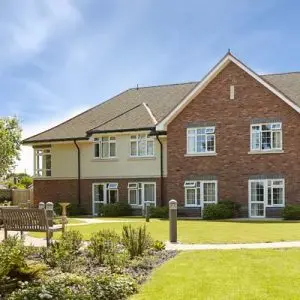
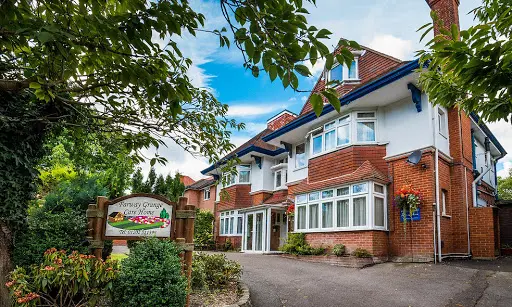
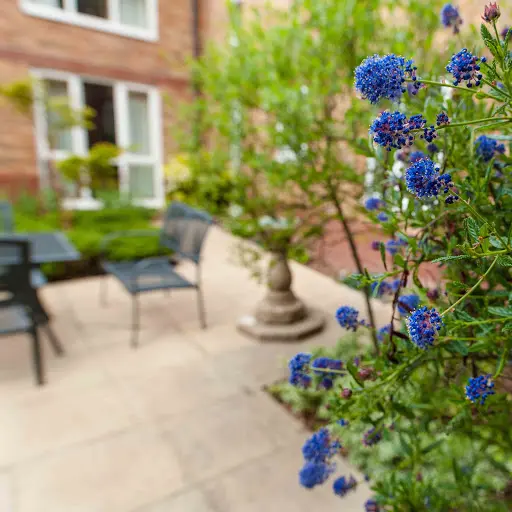
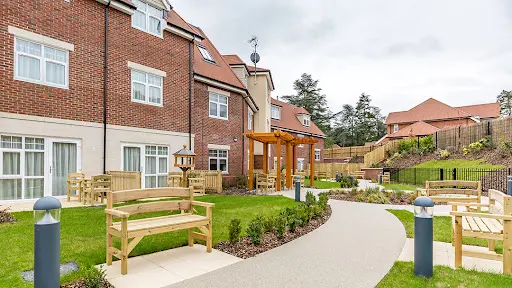
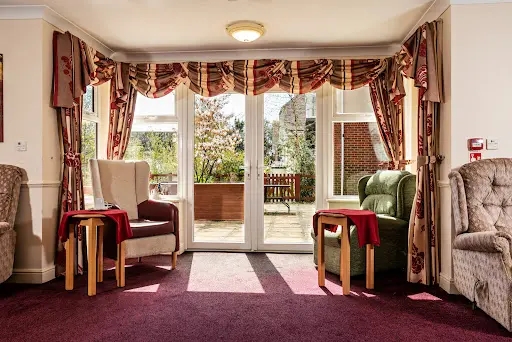
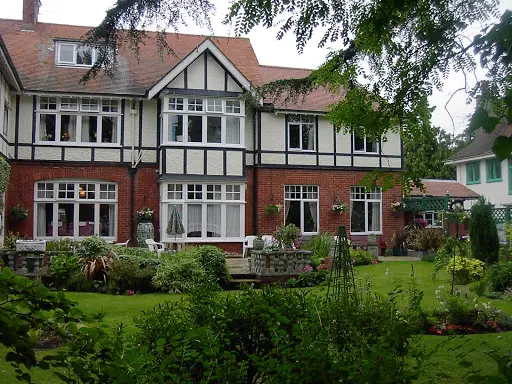
The home keeps everything fresh and clean without feeling clinical — families often comment on how well-maintained the spaces are. There's a garden that residents use regularly, and the kitchen produces proper home-cooked meals daily. Birthday celebrations get special attention, and the dining experience adapts to what residents actually want to eat.
“What matters here is that residents feel heard and families feel included — something that shows in the small daily choices as much as the bigger care decisions.”
DCC does not edit or curate content in this tab. For independently curated information, see The Evidence and DCC Verdict.