Livability Dolphin Court
At a Glance
The information you need to decide whether this home warrants a closer look.
Residential homes, Homecare agencies
Staff warmth score
of reviewers answered yes
Good to know
- Registered beds17
- SpecialismsCaring for adults over 65 yrs, Caring for adults under 65 yrs, Dementia, Learning disabilities, Mental health conditions, Physical disabilities, Sensory impairment
- Last inspected2019-11-01
Save Livability Dolphin Court to your shortlist
Keep a running list, add visit notes, and compare homes side-by-side. Free account — it takes a minute.
STAGE 4 — RESEARCHING CARE HOMES
Visit homes. Compare them side by side. Choose with confidence.
Most of us will view care homes the way we view houses, impression, atmosphere, the feeling in the corridor. We go home, try to remember what we saw, and make a permanent decision from a blurred memory.

The DCC shortlist gives every home you visit a structured record: the same twelve questions, answered the same way, every time. When you’re ready to choose, pull any two homes side by side and compare them directly. Same criteria, same evidence, your notes and your scores.
The Evidence
What the review data, the inspection reports, and the dementia-care evidence base tell us about this home.
What families say
People notice how the team here treats residents with genuine respect. There's a real emphasis on maintaining dignity in daily life, whether someone needs just a little help or more comprehensive support. The approach feels different — less about doing things for residents and more about enabling them to keep their independence wherever possible.
The eight family priority themes
- Staff warmth72
- Compassion & dignity72
- Cleanliness68
- Activities & engagement65
- Food quality62
- Healthcare65
- Management & leadership72
- Resident happiness68
What inspectors found
Inspected 2019-11-01
Is this home safe?
Is the care effective?
The home was rated Good for Effective at the October 2019 inspection. This domain covers training, care planning, healthcare access, and nutrition. Dementia, learning disabilities, mental health, physical disabilities, and sensory impairment are all listed as specialisms, which means the home is expected to hold relevant training across a wide range of needs. No specific details about training content, GP access arrangements, or care plan quality are described in the published summary. The previous rating in this domain is not specified in the published text, but the overall improvement trajectory is positive.Is this home caring?
The home was rated Good for Caring at the October 2019 inspection. This domain covers staff warmth, dignity, respect, and support for independence. No direct inspector observations, resident quotes, or family testimony are included in the published summary. The Good rating indicates inspectors were satisfied with the quality of interactions they observed. The home's small size (17 beds) can be a genuine advantage here, as staff are more likely to know each resident individually.Is the home responsive?
The home was rated Good for Responsive at the October 2019 inspection. This domain covers activities, individual engagement, and end-of-life care planning. The home's wide range of specialisms suggests residents have diverse needs and backgrounds, which makes a genuinely tailored activities programme more complex to deliver. No specific activities, individual engagement approaches, or end-of-life care arrangements are described in the published summary. The small size of the home (17 beds) means individual attention is more feasible than in larger settings.Is the home well-led?
The home was rated Good for Well-led at the October 2019 inspection. A registered manager, Mr Jacek Skiba, and a nominated individual, Ms Jane Percy, are both named and in post. The improvement from a previous Requires Improvement rating to Good across all domains suggests the management team has driven meaningful change. No specific governance arrangements, culture observations, or staff feedback are described in the published summary. The home is operated by Livability, a national charity, which provides an organisational governance framework above home level.
Source: CQC inspection report →
What the evidence base says
The home provides care for younger adults under 65 as well as older residents, supporting people with dementia, learning disabilities and physical disabilities. For those living with dementia, the home's emphasis on maintaining personal dignity becomes especially important as the condition progresses. All areas worth probing directly during a visit.
The DCC Verdict
Our editorial view, built from the three lenses: what families tell us, what inspectors record, and how the home sits against good dementia-care practice.
DCC Family Score
Shaftesbury Dolphin Court has improved from Requires Improvement to Good across all five inspection domains, which is a meaningful positive step. However, the inspection report available contains limited specific observational detail, so scores reflect confirmed Good ratings rather than rich first-hand evidence.
Homes in East typically score 68–82.The three-lens summary
What families tell us
People notice how the team here treats residents with genuine respect. There's a real emphasis on maintaining dignity in daily life, whether someone needs just a little help or more comprehensive support. The approach feels different — less about doing things for residents and more about enabling them to keep their independence wherever possible.
What inspectors have recorded
Staff here demonstrate solid professional standards in their daily work. The team appears well-suited to their roles, bringing competence to their interactions with residents.
How it sits against good practice
The combination of sea air and respectful care creates an environment where residents can maintain their sense of self.
Worth a visit
Shaftesbury Dolphin Court, a 17-bed home in Thorpe Bay run by Livability, was rated Good across all five inspection domains at its October 2019 inspection. This is a positive result, and the improvement from a previous Requires Improvement rating shows the management team has made meaningful progress. The home supports a wide range of needs including dementia, learning disabilities, mental health conditions, and physical disabilities, which means your parent would be among a small, diverse group of residents in a seaside location. The main uncertainty here is the age of the inspection: the findings are now over five years old. A 2023 monitoring review found no cause to reassess the rating, but that is not the same as a full re-inspection. A lot can change in a small home in five years, including staffing, management continuity, and the mix of residents' needs. When you visit, ask specifically about the current registered manager's tenure, how dementia care has developed since 2019, and what the night staffing arrangements look like. A Good rating from 2019 is encouraging, but your own eyes on the home today matter more.
The three questions to ask when you visitSave this home. Compare it against your shortlist.
Let our analysis show you how Livability Dolphin Court measures up against the other homes you’re considering. Free account.
In Their Own Words
How Livability Dolphin Court describes itself — collected from its own website. DCC has not edited or independently verified the content in this tab.
A seaside sanctuary where dignity shapes every moment of care
Shaftesbury Dolphin Court – Expert Care in Thorpe Bay
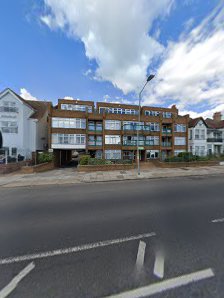
When you're looking for somewhere that treats your loved one as a whole person, not just their condition, Shaftesbury Dolphin Court in Thorpe Bay offers something refreshing. This care home overlooks the sea, bringing a sense of calm to what can feel like an overwhelming transition. The focus here isn't on managing limitations — it's on supporting what each resident can still do for themselves.
Who they care for
The home provides care for younger adults under 65 as well as older residents, supporting people with dementia, learning disabilities and physical disabilities.
For those living with dementia, the home's emphasis on maintaining personal dignity becomes especially important as the condition progresses.
“The combination of sea air and respectful care creates an environment where residents can maintain their sense of self.”
DCC does not edit or curate content in this tab. For independently curated information, see The Evidence and DCC Verdict.
The DCC Verdict
Our editorial view, built from the three lenses: what families tell us, what inspectors record, and how the home sits against good dementia-care practice.
DCC Family Score
Shaftesbury Dolphin Court has improved from Requires Improvement to Good across all five inspection domains, which is a meaningful positive step. However, the inspection report available contains limited specific observational detail, so scores reflect confirmed Good ratings rather than rich first-hand evidence.
Homes in East typically score 68–82.The three-lens summary
What families tell us
People notice how the team here treats residents with genuine respect. There's a real emphasis on maintaining dignity in daily life, whether someone needs just a little help or more comprehensive support. The approach feels different — less about doing things for residents and more about enabling them to keep their independence wherever possible.
What inspectors have recorded
Staff here demonstrate solid professional standards in their daily work. The team appears well-suited to their roles, bringing competence to their interactions with residents.
How it sits against good practice
The combination of sea air and respectful care creates an environment where residents can maintain their sense of self.
Worth a visit
Shaftesbury Dolphin Court, a 17-bed home in Thorpe Bay run by Livability, was rated Good across all five inspection domains at its October 2019 inspection. This is a positive result, and the improvement from a previous Requires Improvement rating shows the management team has made meaningful progress. The home supports a wide range of needs including dementia, learning disabilities, mental health conditions, and physical disabilities, which means your parent would be among a small, diverse group of residents in a seaside location. The main uncertainty here is the age of the inspection: the findings are now over five years old. A 2023 monitoring review found no cause to reassess the rating, but that is not the same as a full re-inspection. A lot can change in a small home in five years, including staffing, management continuity, and the mix of residents' needs. When you visit, ask specifically about the current registered manager's tenure, how dementia care has developed since 2019, and what the night staffing arrangements look like. A Good rating from 2019 is encouraging, but your own eyes on the home today matter more.
The three questions to ask when you visitSave this home. Compare it against your shortlist.
Let our analysis show you how Livability Dolphin Court measures up against the other homes you’re considering. Free account.
In Their Own Words
How Livability Dolphin Court describes itself — collected from its own website. DCC has not edited or independently verified the content in this tab.
A seaside sanctuary where dignity shapes every moment of care
Shaftesbury Dolphin Court – Expert Care in Thorpe Bay
When you're looking for somewhere that treats your loved one as a whole person, not just their condition, Shaftesbury Dolphin Court in Thorpe Bay offers something refreshing. This care home overlooks the sea, bringing a sense of calm to what can feel like an overwhelming transition. The focus here isn't on managing limitations — it's on supporting what each resident can still do for themselves.
Who they care for
The home provides care for younger adults under 65 as well as older residents, supporting people with dementia, learning disabilities and physical disabilities.
For those living with dementia, the home's emphasis on maintaining personal dignity becomes especially important as the condition progresses.
Management & ethos
Staff here demonstrate solid professional standards in their daily work. The team appears well-suited to their roles, bringing competence to their interactions with residents.
The home & environment
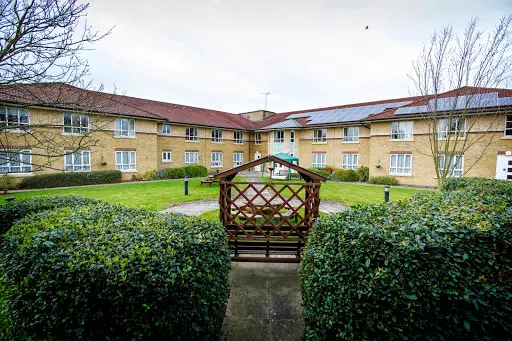
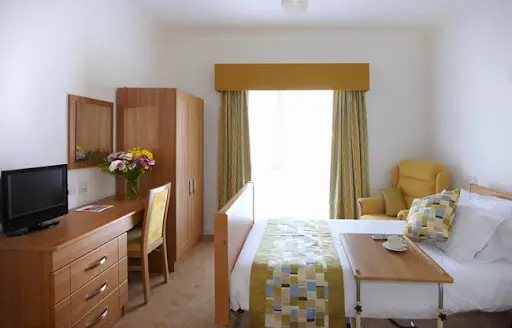
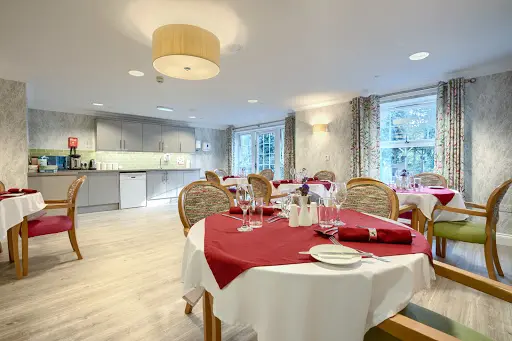
The sea views create a naturally therapeutic environment that families appreciate. The building itself maintains good standards throughout, giving residents pleasant surroundings that support their wellbeing rather than feeling institutional.
“The combination of sea air and respectful care creates an environment where residents can maintain their sense of self.”
DCC does not edit or curate content in this tab. For independently curated information, see The Evidence and DCC Verdict.