Seccombe Court Care Home – Care UK

At a Glance
The information you need to decide whether this home warrants a closer look.
Nursing homes
Staff warmth score
of reviewers answered yes
Good to know
- Registered beds60
- SpecialismsCaring for adults over 65 yrs, Caring for adults under 65 yrs, Dementia, Physical disabilities
- Last inspected2023-06-13
Save Seccombe Court Care Home – Care UK to your shortlist
Keep a running list, add visit notes, and compare homes side-by-side. Free account — it takes a minute.
STAGE 4 — RESEARCHING CARE HOMES
Visit homes. Compare them side by side. Choose with confidence.
Most of us will view care homes the way we view houses, impression, atmosphere, the feeling in the corridor. We go home, try to remember what we saw, and make a permanent decision from a blurred memory.

The DCC shortlist gives every home you visit a structured record: the same twelve questions, answered the same way, every time. When you’re ready to choose, pull any two homes side by side and compare them directly. Same criteria, same evidence, your notes and your scores.
The Evidence
What the review data, the inspection reports, and the dementia-care evidence base tell us about this home.
What families say
Families talk about the difference it makes when staff genuinely know each resident's story and preferences. They describe relatives with advanced dementia becoming noticeably calmer and more social after moving in. The freedom to visit whenever they want helps ease that difficult guilt around the decision to find residential care.
The eight family priority themes
- Staff warmth72
- Compassion & dignity75
- Cleanliness70
- Activities & engagement88
- Food quality65
- Healthcare72
- Management & leadership72
- Resident happiness78
What inspectors found
Inspected 2023-06-13
Is this home safe?
Is the care effective?
The Effective domain was rated Good at the April 2023 inspection. This covers whether staff have the training and knowledge to meet residents' needs, whether care plans are detailed and up to date, and whether your parent would have timely access to healthcare professionals including GPs. Dementia is a registered specialism at Seccombe Court, which means the home must demonstrate relevant staff training to maintain that registration. The Good Effective rating indicates these requirements were met. No specific concerns about training gaps or healthcare access delays were recorded.Is this home caring?
The Caring domain was rated Good at the April 2023 inspection. This domain covers whether staff treat residents with warmth, respect their dignity, and support their independence. A Good rating here means inspectors were satisfied that the standard of interpersonal care met requirements. The home is registered for nursing care and dementia, which means caring interactions are assessed in the context of more complex needs. No specific concerns about undignified treatment, rushed care, or disrespectful behaviour were recorded in the published findings.Is the home responsive?
The Responsive domain was rated Outstanding at the April 2023 inspection. This is the highest possible rating and is awarded only when inspectors find strong, specific evidence that the home treats residents as individuals, offers a genuinely varied and meaningful activity programme, and responds flexibly to changing needs. Outstanding ratings in this domain are rare: fewer than five percent of care homes in England hold this rating for Responsive care. The home is registered for dementia and physical disabilities, so this rating reflects responsiveness to a complex and varied group of residents. No concerns were raised in this domain.Is the home well-led?
The Well-led domain was rated Good at the April 2023 inspection. This covers the quality of management, the culture within the home, and whether governance systems mean that problems are identified and acted on. The nominated individual is Ms Rachel Louise Harvey. A Good Well-led rating confirms that inspectors found leadership to be effective and that staff culture supported good outcomes for residents. No concerns about management instability, poor governance, or a culture where staff could not speak up were recorded in the published findings.
Source: CQC inspection report →
What the evidence base says
The home cares for adults both under and over 65, including those with dementia and physical disabilities. Families describe measurable improvements in their relatives' dementia symptoms — increased calmness, better social engagement, and brighter moods. Staff take time to understand each person's individual patterns and preferences, which seems to make a real difference in daily quality of life. All areas worth probing directly during a visit.
The DCC Verdict
Our editorial view, built from the three lenses: what families tell us, what inspectors record, and how the home sits against good dementia-care practice.
DCC Family Score
Seccombe Court scores well above average on activities and engagement, where inspectors rated the home Outstanding, and holds solid Good ratings across safety, care, and leadership. Scores in food and cleanliness reflect limited specific detail in the published inspection text rather than any identified concern.
Homes in South East typically score 68–82.The three-lens summary
What families tell us
Families talk about the difference it makes when staff genuinely know each resident's story and preferences. They describe relatives with advanced dementia becoming noticeably calmer and more social after moving in. The freedom to visit whenever they want helps ease that difficult guilt around the decision to find residential care.
What inspectors have recorded
Staff handle complex medical needs while keeping families genuinely informed about their relative's care. They coordinate with external health services, manage nursing requirements, and several families noted how their relatives' health actually improved after admission. When the hardest times come, families describe staff providing dignified end-of-life care and staying in touch through their grief.
How it sits against good practice
Sometimes the hardest decisions lead to unexpectedly positive outcomes, and that's what families keep describing here.
Worth a visit
Seccombe Court in Banbury was inspected in April 2023 and rated Good overall, with an Outstanding rating for Responsive care, the domain that covers activities, engagement, and how well the home responds to your parent as an individual. The home is registered to care for people with dementia, physical disabilities, and both older and younger adults, across 60 beds. All five inspection domains met or exceeded the standard required, which places this home in a stronger position than many in its area. The main gap is in the detail available from the published inspection summary. Specific observations about staffing ratios, night cover, agency use, food quality, and how families are kept informed are not recorded in the text available to us. The Outstanding Responsive rating is a meaningful signal, but you should ask the manager directly about how one-to-one engagement is provided for anyone who cannot join group activities, what the permanent-to-agency staffing ratio looks like on a typical weekday night, and how quickly the team contacts you if your parent's health or behaviour changes. A lunchtime visit, where you can observe the pace of care and the quality of the meal, will tell you more than any document.
The three questions to ask when you visitSave this home. Compare it against your shortlist.
Let our analysis show you how Seccombe Court Care Home – Care UK measures up against the other homes you’re considering. Free account.
In Their Own Words
How Seccombe Court Care Home – Care UK describes itself — collected from its own website. DCC has not edited or independently verified the content in this tab.
Where difficult days become lighter through genuine connection
Nursing home in Banbury: True Peace of Mind
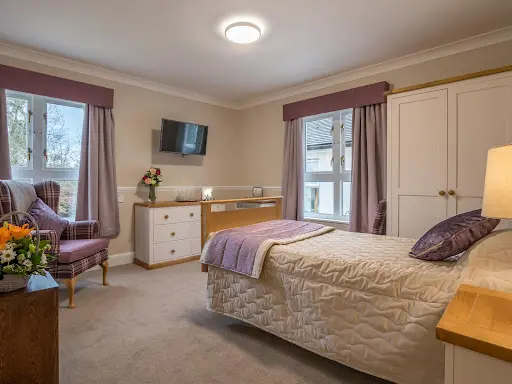
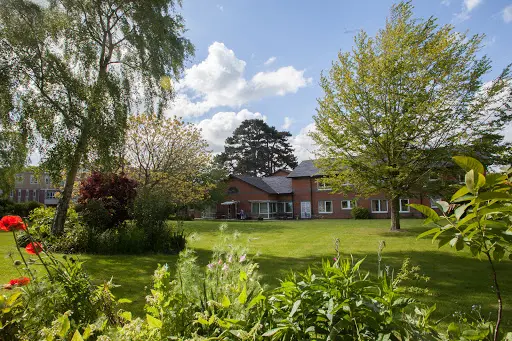
When dementia changes everything familiar, families describe finding unexpected comfort at Seccombe Court in Banbury. What strikes visitors first isn't just the comfortable rooms and well-kept gardens — it's watching their relatives grow calmer and more engaged as staff learn who they really are, not just what care they need.
Who they care for
The home cares for adults both under and over 65, including those with dementia and physical disabilities.
Families describe measurable improvements in their relatives' dementia symptoms — increased calmness, better social engagement, and brighter moods. Staff take time to understand each person's individual patterns and preferences, which seems to make a real difference in daily quality of life.
“Sometimes the hardest decisions lead to unexpectedly positive outcomes, and that's what families keep describing here.”
DCC does not edit or curate content in this tab. For independently curated information, see The Evidence and DCC Verdict.
The DCC Verdict
Our editorial view, built from the three lenses: what families tell us, what inspectors record, and how the home sits against good dementia-care practice.
DCC Family Score
Seccombe Court scores well above average on activities and engagement, where inspectors rated the home Outstanding, and holds solid Good ratings across safety, care, and leadership. Scores in food and cleanliness reflect limited specific detail in the published inspection text rather than any identified concern.
Homes in South East typically score 68–82.The three-lens summary
What families tell us
Families talk about the difference it makes when staff genuinely know each resident's story and preferences. They describe relatives with advanced dementia becoming noticeably calmer and more social after moving in. The freedom to visit whenever they want helps ease that difficult guilt around the decision to find residential care.
What inspectors have recorded
Staff handle complex medical needs while keeping families genuinely informed about their relative's care. They coordinate with external health services, manage nursing requirements, and several families noted how their relatives' health actually improved after admission. When the hardest times come, families describe staff providing dignified end-of-life care and staying in touch through their grief.
How it sits against good practice
Sometimes the hardest decisions lead to unexpectedly positive outcomes, and that's what families keep describing here.
Worth a visit
Seccombe Court in Banbury was inspected in April 2023 and rated Good overall, with an Outstanding rating for Responsive care, the domain that covers activities, engagement, and how well the home responds to your parent as an individual. The home is registered to care for people with dementia, physical disabilities, and both older and younger adults, across 60 beds. All five inspection domains met or exceeded the standard required, which places this home in a stronger position than many in its area. The main gap is in the detail available from the published inspection summary. Specific observations about staffing ratios, night cover, agency use, food quality, and how families are kept informed are not recorded in the text available to us. The Outstanding Responsive rating is a meaningful signal, but you should ask the manager directly about how one-to-one engagement is provided for anyone who cannot join group activities, what the permanent-to-agency staffing ratio looks like on a typical weekday night, and how quickly the team contacts you if your parent's health or behaviour changes. A lunchtime visit, where you can observe the pace of care and the quality of the meal, will tell you more than any document.
The three questions to ask when you visitSave this home. Compare it against your shortlist.
Let our analysis show you how Seccombe Court Care Home – Care UK measures up against the other homes you’re considering. Free account.
In Their Own Words
How Seccombe Court Care Home – Care UK describes itself — collected from its own website. DCC has not edited or independently verified the content in this tab.
Where difficult days become lighter through genuine connection
Nursing home in Banbury: True Peace of Mind
When dementia changes everything familiar, families describe finding unexpected comfort at Seccombe Court in Banbury. What strikes visitors first isn't just the comfortable rooms and well-kept gardens — it's watching their relatives grow calmer and more engaged as staff learn who they really are, not just what care they need.
Who they care for
The home cares for adults both under and over 65, including those with dementia and physical disabilities.
Families describe measurable improvements in their relatives' dementia symptoms — increased calmness, better social engagement, and brighter moods. Staff take time to understand each person's individual patterns and preferences, which seems to make a real difference in daily quality of life.
Management & ethos
Staff handle complex medical needs while keeping families genuinely informed about their relative's care. They coordinate with external health services, manage nursing requirements, and several families noted how their relatives' health actually improved after admission. When the hardest times come, families describe staff providing dignified end-of-life care and staying in touch through their grief.
The home & environment
The physical environment gets consistent praise — comfortable rooms that feel personal, gardens that invite you outside, and maintenance that keeps everything looking fresh. Families mention the surroundings help normalise daily life rather than feeling institutional, with spaces that work well for both quiet moments and social activities.
“Sometimes the hardest decisions lead to unexpectedly positive outcomes, and that's what families keep describing here.”
DCC does not edit or curate content in this tab. For independently curated information, see The Evidence and DCC Verdict.