Green Pastures
At a Glance
The information you need to decide whether this home warrants a closer look.
Nursing homes
Staff warmth score
of reviewers answered yes
Good to know
- Registered beds60
- SpecialismsCaring for adults over 65 yrs, Caring for adults under 65 yrs, Dementia, Learning disabilities, Physical disabilities, Sensory impairment
- Last inspected2018-03-30
Save Green Pastures to your shortlist
Keep a running list, add visit notes, and compare homes side-by-side. Free account — it takes a minute.
STAGE 4 — RESEARCHING CARE HOMES
Visit homes. Compare them side by side. Choose with confidence.
Most of us will view care homes the way we view houses, impression, atmosphere, the feeling in the corridor. We go home, try to remember what we saw, and make a permanent decision from a blurred memory.

The DCC shortlist gives every home you visit a structured record: the same twelve questions, answered the same way, every time. When you’re ready to choose, pull any two homes side by side and compare them directly. Same criteria, same evidence, your notes and your scores.
The Evidence
What the review data, the inspection reports, and the dementia-care evidence base tell us about this home.
What families say
Families talk about staff who really see their relatives — not just their care needs, but their personalities and preferences. There's a warmth here that comes through in the patience shown during difficult moments and the way staff celebrate small victories with residents. Regular entertainment and music sessions bring energy to the home, while quieter activities provide mental stimulation for those who prefer gentler engagement.
The eight family priority themes
- Staff warmth72
- Compassion & dignity75
- Cleanliness65
- Activities & engagement88
- Food quality60
- Healthcare68
- Management & leadership70
- Resident happiness78
What inspectors found
Inspected 2018-03-30
Is this home safe?
Is the care effective?
The Effective domain was rated Good at inspection. This covers training, care planning, access to healthcare, and how well the home meets the clinical and personal needs of the people who live there. The home cares for people with a wide range of needs including dementia, learning disabilities, physical disabilities, and sensory impairment, which requires significant staff knowledge and skill. No specific detail about training content, GP access arrangements, or care plan quality is recorded in the published summary.Is this home caring?
The Caring domain was rated Good at inspection. Inspectors assessed whether staff treated the people who live here with kindness, respect, and dignity, and whether people's independence was supported. A Good rating in this domain means inspectors found positive evidence of these qualities. The published summary does not include specific observations or quotes about how staff interacted with residents on the day of inspection.Is the home responsive?
The Responsive domain was rated Outstanding at inspection. This is the home's strongest result and the most significant finding in the report. An Outstanding rating in this domain means inspectors found clear and specific evidence that the home tailors its care and activities to the individual needs, histories, and preferences of the people who live there. It suggests care plans go beyond generic templates, activity programmes are genuinely varied, and the home responds flexibly when individual needs change. The published summary does not reproduce the specific evidence that led to this rating.Is the home well-led?
The Well-led domain was rated Good at inspection. The registered manager at the time of the 2018 inspection was Mrs Ana Maria Drobota, with Ms Anna Walker listed as nominated individual. A Good Well-led rating indicates inspectors found evidence of effective governance, a positive culture, and a leadership team that supported staff and acted on concerns. The inspection is over six years old, and it is not known whether the registered manager has changed since then.
Source: CQC inspection report →
What the evidence base says
Green Pastures supports people with various needs including dementia, learning disabilities, physical disabilities and sensory impairments. They care for both younger adults under 65 and older residents, bringing experience across different life stages and care requirements. For residents with dementia, the home provides activities designed to engage and stimulate, recognising that meaningful occupation matters at every stage of the condition. Staff show understanding of how to connect with people living with dementia, though families should ask specific questions about the dementia floor when visiting. All areas worth probing directly during a visit.
The DCC Verdict
Our editorial view, built from the three lenses: what families tell us, what inspectors record, and how the home sits against good dementia-care practice.
DCC Family Score
Green Pastures Christian Nursing Home scored well overall, with its Outstanding rating for responsiveness lifting the result. The score reflects solid positive findings across most themes, but the inspection is now over six years old, which limits how confidently any single theme can be scored.
Homes in South East typically score 68–82.The three-lens summary
What families tell us
Families talk about staff who really see their relatives — not just their care needs, but their personalities and preferences. There's a warmth here that comes through in the patience shown during difficult moments and the way staff celebrate small victories with residents. Regular entertainment and music sessions bring energy to the home, while quieter activities provide mental stimulation for those who prefer gentler engagement.
What inspectors have recorded
Staff here treat families as partners in care, keeping communication channels open and involving relatives in decisions. The team shows emotional investment in residents' wellbeing that goes beyond professional duty — they seem to genuinely care about the people they support. One serious concern has been raised about the dementia floor that warrants investigation, though this stands apart from the otherwise consistent picture of attentive, responsive care throughout the home.
How it sits against good practice
This feels like a place where individual needs genuinely shape the care provided, though any family considering the dementia unit should seek detailed information during their visit.
Worth a visit
Green Pastures Christian Nursing Home in Banbury was rated Good overall at its last inspection in February 2018, with an Outstanding rating for responsiveness. That Outstanding finding is significant: inspectors award it only when they find clear and specific evidence that the home goes above and beyond in tailoring life to the individual people who live there. The remaining four domains, safe, effective, caring, and well-led, were all rated Good, suggesting a home that was functioning well across the board at the time of inspection. The most important thing for you to hold in mind is that this inspection took place in February 2018, over six years ago. A review in July 2023 found no reason to change the rating, but that review was a desk-based check of available data, not a fresh visit. A lot can change in a care home over six years, including management, staffing, and culture. Before making any decision, visit in person, ask to see the current staffing rota, speak to the registered manager about what has changed since 2018, and ask how the home specifically supports people with dementia today.
The three questions to ask when you visitSave this home. Compare it against your shortlist.
Let our analysis show you how Green Pastures measures up against the other homes you’re considering. Free account.
In Their Own Words
How Green Pastures describes itself — collected from its own website. DCC has not edited or independently verified the content in this tab.
Where personal choices shape each day's rhythm
Dedicated nursing home Support in Banbury
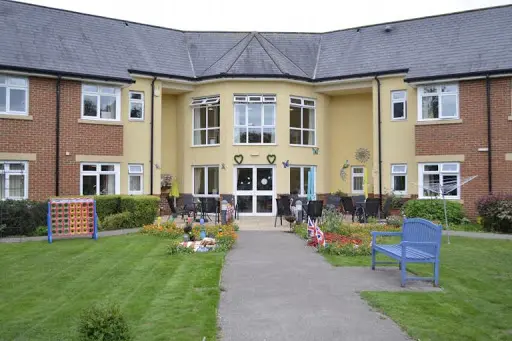
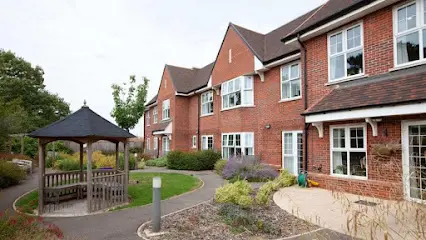
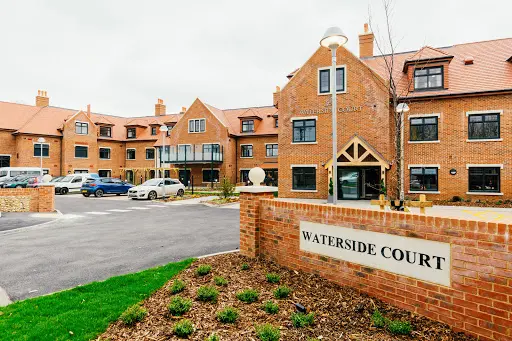
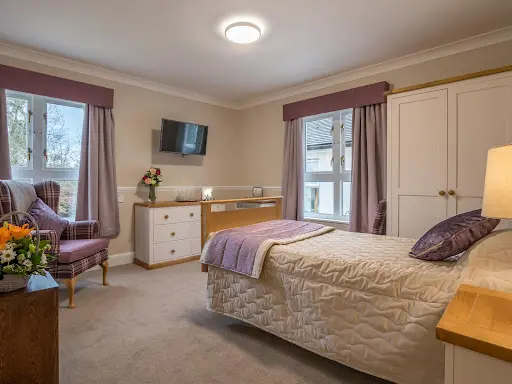
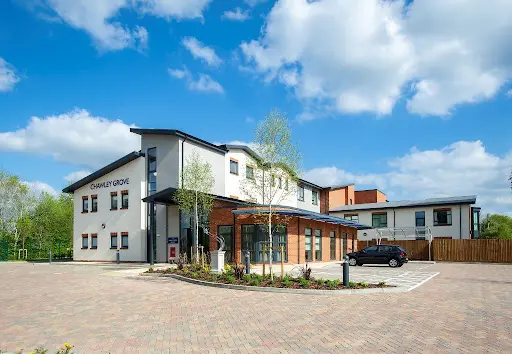
Green Pastures Christian Nursing Home in Banbury brings a different approach to care — one where residents' preferences guide the daily routine, not the other way around. Families describe a place where their loved ones are known as individuals, where patience and genuine connection define the staff's approach. The modern building sits in the heart of the South East, offering spacious rooms and garden access alongside something harder to measure: a sense that each person matters.
Who they care for
Green Pastures supports people with various needs including dementia, learning disabilities, physical disabilities and sensory impairments. They care for both younger adults under 65 and older residents, bringing experience across different life stages and care requirements.
For residents with dementia, the home provides activities designed to engage and stimulate, recognising that meaningful occupation matters at every stage of the condition. Staff show understanding of how to connect with people living with dementia, though families should ask specific questions about the dementia floor when visiting.
“This feels like a place where individual needs genuinely shape the care provided, though any family considering the dementia unit should seek detailed information during their visit.”
DCC does not edit or curate content in this tab. For independently curated information, see The Evidence and DCC Verdict.
The DCC Verdict
Our editorial view, built from the three lenses: what families tell us, what inspectors record, and how the home sits against good dementia-care practice.
DCC Family Score
Green Pastures Christian Nursing Home scored well overall, with its Outstanding rating for responsiveness lifting the result. The score reflects solid positive findings across most themes, but the inspection is now over six years old, which limits how confidently any single theme can be scored.
Homes in South East typically score 68–82.The three-lens summary
What families tell us
Families talk about staff who really see their relatives — not just their care needs, but their personalities and preferences. There's a warmth here that comes through in the patience shown during difficult moments and the way staff celebrate small victories with residents. Regular entertainment and music sessions bring energy to the home, while quieter activities provide mental stimulation for those who prefer gentler engagement.
What inspectors have recorded
Staff here treat families as partners in care, keeping communication channels open and involving relatives in decisions. The team shows emotional investment in residents' wellbeing that goes beyond professional duty — they seem to genuinely care about the people they support. One serious concern has been raised about the dementia floor that warrants investigation, though this stands apart from the otherwise consistent picture of attentive, responsive care throughout the home.
How it sits against good practice
This feels like a place where individual needs genuinely shape the care provided, though any family considering the dementia unit should seek detailed information during their visit.
Worth a visit
Green Pastures Christian Nursing Home in Banbury was rated Good overall at its last inspection in February 2018, with an Outstanding rating for responsiveness. That Outstanding finding is significant: inspectors award it only when they find clear and specific evidence that the home goes above and beyond in tailoring life to the individual people who live there. The remaining four domains, safe, effective, caring, and well-led, were all rated Good, suggesting a home that was functioning well across the board at the time of inspection. The most important thing for you to hold in mind is that this inspection took place in February 2018, over six years ago. A review in July 2023 found no reason to change the rating, but that review was a desk-based check of available data, not a fresh visit. A lot can change in a care home over six years, including management, staffing, and culture. Before making any decision, visit in person, ask to see the current staffing rota, speak to the registered manager about what has changed since 2018, and ask how the home specifically supports people with dementia today.
The three questions to ask when you visitSave this home. Compare it against your shortlist.
Let our analysis show you how Green Pastures measures up against the other homes you’re considering. Free account.
In Their Own Words
How Green Pastures describes itself — collected from its own website. DCC has not edited or independently verified the content in this tab.
Where personal choices shape each day's rhythm
Dedicated nursing home Support in Banbury
Green Pastures Christian Nursing Home in Banbury brings a different approach to care — one where residents' preferences guide the daily routine, not the other way around. Families describe a place where their loved ones are known as individuals, where patience and genuine connection define the staff's approach. The modern building sits in the heart of the South East, offering spacious rooms and garden access alongside something harder to measure: a sense that each person matters.
Who they care for
Green Pastures supports people with various needs including dementia, learning disabilities, physical disabilities and sensory impairments. They care for both younger adults under 65 and older residents, bringing experience across different life stages and care requirements.
For residents with dementia, the home provides activities designed to engage and stimulate, recognising that meaningful occupation matters at every stage of the condition. Staff show understanding of how to connect with people living with dementia, though families should ask specific questions about the dementia floor when visiting.
Management & ethos
Staff here treat families as partners in care, keeping communication channels open and involving relatives in decisions. The team shows emotional investment in residents' wellbeing that goes beyond professional duty — they seem to genuinely care about the people they support. One serious concern has been raised about the dementia floor that warrants investigation, though this stands apart from the otherwise consistent picture of attentive, responsive care throughout the home.
The home & environment
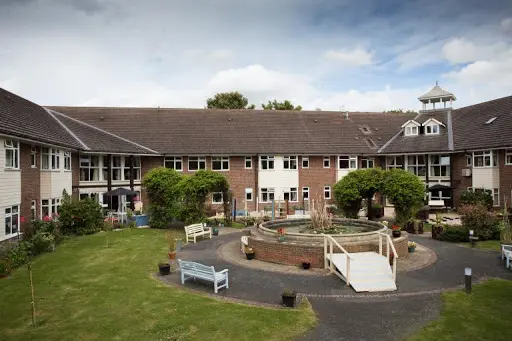
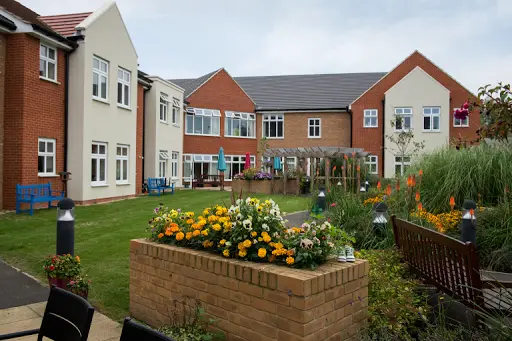
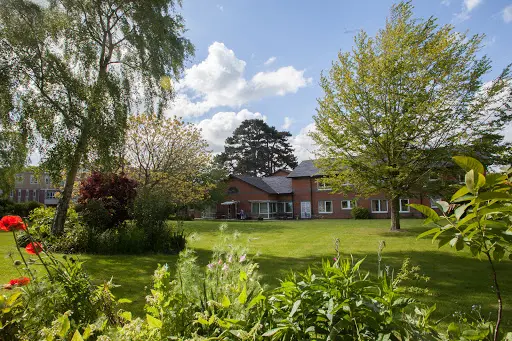
The building itself supports good care with modern, well-maintained spaces that families describe as clean and comfortable. Meals get consistent praise for both quality and presentation, suggesting the kitchen understands that good food matters to wellbeing. The gardens offer outdoor space for those who enjoy fresh air, adding another dimension to daily life beyond the walls.
“This feels like a place where individual needs genuinely shape the care provided, though any family considering the dementia unit should seek detailed information during their visit.”
DCC does not edit or curate content in this tab. For independently curated information, see The Evidence and DCC Verdict.