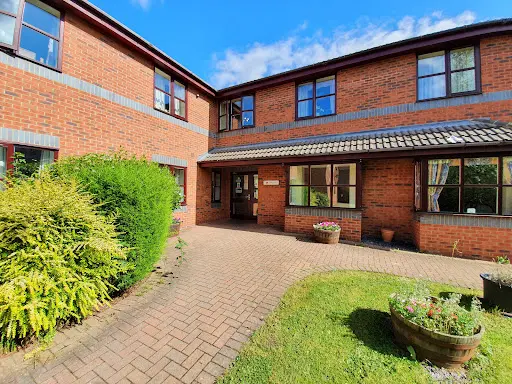
Primrose Court Nursing Home
At a Glance
The information you need to decide whether this home warrants a closer look.
Nursing homes
Staff warmth score
of reviewers answered yes
Good to know
- Registered beds54
- SpecialismsCaring for adults over 65 yrs, Caring for adults under 65 yrs, Dementia, Mental health conditions, Physical disabilities, Sensory impairment
- Last inspected2023-07-04
Save Primrose Court Nursing Home to your shortlist
Keep a running list, add visit notes, and compare homes side-by-side. Free account — it takes a minute.
STAGE 4 — RESEARCHING CARE HOMES
Visit homes. Compare them side by side. Choose with confidence.
Most of us will view care homes the way we view houses, impression, atmosphere, the feeling in the corridor. We go home, try to remember what we saw, and make a permanent decision from a blurred memory.

The DCC shortlist gives every home you visit a structured record: the same twelve questions, answered the same way, every time. When you’re ready to choose, pull any two homes side by side and compare them directly. Same criteria, same evidence, your notes and your scores.
The Evidence
What the review data, the inspection reports, and the dementia-care evidence base tell us about this home.
What families say
Families talk about staff who are consistently polite and professional, treating both residents and visitors with genuine courtesy. People mention how accommodating the team is when residents have particular preferences or needs — they work with what matters to each person rather than sticking rigidly to routines.
The eight family priority themes
- Staff warmth72
- Compassion & dignity75
- Cleanliness65
- Activities & engagement65
- Food quality60
- Healthcare60
- Management & leadership75
- Resident happiness68
What inspectors found
Inspected 2023-07-04
Is this home safe?
Is the care effective?
The Effective domain was rated Good at the June 2023 inspection. This domain covers whether staff have the right training, whether care plans reflect each resident's individual needs, whether healthcare access is reliable, and whether food and nutrition are well managed. The home is registered as a nursing home and lists dementia, mental health conditions, physical disabilities, and sensory impairment among its specialisms, meaning inspectors would have assessed whether staff competence matched this complexity. The published summary does not include specific examples of care plan content, training records, or healthcare arrangements, so the Good rating reflects a positive overall assessment without published supporting detail.Is this home caring?
The Caring domain was rated Good at the June 2023 inspection. Inspectors assess this domain by observing how staff interact with residents, including whether people are treated with dignity and respect, addressed by their preferred names, given time to make choices, and supported to maintain independence where possible. A Good rating here means inspectors were satisfied with what they observed. The published summary does not include specific inspector observations or direct quotes from residents or relatives recorded during this inspection, so the detail behind the rating is not publicly available.Is the home responsive?
The Responsive domain was rated Good at the June 2023 inspection. Inspectors assess this domain by looking at whether the home tailors its care to individual preferences, whether residents have access to meaningful activities, and whether the home handles complaints and end-of-life planning well. The home's range of specialisms, including dementia, mental health, physical disabilities, and sensory impairment, means responsiveness to individual difference is particularly important. The published summary does not include specific examples of activity programmes, individual care preferences, or complaint records.Is the home well-led?
The Well-led domain was rated Good at the June 2023 inspection, up from Requires Improvement at the previous inspection. The home is run by Stockton Care Limited and has two registered managers, Mrs Bharathi Panajdka and Mrs Deborah Louise Ridley, alongside a nominated individual, Mr Vinod Hukkeri. Having two registered managers in post is unusual and suggests a deliberate structure, though the published summary does not explain how their responsibilities are divided. The improvement in this domain from the previous inspection indicates that inspectors found meaningful progress in governance, leadership culture, and accountability.
Source: CQC inspection report →
What the evidence base says
Primrose Court cares for adults of all ages with various needs including dementia, mental health conditions, physical disabilities and sensory impairments. They've also supported someone with progressive supranuclear palsy (PSP), showing they're willing to take on complex care needs. The home accepts residents living with dementia as part of their broader care provision. Their approach seems to focus on working with each person's individual needs and preferences. All areas worth probing directly during a visit.
The DCC Verdict
Our editorial view, built from the three lenses: what families tell us, what inspectors record, and how the home sits against good dementia-care practice.
DCC Family Score
Primrose Court scores 72 out of 100, reflecting genuine progress from a previous Requires Improvement rating to Good overall, with strong evidence of kind, respectful care and improving leadership. The Safe domain still requires improvement, which pulls the score down and means safety questions deserve close attention on your visit.
Homes in North East typically score 68–82.The three-lens summary
What families tell us
Families talk about staff who are consistently polite and professional, treating both residents and visitors with genuine courtesy. People mention how accommodating the team is when residents have particular preferences or needs — they work with what matters to each person rather than sticking rigidly to routines.
What inspectors have recorded
While most families speak positively about the care their loved ones receive, there have been some concerns raised about staffing levels and management approach. The team who work directly with residents consistently get praise for their caring attitude and professional manner.
How it sits against good practice
If you're looking for somewhere that combines professional nursing care with genuine respect for residents, it might be worth arranging a visit to see if Primrose Court feels right for your family.
Worth a visit
Primrose Court Nursing Home on South Road, Stockton-on-Tees was rated Good overall at its inspection in June 2023, an improvement from its previous Requires Improvement rating. Four of the five inspection domains, Effective, Caring, Responsive, and Well-led, were rated Good, which is a meaningful step forward and suggests the leadership team has made real changes. The home supports a wide range of needs including dementia, mental health conditions, physical disabilities, and sensory impairment across its 54 beds. The one area that still fell short was the Safe domain, which was rated Requires Improvement. This is the domain that covers staffing levels, medicines management, and how the home keeps residents physically safe day to day. The published report does not spell out exactly what caused this rating, so this is the single most important question to raise before you make a decision. On your visit, ask the manager to explain specifically what the Safe concerns were, what has been done since June 2023, and whether a follow-up inspection has taken place or is planned.
The three questions to ask when you visitSave this home. Compare it against your shortlist.
Let our analysis show you how Primrose Court Nursing Home measures up against the other homes you’re considering. Free account.
In Their Own Words
How Primrose Court Nursing Home describes itself — collected from its own website. DCC has not edited or independently verified the content in this tab.
Where kindness meets respect in everyday care
Primrose Court Nursing Home – Your Trusted nursing home
Finding care that feels genuinely respectful can make all the difference when you're worried about a loved one. Primrose Court Nursing Home in Stockton-on-Tees has built a reputation for courteous, professional care that families say puts them at ease. The team here seems to understand that small gestures of respect matter just as much as the bigger picture of nursing care.
Who they care for
Primrose Court cares for adults of all ages with various needs including dementia, mental health conditions, physical disabilities and sensory impairments. They've also supported someone with progressive supranuclear palsy (PSP), showing they're willing to take on complex care needs.
The home accepts residents living with dementia as part of their broader care provision. Their approach seems to focus on working with each person's individual needs and preferences.
“If you're looking for somewhere that combines professional nursing care with genuine respect for residents, it might be worth arranging a visit to see if Primrose Court feels right for your family.”
DCC does not edit or curate content in this tab. For independently curated information, see The Evidence and DCC Verdict.
The DCC Verdict
Our editorial view, built from the three lenses: what families tell us, what inspectors record, and how the home sits against good dementia-care practice.
DCC Family Score
Primrose Court scores 72 out of 100, reflecting genuine progress from a previous Requires Improvement rating to Good overall, with strong evidence of kind, respectful care and improving leadership. The Safe domain still requires improvement, which pulls the score down and means safety questions deserve close attention on your visit.
Homes in North East typically score 68–82.The three-lens summary
What families tell us
Families talk about staff who are consistently polite and professional, treating both residents and visitors with genuine courtesy. People mention how accommodating the team is when residents have particular preferences or needs — they work with what matters to each person rather than sticking rigidly to routines.
What inspectors have recorded
While most families speak positively about the care their loved ones receive, there have been some concerns raised about staffing levels and management approach. The team who work directly with residents consistently get praise for their caring attitude and professional manner.
How it sits against good practice
If you're looking for somewhere that combines professional nursing care with genuine respect for residents, it might be worth arranging a visit to see if Primrose Court feels right for your family.
Worth a visit
Primrose Court Nursing Home on South Road, Stockton-on-Tees was rated Good overall at its inspection in June 2023, an improvement from its previous Requires Improvement rating. Four of the five inspection domains, Effective, Caring, Responsive, and Well-led, were rated Good, which is a meaningful step forward and suggests the leadership team has made real changes. The home supports a wide range of needs including dementia, mental health conditions, physical disabilities, and sensory impairment across its 54 beds. The one area that still fell short was the Safe domain, which was rated Requires Improvement. This is the domain that covers staffing levels, medicines management, and how the home keeps residents physically safe day to day. The published report does not spell out exactly what caused this rating, so this is the single most important question to raise before you make a decision. On your visit, ask the manager to explain specifically what the Safe concerns were, what has been done since June 2023, and whether a follow-up inspection has taken place or is planned.
The three questions to ask when you visitSave this home. Compare it against your shortlist.
Let our analysis show you how Primrose Court Nursing Home measures up against the other homes you’re considering. Free account.
In Their Own Words
How Primrose Court Nursing Home describes itself — collected from its own website. DCC has not edited or independently verified the content in this tab.
Where kindness meets respect in everyday care
Primrose Court Nursing Home – Your Trusted nursing home
Finding care that feels genuinely respectful can make all the difference when you're worried about a loved one. Primrose Court Nursing Home in Stockton-on-Tees has built a reputation for courteous, professional care that families say puts them at ease. The team here seems to understand that small gestures of respect matter just as much as the bigger picture of nursing care.
Who they care for
Primrose Court cares for adults of all ages with various needs including dementia, mental health conditions, physical disabilities and sensory impairments. They've also supported someone with progressive supranuclear palsy (PSP), showing they're willing to take on complex care needs.
The home accepts residents living with dementia as part of their broader care provision. Their approach seems to focus on working with each person's individual needs and preferences.
Management & ethos
While most families speak positively about the care their loved ones receive, there have been some concerns raised about staffing levels and management approach. The team who work directly with residents consistently get praise for their caring attitude and professional manner.
The home & environment
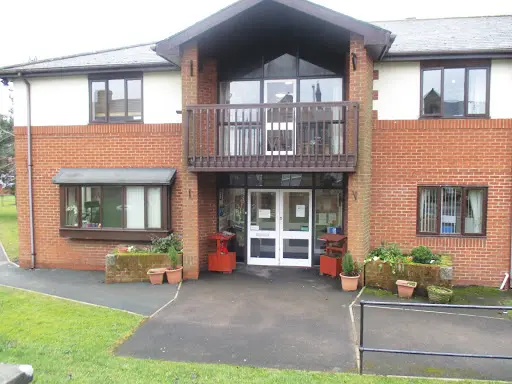
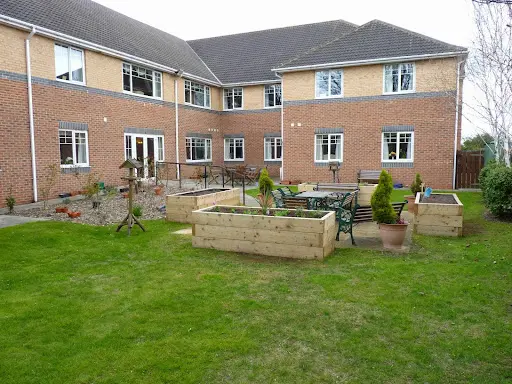
The home keeps high standards when it comes to cleanliness, with several families commenting on how well-maintained everything is. Food gets particular praise, with meals described as good quality by those who've experienced them firsthand.
“If you're looking for somewhere that combines professional nursing care with genuine respect for residents, it might be worth arranging a visit to see if Primrose Court feels right for your family.”
DCC does not edit or curate content in this tab. For independently curated information, see The Evidence and DCC Verdict.