Partridge House
At a Glance
The information you need to decide whether this home warrants a closer look.
Nursing homes
Staff warmth score
of reviewers answered yes
Good to know
- Registered beds42
- SpecialismsCaring for adults over 65 yrs, Dementia
- Last inspected2023-01-25
Save Partridge House to your shortlist
Keep a running list, add visit notes, and compare homes side-by-side. Free account — it takes a minute.
STAGE 4 — RESEARCHING CARE HOMES
Visit homes. Compare them side by side. Choose with confidence.
Most of us will view care homes the way we view houses, impression, atmosphere, the feeling in the corridor. We go home, try to remember what we saw, and make a permanent decision from a blurred memory.

The DCC shortlist gives every home you visit a structured record: the same twelve questions, answered the same way, every time. When you’re ready to choose, pull any two homes side by side and compare them directly. Same criteria, same evidence, your notes and your scores.
The Evidence
What the review data, the inspection reports, and the dementia-care evidence base tell us about this home.
What families say
Families talk about the warm atmosphere here, with staff who smile, chat, and really get to know each resident. People notice how carers adapt their approach to each person's needs, helping residents keep their independence for as long as possible. The bonds between staff and residents come through in the way families describe daily life here.
The eight family priority themes
- Staff warmth55
- Compassion & dignity55
- Cleanliness55
- Activities & engagement50
- Food quality50
- Healthcare55
- Management & leadership55
- Resident happiness55
What inspectors found
Inspected 2023-01-25
Is this home safe?
Is the care effective?
The January 2025 assessment rated the Effective domain as Good. The published inspection text provided for this analysis does not include the supporting detail behind that rating, so specific findings on care plans, dementia training, GP access, medication management, or food quality cannot be confirmed here. The home specialises in dementia care for adults over 65 and is registered to provide nursing care. Whether staff training meets the standards recommended by Good Practice evidence is not confirmed in the available material.Is this home caring?
The January 2025 assessment rated the Caring domain as Good. The inspection text provided for this analysis does not include direct observations of staff interactions, use of preferred names, responses to distress, or other specific indicators of warmth and dignity. The home's previous Inadequate rating means that caring practice was at some point found to be seriously deficient. The 2025 Good rating suggests improvement, but without the full report it is not possible to confirm what inspectors observed.Is the home responsive?
The January 2025 assessment rated the Responsive domain as Good. The available inspection text does not include specific findings on activity programmes, individual engagement for people who cannot join groups, or how the home responds to individual preferences and complaints. The home lists dementia as a specialism, which implies an expectation of tailored, individual-focused care. Whether that is delivered in practice could not be confirmed from the material provided.Is the home well-led?
The January 2025 assessment rated the Well-led domain as Good. The home is operated by GCH (NEW OPCO 2) Limited, with Mr Sunil Cheekoory listed as the nominated individual. The available inspection text does not include specific observations about management visibility, staff culture, governance systems, or whether staff feel able to speak up. The home's history of an Inadequate rating followed by improvement suggests that leadership changes or interventions have taken place, but the detail behind this is not confirmed in the available material.
Source: CQC inspection report →
What the evidence base says
The home cares for adults over 65, including those living with dementia. They offer both permanent and respite stays. For residents with dementia, the team focuses on maintaining dignity and independence through each stage of the condition. The structured activities and person-centred approach help residents stay connected to daily life. All areas worth probing directly during a visit.
The DCC Verdict
Our editorial view, built from the three lenses: what families tell us, what inspectors record, and how the home sits against good dementia-care practice.
DCC Family Score
The home's current official rating is Requires Improvement, based on an inspection from January 2023. A more recent assessment from January 2025 rated all five domains Good, but the detailed report text for that assessment was not available for this analysis, so scores reflect the limited evidence available rather than confirmed strengths.
Homes in South East typically score 68–82.The three-lens summary
What families tell us
Families talk about the warm atmosphere here, with staff who smile, chat, and really get to know each resident. People notice how carers adapt their approach to each person's needs, helping residents keep their independence for as long as possible. The bonds between staff and residents come through in the way families describe daily life here.
What inspectors have recorded
Communication stands out here — management responds quickly to questions and works with families to arrange care, even at short notice. Staff show professional standards in their daily work, focusing on each resident as an individual. Though a couple of families have raised concerns about care delivery not matching their expectations, most describe a responsive team that listens and adapts.
How it sits against good practice
Every family's needs are different, and what matters most is finding the right fit for your loved one.
Worth a visit
Partridge House Nursing and Residential Care Home, on Leybourne Road in Brighton, holds a current official rating of Requires Improvement based on an inspection carried out in January 2023. However, a more recent assessment took place in January 2025 and provisionally rated all five domains, including safety, care, and leadership, as Good. That is a meaningful improvement from a previous Inadequate rating and suggests the home has been working to address earlier concerns. The full report for the 2025 assessment was not available at the time of this analysis, so it has not been possible to verify the specific evidence behind those Good ratings. Because the detailed 2025 inspection findings were not available, this Family View cannot confirm what inspectors actually observed about staff warmth, mealtimes, activities, night staffing, or dementia-specific care. The upward trend from Inadequate to provisionally Good is encouraging, but the history of earlier concerns means a personal visit is essential before making a decision. On that visit, ask to see last week's actual staffing rota (not a template), ask how many staff are on at night and whether a registered nurse is present overnight, and observe how staff interact with your parent and with other residents in communal areas. If the January 2025 full report has since been published, read it before your visit.
The three questions to ask when you visitSave this home. Compare it against your shortlist.
Let our analysis show you how Partridge House measures up against the other homes you’re considering. Free account.
In Their Own Words
How Partridge House describes itself — collected from its own website. DCC has not edited or independently verified the content in this tab.
Where warmth meets proper care in Brighton's busy landscape
Nursing home in Brighton: True Peace of Mind
Finding the right balance between professional nursing care and genuine kindness isn't always easy, but Partridge House in Brighton seems to understand what families need. This established home offers both nursing and residential care, with carers who build real connections with residents. The bright, clean environment and structured activity programme help create days worth living.
Who they care for
The home cares for adults over 65, including those living with dementia. They offer both permanent and respite stays.
For residents with dementia, the team focuses on maintaining dignity and independence through each stage of the condition. The structured activities and person-centred approach help residents stay connected to daily life.
“Every family's needs are different, and what matters most is finding the right fit for your loved one.”
DCC does not edit or curate content in this tab. For independently curated information, see The Evidence and DCC Verdict.
The DCC Verdict
Our editorial view, built from the three lenses: what families tell us, what inspectors record, and how the home sits against good dementia-care practice.
DCC Family Score
The home's current official rating is Requires Improvement, based on an inspection from January 2023. A more recent assessment from January 2025 rated all five domains Good, but the detailed report text for that assessment was not available for this analysis, so scores reflect the limited evidence available rather than confirmed strengths.
Homes in South East typically score 68–82.The three-lens summary
What families tell us
Families talk about the warm atmosphere here, with staff who smile, chat, and really get to know each resident. People notice how carers adapt their approach to each person's needs, helping residents keep their independence for as long as possible. The bonds between staff and residents come through in the way families describe daily life here.
What inspectors have recorded
Communication stands out here — management responds quickly to questions and works with families to arrange care, even at short notice. Staff show professional standards in their daily work, focusing on each resident as an individual. Though a couple of families have raised concerns about care delivery not matching their expectations, most describe a responsive team that listens and adapts.
How it sits against good practice
Every family's needs are different, and what matters most is finding the right fit for your loved one.
Worth a visit
Partridge House Nursing and Residential Care Home, on Leybourne Road in Brighton, holds a current official rating of Requires Improvement based on an inspection carried out in January 2023. However, a more recent assessment took place in January 2025 and provisionally rated all five domains, including safety, care, and leadership, as Good. That is a meaningful improvement from a previous Inadequate rating and suggests the home has been working to address earlier concerns. The full report for the 2025 assessment was not available at the time of this analysis, so it has not been possible to verify the specific evidence behind those Good ratings. Because the detailed 2025 inspection findings were not available, this Family View cannot confirm what inspectors actually observed about staff warmth, mealtimes, activities, night staffing, or dementia-specific care. The upward trend from Inadequate to provisionally Good is encouraging, but the history of earlier concerns means a personal visit is essential before making a decision. On that visit, ask to see last week's actual staffing rota (not a template), ask how many staff are on at night and whether a registered nurse is present overnight, and observe how staff interact with your parent and with other residents in communal areas. If the January 2025 full report has since been published, read it before your visit.
The three questions to ask when you visitSave this home. Compare it against your shortlist.
Let our analysis show you how Partridge House measures up against the other homes you’re considering. Free account.
In Their Own Words
How Partridge House describes itself — collected from its own website. DCC has not edited or independently verified the content in this tab.
Where warmth meets proper care in Brighton's busy landscape
Nursing home in Brighton: True Peace of Mind
Finding the right balance between professional nursing care and genuine kindness isn't always easy, but Partridge House in Brighton seems to understand what families need. This established home offers both nursing and residential care, with carers who build real connections with residents. The bright, clean environment and structured activity programme help create days worth living.
Who they care for
The home cares for adults over 65, including those living with dementia. They offer both permanent and respite stays.
For residents with dementia, the team focuses on maintaining dignity and independence through each stage of the condition. The structured activities and person-centred approach help residents stay connected to daily life.
Management & ethos
Communication stands out here — management responds quickly to questions and works with families to arrange care, even at short notice. Staff show professional standards in their daily work, focusing on each resident as an individual. Though a couple of families have raised concerns about care delivery not matching their expectations, most describe a responsive team that listens and adapts.
The home & environment
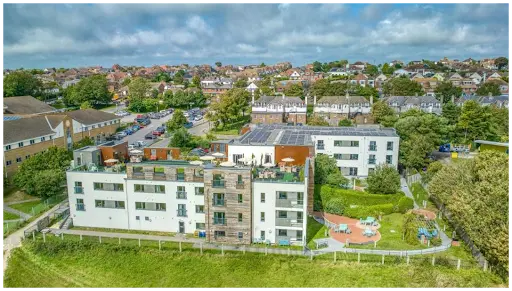
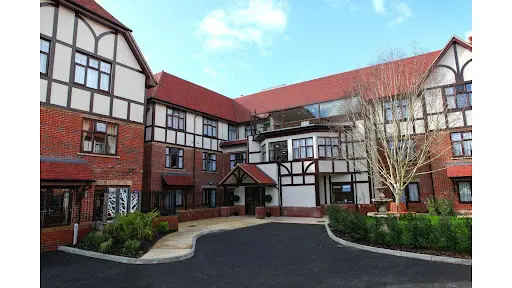
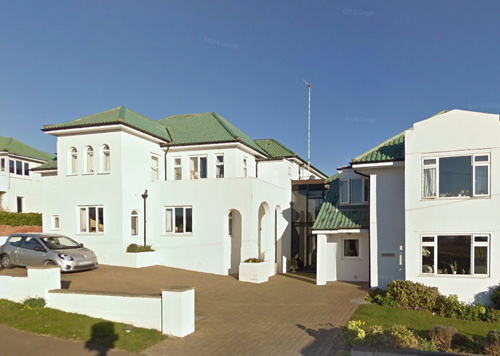
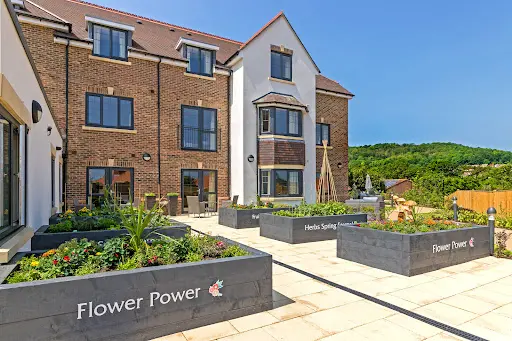
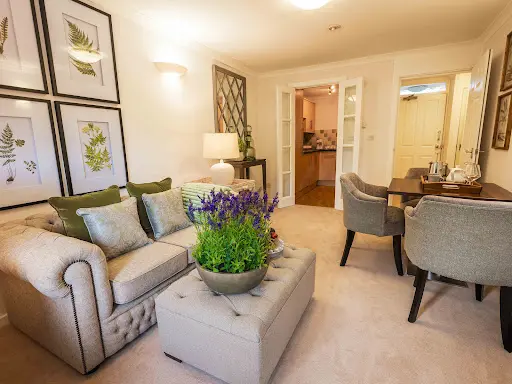
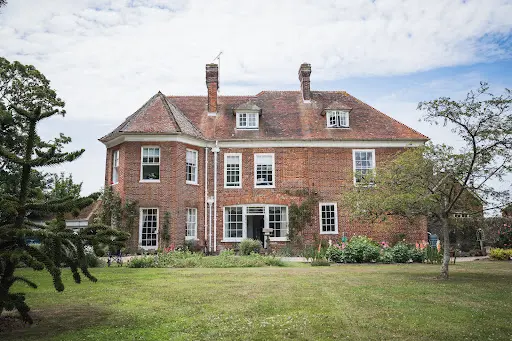
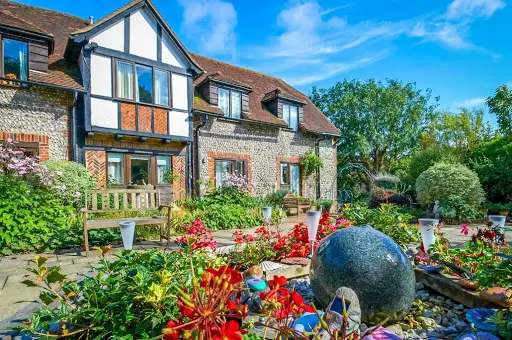
The home feels bright and welcoming, with clean rooms and well-kept gardens that residents can enjoy. Murals add character to the walls, and the whole place has a fresh, cared-for feel. The activity programme keeps residents engaged, with structured sessions that seem to hit the right note.
“Every family's needs are different, and what matters most is finding the right fit for your loved one.”
DCC does not edit or curate content in this tab. For independently curated information, see The Evidence and DCC Verdict.