Parris Lawn | Care Home in East Sussex
At a Glance
The information you need to decide whether this home warrants a closer look.
Nursing homes
Staff warmth score
of reviewers answered yes
Good to know
- Registered beds62
- SpecialismsCaring for adults over 65 yrs, Caring for adults under 65 yrs, Dementia
- Last inspected2019-11-30
Save Parris Lawn | Care Home in East Sussex to your shortlist
Keep a running list, add visit notes, and compare homes side-by-side. Free account — it takes a minute.
STAGE 4 — RESEARCHING CARE HOMES
Visit homes. Compare them side by side. Choose with confidence.
Most of us will view care homes the way we view houses, impression, atmosphere, the feeling in the corridor. We go home, try to remember what we saw, and make a permanent decision from a blurred memory.

The DCC shortlist gives every home you visit a structured record: the same twelve questions, answered the same way, every time. When you’re ready to choose, pull any two homes side by side and compare them directly. Same criteria, same evidence, your notes and your scores.
The Evidence
What the review data, the inspection reports, and the dementia-care evidence base tell us about this home.
What families say
Families talk about quick settling-in periods and feeling genuinely valued from day one. The atmosphere strikes visitors as bright and welcoming, with residents chatting and laughing in communal spaces. Staff create moments that matter — from thoughtful birthday celebrations to making relatives feel at ease during visits.
The eight family priority themes
- Staff warmth72
- Compassion & dignity72
- Cleanliness65
- Activities & engagement60
- Food quality60
- Healthcare65
- Management & leadership42
- Resident happiness65
What inspectors found
Inspected 2019-11-30
Is this home safe?
Is the care effective?
The Effective domain was rated Good at the October 2019 inspection. This domain covers training, care plans, healthcare access, and nutrition. No specific observations about dementia training content, GP access frequency, care plan review cycles, or food quality are recorded in the published summary. A Good rating in this domain generally means inspectors found these areas to be working adequately, but the absence of specific detail makes it difficult to say more.Is this home caring?
The Caring domain was rated Good at the October 2019 inspection. This domain covers staff warmth, dignity, respect, and support for independence. No specific inspector observations, resident testimony, or family quotes are recorded in the published summary. Staff warmth and compassion are the single most cited themes in positive family reviews, yet the available evidence here is limited to the domain grade alone.Is the home responsive?
The Responsive domain was rated Good at the October 2019 inspection. This domain covers activities, engagement, individuality, and end-of-life care. No specific information about the activities programme, one-to-one engagement, or end-of-life planning is recorded in the published summary. The home lists dementia as a specialism, which implies it should have adapted its approach to activities and engagement for people living with dementia, but no evidence of how it does this is available.Is the home well-led?
The Well-led domain was rated Requires Improvement at the October 2019 inspection. This is the only domain to fall below Good. The published summary does not specify what the concerns were, but a Requires Improvement in this domain typically indicates that the inspection found weaknesses in governance, oversight, quality monitoring, or management culture. The inspection has not been repeated since 2019, and the monitoring review in July 2023 found no grounds to reassess the rating, though it did not publish new specific evidence.
Source: CQC inspection report →
What the evidence base says
The home cares for adults both under and over 65, with particular expertise in dementia support. Staff here understand the emotional journey of dementia, helping residents who arrive distressed find their equilibrium again. The structured activities and social interaction keep minds engaged, while the team's patience with difficult behaviours helps families see their loved ones settle and even smile again. All areas worth probing directly during a visit.
The DCC Verdict
Our editorial view, built from the three lenses: what families tell us, what inspectors record, and how the home sits against good dementia-care practice.
DCC Family Score
Parris Lawn scores a solid 68 overall, reflecting Good ratings across four of the five inspection domains, but the Requires Improvement in leadership pulls the score down meaningfully. The published report contains very limited specific detail, so many scores reflect the inspection grade rather than observed evidence.
Homes in South East typically score 68–82.The three-lens summary
What families tell us
Families talk about quick settling-in periods and feeling genuinely valued from day one. The atmosphere strikes visitors as bright and welcoming, with residents chatting and laughing in communal spaces. Staff create moments that matter — from thoughtful birthday celebrations to making relatives feel at ease during visits.
What inspectors have recorded
The team works together seamlessly across nursing, catering and housekeeping — all sharing the same responsive, positive approach. Staff show particular skill in managing challenging behaviours with patience rather than frustration. The home actively welcomes outside professionals and community groups, showing confidence in opening its doors.
How it sits against good practice
Sometimes the right place reveals itself through small moments — a resident laughing over afternoon tea, or a family member finally able to relax during visits.
Worth a visit
Parris Lawn in Lewes was rated Good overall at its inspection in October 2019, with Good ratings in Safe, Effective, Caring, and Responsive. The home has 62 beds and lists dementia, as well as nursing care for adults of all ages, as specialisms. The inspection has not been repeated since 2019, though a monitoring review in July 2023 found no evidence requiring a reassessment of the rating at that point. The most important thing to know before visiting is that the Well-led domain was rated Requires Improvement, meaning inspectors identified concerns about management and governance. This matters because leadership quality is one of the strongest predictors of whether a home sustains good care over time, and the inspection is now over five years old. The published summary contains very little specific evidence, so you will need to rely on your own observations during a visit. Ask to meet the registered manager, find out how long the current team has been in post, and ask how the home responded to the leadership concerns raised in 2019.
The three questions to ask when you visitSave this home. Compare it against your shortlist.
Let our analysis show you how Parris Lawn | Care Home in East Sussex measures up against the other homes you’re considering. Free account.
In Their Own Words
How Parris Lawn | Care Home in East Sussex describes itself — collected from its own website. DCC has not edited or independently verified the content in this tab.
Where challenging dementia meets patient, skilled compassion
Compassionate Care in Lewes at Parris Lawn
When dementia brings difficult behaviours, families need somewhere that truly understands. Parris Lawn in Lewes has earned trust through its gentle expertise with residents who arrive unsettled, then visibly relax into their new surroundings. The care team here knows that recovery takes time, patience and real skill.
Who they care for
The home cares for adults both under and over 65, with particular expertise in dementia support.
Staff here understand the emotional journey of dementia, helping residents who arrive distressed find their equilibrium again. The structured activities and social interaction keep minds engaged, while the team's patience with difficult behaviours helps families see their loved ones settle and even smile again.
“Sometimes the right place reveals itself through small moments — a resident laughing over afternoon tea, or a family member finally able to relax during visits.”
DCC does not edit or curate content in this tab. For independently curated information, see The Evidence and DCC Verdict.
The DCC Verdict
Our editorial view, built from the three lenses: what families tell us, what inspectors record, and how the home sits against good dementia-care practice.
DCC Family Score
Parris Lawn scores a solid 68 overall, reflecting Good ratings across four of the five inspection domains, but the Requires Improvement in leadership pulls the score down meaningfully. The published report contains very limited specific detail, so many scores reflect the inspection grade rather than observed evidence.
Homes in South East typically score 68–82.The three-lens summary
What families tell us
Families talk about quick settling-in periods and feeling genuinely valued from day one. The atmosphere strikes visitors as bright and welcoming, with residents chatting and laughing in communal spaces. Staff create moments that matter — from thoughtful birthday celebrations to making relatives feel at ease during visits.
What inspectors have recorded
The team works together seamlessly across nursing, catering and housekeeping — all sharing the same responsive, positive approach. Staff show particular skill in managing challenging behaviours with patience rather than frustration. The home actively welcomes outside professionals and community groups, showing confidence in opening its doors.
How it sits against good practice
Sometimes the right place reveals itself through small moments — a resident laughing over afternoon tea, or a family member finally able to relax during visits.
Worth a visit
Parris Lawn in Lewes was rated Good overall at its inspection in October 2019, with Good ratings in Safe, Effective, Caring, and Responsive. The home has 62 beds and lists dementia, as well as nursing care for adults of all ages, as specialisms. The inspection has not been repeated since 2019, though a monitoring review in July 2023 found no evidence requiring a reassessment of the rating at that point. The most important thing to know before visiting is that the Well-led domain was rated Requires Improvement, meaning inspectors identified concerns about management and governance. This matters because leadership quality is one of the strongest predictors of whether a home sustains good care over time, and the inspection is now over five years old. The published summary contains very little specific evidence, so you will need to rely on your own observations during a visit. Ask to meet the registered manager, find out how long the current team has been in post, and ask how the home responded to the leadership concerns raised in 2019.
The three questions to ask when you visitSave this home. Compare it against your shortlist.
Let our analysis show you how Parris Lawn | Care Home in East Sussex measures up against the other homes you’re considering. Free account.
In Their Own Words
How Parris Lawn | Care Home in East Sussex describes itself — collected from its own website. DCC has not edited or independently verified the content in this tab.
Where challenging dementia meets patient, skilled compassion
Compassionate Care in Lewes at Parris Lawn
When dementia brings difficult behaviours, families need somewhere that truly understands. Parris Lawn in Lewes has earned trust through its gentle expertise with residents who arrive unsettled, then visibly relax into their new surroundings. The care team here knows that recovery takes time, patience and real skill.
Who they care for
The home cares for adults both under and over 65, with particular expertise in dementia support.
Staff here understand the emotional journey of dementia, helping residents who arrive distressed find their equilibrium again. The structured activities and social interaction keep minds engaged, while the team's patience with difficult behaviours helps families see their loved ones settle and even smile again.
Management & ethos
The team works together seamlessly across nursing, catering and housekeeping — all sharing the same responsive, positive approach. Staff show particular skill in managing challenging behaviours with patience rather than frustration. The home actively welcomes outside professionals and community groups, showing confidence in opening its doors.
The home & environment
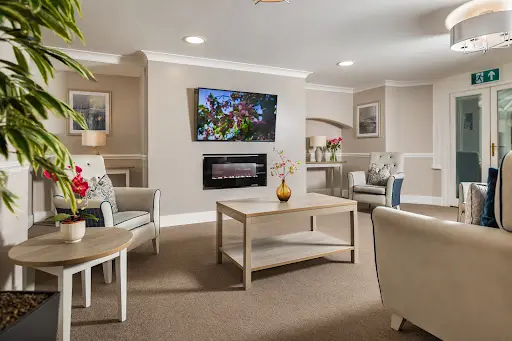
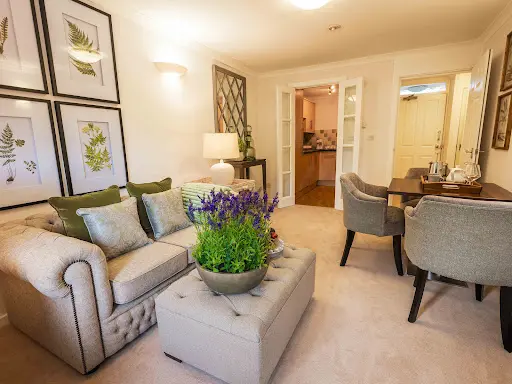
The home feels fresh and well-maintained throughout, with modern en-suite rooms giving residents their own space. Meals get consistent praise for being plentiful and tasty, while afternoon tea becomes a proper social occasion. Everything from the housekeeping to the catering runs smoothly, creating a comfortable environment where small details are handled well.
“Sometimes the right place reveals itself through small moments — a resident laughing over afternoon tea, or a family member finally able to relax during visits.”
DCC does not edit or curate content in this tab. For independently curated information, see The Evidence and DCC Verdict.