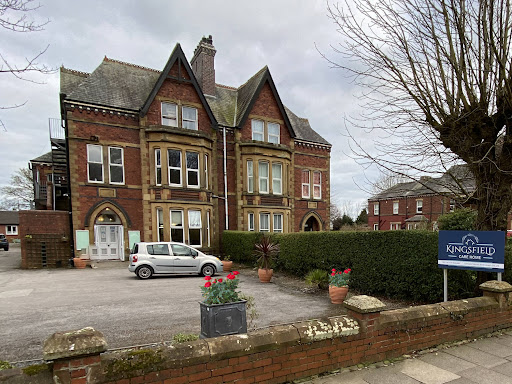
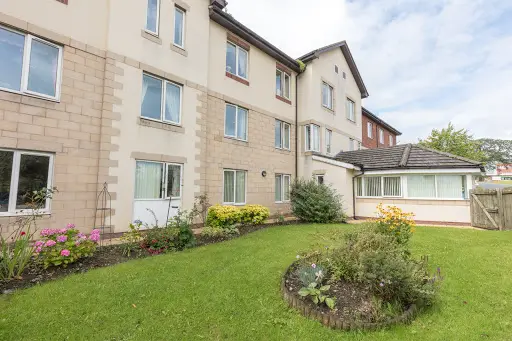
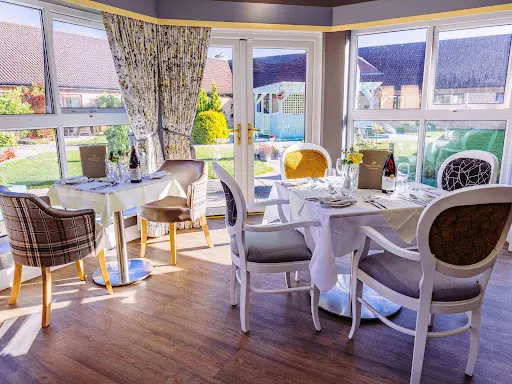
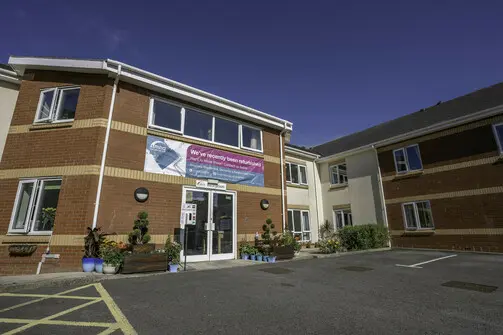
Ostley House Home For The Blind
At a Glance
The information you need to decide whether this home warrants a closer look.
Residential homes
Staff warmth score
of reviewers answered yes
Good to know
- Registered beds44
- SpecialismsCaring for adults over 65 yrs, Dementia, Sensory impairment
- Last inspected2018-12-11
Save Ostley House Home For The Blind to your shortlist
Keep a running list, add visit notes, and compare homes side-by-side. Free account — it takes a minute.
STAGE 4 — RESEARCHING CARE HOMES
Visit homes. Compare them side by side. Choose with confidence.
Most of us will view care homes the way we view houses, impression, atmosphere, the feeling in the corridor. We go home, try to remember what we saw, and make a permanent decision from a blurred memory.

The DCC shortlist gives every home you visit a structured record: the same twelve questions, answered the same way, every time. When you’re ready to choose, pull any two homes side by side and compare them directly. Same criteria, same evidence, your notes and your scores.
The Evidence
What the review data, the inspection reports, and the dementia-care evidence base tell us about this home.
What families say
The eight family priority themes
- Staff warmth55
- Compassion & dignity55
- Cleanliness55
- Activities & engagement50
- Food quality50
- Healthcare55
- Management & leadership60
- Resident happiness55
What inspectors found
Inspected 2018-12-11
Is this home safe?
Is the care effective?
The Effective domain was rated Good. This covers whether staff have the right training and skills, whether care plans are up to date and person-centred, whether residents' health needs are met, and whether nutrition and hydration are well managed. The home lists Dementia as a specialism, which means it should have specific competencies in this area. No specific training data, care plan examples, or healthcare access details are documented in the available report text.Is this home caring?
The Caring domain was rated Good. This covers whether staff treat residents with kindness, dignity, and respect; whether residents' independence is promoted; and whether privacy is protected. For a home specialising in dementia care, this also includes how staff communicate with residents who may have limited verbal ability. No direct inspector observations, resident quotes, or family testimonials are available in the published report text to illustrate what this Good rating looked like in practice.Is the home responsive?
The Responsive domain was rated Good. This covers whether the home meets residents' individual needs, whether activities are meaningful and varied, whether residents' preferences are respected, and whether end-of-life care is planned and compassionate. The home lists Dementia and Sensory impairment as specialisms, which should shape how activities and daily life are tailored. No specific activity programmes, examples of individual engagement, or end-of-life care details are documented in the published report text.Is the home well-led?
The Well-led domain was rated Good. This covers the quality of management, whether there is a clear culture of improvement, whether staff feel supported to speak up, and whether governance systems identify and act on problems. Mrs Helen Silver is the named Registered Manager and Mr Craig Renton is the Nominated Individual. The July 2023 review found no evidence requiring reassessment of the Good rating. No specific examples of leadership practice, staff culture, or governance activity are documented in the published text.
Source: CQC inspection report →
What the evidence base says
The team here cares for adults over 65, with particular experience supporting those with sensory impairments and dementia. For residents living with dementia, the spacious layout and accessible shower rooms can help maintain independence for longer. All areas worth probing directly during a visit.
The DCC Verdict
Our editorial view, built from the three lenses: what families tell us, what inspectors record, and how the home sits against good dementia-care practice.
DCC Family Score
Ostley House holds a Good rating across all five inspection domains, but the published report text available contains very limited specific detail — meaning scores reflect confirmed positive ratings rather than rich observational evidence. The home's Good standing is encouraging, but families will need to fill significant gaps through a direct visit.
Homes in North West typically score 68–82.Worth a visit
Ostley House, on Abbey Road in Barrow-in-Furness, holds a Good rating across all five inspection domains — Safe, Effective, Caring, Responsive, and Well-led. This rating was confirmed at inspection in November 2020 and reviewed in July 2023, with no evidence found to require reassessment. The home is registered to care for adults over 65, including people living with dementia and sensory impairment, and is run by Vision Support Barrow & District with a named registered manager in post. A consistent Good across every domain is a positive baseline — it means inspectors found no significant failings in safety, staffing, care quality, or leadership. However, the report available contains very little specific detail beyond the ratings themselves — no inspector observations, resident or family quotes, or named examples of practice are reproduced in the published text. That means there is a lot families cannot verify from the paperwork alone. The inspection is also now over four years old, and the care home sector has changed significantly since 2020. Before choosing this home for your parent, particularly if they are living with dementia, you should visit in person and ask directly: how many permanent staff are on the dementia unit after 8pm? How often are care plans reviewed, and will you be invited to contribute? What does the activity programme look like day-to-day for someone who can no longer join group sessions? The Good rating gives you a foundation of confidence, but a direct visit and specific questions are essential.
The three questions to ask when you visitSave this home. Compare it against your shortlist.
Let our analysis show you how Ostley House Home For The Blind measures up against the other homes you’re considering. Free account.
In Their Own Words
How Ostley House Home For The Blind describes itself — collected from its own website. DCC has not edited or independently verified the content in this tab.
Spacious rooms and thoughtful design in Barrow care home
Ostley House – Your Trusted residential home
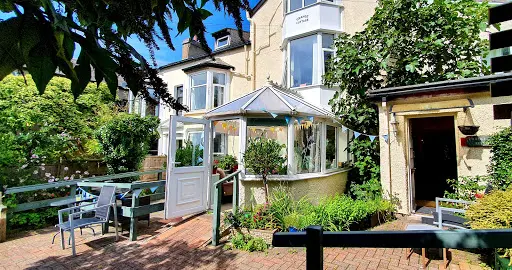
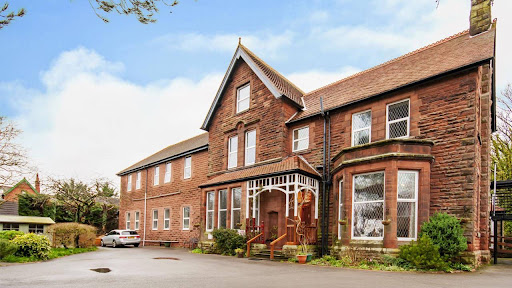
When choosing care, the physical environment matters as much as the personal touch. Ostley House in Barrow In Furness offers residents generous living spaces with quality furnishings and walk-in shower rooms. This care home supports adults over 65, including those living with dementia or sensory impairments.
Who they care for
The team here cares for adults over 65, with particular experience supporting those with sensory impairments and dementia.
For residents living with dementia, the spacious layout and accessible shower rooms can help maintain independence for longer.
“If you're looking for care in Barrow In Furness, visiting Ostley House will give you a real sense of the space and facilities available.”
DCC does not edit or curate content in this tab. For independently curated information, see The Evidence and DCC Verdict.
The DCC Verdict
Our editorial view, built from the three lenses: what families tell us, what inspectors record, and how the home sits against good dementia-care practice.
DCC Family Score
Ostley House holds a Good rating across all five inspection domains, but the published report text available contains very limited specific detail — meaning scores reflect confirmed positive ratings rather than rich observational evidence. The home's Good standing is encouraging, but families will need to fill significant gaps through a direct visit.
Homes in North West typically score 68–82.Worth a visit
Ostley House, on Abbey Road in Barrow-in-Furness, holds a Good rating across all five inspection domains — Safe, Effective, Caring, Responsive, and Well-led. This rating was confirmed at inspection in November 2020 and reviewed in July 2023, with no evidence found to require reassessment. The home is registered to care for adults over 65, including people living with dementia and sensory impairment, and is run by Vision Support Barrow & District with a named registered manager in post. A consistent Good across every domain is a positive baseline — it means inspectors found no significant failings in safety, staffing, care quality, or leadership. However, the report available contains very little specific detail beyond the ratings themselves — no inspector observations, resident or family quotes, or named examples of practice are reproduced in the published text. That means there is a lot families cannot verify from the paperwork alone. The inspection is also now over four years old, and the care home sector has changed significantly since 2020. Before choosing this home for your parent, particularly if they are living with dementia, you should visit in person and ask directly: how many permanent staff are on the dementia unit after 8pm? How often are care plans reviewed, and will you be invited to contribute? What does the activity programme look like day-to-day for someone who can no longer join group sessions? The Good rating gives you a foundation of confidence, but a direct visit and specific questions are essential.
The three questions to ask when you visitSave this home. Compare it against your shortlist.
Let our analysis show you how Ostley House Home For The Blind measures up against the other homes you’re considering. Free account.
In Their Own Words
How Ostley House Home For The Blind describes itself — collected from its own website. DCC has not edited or independently verified the content in this tab.
Spacious rooms and thoughtful design in Barrow care home
Ostley House – Your Trusted residential home
When choosing care, the physical environment matters as much as the personal touch. Ostley House in Barrow In Furness offers residents generous living spaces with quality furnishings and walk-in shower rooms. This care home supports adults over 65, including those living with dementia or sensory impairments.
Who they care for
The team here cares for adults over 65, with particular experience supporting those with sensory impairments and dementia.
For residents living with dementia, the spacious layout and accessible shower rooms can help maintain independence for longer.
The home & environment
The rooms at Ostley House stand out for their size and thoughtful design. Each bedroom comes with quality furniture and the practical addition of walk-in shower rooms — details that make daily life easier and more comfortable.
“If you're looking for care in Barrow In Furness, visiting Ostley House will give you a real sense of the space and facilities available.”
DCC does not edit or curate content in this tab. For independently curated information, see The Evidence and DCC Verdict.