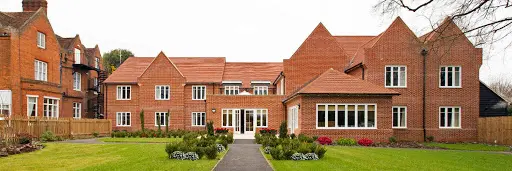
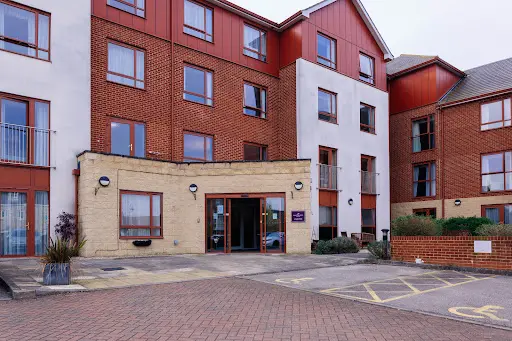
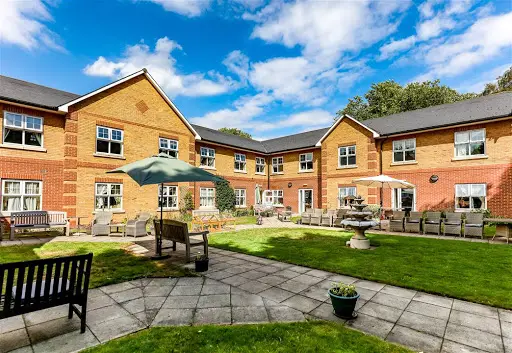
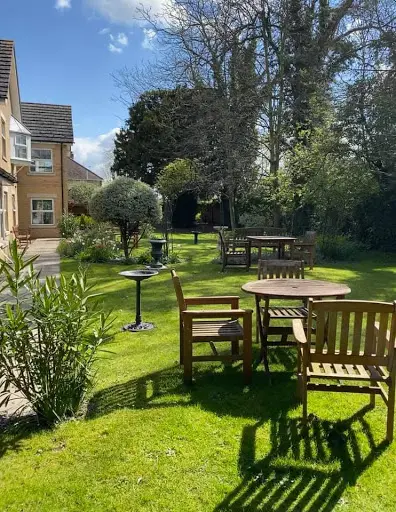
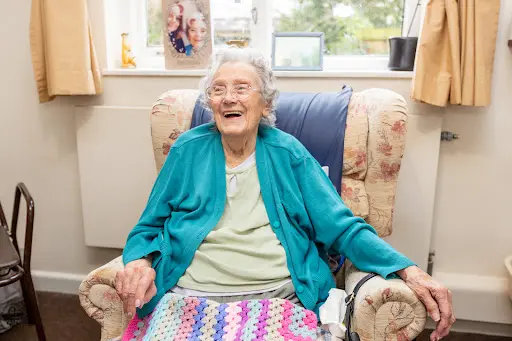
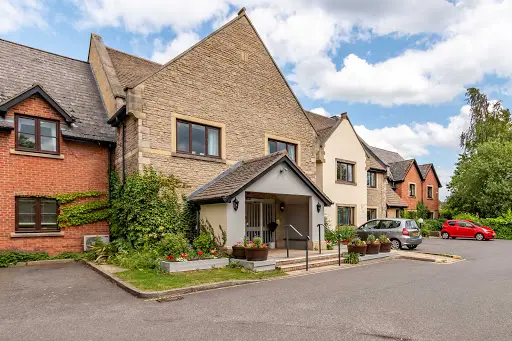
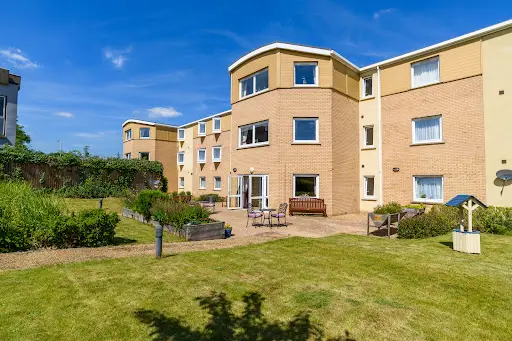
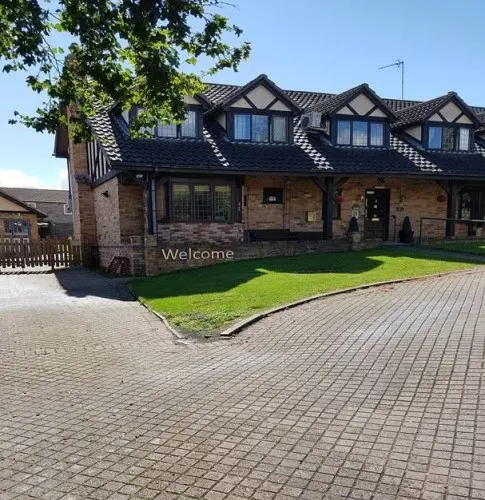
Maycroft Care Home
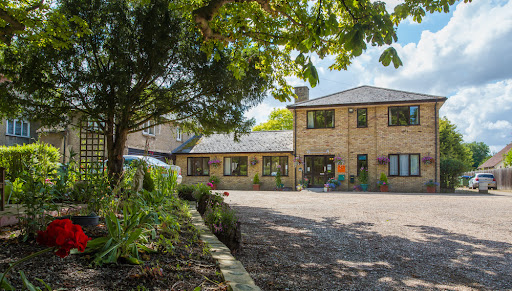
At a Glance
The information you need to decide whether this home warrants a closer look.
Residential homes
Staff warmth score
of reviewers answered yes
Good to know
- Registered beds25
- SpecialismsCaring for adults over 65 yrs, Caring for adults under 65 yrs, Dementia, Physical disabilities, Sensory impairment
- Last inspected2018-08-02
Save Maycroft Care Home to your shortlist
Keep a running list, add visit notes, and compare homes side-by-side. Free account — it takes a minute.
STAGE 4 — RESEARCHING CARE HOMES
Visit homes. Compare them side by side. Choose with confidence.
Most of us will view care homes the way we view houses, impression, atmosphere, the feeling in the corridor. We go home, try to remember what we saw, and make a permanent decision from a blurred memory.

The DCC shortlist gives every home you visit a structured record: the same twelve questions, answered the same way, every time. When you’re ready to choose, pull any two homes side by side and compare them directly. Same criteria, same evidence, your notes and your scores.
The Evidence
What the review data, the inspection reports, and the dementia-care evidence base tell us about this home.
What families say
The eight family priority themes
- Staff warmth72
- Compassion & dignity72
- Cleanliness70
- Activities & engagement65
- Food quality65
- Healthcare68
- Management & leadership72
- Resident happiness70
What inspectors found
Inspected 2018-08-02
Is this home safe?
Is the care effective?
The home was rated Good for effectiveness at the December 2025 inspection. The published report does not describe specific findings about care plan quality, GP access, dementia training, medicines reviews, or how food and nutrition needs are assessed. Dementia is listed as a specialism, which means the home is registered and expected to have appropriate systems in place, but the inspection text does not confirm what those systems look like in practice.Is this home caring?
The home was rated Good for caring at the December 2025 inspection. The published report does not include specific inspector observations about staff interactions, use of preferred names, response to distress, or the pace at which care is delivered. No concerns about dignity or respect were recorded. The caring domain rating indicates inspectors were satisfied, but the detail behind that judgement is not visible in the available text.Is the home responsive?
The home was rated Good for responsiveness at the December 2025 inspection. The published report does not describe specific activities, individual engagement programmes, or how the home supports people who can no longer join group activities. End-of-life planning and how the home responds to changing needs are also not described in the available text. The Good rating indicates inspectors found the home met the standard for responsiveness.Is the home well-led?
The home was rated Good for well-led at the December 2025 inspection. Ms Neshie Ilagan Alamo is the named Registered Manager and Mr Stephen Baker is the Nominated Individual, indicating a formal governance structure is in place. The published report does not describe manager visibility, staff culture, how feedback is gathered from residents and families, or how the home responds to complaints and incidents. No leadership concerns were raised by inspectors.
Source: CQC inspection report →
What the evidence base says
The team at Maycroft has experience caring for residents with sensory impairments and physical disabilities. They support adults both under and over 65, recognising that care needs don't always follow age boundaries. Maycroft provides specialist dementia care, supporting residents through different stages of their journey. The home's experience with sensory impairments can be particularly helpful for those living with dementia who may also have hearing or vision difficulties. All areas worth probing directly during a visit.
The DCC Verdict
Our editorial view, built from the three lenses: what families tell us, what inspectors record, and how the home sits against good dementia-care practice.
DCC Family Score
Maycroft Care Home received a Good rating across all five domains at its December 2025 inspection, which is a positive baseline. However, the published report contains very limited specific detail, so scores reflect confirmed Good ratings rather than rich observational evidence.
Homes in East typically score 68–82.Worth a visit
Maycroft Care Home, at 73 High Street, Royston, received a Good rating across all five inspection domains at its most recent assessment on 10 December 2025, with the report published in March 2026. The home is a 25-bed registered residential home with specialisms covering dementia, physical disabilities, and sensory impairments. A registered manager is named and in post, and the leadership structure includes a Nominated Individual, which suggests formal accountability is in place. The main limitation here is that the published report contains very little specific observational detail beyond the domain ratings themselves. There are no recorded quotes from residents or relatives, no descriptions of staff interactions, and no specific findings on food, activities, staffing ratios, or dementia care practices. A Good rating is a positive starting point, but it tells you the home met the standard, not how it felt to live there. Before making a decision, visit at a mealtime if possible, ask the manager to show you the staffing rota for last week, and spend time in a communal area so you can observe how staff speak to and move around the people who live there.
The three questions to ask when you visitSave this home. Compare it against your shortlist.
Let our analysis show you how Maycroft Care Home measures up against the other homes you’re considering. Free account.
In Their Own Words
How Maycroft Care Home describes itself — collected from its own website. DCC has not edited or independently verified the content in this tab.
Specialist dementia and disability care in Royston
Compassionate Care in Royston at Maycroft Care Home
Maycroft Care Home in Royston provides residential care for people living with dementia, physical disabilities, and sensory impairments. The home welcomes both younger adults under 65 and older residents who need specialist support. Located in the east of Royston, Maycroft offers dedicated care across a range of complex needs.
Who they care for
The team at Maycroft has experience caring for residents with sensory impairments and physical disabilities. They support adults both under and over 65, recognising that care needs don't always follow age boundaries.
Maycroft provides specialist dementia care, supporting residents through different stages of their journey. The home's experience with sensory impairments can be particularly helpful for those living with dementia who may also have hearing or vision difficulties.
“If you're looking for specialist care in Royston, visiting Maycroft could help you understand whether their approach would suit your loved one.”
DCC does not edit or curate content in this tab. For independently curated information, see The Evidence and DCC Verdict.
The DCC Verdict
Our editorial view, built from the three lenses: what families tell us, what inspectors record, and how the home sits against good dementia-care practice.
DCC Family Score
Maycroft Care Home received a Good rating across all five domains at its December 2025 inspection, which is a positive baseline. However, the published report contains very limited specific detail, so scores reflect confirmed Good ratings rather than rich observational evidence.
Homes in East typically score 68–82.Worth a visit
Maycroft Care Home, at 73 High Street, Royston, received a Good rating across all five inspection domains at its most recent assessment on 10 December 2025, with the report published in March 2026. The home is a 25-bed registered residential home with specialisms covering dementia, physical disabilities, and sensory impairments. A registered manager is named and in post, and the leadership structure includes a Nominated Individual, which suggests formal accountability is in place. The main limitation here is that the published report contains very little specific observational detail beyond the domain ratings themselves. There are no recorded quotes from residents or relatives, no descriptions of staff interactions, and no specific findings on food, activities, staffing ratios, or dementia care practices. A Good rating is a positive starting point, but it tells you the home met the standard, not how it felt to live there. Before making a decision, visit at a mealtime if possible, ask the manager to show you the staffing rota for last week, and spend time in a communal area so you can observe how staff speak to and move around the people who live there.
The three questions to ask when you visitSave this home. Compare it against your shortlist.
Let our analysis show you how Maycroft Care Home measures up against the other homes you’re considering. Free account.
In Their Own Words
How Maycroft Care Home describes itself — collected from its own website. DCC has not edited or independently verified the content in this tab.
Specialist dementia and disability care in Royston
Compassionate Care in Royston at Maycroft Care Home
Maycroft Care Home in Royston provides residential care for people living with dementia, physical disabilities, and sensory impairments. The home welcomes both younger adults under 65 and older residents who need specialist support. Located in the east of Royston, Maycroft offers dedicated care across a range of complex needs.
Who they care for
The team at Maycroft has experience caring for residents with sensory impairments and physical disabilities. They support adults both under and over 65, recognising that care needs don't always follow age boundaries.
Maycroft provides specialist dementia care, supporting residents through different stages of their journey. The home's experience with sensory impairments can be particularly helpful for those living with dementia who may also have hearing or vision difficulties.
“If you're looking for specialist care in Royston, visiting Maycroft could help you understand whether their approach would suit your loved one.”
DCC does not edit or curate content in this tab. For independently curated information, see The Evidence and DCC Verdict.