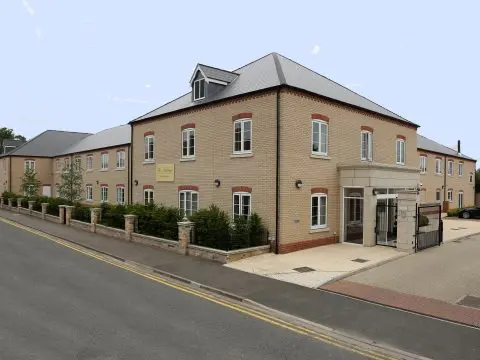
Cherry Blossom Care Home

At a Glance
The information you need to decide whether this home warrants a closer look.
Nursing homes
Staff warmth score
of reviewers answered yes
Good to know
- Registered beds80
- SpecialismsCaring for adults over 65 yrs, Dementia, Physical disabilities, Sensory impairment
- Last inspected2020-03-19
Save Cherry Blossom Care Home to your shortlist
Keep a running list, add visit notes, and compare homes side-by-side. Free account — it takes a minute.
STAGE 4 — RESEARCHING CARE HOMES
Visit homes. Compare them side by side. Choose with confidence.
Most of us will view care homes the way we view houses, impression, atmosphere, the feeling in the corridor. We go home, try to remember what we saw, and make a permanent decision from a blurred memory.

The DCC shortlist gives every home you visit a structured record: the same twelve questions, answered the same way, every time. When you’re ready to choose, pull any two homes side by side and compare them directly. Same criteria, same evidence, your notes and your scores.
The Evidence
What the review data, the inspection reports, and the dementia-care evidence base tell us about this home.
What families say
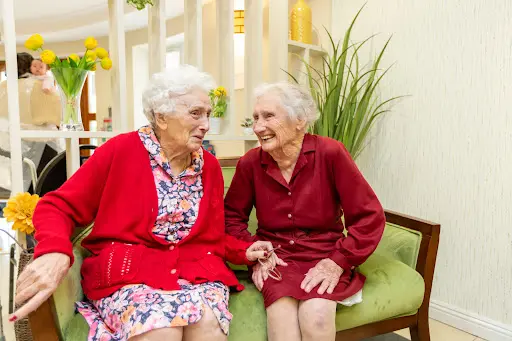
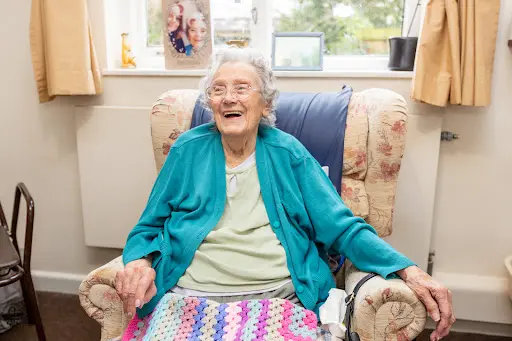
Families describe staff who understand that caring goes beyond medical tasks. They talk about nurses who sit with residents during difficult nights, who know when to offer a reassuring word to worried relatives, and who create moments of joy through community events like charity fundraisers. The approachable nature of the team helps families feel they can ask questions and stay involved in their loved one's care.
The eight family priority themes
- Staff warmth55
- Compassion & dignity55
- Cleanliness55
- Activities & engagement50
- Food quality50
- Healthcare55
- Management & leadership60
- Resident happiness55
What inspectors found
Inspected 2020-03-19
Is this home safe?
Is the care effective?
The inspection rated this domain Good. The home specialises in dementia care alongside nursing care for older adults with physical disabilities and sensory impairment. The published report does not include specific observations about care plan content, GP access, dementia training, or food quality. The Good rating suggests inspectors found no significant shortfalls, but the absence of detail makes it difficult to assess the quality of practice in any specific area.Is this home caring?
The inspection rated this domain Good. No specific observations about staff warmth, preferred names, response to distress, or dignity in personal care are included in the published report. The Good rating indicates that inspectors did not find evidence of poor practice in this area, but the lack of detail means families cannot rely on the inspection findings alone to assess the culture of care.Is the home responsive?
The inspection rated this domain Good. The home supports people with a range of needs including dementia and sensory impairment, which suggests it should have adapted care and activities for different abilities. The published report does not include specific observations about the activities programme, individual engagement, end-of-life planning, or responsiveness to complaints. The Good rating is the only signal available from this inspection.Is the home well-led?
The inspection rated this domain Good. The home is operated by Cherry Blossom Care Home Limited, with Ms Helen Genevieve Jones recorded as the Nominated Individual, indicating a named individual holds formal regulatory responsibility. A monitoring review in July 2023 found no evidence requiring a reassessment of the rating. The published report does not include specific observations about the manager's visibility, staff culture, audit processes, or how the home responds to concerns.
Source: CQC inspection report →
What the evidence base says
The home provides nursing care for residents with sensory impairments and physical disabilities, including post-stroke recovery support. They accept residents over 65 who need help with daily living alongside medical care. Dementia care forms part of the nursing support offered, though families should ask about specific approaches and any safeguarding measures in place to protect vulnerable residents from external risks. All areas worth probing directly during a visit.
The DCC Verdict
Our editorial view, built from the three lenses: what families tell us, what inspectors record, and how the home sits against good dementia-care practice.
DCC Family Score
Cherry Blossom Care Home holds a Good rating across all five inspection domains, but the published report contains very limited specific detail, so scores reflect a baseline Good rating rather than strong verified evidence of what daily life looks like for your parent.
Homes in East typically score 68–82.The three-lens summary
What families tell us
Families describe staff who understand that caring goes beyond medical tasks. They talk about nurses who sit with residents during difficult nights, who know when to offer a reassuring word to worried relatives, and who create moments of joy through community events like charity fundraisers. The approachable nature of the team helps families feel they can ask questions and stay involved in their loved one's care.
What inspectors have recorded
Communication stands out in family feedback, with relatives appreciating regular updates about their loved one's condition. Staff make themselves available to discuss care plans and answer concerns. However, some families have experienced delays in emergency response times and concerns about hygiene standards in rooms and bathrooms that suggest oversight needs strengthening in these areas.
How it sits against good practice
If you're considering Cherry Blossom, visiting will help you assess whether their strengths in compassionate nursing care outweigh the practical concerns some families have raised.
Worth a visit
Cherry Blossom Care Home on Warwick Road in Peterborough was rated Good across all five inspection domains at its last full inspection in January 2021. A monitoring review in July 2023 found no evidence to prompt a re-rating, which means the Good rating remains current. The home is registered to provide nursing care for up to 80 people, including those living with dementia, physical disabilities, and sensory impairment. The main limitation of this report is that the published inspection text contains very little specific detail about what day-to-day life looks like for your mum or dad. A Good rating tells you that inspectors found no significant concerns, but it does not tell you whether staff are warm, whether the food is good, or whether activities are genuinely tailored to individuals. Given the inspection took place in January 2021, now more than four years ago, a lot may have changed. When you visit, ask to see last week's actual staffing rota (not a template), sit in on a mealtime if you can, and pay close attention to how staff speak to and move around the people who live there.
The three questions to ask when you visitSave this home. Compare it against your shortlist.
Let our analysis show you how Cherry Blossom Care Home measures up against the other homes you’re considering. Free account.
In Their Own Words
How Cherry Blossom Care Home describes itself — collected from its own website. DCC has not edited or independently verified the content in this tab.
Where families find comfort during life's most difficult moments
Nursing home in Peterborough: True Peace of Mind
When families face the heartbreak of terminal illness, they need somewhere that understands both medical needs and emotional ones. Cherry Blossom Care Home in Peterborough provides nursing care for older adults with physical disabilities, sensory impairments and dementia. The home has built a particular reputation for supporting families through end-of-life care, though some have raised concerns about cleanliness standards that deserve attention.
Who they care for
The home provides nursing care for residents with sensory impairments and physical disabilities, including post-stroke recovery support. They accept residents over 65 who need help with daily living alongside medical care.
Dementia care forms part of the nursing support offered, though families should ask about specific approaches and any safeguarding measures in place to protect vulnerable residents from external risks.
“If you're considering Cherry Blossom, visiting will help you assess whether their strengths in compassionate nursing care outweigh the practical concerns some families have raised.”
DCC does not edit or curate content in this tab. For independently curated information, see The Evidence and DCC Verdict.
The DCC Verdict
Our editorial view, built from the three lenses: what families tell us, what inspectors record, and how the home sits against good dementia-care practice.
DCC Family Score
Cherry Blossom Care Home holds a Good rating across all five inspection domains, but the published report contains very limited specific detail, so scores reflect a baseline Good rating rather than strong verified evidence of what daily life looks like for your parent.
Homes in East typically score 68–82.The three-lens summary
What families tell us
Families describe staff who understand that caring goes beyond medical tasks. They talk about nurses who sit with residents during difficult nights, who know when to offer a reassuring word to worried relatives, and who create moments of joy through community events like charity fundraisers. The approachable nature of the team helps families feel they can ask questions and stay involved in their loved one's care.
What inspectors have recorded
Communication stands out in family feedback, with relatives appreciating regular updates about their loved one's condition. Staff make themselves available to discuss care plans and answer concerns. However, some families have experienced delays in emergency response times and concerns about hygiene standards in rooms and bathrooms that suggest oversight needs strengthening in these areas.
How it sits against good practice
If you're considering Cherry Blossom, visiting will help you assess whether their strengths in compassionate nursing care outweigh the practical concerns some families have raised.
Worth a visit
Cherry Blossom Care Home on Warwick Road in Peterborough was rated Good across all five inspection domains at its last full inspection in January 2021. A monitoring review in July 2023 found no evidence to prompt a re-rating, which means the Good rating remains current. The home is registered to provide nursing care for up to 80 people, including those living with dementia, physical disabilities, and sensory impairment. The main limitation of this report is that the published inspection text contains very little specific detail about what day-to-day life looks like for your mum or dad. A Good rating tells you that inspectors found no significant concerns, but it does not tell you whether staff are warm, whether the food is good, or whether activities are genuinely tailored to individuals. Given the inspection took place in January 2021, now more than four years ago, a lot may have changed. When you visit, ask to see last week's actual staffing rota (not a template), sit in on a mealtime if you can, and pay close attention to how staff speak to and move around the people who live there.
The three questions to ask when you visitSave this home. Compare it against your shortlist.
Let our analysis show you how Cherry Blossom Care Home measures up against the other homes you’re considering. Free account.
In Their Own Words
How Cherry Blossom Care Home describes itself — collected from its own website. DCC has not edited or independently verified the content in this tab.
Where families find comfort during life's most difficult moments
Nursing home in Peterborough: True Peace of Mind
When families face the heartbreak of terminal illness, they need somewhere that understands both medical needs and emotional ones. Cherry Blossom Care Home in Peterborough provides nursing care for older adults with physical disabilities, sensory impairments and dementia. The home has built a particular reputation for supporting families through end-of-life care, though some have raised concerns about cleanliness standards that deserve attention.
Who they care for
The home provides nursing care for residents with sensory impairments and physical disabilities, including post-stroke recovery support. They accept residents over 65 who need help with daily living alongside medical care.
Dementia care forms part of the nursing support offered, though families should ask about specific approaches and any safeguarding measures in place to protect vulnerable residents from external risks.
Management & ethos
Communication stands out in family feedback, with relatives appreciating regular updates about their loved one's condition. Staff make themselves available to discuss care plans and answer concerns. However, some families have experienced delays in emergency response times and concerns about hygiene standards in rooms and bathrooms that suggest oversight needs strengthening in these areas.
“If you're considering Cherry Blossom, visiting will help you assess whether their strengths in compassionate nursing care outweigh the practical concerns some families have raised.”
DCC does not edit or curate content in this tab. For independently curated information, see The Evidence and DCC Verdict.