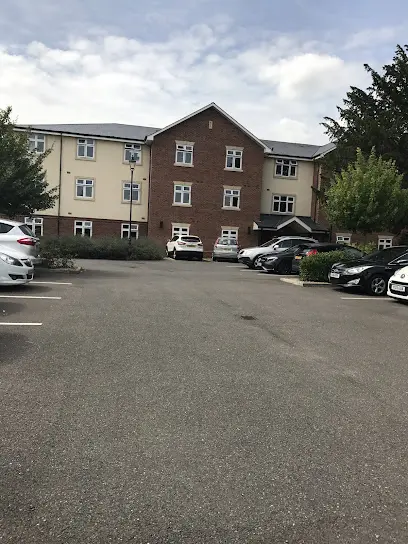
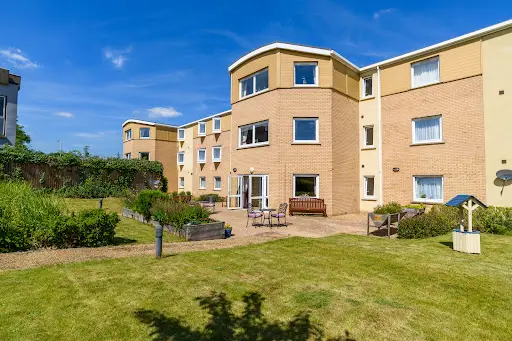
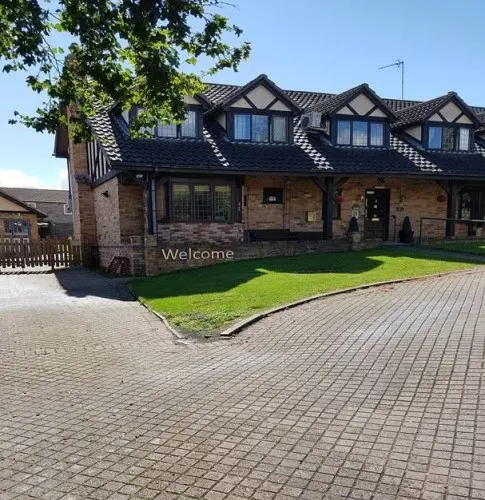
Buchan House Care Home

At a Glance
The information you need to decide whether this home warrants a closer look.
Nursing homes
Staff warmth score
of reviewers answered yes
Good to know
- Registered beds66
- SpecialismsCaring for adults over 65 yrs, Dementia
- Last inspected2020-03-27
Save Buchan House Care Home to your shortlist
Keep a running list, add visit notes, and compare homes side-by-side. Free account — it takes a minute.
STAGE 4 — RESEARCHING CARE HOMES
Visit homes. Compare them side by side. Choose with confidence.
Most of us will view care homes the way we view houses, impression, atmosphere, the feeling in the corridor. We go home, try to remember what we saw, and make a permanent decision from a blurred memory.

The DCC shortlist gives every home you visit a structured record: the same twelve questions, answered the same way, every time. When you’re ready to choose, pull any two homes side by side and compare them directly. Same criteria, same evidence, your notes and your scores.
The Evidence
What the review data, the inspection reports, and the dementia-care evidence base tell us about this home.
What families say
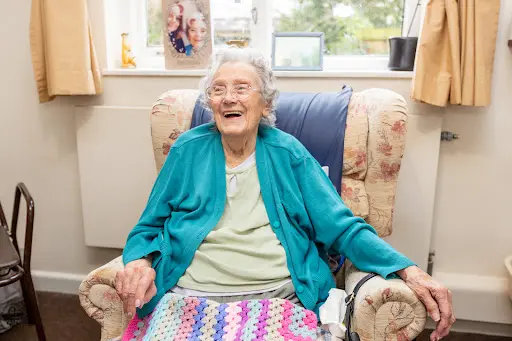
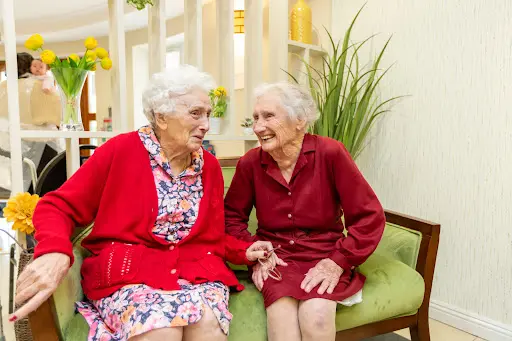
Families describe feeling welcomed from their very first visit, with staff taking time to understand each resident as an individual. The transition into care, which can feel overwhelming, is handled with patience and emotional intelligence. Residents themselves talk about the friendliness they experience daily, from gentle morning routines to engaging afternoon activities.
The eight family priority themes
- Staff warmth72
- Compassion & dignity72
- Cleanliness70
- Activities & engagement65
- Food quality65
- Healthcare70
- Management & leadership72
- Resident happiness70
What inspectors found
Inspected 2020-03-27
Is this home safe?
Is the care effective?
The Effective domain was rated Good at the August 2020 inspection. This domain covers staff training, care planning, nutrition and hydration, and healthcare access. The home is registered to provide nursing care and treatment of disease, disorder, or injury, which indicates clinical healthcare is delivered on site. The published text does not include specific detail about dementia training content, care plan review processes, or food provision.Is this home caring?
The Caring domain was rated Good at the August 2020 inspection. This domain covers staff warmth, dignity, respect, privacy, and independence. No specific inspector observations, resident quotes, or staff interactions are described in the published text. The monitoring review in July 2023 found no evidence requiring a change to this rating.Is the home responsive?
The Responsive domain was rated Good at the August 2020 inspection. This domain covers activities, individualised care, complaints handling, and end-of-life care. The home specialises in dementia care, which means activities should be tailored to cognitive ability and individual history, not just offered as a group programme. The published text does not describe specific activities, one-to-one engagement, or end-of-life planning arrangements.Is the home well-led?
The Well-led domain was rated Good at the August 2020 inspection. The home has a named registered manager (Mrs Tanya Louise Logan) and a nominated individual (Mrs Sam Manning) recorded in the inspection registration. This domain covers governance, staff culture, learning from incidents, and communication with families and staff. The published text does not describe management visibility, staff morale, or specific governance processes.
Source: CQC inspection report →
What the evidence base says
The home specialises in dementia care and supports adults over 65. Their approach to dementia particularly stands out, with both the physical environment and care methods adapted to help residents feel secure and engaged. Families whose loved ones live with Alzheimer's and other forms of dementia report seeing them thrive in this environment. The combination of familiar routines, patient staff, and thoughtfully designed spaces helps residents maintain their sense of self while receiving the support they need. All areas worth probing directly during a visit.
The DCC Verdict
Our editorial view, built from the three lenses: what families tell us, what inspectors record, and how the home sits against good dementia-care practice.
DCC Family Score
Buchan House Care Home holds a Good rating across all five inspection domains, which is a solid baseline. However, the published inspection text contains very limited specific detail, so scores reflect the rating itself rather than rich observed evidence.
Homes in East typically score 68–82.The three-lens summary
What families tell us
Families describe feeling welcomed from their very first visit, with staff taking time to understand each resident as an individual. The transition into care, which can feel overwhelming, is handled with patience and emotional intelligence. Residents themselves talk about the friendliness they experience daily, from gentle morning routines to engaging afternoon activities.
What inspectors have recorded
The manager sets a positive tone that flows through the entire team, remaining visible and approachable to families. Staff show genuine engagement with residents' wellbeing, offering attentive support that respects individual preferences and dignity. Communication with families stays consistent and reassuring, keeping everyone connected to their loved one's care journey.
How it sits against good practice
For many families, finding the right balance of professional care and genuine warmth makes all the difference. At Buchan House, that balance seems to come naturally.
Worth a visit
Buchan House Care Home, on Buchan Street in Cambridge, was rated Good across all five inspection domains at its last published inspection in August 2020. The home is registered to provide nursing care and personal care for up to 66 people, including people living with dementia, and has a named registered manager and nominated individual in place. A subsequent monitoring review in July 2023 found no evidence requiring a reassessment of the rating, suggesting the home has remained stable. The main uncertainty here is the limited detail in the published inspection text. A Good rating is meaningful, but it tells you the standard reached, not how it was reached. Before visiting, prepare specific questions: ask about night staffing numbers, agency staff use in the last month, how dementia-specific care plans are reviewed, and what one-to-one activity looks like for someone who cannot join group sessions. Use your visit to observe whether staff move without hurry, address your parent by their preferred name, and respond warmly to people in distress.
The three questions to ask when you visitSave this home. Compare it against your shortlist.
Let our analysis show you how Buchan House Care Home measures up against the other homes you’re considering. Free account.
In Their Own Words
How Buchan House Care Home describes itself — collected from its own website. DCC has not edited or independently verified the content in this tab.
Where kindness meets expertise in dementia care
Compassionate Care in Cambridge at Buchan House Care Home
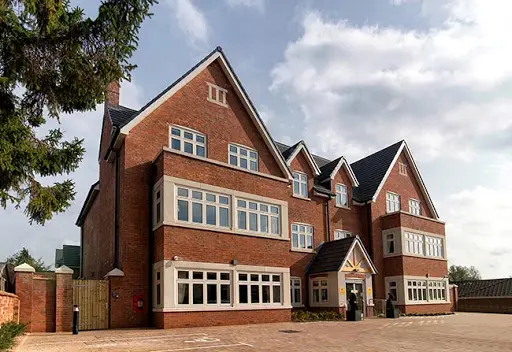
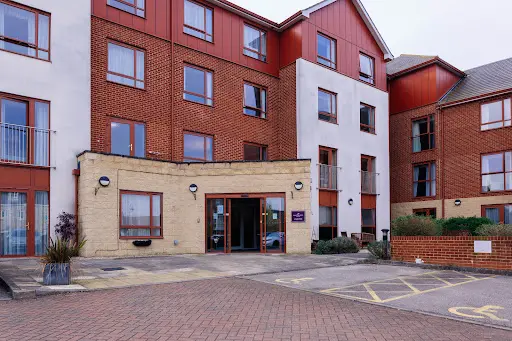
When families visit Buchan House Care Home in East Cambridge, they often mention the warmth that greets them at the door. It's not just the modern, spotless environment that catches their attention — it's how staff seem to genuinely enjoy what they do. This cheerful atmosphere extends throughout the home, where residents with dementia and other care needs find both comfort and community.
Who they care for
The home specialises in dementia care and supports adults over 65. Their approach to dementia particularly stands out, with both the physical environment and care methods adapted to help residents feel secure and engaged.
Families whose loved ones live with Alzheimer's and other forms of dementia report seeing them thrive in this environment. The combination of familiar routines, patient staff, and thoughtfully designed spaces helps residents maintain their sense of self while receiving the support they need.
“For many families, finding the right balance of professional care and genuine warmth makes all the difference. At Buchan House, that balance seems to come naturally.”
DCC does not edit or curate content in this tab. For independently curated information, see The Evidence and DCC Verdict.
The DCC Verdict
Our editorial view, built from the three lenses: what families tell us, what inspectors record, and how the home sits against good dementia-care practice.
DCC Family Score
Buchan House Care Home holds a Good rating across all five inspection domains, which is a solid baseline. However, the published inspection text contains very limited specific detail, so scores reflect the rating itself rather than rich observed evidence.
Homes in East typically score 68–82.The three-lens summary
What families tell us
Families describe feeling welcomed from their very first visit, with staff taking time to understand each resident as an individual. The transition into care, which can feel overwhelming, is handled with patience and emotional intelligence. Residents themselves talk about the friendliness they experience daily, from gentle morning routines to engaging afternoon activities.
What inspectors have recorded
The manager sets a positive tone that flows through the entire team, remaining visible and approachable to families. Staff show genuine engagement with residents' wellbeing, offering attentive support that respects individual preferences and dignity. Communication with families stays consistent and reassuring, keeping everyone connected to their loved one's care journey.
How it sits against good practice
For many families, finding the right balance of professional care and genuine warmth makes all the difference. At Buchan House, that balance seems to come naturally.
Worth a visit
Buchan House Care Home, on Buchan Street in Cambridge, was rated Good across all five inspection domains at its last published inspection in August 2020. The home is registered to provide nursing care and personal care for up to 66 people, including people living with dementia, and has a named registered manager and nominated individual in place. A subsequent monitoring review in July 2023 found no evidence requiring a reassessment of the rating, suggesting the home has remained stable. The main uncertainty here is the limited detail in the published inspection text. A Good rating is meaningful, but it tells you the standard reached, not how it was reached. Before visiting, prepare specific questions: ask about night staffing numbers, agency staff use in the last month, how dementia-specific care plans are reviewed, and what one-to-one activity looks like for someone who cannot join group sessions. Use your visit to observe whether staff move without hurry, address your parent by their preferred name, and respond warmly to people in distress.
The three questions to ask when you visitSave this home. Compare it against your shortlist.
Let our analysis show you how Buchan House Care Home measures up against the other homes you’re considering. Free account.
In Their Own Words
How Buchan House Care Home describes itself — collected from its own website. DCC has not edited or independently verified the content in this tab.
Where kindness meets expertise in dementia care
Compassionate Care in Cambridge at Buchan House Care Home
When families visit Buchan House Care Home in East Cambridge, they often mention the warmth that greets them at the door. It's not just the modern, spotless environment that catches their attention — it's how staff seem to genuinely enjoy what they do. This cheerful atmosphere extends throughout the home, where residents with dementia and other care needs find both comfort and community.
Who they care for
The home specialises in dementia care and supports adults over 65. Their approach to dementia particularly stands out, with both the physical environment and care methods adapted to help residents feel secure and engaged.
Families whose loved ones live with Alzheimer's and other forms of dementia report seeing them thrive in this environment. The combination of familiar routines, patient staff, and thoughtfully designed spaces helps residents maintain their sense of self while receiving the support they need.
Management & ethos
The manager sets a positive tone that flows through the entire team, remaining visible and approachable to families. Staff show genuine engagement with residents' wellbeing, offering attentive support that respects individual preferences and dignity. Communication with families stays consistent and reassuring, keeping everyone connected to their loved one's care journey.
The home & environment
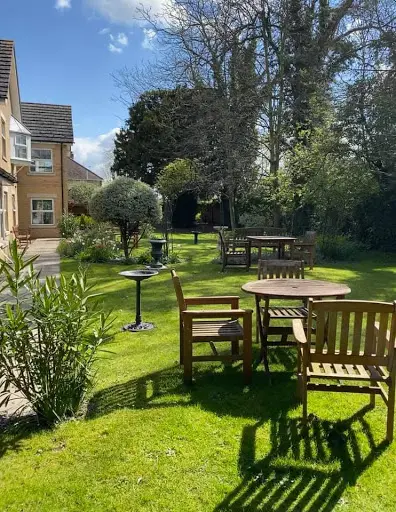
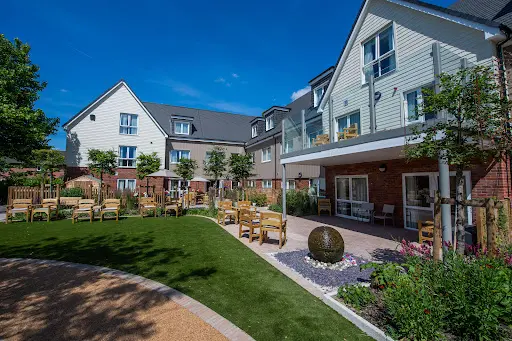
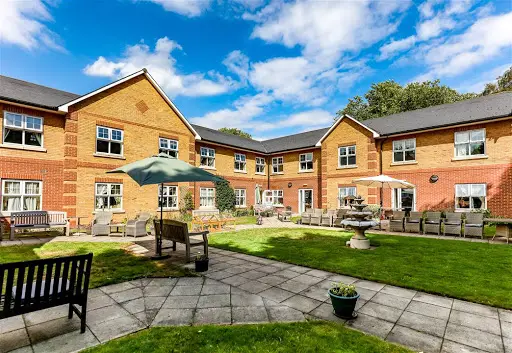
The home maintains exceptional cleanliness throughout, with families consistently noting how well-organised and fresh everything feels. Home-cooked meals bring residents together, while the modern facilities provide comfortable spaces for both socialising and quiet reflection. The building's layout works particularly well for residents with dementia, helping them navigate their daily lives with confidence.
“For many families, finding the right balance of professional care and genuine warmth makes all the difference. At Buchan House, that balance seems to come naturally.”
DCC does not edit or curate content in this tab. For independently curated information, see The Evidence and DCC Verdict.