Linden House Care Home in Epsom | Nirvana Care Group
At a Glance
The information you need to decide whether this home warrants a closer look.
Residential homes
Staff warmth score
of reviewers answered yes
Good to know
- Registered beds32
- SpecialismsCaring for adults over 65 yrs, Caring for adults under 65 yrs, Dementia
- Last inspected2019-11-06
Save Linden House Care Home in Epsom | Nirvana Care Group to your shortlist
Keep a running list, add visit notes, and compare homes side-by-side. Free account — it takes a minute.
STAGE 4 — RESEARCHING CARE HOMES
Visit homes. Compare them side by side. Choose with confidence.
Most of us will view care homes the way we view houses, impression, atmosphere, the feeling in the corridor. We go home, try to remember what we saw, and make a permanent decision from a blurred memory.

The DCC shortlist gives every home you visit a structured record: the same twelve questions, answered the same way, every time. When you’re ready to choose, pull any two homes side by side and compare them directly. Same criteria, same evidence, your notes and your scores.
The Evidence
What the review data, the inspection reports, and the dementia-care evidence base tell us about this home.
What families say
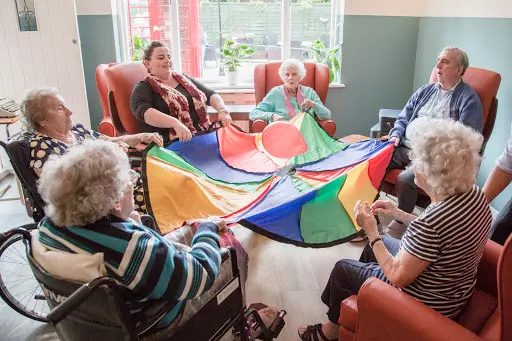
Visitors often comment on how content residents seem here. You'll find staff actively involved in daily life, whether that's joining in activities or simply being there when someone needs a reassuring presence. The atmosphere feels genuinely welcoming, with families treated as part of the community rather than just visitors.
The eight family priority themes
- Staff warmth72
- Compassion & dignity72
- Cleanliness65
- Activities & engagement60
- Food quality55
- Healthcare65
- Management & leadership88
- Resident happiness70
What inspectors found
Inspected 2019-11-06
Is this home safe?
Is the care effective?
The effective domain was rated Good. This covers how well staff understand and respond to each resident's individual needs, including care planning, healthcare access, nutrition, and dementia-specific training. Dementia is listed as a specialism for the home, which means inspectors will have assessed whether staff have appropriate knowledge and skills. The published summary does not describe specific care planning processes, GP access arrangements, or the content of dementia training programmes.Is this home caring?
Linden House was rated Good for caring. This domain assesses whether staff treat residents with kindness, respect, and dignity, and whether people are supported to maintain their independence where possible. A Good rating means inspectors did not find evidence of poor practice in this area. The published summary does not include specific direct observations, such as staff using preferred names or residents appearing settled and at ease, nor does it include verbatim testimony from residents or relatives.Is the home responsive?
The responsive domain was rated Good. This domain covers whether the home tailors its care to individual needs, provides meaningful activities, supports people's independence, and plans appropriately for end of life. Dementia is a listed specialism, which means inspectors will have considered whether the activity programme and daily routines meet the specific needs of people living with dementia. No specific detail about the activity programme, individual engagement, or end-of-life planning appears in the published summary.Is the home well-led?
Linden House received an Outstanding rating for well-led, the highest possible grade. This is awarded when inspectors find strong, visible leadership, a positive and open culture, robust governance systems, and evidence that the home continuously improves. The home is run by Willowmead Residential Home Ltd, with a registered manager and a nominated individual in post. An Outstanding well-led rating is achieved by fewer than one in ten care homes nationally and is the strongest signal the inspection framework can give about the quality of leadership.
Source: CQC inspection report →
What the evidence base says
Linden House provides residential care for adults both under and over 65. The team has particular experience supporting people living with dementia. For those with dementia, the staff show real understanding of how to provide comfort during moments of confusion or distress. They work to create a calm, reassuring environment where residents feel secure. All areas worth probing directly during a visit.
The DCC Verdict
Our editorial view, built from the three lenses: what families tell us, what inspectors record, and how the home sits against good dementia-care practice.
DCC Family Score
Linden House scores well overall, lifted significantly by an Outstanding rating for leadership, which is rare and meaningful. Scores in several other areas are moderate because the published inspection text contains limited specific detail beyond compliance statements.
Homes in South East typically score 68–82.The three-lens summary
What families tell us
Visitors often comment on how content residents seem here. You'll find staff actively involved in daily life, whether that's joining in activities or simply being there when someone needs a reassuring presence. The atmosphere feels genuinely welcoming, with families treated as part of the community rather than just visitors.
What inspectors have recorded
The management team has brought fresh energy that's clearly lifted staff morale. This positive shift shows in the quality of care — team members take time to understand each resident's needs and respond with genuine warmth when someone's feeling unsettled.
How it sits against good practice
While the positive changes are still settling in, there's a genuine sense of optimism about where Linden House is heading.
Worth a visit
Linden House in Epsom was rated Good overall at its last inspection, with an Outstanding rating for well-led, a grade that fewer than one in ten care homes achieve. Inspectors assessed the home as Good across safe, effective, caring, and responsive domains. The home supports adults over and under 65, including people living with dementia, and is registered for up to 32 beds. The main uncertainty here is that the published inspection summary is brief and contains limited specific detail about day-to-day life for your parent. The Outstanding leadership rating is a genuine positive signal, as strong leadership predicts better outcomes across all other areas of care. However, the inspection was carried out in March 2021 and the most recent monitoring review was July 2023, so the findings are now several years old. On a visit, focus on what you can observe directly: whether staff use your parent's preferred name without prompting, how the home looks and smells, whether residents appear settled, and what the activity programme actually looks like in practice.
The three questions to ask when you visitSave this home. Compare it against your shortlist.
Let our analysis show you how Linden House Care Home in Epsom | Nirvana Care Group measures up against the other homes you’re considering. Free account.
In Their Own Words
How Linden House Care Home in Epsom | Nirvana Care Group describes itself — collected from its own website. DCC has not edited or independently verified the content in this tab.
Fresh energy brings renewed warmth to Epsom care community
Compassionate Care in Epsom at Linden House
There's something encouraging happening at Linden House in Epsom. Families visiting their loved ones have noticed a real shift — the kind that makes you breathe a little easier when you walk through the door. Under its current leadership, the home has found a new rhythm that's bringing smiles to residents and relief to worried relatives.
Who they care for
Linden House provides residential care for adults both under and over 65. The team has particular experience supporting people living with dementia.
For those with dementia, the staff show real understanding of how to provide comfort during moments of confusion or distress. They work to create a calm, reassuring environment where residents feel secure.
“While the positive changes are still settling in, there's a genuine sense of optimism about where Linden House is heading.”
DCC does not edit or curate content in this tab. For independently curated information, see The Evidence and DCC Verdict.
The DCC Verdict
Our editorial view, built from the three lenses: what families tell us, what inspectors record, and how the home sits against good dementia-care practice.
DCC Family Score
Linden House scores well overall, lifted significantly by an Outstanding rating for leadership, which is rare and meaningful. Scores in several other areas are moderate because the published inspection text contains limited specific detail beyond compliance statements.
Homes in South East typically score 68–82.The three-lens summary
What families tell us
Visitors often comment on how content residents seem here. You'll find staff actively involved in daily life, whether that's joining in activities or simply being there when someone needs a reassuring presence. The atmosphere feels genuinely welcoming, with families treated as part of the community rather than just visitors.
What inspectors have recorded
The management team has brought fresh energy that's clearly lifted staff morale. This positive shift shows in the quality of care — team members take time to understand each resident's needs and respond with genuine warmth when someone's feeling unsettled.
How it sits against good practice
While the positive changes are still settling in, there's a genuine sense of optimism about where Linden House is heading.
Worth a visit
Linden House in Epsom was rated Good overall at its last inspection, with an Outstanding rating for well-led, a grade that fewer than one in ten care homes achieve. Inspectors assessed the home as Good across safe, effective, caring, and responsive domains. The home supports adults over and under 65, including people living with dementia, and is registered for up to 32 beds. The main uncertainty here is that the published inspection summary is brief and contains limited specific detail about day-to-day life for your parent. The Outstanding leadership rating is a genuine positive signal, as strong leadership predicts better outcomes across all other areas of care. However, the inspection was carried out in March 2021 and the most recent monitoring review was July 2023, so the findings are now several years old. On a visit, focus on what you can observe directly: whether staff use your parent's preferred name without prompting, how the home looks and smells, whether residents appear settled, and what the activity programme actually looks like in practice.
The three questions to ask when you visitSave this home. Compare it against your shortlist.
Let our analysis show you how Linden House Care Home in Epsom | Nirvana Care Group measures up against the other homes you’re considering. Free account.
In Their Own Words
How Linden House Care Home in Epsom | Nirvana Care Group describes itself — collected from its own website. DCC has not edited or independently verified the content in this tab.
Fresh energy brings renewed warmth to Epsom care community
Compassionate Care in Epsom at Linden House
There's something encouraging happening at Linden House in Epsom. Families visiting their loved ones have noticed a real shift — the kind that makes you breathe a little easier when you walk through the door. Under its current leadership, the home has found a new rhythm that's bringing smiles to residents and relief to worried relatives.
Who they care for
Linden House provides residential care for adults both under and over 65. The team has particular experience supporting people living with dementia.
For those with dementia, the staff show real understanding of how to provide comfort during moments of confusion or distress. They work to create a calm, reassuring environment where residents feel secure.
Management & ethos
The management team has brought fresh energy that's clearly lifted staff morale. This positive shift shows in the quality of care — team members take time to understand each resident's needs and respond with genuine warmth when someone's feeling unsettled.
The home & environment
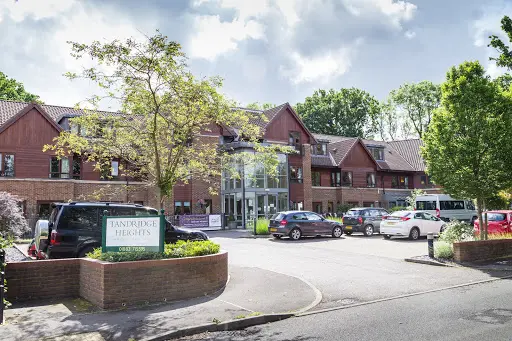
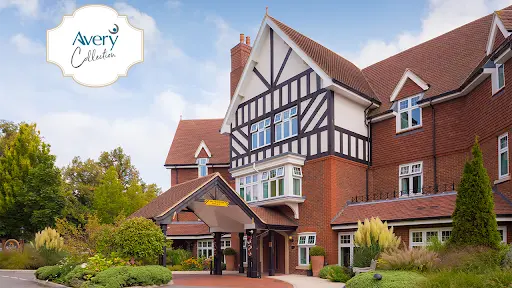
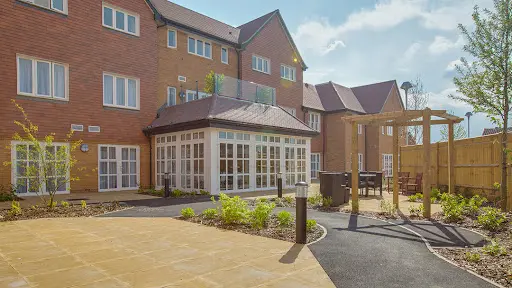
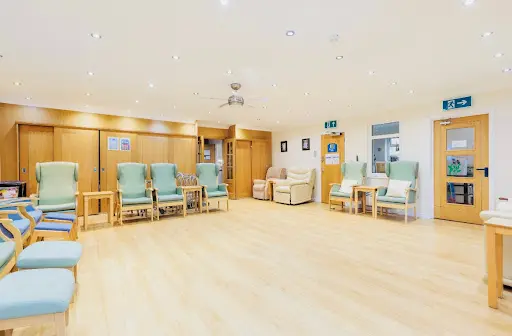
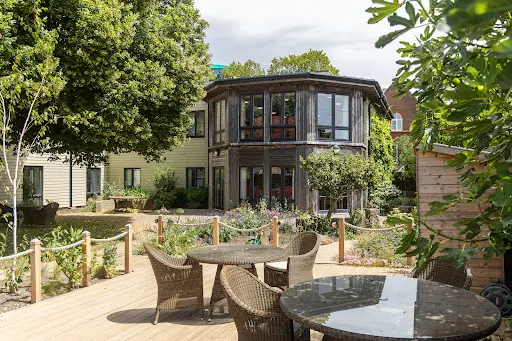
The home maintains good standards of cleanliness and presentation throughout. While there's been some refurbishment work happening, it hasn't disrupted the calm environment that residents need.
“While the positive changes are still settling in, there's a genuine sense of optimism about where Linden House is heading.”
DCC does not edit or curate content in this tab. For independently curated information, see The Evidence and DCC Verdict.