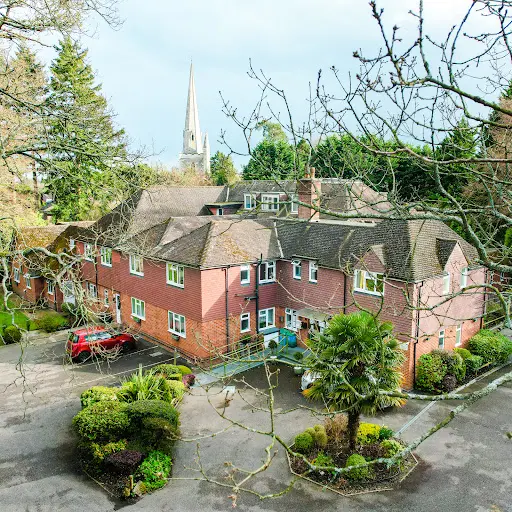
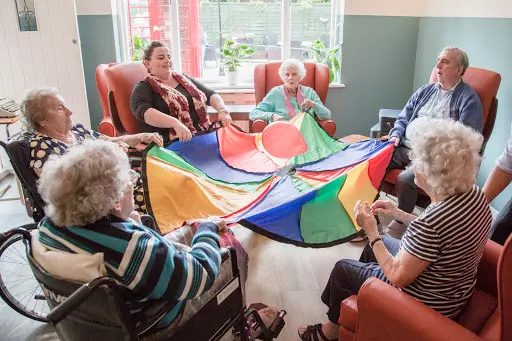
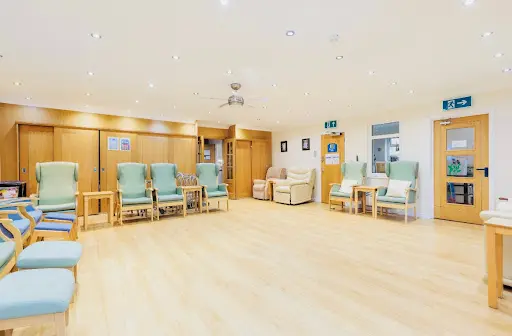
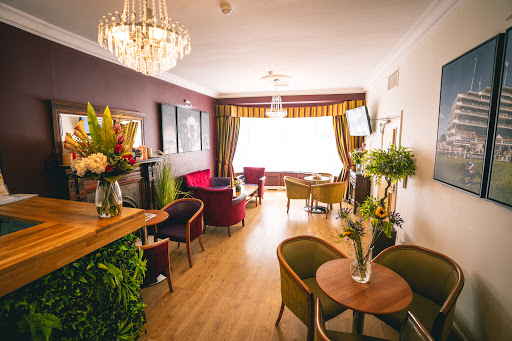
La Luz Residential Home
At a Glance
The information you need to decide whether this home warrants a closer look.
Residential homes
Staff warmth score
of reviewers answered yes
Good to know
- Registered beds16
- SpecialismsCaring for adults over 65 yrs, Caring for adults under 65 yrs, Dementia, Mental health conditions, Sensory impairment
- Last inspected2022-07-01
Save La Luz Residential Home to your shortlist
Keep a running list, add visit notes, and compare homes side-by-side. Free account — it takes a minute.
STAGE 4 — RESEARCHING CARE HOMES
Visit homes. Compare them side by side. Choose with confidence.
Most of us will view care homes the way we view houses, impression, atmosphere, the feeling in the corridor. We go home, try to remember what we saw, and make a permanent decision from a blurred memory.

The DCC shortlist gives every home you visit a structured record: the same twelve questions, answered the same way, every time. When you’re ready to choose, pull any two homes side by side and compare them directly. Same criteria, same evidence, your notes and your scores.
The Evidence
What the review data, the inspection reports, and the dementia-care evidence base tell us about this home.
What families say
The eight family priority themes
- Staff warmth65
- Compassion & dignity65
- Cleanliness65
- Activities & engagement60
- Food quality60
- Healthcare62
- Management & leadership65
- Resident happiness62
What inspectors found
Inspected 2022-07-01
Is this home safe?
Is the care effective?
The home received a Good rating for effectiveness at its last inspection. This domain covers whether staff have the right training and knowledge, whether care plans are personalised and regularly reviewed, whether people's health needs are met through GP and specialist access, and whether nutrition and hydration are well managed. The home lists dementia as a specialism, which implies a higher bar for training and care planning. Without the full inspection text, the specific evidence behind this Good rating — training records, care plan examples, food quality observations — cannot be verified.Is this home caring?
The home received a Good rating in Caring at its last inspection in July 2022. This is the domain that covers warmth, dignity, respect, and whether staff treat people as individuals. In our DCC Family Review data, staff warmth (57.3% of positive reviews) and compassion and dignity (55.2%) are the two most cited factors when families describe a home as genuinely good. A Good Caring rating indicates inspectors observed or heard evidence of these qualities, but without the inspection text, no direct observations or quotes from residents or relatives are available to illustrate what this looked like in practice.Is the home responsive?
The home received a Good rating in Responsive at its last inspection. This domain covers whether the home meets people's individual needs, provides meaningful activities, responds to concerns and complaints promptly, and supports people at the end of life. For a home serving people with dementia, responsiveness includes whether activities are tailored to individual abilities rather than relying on group sessions alone. Without the inspection text, no specific activity descriptions, engagement observations, or end-of-life planning evidence is available.Is the home well-led?
The home received a Good rating in Well-Led at its last inspection in July 2022. This domain assesses whether the manager provides stable, visible leadership, whether staff feel supported and able to raise concerns, whether the home learns from incidents, and whether governance systems are functioning. The home has had three inspections and a stable rating trend, which suggests continuity rather than sharp improvement or decline. Without the inspection text, no information is available about the current manager's tenure, staff turnover rates, or the culture within the home.
Source: CQC inspection report →
What the evidence base says
The team here supports adults across age groups, including those under 65 who need specialist care. They work with residents who have sensory impairments, dementia and mental health conditions. The home has experience supporting residents with complex dementia-related behaviours. Families have found the team maintains regular communication throughout challenging periods, keeping relatives informed and involved. All areas worth probing directly during a visit.
The DCC Verdict
Our editorial view, built from the three lenses: what families tell us, what inspectors record, and how the home sits against good dementia-care practice.
DCC Family Score
This home holds a Good rating across all five domains from its last inspection in July 2022, which is a meaningful baseline — but without the full inspection text, no specific observations, quotes, or detailed evidence can be verified, so the Family Score reflects the rating floor rather than confirmed strengths.
Homes in South East typically score 68–82.Worth a visit
This small 16-bed home in Tadworth holds a Good rating across all five inspection domains, most recently assessed in July 2022 — now approximately three years ago. The home supports adults over and under 65, including people with dementia, mental health conditions, and sensory impairment, making it a more complex care environment than its size might suggest. A consistent Good across all domains is a positive baseline, and the stable trend with no deterioration from previous inspections adds some reassurance. The most significant limitation here is that the full inspection report text was not available, which means none of the specific evidence behind these ratings — inspector observations, resident and family quotes, staffing numbers, or care practice detail — can be independently examined. The inspection is also approaching three years old, and a lot can change in a care home in that time: managers move on, staffing rotas shift, ownership changes. Before making any decision, visit in person and ask directly: how many permanent staff are on the dementia unit after 8pm, and when was the last time a family or resident raised a concern and what happened next?
The three questions to ask when you visitSave this home. Compare it against your shortlist.
Let our analysis show you how La Luz Residential Home measures up against the other homes you’re considering. Free account.
In Their Own Words
How La Luz Residential Home describes itself — collected from its own website. DCC has not edited or independently verified the content in this tab.
Where dementia care meets genuine warmth in Surrey
Residential home in Tadworth: True Peace of Mind
When families need specialist care for complex conditions, La Luz Residential Home in Tadworth offers something reassuring — a place where challenging behaviours and mental health needs are met with patience and understanding. This Surrey home specialises in supporting both younger and older adults with dementia, mental health conditions and sensory impairments.
Who they care for
The team here supports adults across age groups, including those under 65 who need specialist care. They work with residents who have sensory impairments, dementia and mental health conditions.
The home has experience supporting residents with complex dementia-related behaviours. Families have found the team maintains regular communication throughout challenging periods, keeping relatives informed and involved.
“If you're considering La Luz for someone you love, arranging a visit will give you the clearest picture of their approach to care.”
DCC does not edit or curate content in this tab. For independently curated information, see The Evidence and DCC Verdict.
The DCC Verdict
Our editorial view, built from the three lenses: what families tell us, what inspectors record, and how the home sits against good dementia-care practice.
DCC Family Score
This home holds a Good rating across all five domains from its last inspection in July 2022, which is a meaningful baseline — but without the full inspection text, no specific observations, quotes, or detailed evidence can be verified, so the Family Score reflects the rating floor rather than confirmed strengths.
Homes in South East typically score 68–82.Worth a visit
This small 16-bed home in Tadworth holds a Good rating across all five inspection domains, most recently assessed in July 2022 — now approximately three years ago. The home supports adults over and under 65, including people with dementia, mental health conditions, and sensory impairment, making it a more complex care environment than its size might suggest. A consistent Good across all domains is a positive baseline, and the stable trend with no deterioration from previous inspections adds some reassurance. The most significant limitation here is that the full inspection report text was not available, which means none of the specific evidence behind these ratings — inspector observations, resident and family quotes, staffing numbers, or care practice detail — can be independently examined. The inspection is also approaching three years old, and a lot can change in a care home in that time: managers move on, staffing rotas shift, ownership changes. Before making any decision, visit in person and ask directly: how many permanent staff are on the dementia unit after 8pm, and when was the last time a family or resident raised a concern and what happened next?
The three questions to ask when you visitSave this home. Compare it against your shortlist.
Let our analysis show you how La Luz Residential Home measures up against the other homes you’re considering. Free account.
In Their Own Words
How La Luz Residential Home describes itself — collected from its own website. DCC has not edited or independently verified the content in this tab.
Where dementia care meets genuine warmth in Surrey
Residential home in Tadworth: True Peace of Mind
When families need specialist care for complex conditions, La Luz Residential Home in Tadworth offers something reassuring — a place where challenging behaviours and mental health needs are met with patience and understanding. This Surrey home specialises in supporting both younger and older adults with dementia, mental health conditions and sensory impairments.
Who they care for
The team here supports adults across age groups, including those under 65 who need specialist care. They work with residents who have sensory impairments, dementia and mental health conditions.
The home has experience supporting residents with complex dementia-related behaviours. Families have found the team maintains regular communication throughout challenging periods, keeping relatives informed and involved.
“If you're considering La Luz for someone you love, arranging a visit will give you the clearest picture of their approach to care.”
DCC does not edit or curate content in this tab. For independently curated information, see The Evidence and DCC Verdict.