Jubilee Court
At a Glance
The information you need to decide whether this home warrants a closer look.
Residential homes
Staff warmth score
of reviewers answered yes
Good to know
- Registered beds91
- SpecialismsCaring for adults over 65 yrs, Dementia, Physical disabilities
- Last inspected2022-12-07
Save Jubilee Court to your shortlist
Keep a running list, add visit notes, and compare homes side-by-side. Free account — it takes a minute.
STAGE 4 — RESEARCHING CARE HOMES
Visit homes. Compare them side by side. Choose with confidence.
Most of us will view care homes the way we view houses, impression, atmosphere, the feeling in the corridor. We go home, try to remember what we saw, and make a permanent decision from a blurred memory.

The DCC shortlist gives every home you visit a structured record: the same twelve questions, answered the same way, every time. When you’re ready to choose, pull any two homes side by side and compare them directly. Same criteria, same evidence, your notes and your scores.
The Evidence
What the review data, the inspection reports, and the dementia-care evidence base tell us about this home.
What families say
Families describe staff who hold hands, offer hugs when needed, and know exactly how each resident likes their tea. The team understands how to calm anxiety, redirect difficult moments, and create genuine connections that matter. People talk about carers who remember the small things — favourite songs, preferred routines, the right words to bring comfort.
The eight family priority themes
- Staff warmth75
- Compassion & dignity75
- Cleanliness65
- Activities & engagement65
- Food quality65
- Healthcare55
- Management & leadership75
- Resident happiness70
What inspectors found
Inspected 2022-12-07
Is this home safe?
Is the care effective?
The Effective domain was rated Good at the October 2022 inspection. This domain covers training, care planning, healthcare access, nutrition, and how well staff put their knowledge into practice. The home specialises in dementia care, which means inspectors would have looked at whether staff understand dementia and whether care plans reflect individual needs. The published summary does not include specific observations or examples to confirm what good practice was evidenced.Is this home caring?
The Caring domain was rated Good at the October 2022 inspection. Inspectors assess this domain by observing interactions between staff and residents, checking whether people are addressed by their preferred names, whether privacy and dignity are respected, and whether people are supported to maintain their independence. The published summary does not include specific quotes from residents or relatives, or descriptions of particular interactions that inspectors observed.Is the home responsive?
The Responsive domain was rated Good at the October 2022 inspection. This domain covers whether the home responds to individual needs, whether activities are meaningful and tailored, how the home supports people at the end of life, and how it handles complaints. The home's specialism in dementia care means inspectors would have considered whether activities are accessible to people at different stages of the condition. The published summary does not include specific details of the activities programme or examples of individual engagement.Is the home well-led?
The Well-led domain was rated Good at the October 2022 inspection. The home has a named registered manager, Mrs Melissa Louise King, and a nominated individual, Mr Stewart Christopher Mynott. Quantum Care Limited is the operating organisation. A Good Well-led rating indicates inspectors were satisfied that governance, accountability, and culture were in reasonable shape. The published summary does not describe specific examples of how the manager leads or how staff are supported to raise concerns.
Source: CQC inspection report →
What the evidence base says
The home supports people over 65 with dementia and physical disabilities. They work with residents at different stages of their journey, adapting care as needs change. Staff show real understanding of dementia, using distraction techniques and gentle approaches that respect each person's reality. The physical environment supports independence while keeping people safe, with thoughtful design touches throughout. All areas worth probing directly during a visit.
The DCC Verdict
Our editorial view, built from the three lenses: what families tell us, what inspectors record, and how the home sits against good dementia-care practice.
DCC Family Score
Jubilee Court scores 72 out of 100. Four of five domains were rated Good at the last inspection, which is a meaningful improvement from the previous Requires Improvement overall rating, but the Safety domain still needs work and the published report provides limited specific detail to score several themes with confidence.
Homes in East typically score 68–82.The three-lens summary
What families tell us
Families describe staff who hold hands, offer hugs when needed, and know exactly how each resident likes their tea. The team understands how to calm anxiety, redirect difficult moments, and create genuine connections that matter. People talk about carers who remember the small things — favourite songs, preferred routines, the right words to bring comfort.
What inspectors have recorded
The management team keeps an open door for families, answering questions honestly and staying available when worries arise. They've built a programme of activities that includes everyone — from social events and days out to quieter one-to-one time. While most families report excellent support, there have been concerns raised about how the home handles more complex behavioural challenges.
How it sits against good practice
Sometimes the hardest decisions lead to the most important relationships. This could be the start of something better.
Worth a visit
Jubilee Court, on Hayward Close in Stevenage, was rated Good overall at its last inspection in October 2022, published in December 2022. This is a genuine improvement from its previous Requires Improvement rating and covers four of the five inspection domains: Effective, Caring, Responsive, and Well-led. The home is registered for 91 beds and specialises in dementia care, care of adults over 65, and support for people with physical disabilities. It is run by Quantum Care Limited, with a named registered manager in post. The one area that still requires attention is Safety, which remained at Requires Improvement. The published report summary does not explain in detail what drove that rating, so this is the most important thing to explore before you make a decision. Ask the manager directly what the inspectors found in the Safe domain and what has been done since December 2022 to address it. Given this report is now over two years old, ask whether a more recent inspection has taken place and what changes have been made to staffing, medicines management, or risk systems since then.
The three questions to ask when you visitSave this home. Compare it against your shortlist.
Let our analysis show you how Jubilee Court measures up against the other homes you’re considering. Free account.
In Their Own Words
How Jubilee Court describes itself — collected from its own website. DCC has not edited or independently verified the content in this tab.
Where kindness meets knowledge in dementia care
Residential home in Stevenage: True Peace of Mind
When dementia changes everything, finding carers who truly understand can feel impossible. Jubilee Court in Stevenage brings together genuine warmth with real expertise in supporting people through this journey. The bungalow-style home creates a welcoming environment where residents receive thoughtful, individualised care that goes beyond the basics.
Who they care for
The home supports people over 65 with dementia and physical disabilities. They work with residents at different stages of their journey, adapting care as needs change.
Staff show real understanding of dementia, using distraction techniques and gentle approaches that respect each person's reality. The physical environment supports independence while keeping people safe, with thoughtful design touches throughout.
“Sometimes the hardest decisions lead to the most important relationships. This could be the start of something better.”
DCC does not edit or curate content in this tab. For independently curated information, see The Evidence and DCC Verdict.
The DCC Verdict
Our editorial view, built from the three lenses: what families tell us, what inspectors record, and how the home sits against good dementia-care practice.
DCC Family Score
Jubilee Court scores 72 out of 100. Four of five domains were rated Good at the last inspection, which is a meaningful improvement from the previous Requires Improvement overall rating, but the Safety domain still needs work and the published report provides limited specific detail to score several themes with confidence.
Homes in East typically score 68–82.The three-lens summary
What families tell us
Families describe staff who hold hands, offer hugs when needed, and know exactly how each resident likes their tea. The team understands how to calm anxiety, redirect difficult moments, and create genuine connections that matter. People talk about carers who remember the small things — favourite songs, preferred routines, the right words to bring comfort.
What inspectors have recorded
The management team keeps an open door for families, answering questions honestly and staying available when worries arise. They've built a programme of activities that includes everyone — from social events and days out to quieter one-to-one time. While most families report excellent support, there have been concerns raised about how the home handles more complex behavioural challenges.
How it sits against good practice
Sometimes the hardest decisions lead to the most important relationships. This could be the start of something better.
Worth a visit
Jubilee Court, on Hayward Close in Stevenage, was rated Good overall at its last inspection in October 2022, published in December 2022. This is a genuine improvement from its previous Requires Improvement rating and covers four of the five inspection domains: Effective, Caring, Responsive, and Well-led. The home is registered for 91 beds and specialises in dementia care, care of adults over 65, and support for people with physical disabilities. It is run by Quantum Care Limited, with a named registered manager in post. The one area that still requires attention is Safety, which remained at Requires Improvement. The published report summary does not explain in detail what drove that rating, so this is the most important thing to explore before you make a decision. Ask the manager directly what the inspectors found in the Safe domain and what has been done since December 2022 to address it. Given this report is now over two years old, ask whether a more recent inspection has taken place and what changes have been made to staffing, medicines management, or risk systems since then.
The three questions to ask when you visitSave this home. Compare it against your shortlist.
Let our analysis show you how Jubilee Court measures up against the other homes you’re considering. Free account.
In Their Own Words
How Jubilee Court describes itself — collected from its own website. DCC has not edited or independently verified the content in this tab.
Where kindness meets knowledge in dementia care
Residential home in Stevenage: True Peace of Mind
When dementia changes everything, finding carers who truly understand can feel impossible. Jubilee Court in Stevenage brings together genuine warmth with real expertise in supporting people through this journey. The bungalow-style home creates a welcoming environment where residents receive thoughtful, individualised care that goes beyond the basics.
Who they care for
The home supports people over 65 with dementia and physical disabilities. They work with residents at different stages of their journey, adapting care as needs change.
Staff show real understanding of dementia, using distraction techniques and gentle approaches that respect each person's reality. The physical environment supports independence while keeping people safe, with thoughtful design touches throughout.
Management & ethos
The management team keeps an open door for families, answering questions honestly and staying available when worries arise. They've built a programme of activities that includes everyone — from social events and days out to quieter one-to-one time. While most families report excellent support, there have been concerns raised about how the home handles more complex behavioural challenges.
The home & environment
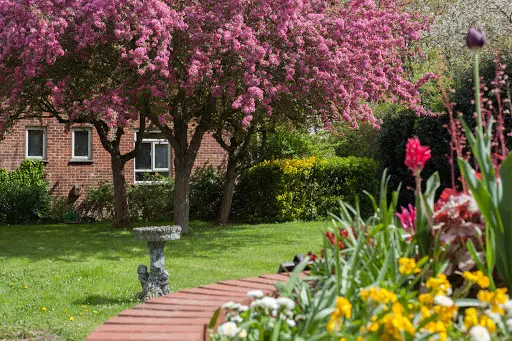
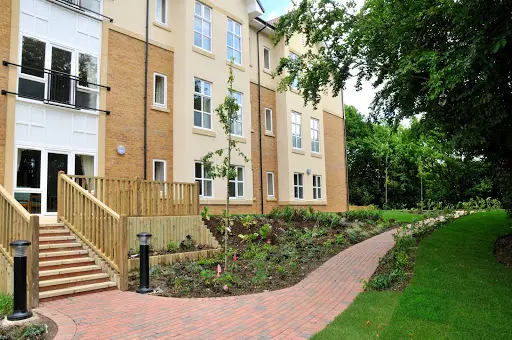
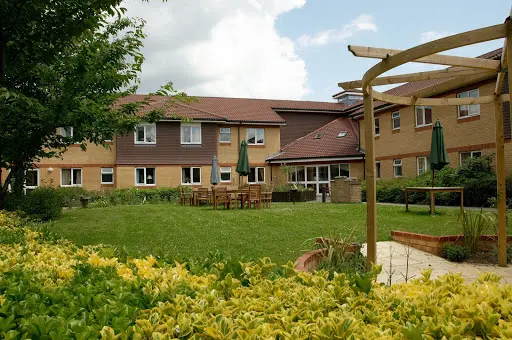
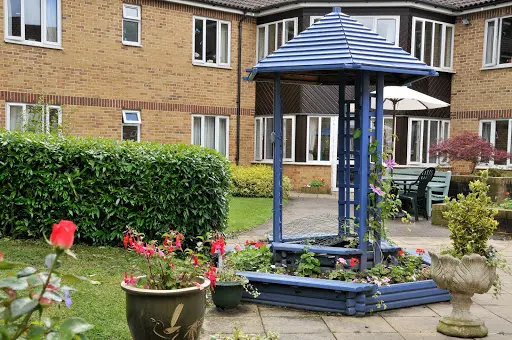
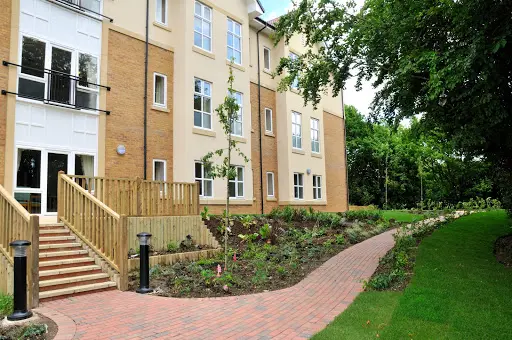
The open-plan layout lets residents move freely between communal spaces and quieter snugs when they need peace. Everything's designed with dementia in mind — clear sightlines from the kitchen, plenty of natural light, and homely touches that help people feel settled. Families consistently mention how clean and fresh the whole building feels.
“Sometimes the hardest decisions lead to the most important relationships. This could be the start of something better.”
DCC does not edit or curate content in this tab. For independently curated information, see The Evidence and DCC Verdict.