Hillcrest Residential Home
At a Glance
The information you need to decide whether this home warrants a closer look.
Residential homes
Staff warmth score
of reviewers answered yes
Good to know
- Registered beds17
- SpecialismsCaring for adults over 65 yrs, Dementia, Mental health conditions
- Last inspected2018-05-01
Save Hillcrest Residential Home to your shortlist
Keep a running list, add visit notes, and compare homes side-by-side. Free account — it takes a minute.
STAGE 4 — RESEARCHING CARE HOMES
Visit homes. Compare them side by side. Choose with confidence.
Most of us will view care homes the way we view houses, impression, atmosphere, the feeling in the corridor. We go home, try to remember what we saw, and make a permanent decision from a blurred memory.

The DCC shortlist gives every home you visit a structured record: the same twelve questions, answered the same way, every time. When you’re ready to choose, pull any two homes side by side and compare them directly. Same criteria, same evidence, your notes and your scores.
The Evidence
What the review data, the inspection reports, and the dementia-care evidence base tell us about this home.
What families say
Families talk about residents with dementia settling better than expected, moving from their own homes without the distress everyone feared. The environment feels manageable rather than overwhelming, and people describe staff from different departments all knowing residents personally.
The eight family priority themes
- Staff warmth55
- Compassion & dignity55
- Cleanliness55
- Activities & engagement50
- Food quality50
- Healthcare50
- Management & leadership60
- Resident happiness55
What inspectors found
Inspected 2018-05-01
Is this home safe?
Is the care effective?
The effective domain was rated Good at the January 2021 inspection. This domain covers training, care planning, healthcare access, nutrition, and outcomes for the people who live in the home. The published summary does not record specific detail about dementia training content, care plan review frequency, GP access arrangements, or food quality. No concerns were identified.Is this home caring?
The caring domain was rated Good at the January 2021 inspection. This covers staff warmth, dignity, privacy, and respect for independence. The published summary contains no specific inspector observations, resident quotes, or family testimony about how staff interact with the people who live there. No concerns were identified.Is the home responsive?
The responsive domain was rated Good at the January 2021 inspection. This domain covers activities, individual engagement, complaints handling, and end-of-life care. The published summary provides no specific detail about the types of activities offered, how individual preferences are accommodated, or how the home responds to complaints. No concerns were identified.Is the home well-led?
The well-led domain was rated Good at the January 2021 inspection. The home is operated by Caring Alternatives Limited and has two named registered managers on record. A monitoring review in July 2023 found no reason to reassess the rating. The published findings give no specific detail about governance processes, staff culture, or how the home acts on feedback and incidents.
Source: CQC inspection report →
What the evidence base says
They support people with dementia and mental health conditions, focusing on over-65s. The smaller scale means they can adapt their approach to individual needs. Families specifically mention how residents with dementia transition here, often settling more smoothly than expected when moving from their own homes. All areas worth probing directly during a visit.
The DCC Verdict
Our editorial view, built from the three lenses: what families tell us, what inspectors record, and how the home sits against good dementia-care practice.
DCC Family Score
Hillcrest received a Good rating across all five inspection domains, which is a positive baseline. However, the published inspection findings contain very limited specific detail, so many scores reflect a general positive assessment rather than confirmed, observed evidence.
Homes in North West typically score 68–82.The three-lens summary
What families tell us
Families talk about residents with dementia settling better than expected, moving from their own homes without the distress everyone feared. The environment feels manageable rather than overwhelming, and people describe staff from different departments all knowing residents personally.
What inspectors have recorded
One serious concern was raised about staff conduct that families will want to ask about directly. Beyond this, families describe consistent staffing where the same faces stick around, from care teams through to domestic staff.
How it sits against good practice
Worth visiting to see if the smaller setting and consistent team feel right for your situation.
Worth a visit
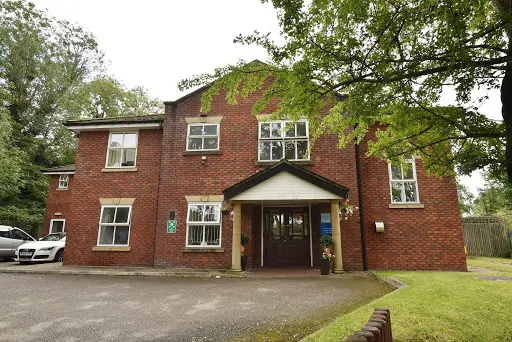
Hillcrest Residential Home in Tyldesley was rated Good across all five inspection domains at its last full inspection, carried out on 27 January 2021 and published in February 2021. The home is registered to care for up to 17 adults over 65, including people living with dementia and mental health conditions. A monitoring review in July 2023 found no evidence to change that rating. Two registered managers are named in the registration records, which suggests formal leadership continuity. The main uncertainty here is the age of the inspection. The last full on-site inspection took place in January 2021, more than four years ago, and the published summary contains very little specific detail about what inspectors actually observed. A Good rating is a positive baseline, but it tells you little about what daily life looks like now. On a visit, ask to see last week's actual staffing rota (counting permanent versus agency names, especially on night shifts), ask how many staff are on duty after 8pm, and observe how staff interact with the people living there in corridors and communal areas, not just in a formal meeting.
The three questions to ask when you visitSave this home. Compare it against your shortlist.
Let our analysis show you how Hillcrest Residential Home measures up against the other homes you’re considering. Free account.
In Their Own Words
How Hillcrest Residential Home describes itself — collected from its own website. DCC has not edited or independently verified the content in this tab.
Small care home where families see real settling happen
Dedicated residential home Support in Tyldesley
When someone you love has dementia, watching them settle somewhere new feels impossible. Hillcrest Residential Home in Tyldesley seems to help residents find their feet, with families describing how anxiety drops and people adapt. It's a smaller place where the kitchen team cook proper meals and staff across different roles work together.
Who they care for
They support people with dementia and mental health conditions, focusing on over-65s. The smaller scale means they can adapt their approach to individual needs.
Families specifically mention how residents with dementia transition here, often settling more smoothly than expected when moving from their own homes.
“Worth visiting to see if the smaller setting and consistent team feel right for your situation.”
DCC does not edit or curate content in this tab. For independently curated information, see The Evidence and DCC Verdict.
The DCC Verdict
Our editorial view, built from the three lenses: what families tell us, what inspectors record, and how the home sits against good dementia-care practice.
DCC Family Score
Hillcrest received a Good rating across all five inspection domains, which is a positive baseline. However, the published inspection findings contain very limited specific detail, so many scores reflect a general positive assessment rather than confirmed, observed evidence.
Homes in North West typically score 68–82.The three-lens summary
What families tell us
Families talk about residents with dementia settling better than expected, moving from their own homes without the distress everyone feared. The environment feels manageable rather than overwhelming, and people describe staff from different departments all knowing residents personally.
What inspectors have recorded
One serious concern was raised about staff conduct that families will want to ask about directly. Beyond this, families describe consistent staffing where the same faces stick around, from care teams through to domestic staff.
How it sits against good practice
Worth visiting to see if the smaller setting and consistent team feel right for your situation.
Worth a visit
Hillcrest Residential Home in Tyldesley was rated Good across all five inspection domains at its last full inspection, carried out on 27 January 2021 and published in February 2021. The home is registered to care for up to 17 adults over 65, including people living with dementia and mental health conditions. A monitoring review in July 2023 found no evidence to change that rating. Two registered managers are named in the registration records, which suggests formal leadership continuity. The main uncertainty here is the age of the inspection. The last full on-site inspection took place in January 2021, more than four years ago, and the published summary contains very little specific detail about what inspectors actually observed. A Good rating is a positive baseline, but it tells you little about what daily life looks like now. On a visit, ask to see last week's actual staffing rota (counting permanent versus agency names, especially on night shifts), ask how many staff are on duty after 8pm, and observe how staff interact with the people living there in corridors and communal areas, not just in a formal meeting.
The three questions to ask when you visitSave this home. Compare it against your shortlist.
Let our analysis show you how Hillcrest Residential Home measures up against the other homes you’re considering. Free account.
In Their Own Words
How Hillcrest Residential Home describes itself — collected from its own website. DCC has not edited or independently verified the content in this tab.
Small care home where families see real settling happen
Dedicated residential home Support in Tyldesley
When someone you love has dementia, watching them settle somewhere new feels impossible. Hillcrest Residential Home in Tyldesley seems to help residents find their feet, with families describing how anxiety drops and people adapt. It's a smaller place where the kitchen team cook proper meals and staff across different roles work together.
Who they care for
They support people with dementia and mental health conditions, focusing on over-65s. The smaller scale means they can adapt their approach to individual needs.
Families specifically mention how residents with dementia transition here, often settling more smoothly than expected when moving from their own homes.
Management & ethos
One serious concern was raised about staff conduct that families will want to ask about directly. Beyond this, families describe consistent staffing where the same faces stick around, from care teams through to domestic staff.
The home & environment
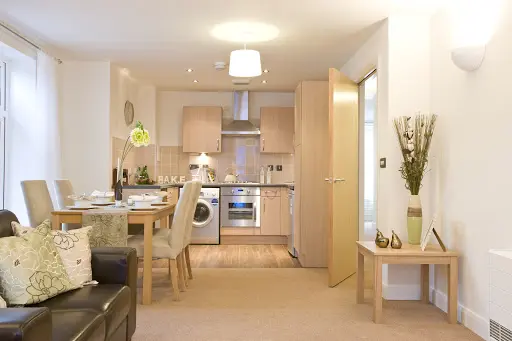
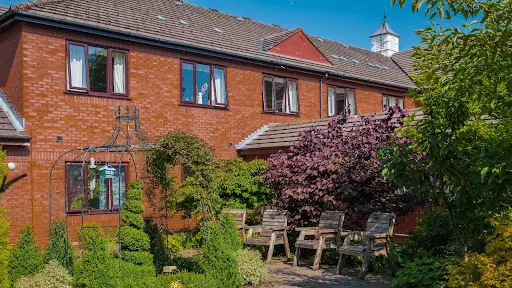
The kitchen cooks everything on site, with families mentioning how residents actually enjoy mealtimes. It's the kind of smaller setting where individual preferences get noticed and accommodated.
“Worth visiting to see if the smaller setting and consistent team feel right for your situation.”
DCC does not edit or curate content in this tab. For independently curated information, see The Evidence and DCC Verdict.