Golden Park & Golden Manor Care Home

At a Glance
The information you need to decide whether this home warrants a closer look.
Nursing homes
Staff warmth score
of reviewers answered yes
Good to know
- Registered beds101
- SpecialismsCaring for adults over 65 yrs, Caring for adults under 65 yrs, Dementia, Mental health conditions, Physical disabilities, Sensory impairment
- Last inspected2025-05-13
Save Golden Park & Golden Manor Care Home to your shortlist
Keep a running list, add visit notes, and compare homes side-by-side. Free account — it takes a minute.
STAGE 4 — RESEARCHING CARE HOMES
Visit homes. Compare them side by side. Choose with confidence.
Most of us will view care homes the way we view houses, impression, atmosphere, the feeling in the corridor. We go home, try to remember what we saw, and make a permanent decision from a blurred memory.

The DCC shortlist gives every home you visit a structured record: the same twelve questions, answered the same way, every time. When you’re ready to choose, pull any two homes side by side and compare them directly. Same criteria, same evidence, your notes and your scores.
The Evidence
What the review data, the inspection reports, and the dementia-care evidence base tell us about this home.
What families say
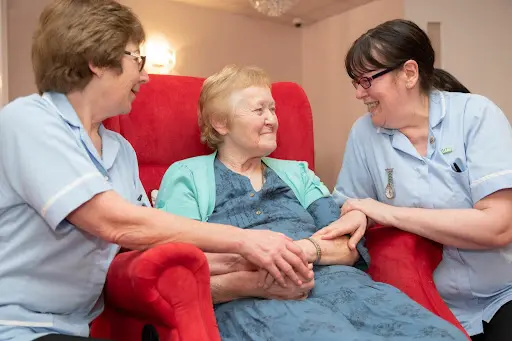
Families describe staff who sit with residents during their final hours, holding hands when relatives can't be there. The team keeps distant families connected through regular updates and photos of seasonal activities, helping everyone feel involved even when visiting is difficult.
The eight family priority themes
- Staff warmth62
- Compassion & dignity62
- Cleanliness55
- Activities & engagement50
- Food quality50
- Healthcare60
- Management & leadership65
- Resident happiness55
What inspectors found
Inspected 2025-05-13 Report published 2025-05-13
Is this home safe?
Is the care effective?
Goldenpark Nursing Home was rated Good for effectiveness at the May 2025 inspection. The home lists dementia, mental health conditions, physical disabilities, and sensory impairments as specialisms alongside nursing care, which requires staff to hold and apply a broad range of clinical knowledge. The published report does not include specific detail on care plan quality, dementia training content, GP access arrangements, or how food and nutrition are managed. The Good rating confirms the home met the effectiveness threshold at the time of the visit.Is this home caring?
Goldenpark Nursing Home was rated Good for caring at the May 2025 inspection. The published report does not include direct inspector observations of staff interactions, resident or family quotes on warmth or dignity, or any evidence of how staff respond to distress or communicate with people who have limited verbal ability. The Good rating confirms the caring threshold was met at the time of the visit.Is the home responsive?
Goldenpark Nursing Home was rated Good for responsiveness at the May 2025 inspection. The home caters for people with a range of complex needs, including dementia, mental health conditions, physical disabilities, and sensory impairments, which means its activity and engagement provision needs to be adaptable and individually tailored. The published report does not include specific detail on the activities programme, one-to-one engagement, or how the home supports people who cannot participate in group activities. The Good rating confirms the responsiveness threshold was met.Is the home well-led?
Goldenpark Nursing Home was rated Good for well-led at the May 2025 inspection. The home has three named registered managers (Mrs Benedicta Delos Santos, Miss Katie Evans, and Mrs Rebecca Louise Tracey) alongside a nominated individual (Mr Aji Bhaskaran), which indicates a substantial management structure for a 101-bed home. The published report does not include specific detail on how the management team is experienced by staff or families, whether governance systems are robust, or how the home responds to complaints and incidents. The Good rating confirms the well-led threshold was met.
Source: CQC inspection report →
What the evidence base says
Goldenpark supports adults of all ages with complex health needs, including physical disabilities, mental health conditions, and sensory impairments. The home provides specialist dementia care as part of its nursing services. Staff work with families to maintain connections and quality of life as conditions develop. All areas worth probing directly during a visit.
The DCC Verdict
Our editorial view, built from the three lenses: what families tell us, what inspectors record, and how the home sits against good dementia-care practice.
DCC Family Score
Goldenpark Nursing Home was rated Good across all five inspection domains in May 2025, which is a positive baseline. However, the published report contains very limited detail on specific observations, quotes, or evidence, so scores reflect the Good rating rather than rich, specific inspection evidence.
Homes in West Midlands typically score 68–82.The three-lens summary
What families tell us
Families describe staff who sit with residents during their final hours, holding hands when relatives can't be there. The team keeps distant families connected through regular updates and photos of seasonal activities, helping everyone feel involved even when visiting is difficult.
What inspectors have recorded
The unit manager appears to take a personal approach, calling families when their relative first arrives to confirm they've settled in. Staff seem to maintain consistent presence, with families mentioning the same nurses and team members supporting them through difficult decisions.
How it sits against good practice
While one family expressed concerns about care and management, most describe a team that provides thoughtful support during life's hardest transitions.
Worth a visit
Goldenpark Nursing Home, on Greyhound Way in Staffordshire, was rated Good across all five inspection domains at its assessment on 13 May 2025. The home provides nursing care for up to 101 people and holds specialisms in dementia, mental health conditions, physical disabilities, and sensory impairments, making it one of the more complex homes in its area. A Good rating in every domain is a solid result and confirms the home was meeting required standards at the time inspectors visited. The main limitation of this report is that the published findings contain very little specific detail: no inspector observations, no resident or family quotes, and no data on staffing ratios, activities, or food quality. A Good rating tells you the threshold was met, but it does not tell you whether the home is warm, whether your parent would be known as an individual, or whether night staffing is adequate for a 101-bed nursing home. Before making a decision, visit at an unannounced time if possible, ask to see last week's actual staffing rota, ask how many registered nurses are on duty overnight, and spend time in a communal area observing how staff interact with the people who live there.
The three questions to ask when you visitSave this home. Compare it against your shortlist.
Let our analysis show you how Golden Park & Golden Manor Care Home measures up against the other homes you’re considering. Free account.
In Their Own Words
How Golden Park & Golden Manor Care Home describes itself — collected from its own website. DCC has not edited or independently verified the content in this tab.
Where families find comfort through life's most difficult moments
Compassionate Care in Staffordshire at Goldenpark Nursing Home
When families face the reality of a loved one needing round-the-clock nursing care, they often worry about maintaining dignity and connection. Goldenpark Nursing Home in Staffordshire provides specialist nursing support for people with complex needs, from physical disabilities to dementia. The care team here seems to understand that supporting families is just as important as caring for residents.
Who they care for
Goldenpark supports adults of all ages with complex health needs, including physical disabilities, mental health conditions, and sensory impairments.
The home provides specialist dementia care as part of its nursing services. Staff work with families to maintain connections and quality of life as conditions develop.
“While one family expressed concerns about care and management, most describe a team that provides thoughtful support during life's hardest transitions.”
DCC does not edit or curate content in this tab. For independently curated information, see The Evidence and DCC Verdict.
The DCC Verdict
Our editorial view, built from the three lenses: what families tell us, what inspectors record, and how the home sits against good dementia-care practice.
DCC Family Score
Goldenpark Nursing Home was rated Good across all five inspection domains in May 2025, which is a positive baseline. However, the published report contains very limited detail on specific observations, quotes, or evidence, so scores reflect the Good rating rather than rich, specific inspection evidence.
Homes in West Midlands typically score 68–82.The three-lens summary
What families tell us
Families describe staff who sit with residents during their final hours, holding hands when relatives can't be there. The team keeps distant families connected through regular updates and photos of seasonal activities, helping everyone feel involved even when visiting is difficult.
What inspectors have recorded
The unit manager appears to take a personal approach, calling families when their relative first arrives to confirm they've settled in. Staff seem to maintain consistent presence, with families mentioning the same nurses and team members supporting them through difficult decisions.
How it sits against good practice
While one family expressed concerns about care and management, most describe a team that provides thoughtful support during life's hardest transitions.
Worth a visit
Goldenpark Nursing Home, on Greyhound Way in Staffordshire, was rated Good across all five inspection domains at its assessment on 13 May 2025. The home provides nursing care for up to 101 people and holds specialisms in dementia, mental health conditions, physical disabilities, and sensory impairments, making it one of the more complex homes in its area. A Good rating in every domain is a solid result and confirms the home was meeting required standards at the time inspectors visited. The main limitation of this report is that the published findings contain very little specific detail: no inspector observations, no resident or family quotes, and no data on staffing ratios, activities, or food quality. A Good rating tells you the threshold was met, but it does not tell you whether the home is warm, whether your parent would be known as an individual, or whether night staffing is adequate for a 101-bed nursing home. Before making a decision, visit at an unannounced time if possible, ask to see last week's actual staffing rota, ask how many registered nurses are on duty overnight, and spend time in a communal area observing how staff interact with the people who live there.
The three questions to ask when you visitSave this home. Compare it against your shortlist.
Let our analysis show you how Golden Park & Golden Manor Care Home measures up against the other homes you’re considering. Free account.
In Their Own Words
How Golden Park & Golden Manor Care Home describes itself — collected from its own website. DCC has not edited or independently verified the content in this tab.
Where families find comfort through life's most difficult moments
Compassionate Care in Staffordshire at Goldenpark Nursing Home
When families face the reality of a loved one needing round-the-clock nursing care, they often worry about maintaining dignity and connection. Goldenpark Nursing Home in Staffordshire provides specialist nursing support for people with complex needs, from physical disabilities to dementia. The care team here seems to understand that supporting families is just as important as caring for residents.
Who they care for
Goldenpark supports adults of all ages with complex health needs, including physical disabilities, mental health conditions, and sensory impairments.
The home provides specialist dementia care as part of its nursing services. Staff work with families to maintain connections and quality of life as conditions develop.
Management & ethos
The unit manager appears to take a personal approach, calling families when their relative first arrives to confirm they've settled in. Staff seem to maintain consistent presence, with families mentioning the same nurses and team members supporting them through difficult decisions.
The home & environment
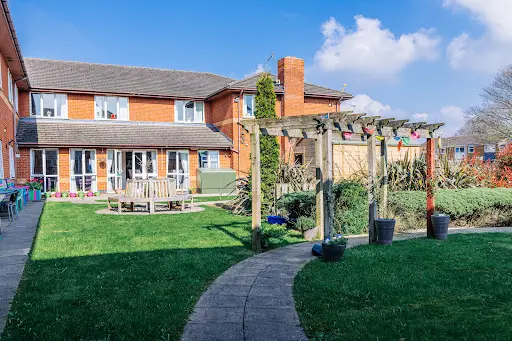
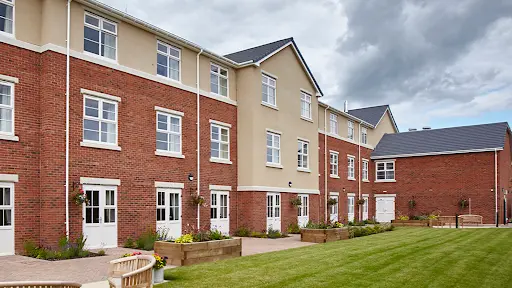
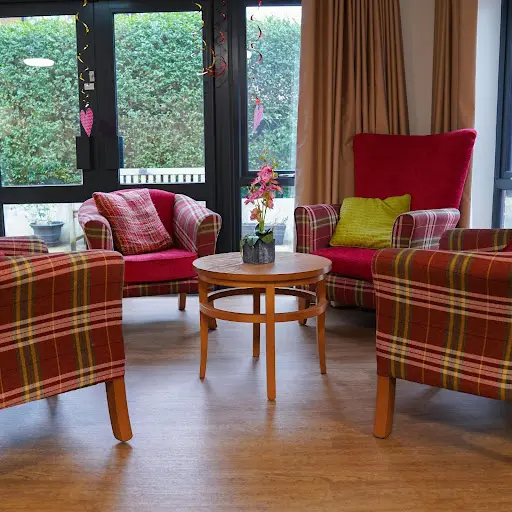
People mention their relatives staying clean and well-presented throughout their time at the home. The entertainment team organizes seasonal activities that residents can enjoy despite physical frailty, creating moments of engagement that families treasure.
“While one family expressed concerns about care and management, most describe a team that provides thoughtful support during life's hardest transitions.”
DCC does not edit or curate content in this tab. For independently curated information, see The Evidence and DCC Verdict.