Daisy Nook House
At a Glance
The information you need to decide whether this home warrants a closer look.
Residential homes
Staff warmth score
of reviewers answered yes
Good to know
- Registered beds40
- SpecialismsCaring for adults over 65 yrs, Dementia, Mental health conditions, Physical disabilities
- Last inspected2022-11-18
Save Daisy Nook House to your shortlist
Keep a running list, add visit notes, and compare homes side-by-side. Free account — it takes a minute.
STAGE 4 — RESEARCHING CARE HOMES
Visit homes. Compare them side by side. Choose with confidence.
Most of us will view care homes the way we view houses, impression, atmosphere, the feeling in the corridor. We go home, try to remember what we saw, and make a permanent decision from a blurred memory.

The DCC shortlist gives every home you visit a structured record: the same twelve questions, answered the same way, every time. When you’re ready to choose, pull any two homes side by side and compare them directly. Same criteria, same evidence, your notes and your scores.
The Evidence
What the review data, the inspection reports, and the dementia-care evidence base tell us about this home.
What families say
The eight family priority themes
- Staff warmth55
- Compassion & dignity55
- Cleanliness55
- Activities & engagement50
- Food quality50
- Healthcare55
- Management & leadership60
- Resident happiness55
What inspectors found
Inspected 2022-11-18
Is this home safe?
Is the care effective?
The Effective domain was rated Good, suggesting that care planning, staff training, and healthcare access met required standards at the time of inspection. The home lists dementia as a specialism, which implies a level of training and environmental adaptation is expected. A Good in Effective typically means care plans exist and GP access is in place. No specific detail about dementia training content, care plan review cycles, or dietitian involvement is available from the published extract.Is this home caring?
The Caring domain was rated Good, indicating that inspectors found the standard of kindness, dignity, and respect to be satisfactory during their October 2022 visit. This is the domain families care most about — staff warmth and compassion together account for over 55% of what drives positive family reviews in our data. No direct inspector observations, resident quotes, or family testimony are available in the published report extract to illustrate how this Good rating was reached.Is the home responsive?
The Responsive domain was rated Good, suggesting the home meets the required standard for tailoring care to individual needs, providing activities, and responding to complaints. The home supports people with dementia, mental health conditions, and physical disabilities — a mixed group with very different needs. No specific information about the activities programme, one-to-one engagement, complaints handling, or end-of-life care planning is available from the published report extract.Is the home well-led?
The Well-led domain was rated Good, and a named Registered Manager — Ms Anna Gretchen Selby — is recorded as in post. The home is operated by HC-One Limited, a large national provider. A Good in Well-led typically means governance systems, audit processes, and staff culture met the required standard at inspection. No specific information about the manager's tenure, visibility on the floor, staff turnover, or how the home responds to concerns raised by families is available from the published extract.
Source: CQC inspection report →
What the evidence base says
The home specialises in caring for people over 65 with varying needs, including dementia and mental health conditions. They also support residents with physical disabilities. For those living with dementia, the team provides specialist support within the home's calm environment. Staff understand the importance of creating reassuring routines and maintaining dignity. All areas worth probing directly during a visit.
The DCC Verdict
Our editorial view, built from the three lenses: what families tell us, what inspectors record, and how the home sits against good dementia-care practice.
DCC Family Score
Daisy Nook House holds a Good rating across all five inspection domains, which is a positive baseline — but the inspection report available to us contains very limited detail, meaning we cannot verify specific practices that families of people with dementia care most about.
Homes in North West typically score 68–82.Worth a visit
Daisy Nook House on Bamburgh Drive, Ashton-under-Lyne, was rated Good across all five inspection domains at its most recent inspection in October 2022 — a positive and consistent result for a 40-bed home specialising in dementia, mental health, physical disabilities, and older adults. The home is run by HC-One Limited, one of the UK's largest care providers, with a named Registered Manager in post. A stable Good rating with no deterioration since the previous inspection suggests the home is being maintained at a satisfactory standard. However, the published report extract available to us contains almost no specific detail — no direct inspector observations, no resident or family quotes, and no descriptions of day-to-day care practice. This means the Family Score of 67 reflects the Good rating itself, not verified evidence of the kind families care most about. Before choosing Daisy Nook House for your parent, you should visit in person and ask targeted questions: specifically, how many permanent staff are on the dementia unit overnight, how often agency staff are used, what the activity programme looks like for someone who cannot join group sessions, and how the home will keep you informed if your parent's condition changes.
The three questions to ask when you visitSave this home. Compare it against your shortlist.
Let our analysis show you how Daisy Nook House measures up against the other homes you’re considering. Free account.
In Their Own Words
How Daisy Nook House describes itself — collected from its own website. DCC has not edited or independently verified the content in this tab.
Where caring staff bring comfort to families facing difficult times
Compassionate Care in Ashton-under-lyne at Daisy Nook House
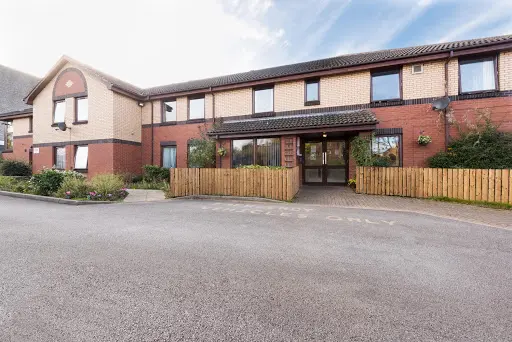
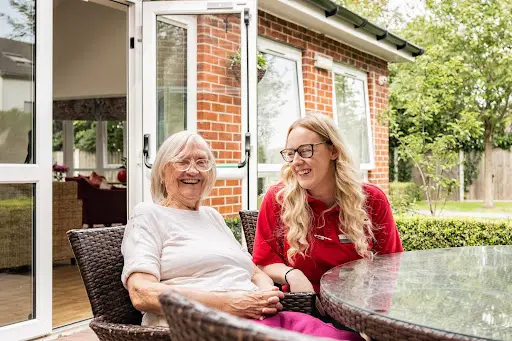
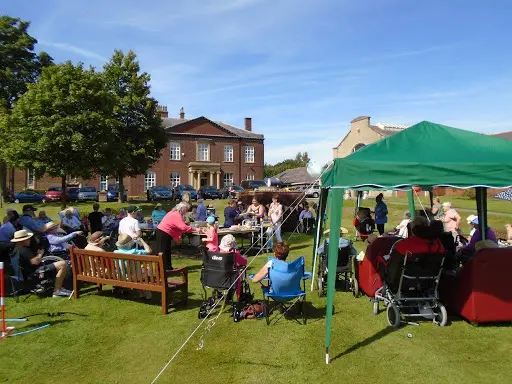
When someone you love needs specialist care, finding the right place matters deeply. Daisy Nook House in Ashton-under-Lyne provides residential care for older adults, including those living with dementia, mental health conditions and physical disabilities. Families describe feeling reassured by the friendly staff and the clean, well-maintained environment.
Who they care for
The home specialises in caring for people over 65 with varying needs, including dementia and mental health conditions. They also support residents with physical disabilities.
For those living with dementia, the team provides specialist support within the home's calm environment. Staff understand the importance of creating reassuring routines and maintaining dignity.
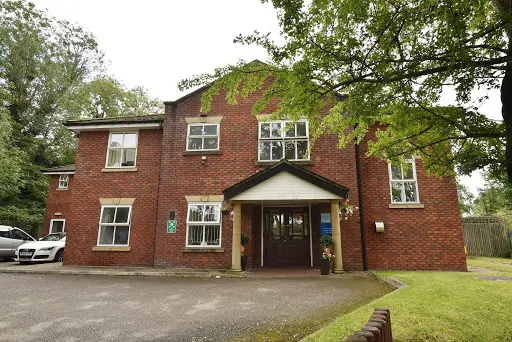
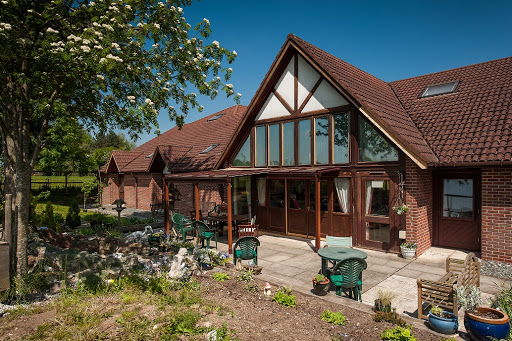
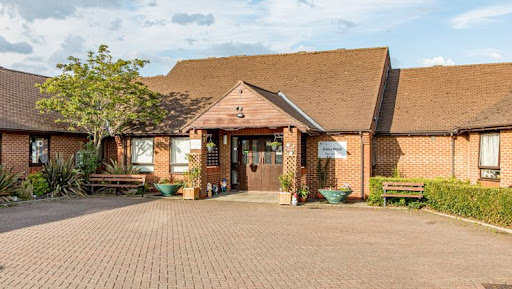
“Set in pleasant surroundings, the home offers a peaceful base for this important care.”
DCC does not edit or curate content in this tab. For independently curated information, see The Evidence and DCC Verdict.
The DCC Verdict
Our editorial view, built from the three lenses: what families tell us, what inspectors record, and how the home sits against good dementia-care practice.
DCC Family Score
Daisy Nook House holds a Good rating across all five inspection domains, which is a positive baseline — but the inspection report available to us contains very limited detail, meaning we cannot verify specific practices that families of people with dementia care most about.
Homes in North West typically score 68–82.Worth a visit
Daisy Nook House on Bamburgh Drive, Ashton-under-Lyne, was rated Good across all five inspection domains at its most recent inspection in October 2022 — a positive and consistent result for a 40-bed home specialising in dementia, mental health, physical disabilities, and older adults. The home is run by HC-One Limited, one of the UK's largest care providers, with a named Registered Manager in post. A stable Good rating with no deterioration since the previous inspection suggests the home is being maintained at a satisfactory standard. However, the published report extract available to us contains almost no specific detail — no direct inspector observations, no resident or family quotes, and no descriptions of day-to-day care practice. This means the Family Score of 67 reflects the Good rating itself, not verified evidence of the kind families care most about. Before choosing Daisy Nook House for your parent, you should visit in person and ask targeted questions: specifically, how many permanent staff are on the dementia unit overnight, how often agency staff are used, what the activity programme looks like for someone who cannot join group sessions, and how the home will keep you informed if your parent's condition changes.
The three questions to ask when you visitSave this home. Compare it against your shortlist.
Let our analysis show you how Daisy Nook House measures up against the other homes you’re considering. Free account.
In Their Own Words
How Daisy Nook House describes itself — collected from its own website. DCC has not edited or independently verified the content in this tab.
Where caring staff bring comfort to families facing difficult times
Compassionate Care in Ashton-under-lyne at Daisy Nook House
When someone you love needs specialist care, finding the right place matters deeply. Daisy Nook House in Ashton-under-Lyne provides residential care for older adults, including those living with dementia, mental health conditions and physical disabilities. Families describe feeling reassured by the friendly staff and the clean, well-maintained environment.
Who they care for
The home specialises in caring for people over 65 with varying needs, including dementia and mental health conditions. They also support residents with physical disabilities.
For those living with dementia, the team provides specialist support within the home's calm environment. Staff understand the importance of creating reassuring routines and maintaining dignity.
Management & ethos
Staff are known for their friendly, reassuring approach. Families speak about feeling confident in the care their relatives receive, appreciating the compassionate way the team supports residents.
The home & environment
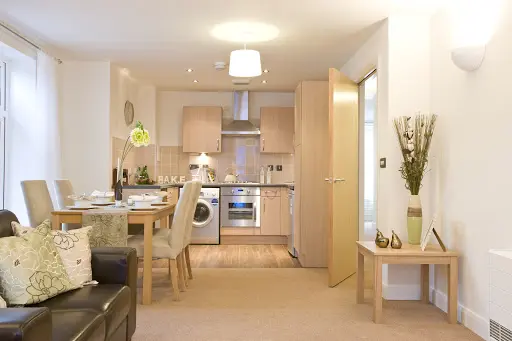
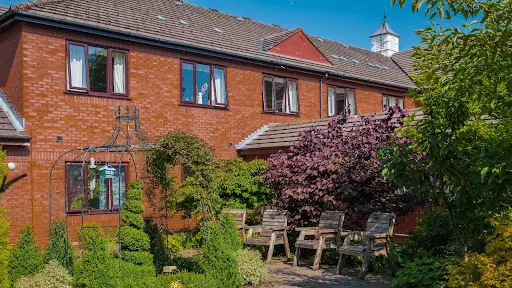
The food here gets particular praise, with family members noting its excellent quality. The home maintains high standards of cleanliness throughout, creating a fresh and tidy environment for residents.
“Set in pleasant surroundings, the home offers a peaceful base for this important care.”
DCC does not edit or curate content in this tab. For independently curated information, see The Evidence and DCC Verdict.