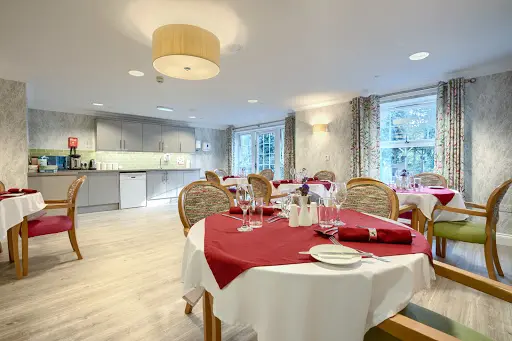
Brenalwood Care Home

At a Glance
The information you need to decide whether this home warrants a closer look.
Residential homes
Staff warmth score
of reviewers answered yes
Good to know
- Registered beds38
- SpecialismsCaring for adults over 65 yrs, Dementia, Physical disabilities, Sensory impairment
- Last inspected2023-11-02
Save Brenalwood Care Home to your shortlist
Keep a running list, add visit notes, and compare homes side-by-side. Free account — it takes a minute.
STAGE 4 — RESEARCHING CARE HOMES
Visit homes. Compare them side by side. Choose with confidence.
Most of us will view care homes the way we view houses, impression, atmosphere, the feeling in the corridor. We go home, try to remember what we saw, and make a permanent decision from a blurred memory.

The DCC shortlist gives every home you visit a structured record: the same twelve questions, answered the same way, every time. When you’re ready to choose, pull any two homes side by side and compare them directly. Same criteria, same evidence, your notes and your scores.
The Evidence
What the review data, the inspection reports, and the dementia-care evidence base tell us about this home.
What families say
The eight family priority themes
- Staff warmth55
- Compassion & dignity55
- Cleanliness60
- Activities & engagement50
- Food quality50
- Healthcare55
- Management & leadership60
- Resident happiness55
What inspectors found
Inspected 2023-11-02
Is this home safe?
Is the care effective?
Domain ratings for Effective are listed as Not Yet Rated in the data available. No specific findings about care planning, dementia training, GP access, or food quality are included in the published text. Dementia, physical disabilities, and sensory impairment are listed as specialisms, implying the home aims to meet complex needs. Whether staff training and care plans are sufficient to deliver this is not confirmed by the available evidence.Is this home caring?
No inspector observations about staff warmth, dignity, or the pace of care are available in the published text. The domain rating for Caring is listed as Not Yet Rated. The home's previous Inadequate rating means you should not assume caring standards are good without direct evidence. A registered manager is in post, which is a basic but necessary condition for consistent culture.Is the home responsive?
The domain rating for Responsive is listed as Not Yet Rated in the available data. No specific findings about activities, individual engagement, or end-of-life planning are included in the published text. The home lists dementia and sensory impairment as specialisms, which suggests an intention to provide tailored support, but no evidence of how this is delivered in practice is available here.Is the home well-led?
A registered manager, Mr Kanapathipillai Thirumalthasam, and a nominated individual, Mrs Alexandra Thurlby, are named on the registration record. The home improved from Inadequate to Requires Improvement, which suggests leadership took some corrective action. The domain rating for Well-led is listed as Not Yet Rated in the available data, and no specific inspector observations about management culture, staff empowerment, or governance are included in the published text.
Source: CQC inspection report →
What the evidence base says
The home provides specialist support for people with dementia, sensory impairments and physical disabilities. They care for adults over 65, with expertise in adapting their approach to meet individual needs. For those living with dementia, the team works to create structure and familiarity while encouraging participation in activities that bring comfort and connection. Their involvement with specialist programmes shows a commitment to current best practices in dementia care. All areas worth probing directly during a visit.
The DCC Verdict
Our editorial view, built from the three lenses: what families tell us, what inspectors record, and how the home sits against good dementia-care practice.
DCC Family Score
Brenalwood has moved up from Inadequate to Requires Improvement, which is a meaningful step in the right direction. However, the individual domain ratings from the most recent published inspection are not yet available, so the scores here reflect cautious mid-range estimates rather than detailed verified evidence.
Homes in East typically score 68–82.Worth a visit
Brenalwood Care Home in Walton-on-the-Naze was rated Requires Improvement at its November 2023 inspection, having previously been rated Inadequate. That upward movement matters: it suggests the home recognised serious problems and took action. However, the individual domain ratings from that inspection are not yet published in the available text, and a newer assessment dated August 2025 is described but its full findings are not included here. The home is registered for 38 beds and has a named registered manager and nominated individual. Because the detailed inspection evidence is not available to analyse, this report cannot tell you specifically what inspectors found about staff kindness, food, activities, or night-time safety at Brenalwood. That uncertainty is itself important information. Before making any decision, visit in person on an unannounced basis if possible, ask to see the most recent full inspection report directly from the home, and use the checklist questions below as your guide. The single most important question to ask is: what has changed since the Inadequate rating, and what evidence can the manager show you of that improvement?
The three questions to ask when you visitSave this home. Compare it against your shortlist.
Let our analysis show you how Brenalwood Care Home measures up against the other homes you’re considering. Free account.
In Their Own Words
How Brenalwood Care Home describes itself — collected from its own website. DCC has not edited or independently verified the content in this tab.
Coastal care with thoughtful touches and renewed energy
Compassionate Care in Walton On The Naze at Brenalwood Care Home
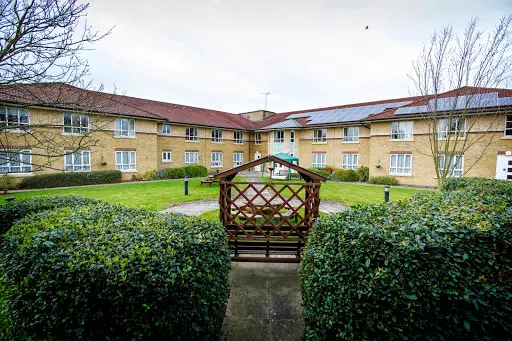
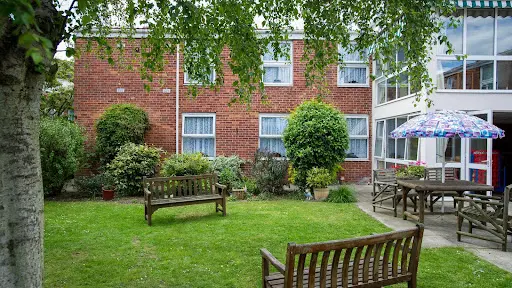
There's something refreshing happening at Brenalwood Care Home in Walton On The Naze. Recent changes have brought new life to this coastal care community, from renovated gardens where families gather to enriched daily activities that keep residents engaged. The team here focuses on making each day meaningful for those they support.
Who they care for
The home provides specialist support for people with dementia, sensory impairments and physical disabilities. They care for adults over 65, with expertise in adapting their approach to meet individual needs.
For those living with dementia, the team works to create structure and familiarity while encouraging participation in activities that bring comfort and connection. Their involvement with specialist programmes shows a commitment to current best practices in dementia care.
“Recent renovations and fresh approaches suggest positive momentum at Brenalwood. Worth exploring if you're seeking coastal care with a focus on engagement and outdoor living.”
DCC does not edit or curate content in this tab. For independently curated information, see The Evidence and DCC Verdict.
The DCC Verdict
Our editorial view, built from the three lenses: what families tell us, what inspectors record, and how the home sits against good dementia-care practice.
DCC Family Score
Brenalwood has moved up from Inadequate to Requires Improvement, which is a meaningful step in the right direction. However, the individual domain ratings from the most recent published inspection are not yet available, so the scores here reflect cautious mid-range estimates rather than detailed verified evidence.
Homes in East typically score 68–82.Worth a visit
Brenalwood Care Home in Walton-on-the-Naze was rated Requires Improvement at its November 2023 inspection, having previously been rated Inadequate. That upward movement matters: it suggests the home recognised serious problems and took action. However, the individual domain ratings from that inspection are not yet published in the available text, and a newer assessment dated August 2025 is described but its full findings are not included here. The home is registered for 38 beds and has a named registered manager and nominated individual. Because the detailed inspection evidence is not available to analyse, this report cannot tell you specifically what inspectors found about staff kindness, food, activities, or night-time safety at Brenalwood. That uncertainty is itself important information. Before making any decision, visit in person on an unannounced basis if possible, ask to see the most recent full inspection report directly from the home, and use the checklist questions below as your guide. The single most important question to ask is: what has changed since the Inadequate rating, and what evidence can the manager show you of that improvement?
The three questions to ask when you visitSave this home. Compare it against your shortlist.
Let our analysis show you how Brenalwood Care Home measures up against the other homes you’re considering. Free account.
In Their Own Words
How Brenalwood Care Home describes itself — collected from its own website. DCC has not edited or independently verified the content in this tab.
Coastal care with thoughtful touches and renewed energy
Compassionate Care in Walton On The Naze at Brenalwood Care Home
There's something refreshing happening at Brenalwood Care Home in Walton On The Naze. Recent changes have brought new life to this coastal care community, from renovated gardens where families gather to enriched daily activities that keep residents engaged. The team here focuses on making each day meaningful for those they support.
Who they care for
The home provides specialist support for people with dementia, sensory impairments and physical disabilities. They care for adults over 65, with expertise in adapting their approach to meet individual needs.
For those living with dementia, the team works to create structure and familiarity while encouraging participation in activities that bring comfort and connection. Their involvement with specialist programmes shows a commitment to current best practices in dementia care.
“Recent renovations and fresh approaches suggest positive momentum at Brenalwood. Worth exploring if you're seeking coastal care with a focus on engagement and outdoor living.”
DCC does not edit or curate content in this tab. For independently curated information, see The Evidence and DCC Verdict.