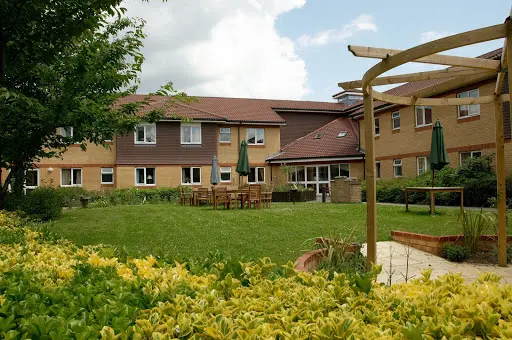
Beau Sejour Carehome

At a Glance
The information you need to decide whether this home warrants a closer look.
Residential homes
Staff warmth score
of reviewers answered yes
Good to know
- Registered beds10
- SpecialismsCaring for adults over 65 yrs, Caring for adults under 65 yrs, Dementia, Learning disabilities, Mental health conditions, Physical disabilities
- Last inspected2019-12-19
Save Beau Sejour Carehome to your shortlist
Keep a running list, add visit notes, and compare homes side-by-side. Free account — it takes a minute.
STAGE 4 — RESEARCHING CARE HOMES
Visit homes. Compare them side by side. Choose with confidence.
Most of us will view care homes the way we view houses, impression, atmosphere, the feeling in the corridor. We go home, try to remember what we saw, and make a permanent decision from a blurred memory.

The DCC shortlist gives every home you visit a structured record: the same twelve questions, answered the same way, every time. When you’re ready to choose, pull any two homes side by side and compare them directly. Same criteria, same evidence, your notes and your scores.
The Evidence
What the review data, the inspection reports, and the dementia-care evidence base tell us about this home.
What families say
Families describe walking into a place where staff genuinely care. The welcome feels warm rather than institutional, with kindness showing through in everyday interactions. People notice how staff take time to connect personally with each resident.
The eight family priority themes
- Staff warmth72
- Compassion & dignity75
- Cleanliness65
- Activities & engagement85
- Food quality55
- Healthcare65
- Management & leadership70
- Resident happiness78
What inspectors found
Inspected 2019-12-19
Is this home safe?
Is the care effective?
The Effective domain was rated Good at the December 2019 inspection. This suggests inspectors were satisfied with training, care planning, healthcare access, and nutritional support at the time. The home lists dementia as a specialism alongside learning disabilities, mental health conditions, and physical disabilities, which means staff training needs to cover a wide range of complex conditions. No specific training records, care plan examples, or healthcare access details are reproduced in the published summary. The rating has not been re-examined in a full inspection since 2019.Is this home caring?
The Caring domain was rated Good at the December 2019 inspection. Inspectors were satisfied that staff treated people with dignity and respect and that the approach to care was warm and person-centred. No direct observations, quotes from residents or families, or specific examples of caring interactions are reproduced in the published summary. Privacy, independence, and dignity are all expected to be evidenced for a Good Caring rating. The published text offers no detail about how staff respond to distress, whether preferred names are used, or how unhurried the pace of care is.Is the home responsive?
The Responsive domain was rated Outstanding at the December 2019 inspection. This is the highest possible rating and requires inspectors to find strong, specific evidence that the home goes well beyond standard expectations in tailoring care and activities to individual needs. In a ten-bed home supporting people with dementia, learning disabilities, mental health conditions, and physical disabilities, achieving Outstanding for Responsive care is a meaningful distinction. The published summary does not reproduce the specific activities, examples, or resident testimony that supported this rating, but the rating itself carries significant weight. End-of-life care planning is typically examined under this domain.Is the home well-led?
The Well-led domain was rated Good at the December 2019 inspection. The registered manager is named in the published record, as is the nominated individual, suggesting the home has an identified and accountable leadership structure. A Good Well-led rating requires inspectors to find evidence of a positive culture, working governance systems, staff who feel able to raise concerns, and a manager who is visible and known to residents and staff. No specific observations or examples from this domain are reproduced in the published summary. The monitoring review of July 2023 found no reason to revise the rating.
Source: CQC inspection report →
What the evidence base says
The home supports adults of all ages with dementia, learning disabilities, mental health conditions and physical disabilities. They bring specialist knowledge to complex care needs. Staff understand how to support people living with dementia, using approaches that maintain dignity while managing the challenges this condition brings. They work to preserve each person's sense of self and connection. All areas worth probing directly during a visit.
The DCC Verdict
Our editorial view, built from the three lenses: what families tell us, what inspectors record, and how the home sits against good dementia-care practice.
DCC Family Score
Beau Sejour Care Services scores well above average for activities and engagement, which was rated Outstanding at inspection, but several areas including food, cleanliness, and healthcare lack specific published detail, which limits confidence across those themes.
Homes in East typically score 68–82.The three-lens summary
What families tell us
Families describe walking into a place where staff genuinely care. The welcome feels warm rather than institutional, with kindness showing through in everyday interactions. People notice how staff take time to connect personally with each resident.
What inspectors have recorded
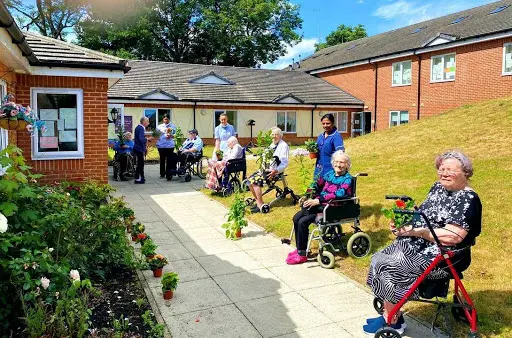
The management team runs an open-door policy, encouraging families to share thoughts and feedback. They welcome unannounced visits, showing confidence in their standards. Staff focus on helping each person live as fully as possible, adapting their approach to individual needs and abilities.
How it sits against good practice
Sometimes the hardest decisions lead to the most reassuring outcomes.
Worth a visit
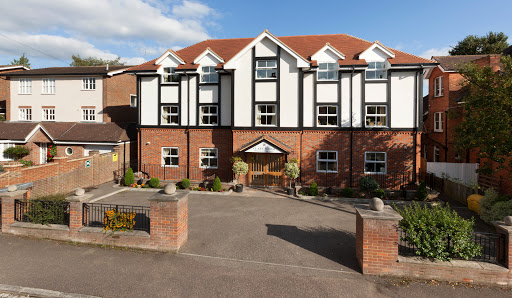
Beau Sejour Care Services, a small ten-bed home in St Albans supporting people with dementia, learning disabilities, mental health conditions, and physical disabilities, was rated Good overall at its last full inspection in December 2019, with the report published in January 2021. Inspectors rated the home Outstanding for Responsive care, meaning they found strong specific evidence that activities and individualised support go meaningfully beyond the standard expected. The remaining four domains, Safe, Effective, Caring, and Well-led, were all rated Good, suggesting a stable and competent home with consistent leadership in place. The main uncertainty here is that the last full inspection took place in December 2019, which is now over five years ago. A monitoring review in July 2023 found no evidence requiring a reassessment of the ratings, but that is not the same as a fresh inspection. A great deal can change in five years, including staffing, management, and the day-to-day culture of a home. The published summary provides very little specific detail about food, cleanliness, night staffing, or how families are kept informed. Before making a decision, visit in person at a time that has not been specially arranged, ask to see last week's actual staffing rota including nights, and ask the manager directly how the home has changed since 2019.
The three questions to ask when you visitSave this home. Compare it against your shortlist.
Let our analysis show you how Beau Sejour Carehome measures up against the other homes you’re considering. Free account.
In Their Own Words
How Beau Sejour Carehome describes itself — collected from its own website. DCC has not edited or independently verified the content in this tab.
Where kindness meets expertise for complex care needs
Beau Sejour Care Services – Expert Care in St Albans
When your loved one needs specialist support, finding the right place feels overwhelming. Beau Sejour Care Services in East St Albans brings together experienced staff and genuine warmth to care for people with dementia, learning disabilities, mental health conditions and physical disabilities. This family-run home has earned recognition through CQC ratings, Local Authority approval and a Gold Investor in People Award.
Who they care for
The home supports adults of all ages with dementia, learning disabilities, mental health conditions and physical disabilities. They bring specialist knowledge to complex care needs.
Staff understand how to support people living with dementia, using approaches that maintain dignity while managing the challenges this condition brings. They work to preserve each person's sense of self and connection.
“Sometimes the hardest decisions lead to the most reassuring outcomes.”
DCC does not edit or curate content in this tab. For independently curated information, see The Evidence and DCC Verdict.
The DCC Verdict
Our editorial view, built from the three lenses: what families tell us, what inspectors record, and how the home sits against good dementia-care practice.
DCC Family Score
Beau Sejour Care Services scores well above average for activities and engagement, which was rated Outstanding at inspection, but several areas including food, cleanliness, and healthcare lack specific published detail, which limits confidence across those themes.
Homes in East typically score 68–82.The three-lens summary
What families tell us
Families describe walking into a place where staff genuinely care. The welcome feels warm rather than institutional, with kindness showing through in everyday interactions. People notice how staff take time to connect personally with each resident.
What inspectors have recorded
The management team runs an open-door policy, encouraging families to share thoughts and feedback. They welcome unannounced visits, showing confidence in their standards. Staff focus on helping each person live as fully as possible, adapting their approach to individual needs and abilities.
How it sits against good practice
Sometimes the hardest decisions lead to the most reassuring outcomes.
Worth a visit
Beau Sejour Care Services, a small ten-bed home in St Albans supporting people with dementia, learning disabilities, mental health conditions, and physical disabilities, was rated Good overall at its last full inspection in December 2019, with the report published in January 2021. Inspectors rated the home Outstanding for Responsive care, meaning they found strong specific evidence that activities and individualised support go meaningfully beyond the standard expected. The remaining four domains, Safe, Effective, Caring, and Well-led, were all rated Good, suggesting a stable and competent home with consistent leadership in place. The main uncertainty here is that the last full inspection took place in December 2019, which is now over five years ago. A monitoring review in July 2023 found no evidence requiring a reassessment of the ratings, but that is not the same as a fresh inspection. A great deal can change in five years, including staffing, management, and the day-to-day culture of a home. The published summary provides very little specific detail about food, cleanliness, night staffing, or how families are kept informed. Before making a decision, visit in person at a time that has not been specially arranged, ask to see last week's actual staffing rota including nights, and ask the manager directly how the home has changed since 2019.
The three questions to ask when you visitSave this home. Compare it against your shortlist.
Let our analysis show you how Beau Sejour Carehome measures up against the other homes you’re considering. Free account.
In Their Own Words
How Beau Sejour Carehome describes itself — collected from its own website. DCC has not edited or independently verified the content in this tab.
Where kindness meets expertise for complex care needs
Beau Sejour Care Services – Expert Care in St Albans
When your loved one needs specialist support, finding the right place feels overwhelming. Beau Sejour Care Services in East St Albans brings together experienced staff and genuine warmth to care for people with dementia, learning disabilities, mental health conditions and physical disabilities. This family-run home has earned recognition through CQC ratings, Local Authority approval and a Gold Investor in People Award.
Who they care for
The home supports adults of all ages with dementia, learning disabilities, mental health conditions and physical disabilities. They bring specialist knowledge to complex care needs.
Staff understand how to support people living with dementia, using approaches that maintain dignity while managing the challenges this condition brings. They work to preserve each person's sense of self and connection.
Management & ethos
The management team runs an open-door policy, encouraging families to share thoughts and feedback. They welcome unannounced visits, showing confidence in their standards. Staff focus on helping each person live as fully as possible, adapting their approach to individual needs and abilities.
The home & environment
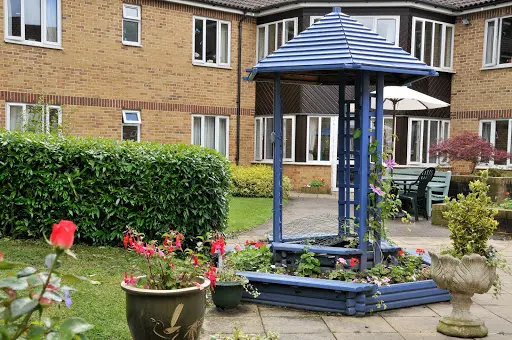
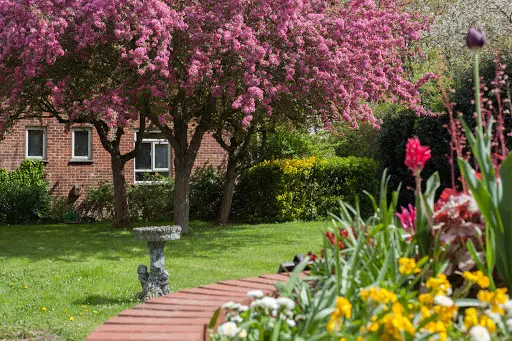
The home keeps everything spotlessly clean and well-maintained. Standards stay consistently high throughout, creating an environment that feels cared for in every detail.
“Sometimes the hardest decisions lead to the most reassuring outcomes.”
DCC does not edit or curate content in this tab. For independently curated information, see The Evidence and DCC Verdict.