Ashby Court Care Home – Bupa
At a Glance
The information you need to decide whether this home warrants a closer look.
Nursing homes
Staff warmth score
of reviewers answered yes
Good to know
- Registered beds60
- SpecialismsCaring for adults over 65 yrs, Dementia
- Last inspected2019-11-09
Save Ashby Court Care Home – Bupa to your shortlist
Keep a running list, add visit notes, and compare homes side-by-side. Free account — it takes a minute.
STAGE 4 — RESEARCHING CARE HOMES
Visit homes. Compare them side by side. Choose with confidence.
Most of us will view care homes the way we view houses, impression, atmosphere, the feeling in the corridor. We go home, try to remember what we saw, and make a permanent decision from a blurred memory.

The DCC shortlist gives every home you visit a structured record: the same twelve questions, answered the same way, every time. When you’re ready to choose, pull any two homes side by side and compare them directly. Same criteria, same evidence, your notes and your scores.
The Evidence
What the review data, the inspection reports, and the dementia-care evidence base tell us about this home.
What families say
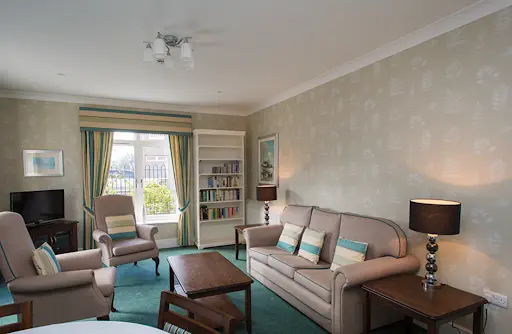
Families describe finding their relatives engaged in activities that match what they can manage — whether that's joining entertainers who visit, pottering in the garden, or simply watching the world go by from comfortable seating areas. The sense is of a place where residents remain part of things rather than apart from them.
The eight family priority themes
- Staff warmth72
- Compassion & dignity72
- Cleanliness70
- Activities & engagement85
- Food quality60
- Healthcare70
- Management & leadership72
- Resident happiness70
What inspectors found
Inspected 2019-11-09
Is this home safe?
Is the care effective?
The Effective domain was rated Good at the November 2019 inspection. This domain covers care planning, dementia training, healthcare access, nutritional support, and how well staff understand each resident as an individual. Dementia is a listed specialism, which means inspectors will have checked for dementia-specific training and care approaches. No specific training content, care plan examples, or healthcare access detail is recorded in the available published text.Is this home caring?
The Caring domain was rated Good at the November 2019 inspection. This domain covers how staff treat people: whether they are kind, whether dignity and privacy are respected, and whether residents feel in control of their own lives. No direct quotes from residents or relatives, and no specific inspector observations about staff interactions, are recorded in the available published text.Is the home responsive?
The Responsive domain was rated Outstanding at the November 2019 inspection. This is the highest possible rating and is awarded only when inspectors find consistent, individualised, person-centred responses to what residents need and want. This domain covers activities, engagement, individuality, and end-of-life planning. The home specialises in dementia care, which makes an Outstanding Responsive rating particularly meaningful. The available published text does not reproduce the specific evidence inspectors used to award this rating.Is the home well-led?
The Well-led domain was rated Good at the November 2019 inspection. The registered manager is named as Ms Teresa Millar, and the nominated individual is Mr Donald Day. The home is part of the Bupa Care Homes group. Well-led covers management visibility, staff culture, governance, how the home responds to concerns, and whether staff feel able to speak up. No specific observations about management style, staff feedback, or governance processes are recorded in the available published text.
Source: CQC inspection report →
What the evidence base says
The home cares for people over 65, with particular experience in dementia care. Regular visits from the optician and chiropodist happen on-site. For residents with dementia, the approach focuses on maintaining connections to normal life through adapted activities and familiar routines. The environment itself helps, with clear spaces and gardens that encourage safe wandering. All areas worth probing directly during a visit.
The DCC Verdict
Our editorial view, built from the three lenses: what families tell us, what inspectors record, and how the home sits against good dementia-care practice.
DCC Family Score
The Outstanding rating for Responsive care lifts the overall picture, suggesting this home works hard to keep your parent engaged and as independent as possible. All other domains were rated Good, which is a solid baseline, though the published inspection text provides limited specific detail to push individual scores higher.
Homes in East Midlands typically score 68–82.The three-lens summary
What families tell us
Families describe finding their relatives engaged in activities that match what they can manage — whether that's joining entertainers who visit, pottering in the garden, or simply watching the world go by from comfortable seating areas. The sense is of a place where residents remain part of things rather than apart from them.
What inspectors have recorded
Staff seem to understand that good care means different things at different times. They've been there at the hardest moments — sitting with residents at the end when families couldn't visit, making sure no one was alone. Day to day, families find the management team easy to approach when things need sorting.
How it sits against good practice
Sometimes the measure of a care home is found in the quiet moments — staff tracking down lost cardigans, or making sure a visiting grandchild gets their favourite crackers at lunch.
Worth a visit
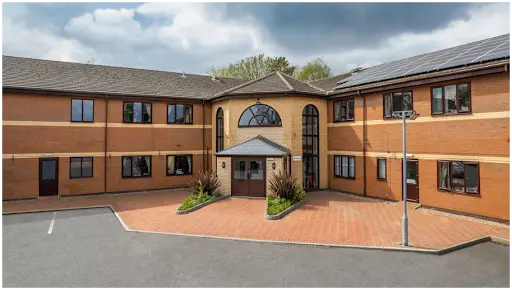
Ashby Court Care Home in Ashby de la Zouch holds an overall Good rating from its last full inspection, carried out in November 2019, with an Outstanding rating for Responsive care. That Outstanding rating is significant: inspectors only award it when they find consistent, individualised engagement that goes beyond standard expectations. All other domains, covering safety, training and care planning, kindness and dignity, and leadership, were rated Good. The home is run by Bupa Care Homes and has a named registered manager, Ms Teresa Millar. The main limitation here is that the most recent full inspection took place in November 2019. A monitoring review in July 2023 found no evidence requiring a reassessment, which is reassuring, but it is not the same as a fresh inspection. Conditions, staffing, and management can change significantly over four years. Before visiting, call the home and ask specifically about current night staffing ratios, agency staff usage, and how care plans are reviewed and shared with families. On the visit itself, watch how staff interact with residents in communal areas and corridors: unhurried, name-using interactions are the clearest signal that the culture described in 2019 has been maintained.
The three questions to ask when you visitSave this home. Compare it against your shortlist.
Let our analysis show you how Ashby Court Care Home – Bupa measures up against the other homes you’re considering. Free account.
In Their Own Words
How Ashby Court Care Home – Bupa describes itself — collected from its own website. DCC has not edited or independently verified the content in this tab.
Where daily life continues with purpose and gentle support
Ashby Court Care Home – Your Trusted nursing home
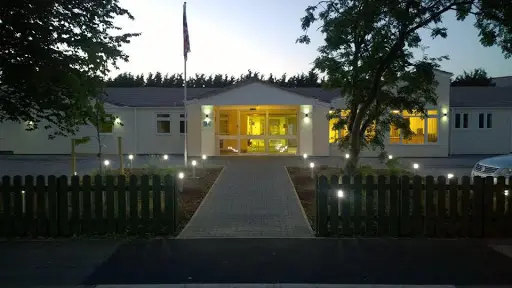
When families visit Ashby Court Care Home in Ashby De La Zouch, they often mention how different it feels from what they expected. The coffee areas buzz with conversation, residents head out to local shops, and the gardens draw people outside on good days. It's this rhythm of ordinary life that seems to matter most to the people who live here.
Who they care for
The home cares for people over 65, with particular experience in dementia care. Regular visits from the optician and chiropodist happen on-site.
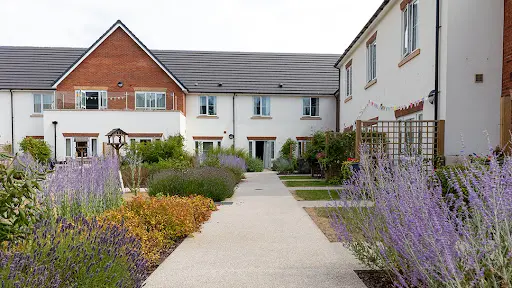
For residents with dementia, the approach focuses on maintaining connections to normal life through adapted activities and familiar routines. The environment itself helps, with clear spaces and gardens that encourage safe wandering.
“Sometimes the measure of a care home is found in the quiet moments — staff tracking down lost cardigans, or making sure a visiting grandchild gets their favourite crackers at lunch.”
DCC does not edit or curate content in this tab. For independently curated information, see The Evidence and DCC Verdict.
The DCC Verdict
Our editorial view, built from the three lenses: what families tell us, what inspectors record, and how the home sits against good dementia-care practice.
DCC Family Score
The Outstanding rating for Responsive care lifts the overall picture, suggesting this home works hard to keep your parent engaged and as independent as possible. All other domains were rated Good, which is a solid baseline, though the published inspection text provides limited specific detail to push individual scores higher.
Homes in East Midlands typically score 68–82.The three-lens summary
What families tell us
Families describe finding their relatives engaged in activities that match what they can manage — whether that's joining entertainers who visit, pottering in the garden, or simply watching the world go by from comfortable seating areas. The sense is of a place where residents remain part of things rather than apart from them.
What inspectors have recorded
Staff seem to understand that good care means different things at different times. They've been there at the hardest moments — sitting with residents at the end when families couldn't visit, making sure no one was alone. Day to day, families find the management team easy to approach when things need sorting.
How it sits against good practice
Sometimes the measure of a care home is found in the quiet moments — staff tracking down lost cardigans, or making sure a visiting grandchild gets their favourite crackers at lunch.
Worth a visit
Ashby Court Care Home in Ashby de la Zouch holds an overall Good rating from its last full inspection, carried out in November 2019, with an Outstanding rating for Responsive care. That Outstanding rating is significant: inspectors only award it when they find consistent, individualised engagement that goes beyond standard expectations. All other domains, covering safety, training and care planning, kindness and dignity, and leadership, were rated Good. The home is run by Bupa Care Homes and has a named registered manager, Ms Teresa Millar. The main limitation here is that the most recent full inspection took place in November 2019. A monitoring review in July 2023 found no evidence requiring a reassessment, which is reassuring, but it is not the same as a fresh inspection. Conditions, staffing, and management can change significantly over four years. Before visiting, call the home and ask specifically about current night staffing ratios, agency staff usage, and how care plans are reviewed and shared with families. On the visit itself, watch how staff interact with residents in communal areas and corridors: unhurried, name-using interactions are the clearest signal that the culture described in 2019 has been maintained.
The three questions to ask when you visitSave this home. Compare it against your shortlist.
Let our analysis show you how Ashby Court Care Home – Bupa measures up against the other homes you’re considering. Free account.
In Their Own Words
How Ashby Court Care Home – Bupa describes itself — collected from its own website. DCC has not edited or independently verified the content in this tab.
Where daily life continues with purpose and gentle support
Ashby Court Care Home – Your Trusted nursing home
When families visit Ashby Court Care Home in Ashby De La Zouch, they often mention how different it feels from what they expected. The coffee areas buzz with conversation, residents head out to local shops, and the gardens draw people outside on good days. It's this rhythm of ordinary life that seems to matter most to the people who live here.
Who they care for
The home cares for people over 65, with particular experience in dementia care. Regular visits from the optician and chiropodist happen on-site.
For residents with dementia, the approach focuses on maintaining connections to normal life through adapted activities and familiar routines. The environment itself helps, with clear spaces and gardens that encourage safe wandering.
Management & ethos
Staff seem to understand that good care means different things at different times. They've been there at the hardest moments — sitting with residents at the end when families couldn't visit, making sure no one was alone. Day to day, families find the management team easy to approach when things need sorting.
The home & environment
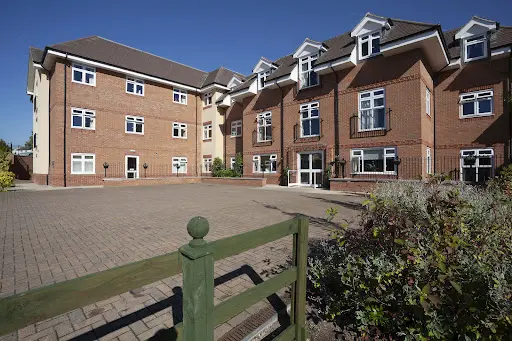
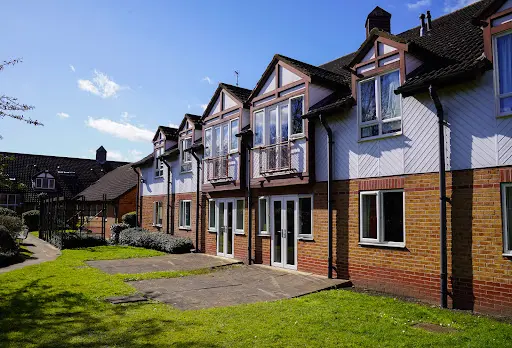
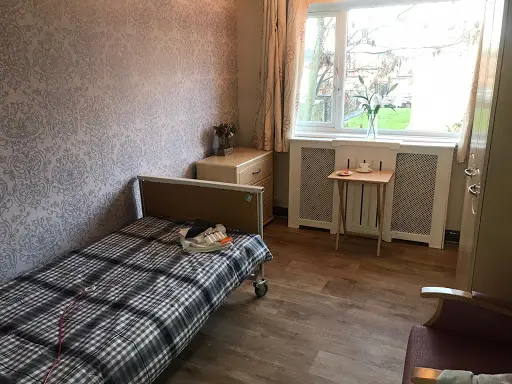
The dining experience stands out in family accounts, with meals that mark occasions properly — one family recalled a memorable Boxing Day lunch. The gardens provide proper outdoor space, and practical touches like the on-site hairdresser mean residents don't lose those small dignities that matter.
“Sometimes the measure of a care home is found in the quiet moments — staff tracking down lost cardigans, or making sure a visiting grandchild gets their favourite crackers at lunch.”
DCC does not edit or curate content in this tab. For independently curated information, see The Evidence and DCC Verdict.