Appleby Grange
At a Glance
The information you need to decide whether this home warrants a closer look.
Nursing homes
Staff warmth score
of reviewers answered yes
Good to know
- Registered beds29
- SpecialismsCaring for adults over 65 yrs, Caring for adults under 65 yrs, Dementia, Mental health conditions
- Last inspected2020-10-15
Save Appleby Grange to your shortlist
Keep a running list, add visit notes, and compare homes side-by-side. Free account — it takes a minute.
STAGE 4 — RESEARCHING CARE HOMES
Visit homes. Compare them side by side. Choose with confidence.
Most of us will view care homes the way we view houses, impression, atmosphere, the feeling in the corridor. We go home, try to remember what we saw, and make a permanent decision from a blurred memory.

The DCC shortlist gives every home you visit a structured record: the same twelve questions, answered the same way, every time. When you’re ready to choose, pull any two homes side by side and compare them directly. Same criteria, same evidence, your notes and your scores.
The Evidence
What the review data, the inspection reports, and the dementia-care evidence base tell us about this home.
What families say
What strikes visitors is how staff spend time with residents throughout the day, chatting and engaging rather than just checking in. The atmosphere feels bright and calm, with a genuine sense of warmth that families notice from their first visit.
The eight family priority themes
- Staff warmth72
- Compassion & dignity72
- Cleanliness65
- Activities & engagement55
- Food quality55
- Healthcare65
- Management & leadership45
- Resident happiness65
What inspectors found
Inspected 2020-10-15
Is this home safe?
Is the care effective?
The Effective domain was rated Good at the August 2020 inspection. This domain covers training, care planning, healthcare access, nutrition, and how well the home responds to people's changing needs. Dementia is a listed specialism, which means inspectors would have expected to see evidence of dementia-specific training and care plan quality. The published summary does not record specific detail about GP access arrangements, care plan review frequency, or food quality. The Good rating is encouraging but the lack of published detail means families need to ask direct questions.Is this home caring?
The Caring domain was rated Good at the August 2020 inspection. This domain covers staff warmth, dignity, privacy, and whether residents are supported to maintain their independence. No specific inspector observations, resident quotes, or family testimonies are included in the published summary for this home. The Good rating indicates inspectors did not find concerning interactions, but without recorded observations it is not possible to assess the depth of relational care being provided. This is the domain that matters most to families in our review data, so a visit is essential.Is the home responsive?
The Responsive domain was rated Good at the August 2020 inspection. This domain covers how well the home tailors its offer to individual needs, including activities, engagement, and end-of-life planning. Appleby Grange supports people with dementia and mental health conditions alongside older adults, which requires a genuinely varied and flexible activities programme. The published summary does not include specific detail about what activities are offered, whether one-to-one engagement is available for residents who cannot join groups, or how end-of-life care is approached. A Good rating here is positive but needs direct verification.Is the home well-led?
The Well-led domain was rated Requires Improvement at the August 2020 inspection, and this remains the current published rating. This is the only domain that did not reach a Good standard. The registered manager is named as Mrs Nicola Sowerby and the nominated individual as Mrs Susan Rocks. The published summary does not detail what specific governance, audit, or cultural issues led to the Requires Improvement rating. The inspection took place in August 2020, meaning more than four years have passed without a published reassessment of leadership quality. This is the area of greatest uncertainty for families considering this home.
Source: CQC inspection report →
What the evidence base says
The home provides specialist support for people with dementia and mental health conditions, welcoming both younger adults under 65 and older residents. For those living with dementia, the team brings patience and understanding to their daily care approach. Families have found the staff maintain their compassionate approach even when supporting residents through more challenging aspects of the condition. All areas worth probing directly during a visit.
The DCC Verdict
Our editorial view, built from the three lenses: what families tell us, what inspectors record, and how the home sits against good dementia-care practice.
DCC Family Score
Appleby Grange scores 68 out of 100 on the DCC Family Scale. Four of five inspection domains were rated Good, which is a meaningful improvement from the previous Requires Improvement rating, but the Well-led domain remains Requires Improvement, which holds the overall score back and warrants direct questions on a visit.
Homes in North West typically score 68–82.The three-lens summary
What families tell us
What strikes visitors is how staff spend time with residents throughout the day, chatting and engaging rather than just checking in. The atmosphere feels bright and calm, with a genuine sense of warmth that families notice from their first visit.
What inspectors have recorded
The management team makes a point of including families in both care planning and social events, creating a real sense of partnership. When residents have faced challenging times or complex needs, staff have shown consistent professionalism and empathy that relatives remember long after.
How it sits against good practice
It's a place where difficult journeys are met with genuine care and steady support.
Worth a visit
Appleby Grange, a 29-bed nursing home in Appleby-in-Westmorland run by Cinnabar Support and Living Ltd, was rated Good overall at its last inspection in August 2020. Four domains, covering safety, effectiveness, caring, and responsiveness, were each rated Good, representing a notable improvement from the previous Requires Improvement rating. This is an encouraging trajectory for a small home that supports people with dementia, mental health conditions, and a mix of adults over and under 65. The important caveat is that the Well-led domain remains Requires Improvement, and the inspection took place in August 2020, which means the findings are now over four years old. A lot can change in leadership and culture over that period. Before deciding, ask to speak with the registered manager Mrs Nicola Sowerby in person, ask how the governance concerns from 2020 have been addressed, and request sight of the last six months of quality audits. A visit at different times of day, including observing a mealtime, will tell you more than the inspection findings alone.
The three questions to ask when you visitSave this home. Compare it against your shortlist.
Let our analysis show you how Appleby Grange measures up against the other homes you’re considering. Free account.
In Their Own Words
How Appleby Grange describes itself — collected from its own website. DCC has not edited or independently verified the content in this tab.
Where families find genuine support through life's toughest moments
Dedicated nursing home Support in Appleby In Westmorland
When you're looking for somewhere that truly understands what matters most, Appleby Grange in Appleby In Westmorland offers something families consistently describe as special. This care home has built its reputation on providing compassionate support when it's needed most, particularly during end-of-life care.
Who they care for
The home provides specialist support for people with dementia and mental health conditions, welcoming both younger adults under 65 and older residents.
For those living with dementia, the team brings patience and understanding to their daily care approach. Families have found the staff maintain their compassionate approach even when supporting residents through more challenging aspects of the condition.
“It's a place where difficult journeys are met with genuine care and steady support.”
DCC does not edit or curate content in this tab. For independently curated information, see The Evidence and DCC Verdict.
The DCC Verdict
Our editorial view, built from the three lenses: what families tell us, what inspectors record, and how the home sits against good dementia-care practice.
DCC Family Score
Appleby Grange scores 68 out of 100 on the DCC Family Scale. Four of five inspection domains were rated Good, which is a meaningful improvement from the previous Requires Improvement rating, but the Well-led domain remains Requires Improvement, which holds the overall score back and warrants direct questions on a visit.
Homes in North West typically score 68–82.The three-lens summary
What families tell us
What strikes visitors is how staff spend time with residents throughout the day, chatting and engaging rather than just checking in. The atmosphere feels bright and calm, with a genuine sense of warmth that families notice from their first visit.
What inspectors have recorded
The management team makes a point of including families in both care planning and social events, creating a real sense of partnership. When residents have faced challenging times or complex needs, staff have shown consistent professionalism and empathy that relatives remember long after.
How it sits against good practice
It's a place where difficult journeys are met with genuine care and steady support.
Worth a visit
Appleby Grange, a 29-bed nursing home in Appleby-in-Westmorland run by Cinnabar Support and Living Ltd, was rated Good overall at its last inspection in August 2020. Four domains, covering safety, effectiveness, caring, and responsiveness, were each rated Good, representing a notable improvement from the previous Requires Improvement rating. This is an encouraging trajectory for a small home that supports people with dementia, mental health conditions, and a mix of adults over and under 65. The important caveat is that the Well-led domain remains Requires Improvement, and the inspection took place in August 2020, which means the findings are now over four years old. A lot can change in leadership and culture over that period. Before deciding, ask to speak with the registered manager Mrs Nicola Sowerby in person, ask how the governance concerns from 2020 have been addressed, and request sight of the last six months of quality audits. A visit at different times of day, including observing a mealtime, will tell you more than the inspection findings alone.
The three questions to ask when you visitSave this home. Compare it against your shortlist.
Let our analysis show you how Appleby Grange measures up against the other homes you’re considering. Free account.
In Their Own Words
How Appleby Grange describes itself — collected from its own website. DCC has not edited or independently verified the content in this tab.
Where families find genuine support through life's toughest moments
Dedicated nursing home Support in Appleby In Westmorland
When you're looking for somewhere that truly understands what matters most, Appleby Grange in Appleby In Westmorland offers something families consistently describe as special. This care home has built its reputation on providing compassionate support when it's needed most, particularly during end-of-life care.
Who they care for
The home provides specialist support for people with dementia and mental health conditions, welcoming both younger adults under 65 and older residents.
For those living with dementia, the team brings patience and understanding to their daily care approach. Families have found the staff maintain their compassionate approach even when supporting residents through more challenging aspects of the condition.
Management & ethos
The management team makes a point of including families in both care planning and social events, creating a real sense of partnership. When residents have faced challenging times or complex needs, staff have shown consistent professionalism and empathy that relatives remember long after.
The home & environment
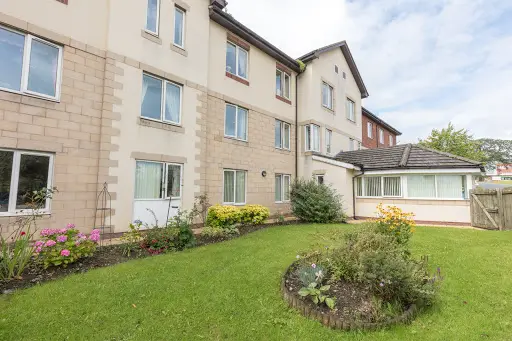
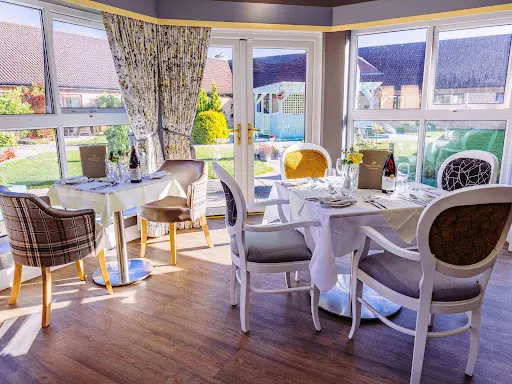
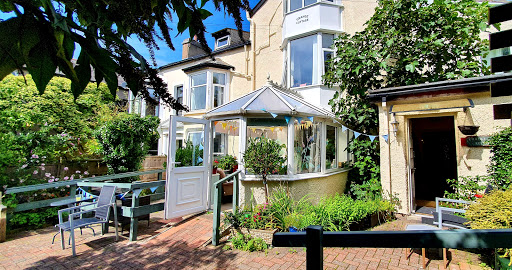
The home maintains clean, well-lit spaces that create a peaceful environment for residents. While the food has been noted as being of a particularly good standard, it's the overall attention to creating a comfortable living space that families appreciate.
“It's a place where difficult journeys are met with genuine care and steady support.”
DCC does not edit or curate content in this tab. For independently curated information, see The Evidence and DCC Verdict.