Woodbury Court Care Home Basildon | Runwood Homes Senior Living

At a Glance
The information you need to decide whether this home warrants a closer look.
Residential homes
Staff warmth score
of reviewers answered yes
Good to know
- Registered beds94
- SpecialismsCaring for adults over 65 yrs, Caring for adults under 65 yrs, Dementia, Physical disabilities, Sensory impairment
- Last inspected2022-11-30
Save Woodbury Court Care Home Basildon | Runwood Homes Senior Living to your shortlist
Keep a running list, add visit notes, and compare homes side-by-side. Free account — it takes a minute.
STAGE 4 — RESEARCHING CARE HOMES
Visit homes. Compare them side by side. Choose with confidence.
Most of us will view care homes the way we view houses, impression, atmosphere, the feeling in the corridor. We go home, try to remember what we saw, and make a permanent decision from a blurred memory.

The DCC shortlist gives every home you visit a structured record: the same twelve questions, answered the same way, every time. When you’re ready to choose, pull any two homes side by side and compare them directly. Same criteria, same evidence, your notes and your scores.
The Evidence
What the review data, the inspection reports, and the dementia-care evidence base tell us about this home.
What families say
Families talk about the difference they've noticed since their relatives moved in — people who were anxious or withdrawn becoming more relaxed and engaged. The activities team works hard to keep residents stimulated and socially connected, whether through organised events or just encouraging movement and interaction throughout the day. There's a real sense that staff adapt their approach to match what works for each person.
The eight family priority themes
- Staff warmth72
- Compassion & dignity72
- Cleanliness70
- Activities & engagement65
- Food quality60
- Healthcare68
- Management & leadership68
- Resident happiness68
What inspectors found
Inspected 2022-11-30
Is this home safe?
Is the care effective?
The home received a Good rating for Effectiveness, which covers training, care planning, healthcare access, nutrition, and how well staff understand and respond to individual needs. Dementia is listed as a key specialism. The published inspection summary does not reproduce specific evidence about the content of dementia training, the frequency of care plan reviews, or how GPs and other health professionals are involved in residents' care.Is this home caring?
Woodbury Court was rated Good for Caring, the domain that covers staff warmth, dignity, respect, and whether people retain independence and control over their daily lives. This is the highest-weighted theme in our family review data. No specific observations, such as inspector notes about staff using preferred names or residents appearing settled and relaxed, are reproduced in the published inspection text. The rating alone indicates inspectors were satisfied.Is the home responsive?
The home was rated Good for Responsiveness, covering activities, individual engagement, how complaints are handled, and end-of-life care. With 94 beds and a dementia specialism, a meaningful activity programme is a significant undertaking. The published inspection summary does not describe the activity schedule, name any specific programmes, or give evidence of one-to-one engagement for people who cannot participate in group activities.Is the home well-led?
The home received a Good rating for Well-led, the domain covering management culture, governance, staff support, and accountability. A named registered manager, Miss Mary-Ann Oliver, is listed. The home's previous rating was Outstanding, and it has since declined to Good. The published inspection summary does not explain what changed, what improvements were made, or what governance systems are in place. The nominated individual is listed as Dr Gavin O'Hare-Connolly.
Source: CQC inspection report →
What the evidence base says
The home cares for adults both under and over 65 with physical disabilities, sensory impairments and dementia. They've developed particular experience supporting people whose needs change over time. For residents with dementia, staff help create familiar routines and adapt care as the condition progresses. Families mention how staff have helped residents feel more secure, including supporting them to personalise their rooms in ways that make sense for their specific needs. All areas worth probing directly during a visit.
The DCC Verdict
Our editorial view, built from the three lenses: what families tell us, what inspectors record, and how the home sits against good dementia-care practice.
DCC Family Score
Woodbury Court holds a Good rating across all five inspection domains, which is a solid result, but the inspection report published in November 2022 contains very limited specific observations, quotes, or named evidence. Scores reflect the positive rating without the detailed supporting detail that would push them higher.
Homes in East typically score 68–82.The three-lens summary
What families tell us
Families talk about the difference they've noticed since their relatives moved in — people who were anxious or withdrawn becoming more relaxed and engaged. The activities team works hard to keep residents stimulated and socially connected, whether through organised events or just encouraging movement and interaction throughout the day. There's a real sense that staff adapt their approach to match what works for each person.
What inspectors have recorded
The management team comes across as approachable and responsive when families need support or have concerns. Staff keep families well-informed about their relatives' health and wellbeing, and they're flexible about visiting arrangements and day trips. One family did report serious concerns about fall prevention and care standards during their relative's stay, though most accounts describe positive experiences with how the home is run.
How it sits against good practice
Every family's experience matters, and it's worth visiting to see if Woodbury Court feels right for your situation.
Worth a visit
Woodbury Court in Laindon, Essex, was rated Good across all five inspection domains at its last inspection in November 2022. The home, run by Runwood Homes Limited, is a large 94-bed service caring for adults over and under 65, including people with dementia, physical disabilities, and sensory impairments. All five domains, covering safety, effectiveness, caring, responsiveness, and leadership, were rated Good, and a monitoring review in July 2023 found no reason to change that rating. It is worth noting that the previous rating was Outstanding, so there has been a decline, and understanding what changed is an important question to raise with the manager. The main limitation for families is that the published inspection report is very thin on specific detail. There are no reproduced quotes from residents or relatives, no named observations about staff behaviour, and no data on staffing ratios, activity programmes, or food quality. A Good rating means inspectors were satisfied, but it does not tell you what day-to-day life actually looks like for your parent. Before making a decision, visit at different times of day, ask specifically why the rating fell from Outstanding, and request to see the current staffing rota, the activity schedule, and the most recent care plan for a resident with a similar level of need to your parent.
The three questions to ask when you visitSave this home. Compare it against your shortlist.
Let our analysis show you how Woodbury Court Care Home Basildon | Runwood Homes Senior Living measures up against the other homes you’re considering. Free account.
In Their Own Words
How Woodbury Court Care Home Basildon | Runwood Homes Senior Living describes itself — collected from its own website. DCC has not edited or independently verified the content in this tab.
Where families find genuine care and residents rediscover contentment
Woodbury Court – Your Trusted residential home
Watching someone you love struggle with dementia or physical challenges can feel overwhelming. At Woodbury Court in Laindon, families describe finding a place where their relatives have settled into comfortable routines and rediscovered moments of happiness. The home supports people with various needs, from sensory impairments to physical disabilities, with staff who take time to understand each person as an individual.
Who they care for
The home cares for adults both under and over 65 with physical disabilities, sensory impairments and dementia. They've developed particular experience supporting people whose needs change over time.
For residents with dementia, staff help create familiar routines and adapt care as the condition progresses. Families mention how staff have helped residents feel more secure, including supporting them to personalise their rooms in ways that make sense for their specific needs.
“Every family's experience matters, and it's worth visiting to see if Woodbury Court feels right for your situation.”
DCC does not edit or curate content in this tab. For independently curated information, see The Evidence and DCC Verdict.
The DCC Verdict
Our editorial view, built from the three lenses: what families tell us, what inspectors record, and how the home sits against good dementia-care practice.
DCC Family Score
Woodbury Court holds a Good rating across all five inspection domains, which is a solid result, but the inspection report published in November 2022 contains very limited specific observations, quotes, or named evidence. Scores reflect the positive rating without the detailed supporting detail that would push them higher.
Homes in East typically score 68–82.The three-lens summary
What families tell us
Families talk about the difference they've noticed since their relatives moved in — people who were anxious or withdrawn becoming more relaxed and engaged. The activities team works hard to keep residents stimulated and socially connected, whether through organised events or just encouraging movement and interaction throughout the day. There's a real sense that staff adapt their approach to match what works for each person.
What inspectors have recorded
The management team comes across as approachable and responsive when families need support or have concerns. Staff keep families well-informed about their relatives' health and wellbeing, and they're flexible about visiting arrangements and day trips. One family did report serious concerns about fall prevention and care standards during their relative's stay, though most accounts describe positive experiences with how the home is run.
How it sits against good practice
Every family's experience matters, and it's worth visiting to see if Woodbury Court feels right for your situation.
Worth a visit
Woodbury Court in Laindon, Essex, was rated Good across all five inspection domains at its last inspection in November 2022. The home, run by Runwood Homes Limited, is a large 94-bed service caring for adults over and under 65, including people with dementia, physical disabilities, and sensory impairments. All five domains, covering safety, effectiveness, caring, responsiveness, and leadership, were rated Good, and a monitoring review in July 2023 found no reason to change that rating. It is worth noting that the previous rating was Outstanding, so there has been a decline, and understanding what changed is an important question to raise with the manager. The main limitation for families is that the published inspection report is very thin on specific detail. There are no reproduced quotes from residents or relatives, no named observations about staff behaviour, and no data on staffing ratios, activity programmes, or food quality. A Good rating means inspectors were satisfied, but it does not tell you what day-to-day life actually looks like for your parent. Before making a decision, visit at different times of day, ask specifically why the rating fell from Outstanding, and request to see the current staffing rota, the activity schedule, and the most recent care plan for a resident with a similar level of need to your parent.
The three questions to ask when you visitSave this home. Compare it against your shortlist.
Let our analysis show you how Woodbury Court Care Home Basildon | Runwood Homes Senior Living measures up against the other homes you’re considering. Free account.
In Their Own Words
How Woodbury Court Care Home Basildon | Runwood Homes Senior Living describes itself — collected from its own website. DCC has not edited or independently verified the content in this tab.
Where families find genuine care and residents rediscover contentment
Woodbury Court – Your Trusted residential home
Watching someone you love struggle with dementia or physical challenges can feel overwhelming. At Woodbury Court in Laindon, families describe finding a place where their relatives have settled into comfortable routines and rediscovered moments of happiness. The home supports people with various needs, from sensory impairments to physical disabilities, with staff who take time to understand each person as an individual.
Who they care for
The home cares for adults both under and over 65 with physical disabilities, sensory impairments and dementia. They've developed particular experience supporting people whose needs change over time.
For residents with dementia, staff help create familiar routines and adapt care as the condition progresses. Families mention how staff have helped residents feel more secure, including supporting them to personalise their rooms in ways that make sense for their specific needs.
Management & ethos
The management team comes across as approachable and responsive when families need support or have concerns. Staff keep families well-informed about their relatives' health and wellbeing, and they're flexible about visiting arrangements and day trips. One family did report serious concerns about fall prevention and care standards during their relative's stay, though most accounts describe positive experiences with how the home is run.
The home & environment
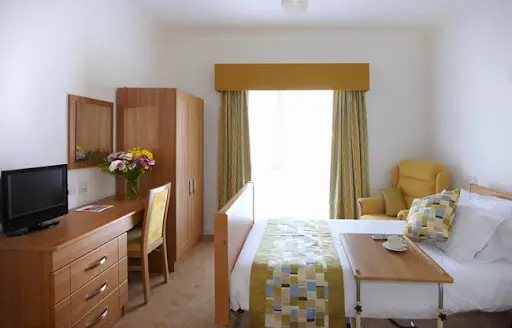
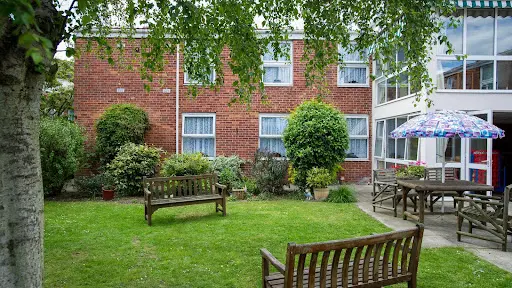
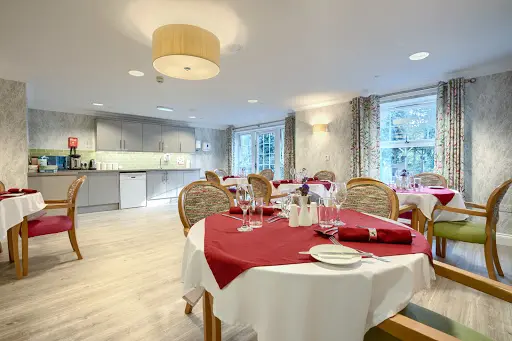
The home prepares fresh food on-site, with families noting their relatives enjoy meals and maintain good appetites. Cleanliness standards get consistent praise, with the building described as well-maintained and hygienic. During the pandemic, the home's infection control measures successfully protected residents from illness, which gave families considerable reassurance during that difficult period.
“Every family's experience matters, and it's worth visiting to see if Woodbury Court feels right for your situation.”
DCC does not edit or curate content in this tab. For independently curated information, see The Evidence and DCC Verdict.