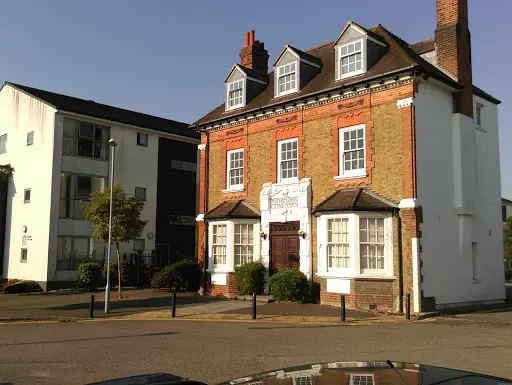
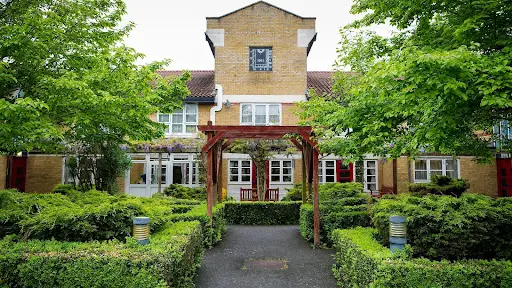
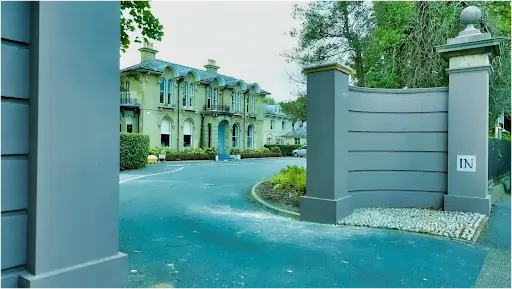
Torkington House

At a Glance
The information you need to decide whether this home warrants a closer look.
Residential homes
Staff warmth score
of reviewers answered yes
Good to know
- Registered beds32
- SpecialismsCaring for adults over 65 yrs, Dementia, Physical disabilities
- Last inspected2020-10-24
Save Torkington House to your shortlist
Keep a running list, add visit notes, and compare homes side-by-side. Free account — it takes a minute.
STAGE 4 — RESEARCHING CARE HOMES
Visit homes. Compare them side by side. Choose with confidence.
Most of us will view care homes the way we view houses, impression, atmosphere, the feeling in the corridor. We go home, try to remember what we saw, and make a permanent decision from a blurred memory.

The DCC shortlist gives every home you visit a structured record: the same twelve questions, answered the same way, every time. When you’re ready to choose, pull any two homes side by side and compare them directly. Same criteria, same evidence, your notes and your scores.
The Evidence
What the review data, the inspection reports, and the dementia-care evidence base tell us about this home.
What families say
What stands out to families is how the whole team gets involved — from housekeeping staff who stop to chat, to kitchen teams who know residents' preferences. People talk about feeling genuinely welcomed when they visit, able to share meals and spend unhurried time together.
The eight family priority themes
- Staff warmth72
- Compassion & dignity72
- Cleanliness70
- Activities & engagement60
- Food quality60
- Healthcare68
- Management & leadership74
- Resident happiness68
What inspectors found
Inspected 2020-10-24
Is this home safe?
Is the care effective?
The home was rated Good for Effective at its October 2020 inspection. This domain covers training, care planning, nutrition and hydration, and healthcare access. The home lists dementia as a specialism, which means inspectors would have assessed whether staff training and care plans were appropriate for people living with dementia. No specific detail about training content, GP involvement, or care plan reviews is recorded in the published summary.Is this home caring?
Torkington House was rated Good for Caring at its October 2020 inspection. This domain covers staff kindness, dignity, respect, and whether residents are treated as individuals. The home had improved to this rating from a previous Requires Improvement, suggesting inspectors found meaningful change in this area. No direct observations of staff interactions, preferred name use, or responses to distress are recorded in the published summary. There are no resident or family quotes available.Is the home responsive?
The home was rated Good for Responsive at its October 2020 inspection. Responsive covers how well the home tailors its care and activities to each individual, including people with dementia who may not be able to join group activities. The home has 32 beds and lists dementia as a specialism. No specific examples of the activity programme, individual engagement approaches, or how the home supports residents with advanced dementia are recorded in the published summary.Is the home well-led?
Torkington House was rated Good for Well-led at its October 2020 inspection, having previously been rated Requires Improvement. The inspection report names Mrs Margaret Siriwardena as registered manager and Miss Julie Clarges as nominated individual, indicating a clear accountability structure. A home improving from Requires Improvement to Good across all domains suggests leadership drove meaningful change. No specific detail about governance processes, staff culture, or how the home handles complaints is recorded in the published summary.
Source: CQC inspection report →
What the evidence base says
The home specialises in dementia care, support for over-65s, and those with physical disabilities. They also offer day care places for those not ready for residential care. For residents with dementia, the staff work to maintain familiarity and routine, continuing to engage with people even when communication becomes more challenging. The team adapts activities and interaction styles to match what each person can manage. All areas worth probing directly during a visit.
The DCC Verdict
Our editorial view, built from the three lenses: what families tell us, what inspectors record, and how the home sits against good dementia-care practice.
DCC Family Score
Torkington House scores 72 out of 100. Every domain was rated Good at the last inspection, and the home improved from Requires Improvement, which is a meaningful positive trend. However, the published report contains very little specific detail, so many scores reflect a credible Good rating rather than rich, observed evidence.
Homes in London typically score 68–82.The three-lens summary
What families tell us
What stands out to families is how the whole team gets involved — from housekeeping staff who stop to chat, to kitchen teams who know residents' preferences. People talk about feeling genuinely welcomed when they visit, able to share meals and spend unhurried time together.
What inspectors have recorded
The care team here gets praise for staying connected with residents throughout their journey, adapting support as abilities change. Families appreciate how staff keep them informed and respond quickly when concerns arise. However, some visitors have reported difficulties with visit arrangements and feeling their concerns weren't handled well — experiences that differ sharply from what most families describe.
How it sits against good practice
While most families speak warmly of their experience here, it's worth having a detailed conversation about visiting arrangements and how any concerns would be handled.
Worth a visit
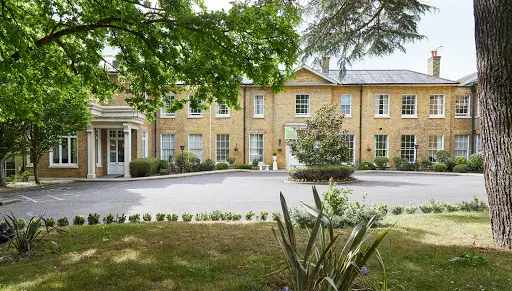
Torkington House on Creswick Road in West London is a 32-bed residential care home run by Greensleeves Homes Trust, specialising in dementia, physical disabilities, and the care of older adults. At its most recent inspection in October 2020, it was rated Good across all five domains, having improved from a previous rating of Requires Improvement. That upward trajectory is a meaningful positive signal: it suggests the management team identified problems and addressed them. The main caution here is that the published inspection summary contains very little specific detail. There are no recorded observations of staff interactions, no resident or family quotes, and no figures for staffing ratios or night cover. This report was last reviewed in July 2023, and no further full inspection has been published. When you visit, ask the manager to walk you through what changed between the Requires Improvement rating and the current Good rating, and ask to see the most recent staffing rota including overnight shifts. The inspection is now over four years old, so direct observation on your visit carries more weight than usual.
The three questions to ask when you visitSave this home. Compare it against your shortlist.
Let our analysis show you how Torkington House measures up against the other homes you’re considering. Free account.
In Their Own Words
How Torkington House describes itself — collected from its own website. DCC has not edited or independently verified the content in this tab.
Where staff know every resident's story, even on difficult days
Residential home in London: True Peace of Mind
At Torkington House in London, families describe a place where care continues to feel personal even as needs change. Whether residents are joining activities or spending quiet time in their rooms, the staff here seem to understand that connection matters at every stage. It's this approach that has kept many families visiting daily or several times a week over many years.
Who they care for
The home specialises in dementia care, support for over-65s, and those with physical disabilities. They also offer day care places for those not ready for residential care.
For residents with dementia, the staff work to maintain familiarity and routine, continuing to engage with people even when communication becomes more challenging. The team adapts activities and interaction styles to match what each person can manage.
“While most families speak warmly of their experience here, it's worth having a detailed conversation about visiting arrangements and how any concerns would be handled.”
DCC does not edit or curate content in this tab. For independently curated information, see The Evidence and DCC Verdict.
The DCC Verdict
Our editorial view, built from the three lenses: what families tell us, what inspectors record, and how the home sits against good dementia-care practice.
DCC Family Score
Torkington House scores 72 out of 100. Every domain was rated Good at the last inspection, and the home improved from Requires Improvement, which is a meaningful positive trend. However, the published report contains very little specific detail, so many scores reflect a credible Good rating rather than rich, observed evidence.
Homes in London typically score 68–82.The three-lens summary
What families tell us
What stands out to families is how the whole team gets involved — from housekeeping staff who stop to chat, to kitchen teams who know residents' preferences. People talk about feeling genuinely welcomed when they visit, able to share meals and spend unhurried time together.
What inspectors have recorded
The care team here gets praise for staying connected with residents throughout their journey, adapting support as abilities change. Families appreciate how staff keep them informed and respond quickly when concerns arise. However, some visitors have reported difficulties with visit arrangements and feeling their concerns weren't handled well — experiences that differ sharply from what most families describe.
How it sits against good practice
While most families speak warmly of their experience here, it's worth having a detailed conversation about visiting arrangements and how any concerns would be handled.
Worth a visit
Torkington House on Creswick Road in West London is a 32-bed residential care home run by Greensleeves Homes Trust, specialising in dementia, physical disabilities, and the care of older adults. At its most recent inspection in October 2020, it was rated Good across all five domains, having improved from a previous rating of Requires Improvement. That upward trajectory is a meaningful positive signal: it suggests the management team identified problems and addressed them. The main caution here is that the published inspection summary contains very little specific detail. There are no recorded observations of staff interactions, no resident or family quotes, and no figures for staffing ratios or night cover. This report was last reviewed in July 2023, and no further full inspection has been published. When you visit, ask the manager to walk you through what changed between the Requires Improvement rating and the current Good rating, and ask to see the most recent staffing rota including overnight shifts. The inspection is now over four years old, so direct observation on your visit carries more weight than usual.
The three questions to ask when you visitSave this home. Compare it against your shortlist.
Let our analysis show you how Torkington House measures up against the other homes you’re considering. Free account.
In Their Own Words
How Torkington House describes itself — collected from its own website. DCC has not edited or independently verified the content in this tab.
Where staff know every resident's story, even on difficult days
Residential home in London: True Peace of Mind
At Torkington House in London, families describe a place where care continues to feel personal even as needs change. Whether residents are joining activities or spending quiet time in their rooms, the staff here seem to understand that connection matters at every stage. It's this approach that has kept many families visiting daily or several times a week over many years.
Who they care for
The home specialises in dementia care, support for over-65s, and those with physical disabilities. They also offer day care places for those not ready for residential care.
For residents with dementia, the staff work to maintain familiarity and routine, continuing to engage with people even when communication becomes more challenging. The team adapts activities and interaction styles to match what each person can manage.
Management & ethos
The care team here gets praise for staying connected with residents throughout their journey, adapting support as abilities change. Families appreciate how staff keep them informed and respond quickly when concerns arise. However, some visitors have reported difficulties with visit arrangements and feeling their concerns weren't handled well — experiences that differ sharply from what most families describe.
The home & environment
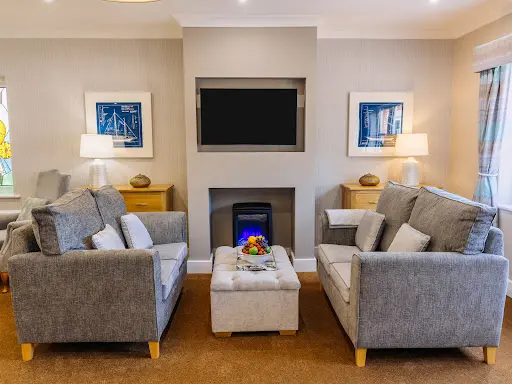
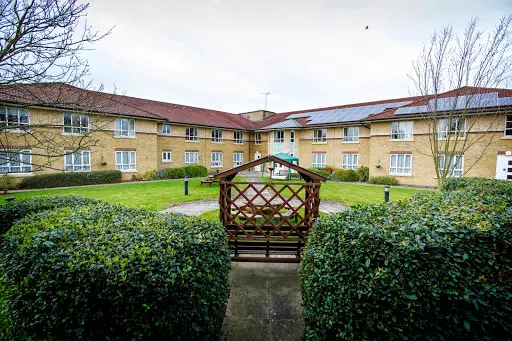
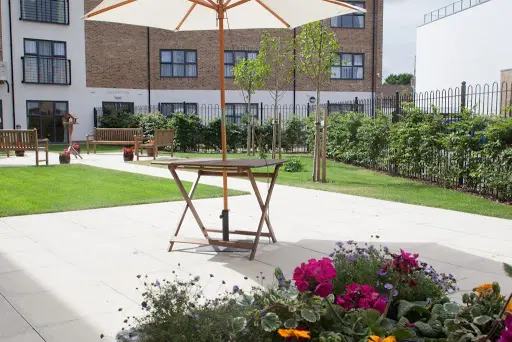
The home puts real thought into meals, with families noting the variety and quality of food on offer. Activities are tailored to what residents can manage, with staff finding ways to engage people at different ability levels.
“While most families speak warmly of their experience here, it's worth having a detailed conversation about visiting arrangements and how any concerns would be handled.”
DCC does not edit or curate content in this tab. For independently curated information, see The Evidence and DCC Verdict.