Thornwood Care Ltd

At a Glance
The information you need to decide whether this home warrants a closer look.
Residential homes
Staff warmth score
of reviewers answered yes
Good to know
- Registered beds16
- SpecialismsDementia
- Last inspected2018-12-12
Save Thornwood Care Ltd to your shortlist
Keep a running list, add visit notes, and compare homes side-by-side. Free account — it takes a minute.
STAGE 4 — RESEARCHING CARE HOMES
Visit homes. Compare them side by side. Choose with confidence.
Most of us will view care homes the way we view houses, impression, atmosphere, the feeling in the corridor. We go home, try to remember what we saw, and make a permanent decision from a blurred memory.

The DCC shortlist gives every home you visit a structured record: the same twelve questions, answered the same way, every time. When you’re ready to choose, pull any two homes side by side and compare them directly. Same criteria, same evidence, your notes and your scores.
The Evidence
What the review data, the inspection reports, and the dementia-care evidence base tell us about this home.
What families say
Families appreciate feeling welcome when they visit, with flexible visiting arrangements that let them spend time with their loved ones. The younger care staff stand out for their natural, person-centred approach — they really see each resident as an individual rather than just focusing on their condition.
The eight family priority themes
- Staff warmth55
- Compassion & dignity55
- Cleanliness55
- Activities & engagement50
- Food quality50
- Healthcare50
- Management & leadership60
- Resident happiness55
What inspectors found
Inspected 2018-12-12
Is this home safe?
Is the care effective?
The home received a Good rating for Effective at its November 2018 inspection. This domain covers how well care plans are written and reviewed, dementia training for staff, access to GPs and other health professionals, and nutrition. The home's dementia specialism implies some structured approach to dementia-specific care, but the published summary does not describe training content, care plan review cycles, or how the home supports residents' health needs day to day. No detail about food quality, dietary choice, or nutrition monitoring is recorded.Is this home caring?
Thornwood Care Limited was rated Good for Caring at its November 2018 inspection. This is the domain most directly connected to how staff treat your parent as a person. It covers dignity, privacy, the use of preferred names, and whether staff take the time to understand individual histories and preferences. No direct inspector observations, resident quotes, or relative testimonies are recorded in the publicly available summary. The rating indicates no significant concerns were found, but the absence of specific evidence means this cannot be independently verified from what is published.Is the home responsive?
The Responsive domain was rated Good at the November 2018 inspection. This covers how well the home tailors daily life to individual residents, including activities, engagement, and how it responds to complaints and requests. For a dementia specialist home, responsiveness includes whether residents who can no longer join group activities are still meaningfully engaged on a one-to-one basis. The published summary does not describe any specific activities, name an activities coordinator, or give examples of how individual interests and life histories shape the daily programme.Is the home well-led?
Thornwood Care Limited was rated Good for Well-led at its November 2018 inspection. Mrs Indra Hughes is named as both Registered Manager and Nominated Individual, which in a 16-bed home typically signals that the same person holds day-to-day responsibility and accountability to the regulator. This can indicate stable, consistent leadership. The published summary does not describe the manager's tenure at the time of inspection, staff culture, how the home handles complaints, or what governance processes are in place to monitor quality. A monitoring review in July 2023 found no reason to reassess the rating.
Source: CQC inspection report →
What the evidence base says
The home specialises in dementia care. Staff work specifically with residents living with dementia, with younger team members showing particular skill in connecting with each person as an individual. The approach to dementia care varies across the team, with some staff needing stronger training in family communication. All areas worth probing directly during a visit.
The DCC Verdict
Our editorial view, built from the three lenses: what families tell us, what inspectors record, and how the home sits against good dementia-care practice.
DCC Family Score
Thornwood Care Limited holds a Good rating across all five inspection domains, which is a positive baseline. However, the inspection is now over six years old and contains very limited specific detail, so scores reflect the rating rather than rich observed evidence.
Homes in South East typically score 68–82.The three-lens summary
What families tell us
Families appreciate feeling welcome when they visit, with flexible visiting arrangements that let them spend time with their loved ones. The younger care staff stand out for their natural, person-centred approach — they really see each resident as an individual rather than just focusing on their condition.
What inspectors have recorded
The care team shows real variation in their approach. Junior staff bring empathy and modern care practices, but some senior staff struggle with sensitive family communication. Conversations about a resident's changing needs or end-of-life care have sometimes felt blunt or poorly handled, leaving families feeling unsupported during difficult moments.
How it sits against good practice
If you're considering Thornwood, it's worth asking specific questions about family support and communication practices during your visit.
Worth a visit
Thornwood Care Limited in Bexhill-on-Sea was rated Good across all five inspection domains at its last inspection in November 2018. The home is a small, 16-bed dementia specialist service, and the Good rating indicates inspectors found no significant concerns in safety, care quality, staffing, management, or responsiveness to residents at that time. A named manager, Mrs Indra Hughes, was in post as both Registered Manager and Nominated Individual, which can be a sign of stable and committed local leadership in a home of this size. The main uncertainty here is the age of the evidence. The inspection took place in November 2018, over six years ago, and the published summary contains very little specific detail about what inspectors actually observed. A monitoring review in July 2023 found no reason to reassess the rating, but that is not the same as a full re-inspection. Before visiting, ask the home whether the manager has remained in post, how staffing levels have changed, and what the current activity programme looks like for someone at your parent's stage of dementia. On your visit, pay attention to how staff interact with residents in corridors and communal areas, not just what you are told in the office.
The three questions to ask when you visitSave this home. Compare it against your shortlist.
Let our analysis show you how Thornwood Care Ltd measures up against the other homes you’re considering. Free account.
In Their Own Words
How Thornwood Care Ltd describes itself — collected from its own website. DCC has not edited or independently verified the content in this tab.
Young carers bring fresh energy while leadership needs strengthening
Compassionate Care in Bexhill On Sea at Thornwood Care Limited
When families first walk through the doors at Thornwood Care Limited in Bexhill On Sea, they often notice the younger staff members straight away. These carers bring genuine warmth and modern thinking to their work with residents who have dementia. The home creates a welcoming atmosphere for regular visitors, though some aspects of care delivery vary between different staff members.
Who they care for
The home specialises in dementia care.
Staff work specifically with residents living with dementia, with younger team members showing particular skill in connecting with each person as an individual. The approach to dementia care varies across the team, with some staff needing stronger training in family communication.
“If you're considering Thornwood, it's worth asking specific questions about family support and communication practices during your visit.”
DCC does not edit or curate content in this tab. For independently curated information, see The Evidence and DCC Verdict.
The DCC Verdict
Our editorial view, built from the three lenses: what families tell us, what inspectors record, and how the home sits against good dementia-care practice.
DCC Family Score
Thornwood Care Limited holds a Good rating across all five inspection domains, which is a positive baseline. However, the inspection is now over six years old and contains very limited specific detail, so scores reflect the rating rather than rich observed evidence.
Homes in South East typically score 68–82.The three-lens summary
What families tell us
Families appreciate feeling welcome when they visit, with flexible visiting arrangements that let them spend time with their loved ones. The younger care staff stand out for their natural, person-centred approach — they really see each resident as an individual rather than just focusing on their condition.
What inspectors have recorded
The care team shows real variation in their approach. Junior staff bring empathy and modern care practices, but some senior staff struggle with sensitive family communication. Conversations about a resident's changing needs or end-of-life care have sometimes felt blunt or poorly handled, leaving families feeling unsupported during difficult moments.
How it sits against good practice
If you're considering Thornwood, it's worth asking specific questions about family support and communication practices during your visit.
Worth a visit
Thornwood Care Limited in Bexhill-on-Sea was rated Good across all five inspection domains at its last inspection in November 2018. The home is a small, 16-bed dementia specialist service, and the Good rating indicates inspectors found no significant concerns in safety, care quality, staffing, management, or responsiveness to residents at that time. A named manager, Mrs Indra Hughes, was in post as both Registered Manager and Nominated Individual, which can be a sign of stable and committed local leadership in a home of this size. The main uncertainty here is the age of the evidence. The inspection took place in November 2018, over six years ago, and the published summary contains very little specific detail about what inspectors actually observed. A monitoring review in July 2023 found no reason to reassess the rating, but that is not the same as a full re-inspection. Before visiting, ask the home whether the manager has remained in post, how staffing levels have changed, and what the current activity programme looks like for someone at your parent's stage of dementia. On your visit, pay attention to how staff interact with residents in corridors and communal areas, not just what you are told in the office.
The three questions to ask when you visitSave this home. Compare it against your shortlist.
Let our analysis show you how Thornwood Care Ltd measures up against the other homes you’re considering. Free account.
In Their Own Words
How Thornwood Care Ltd describes itself — collected from its own website. DCC has not edited or independently verified the content in this tab.
Young carers bring fresh energy while leadership needs strengthening
Compassionate Care in Bexhill On Sea at Thornwood Care Limited
When families first walk through the doors at Thornwood Care Limited in Bexhill On Sea, they often notice the younger staff members straight away. These carers bring genuine warmth and modern thinking to their work with residents who have dementia. The home creates a welcoming atmosphere for regular visitors, though some aspects of care delivery vary between different staff members.
Who they care for
The home specialises in dementia care.
Staff work specifically with residents living with dementia, with younger team members showing particular skill in connecting with each person as an individual. The approach to dementia care varies across the team, with some staff needing stronger training in family communication.
Management & ethos
The care team shows real variation in their approach. Junior staff bring empathy and modern care practices, but some senior staff struggle with sensitive family communication. Conversations about a resident's changing needs or end-of-life care have sometimes felt blunt or poorly handled, leaving families feeling unsupported during difficult moments.
The home & environment
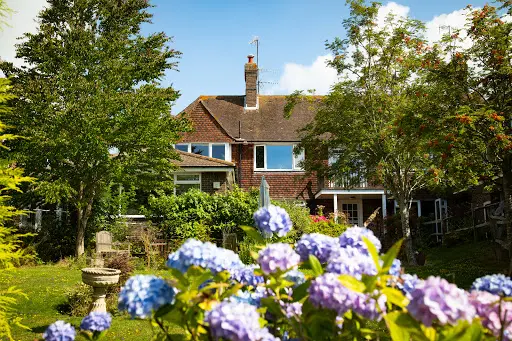
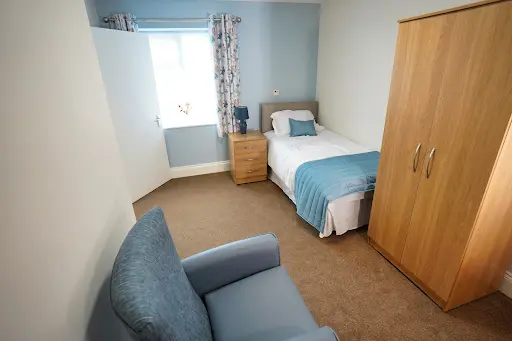
The food meets good standards and bedrooms are kept clean and comfortable. While the decor feels dated and could use refreshing, the basics are well maintained throughout the home.
“If you're considering Thornwood, it's worth asking specific questions about family support and communication practices during your visit.”
DCC does not edit or curate content in this tab. For independently curated information, see The Evidence and DCC Verdict.