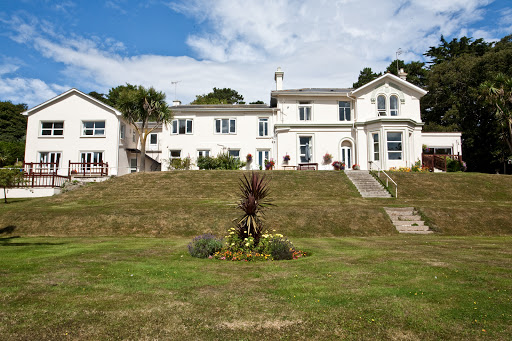
The Seaton Nursing Home
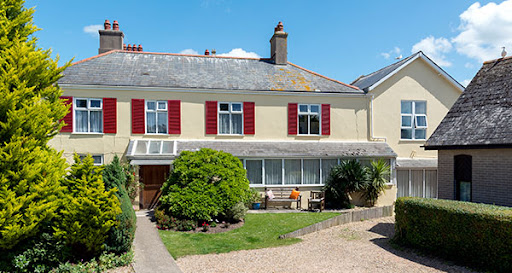
At a Glance
The information you need to decide whether this home warrants a closer look.
Residential homes, Long-term conditions
Staff warmth score
of reviewers answered yes
Good to know
- Registered beds30
- SpecialismsCaring for adults over 65 yrs, Caring for adults under 65 yrs, Dementia, Physical disabilities
- Last inspected2019-06-13
Save The Seaton Nursing Home to your shortlist
Keep a running list, add visit notes, and compare homes side-by-side. Free account — it takes a minute.
STAGE 4 — RESEARCHING CARE HOMES
Visit homes. Compare them side by side. Choose with confidence.
Most of us will view care homes the way we view houses, impression, atmosphere, the feeling in the corridor. We go home, try to remember what we saw, and make a permanent decision from a blurred memory.

The DCC shortlist gives every home you visit a structured record: the same twelve questions, answered the same way, every time. When you’re ready to choose, pull any two homes side by side and compare them directly. Same criteria, same evidence, your notes and your scores.
The Evidence
What the review data, the inspection reports, and the dementia-care evidence base tell us about this home.
What families say
What stands out here is how staff respond when it really counts. During end-of-life care, they've shown particular dedication — staying close when families couldn't be there, ensuring no one faces those final moments alone.
The eight family priority themes
- Staff warmth85
- Compassion & dignity88
- Cleanliness72
- Activities & engagement85
- Food quality68
- Healthcare72
- Management & leadership88
- Resident happiness82
What inspectors found
Inspected 2019-06-13
Is this home safe?
Is the care effective?
Effective was rated Good at the February 2021 inspection. This domain covers training, care planning, healthcare access, and food. A Good rating means inspectors found that staff had the skills and knowledge to meet people's needs and that care plans were in place. The home lists dementia as a specialism and caters for adults both over and under 65, suggesting a broad training requirement. No specific detail about dementia training content, GP access frequency, or food observations is included in the published summary.Is this home caring?
Caring was rated Outstanding at the February 2021 inspection, which is the home's strongest result. An Outstanding rating in this domain requires inspectors to find consistent, specific evidence that staff treat people with genuine warmth, respect their dignity and privacy, and support their independence in a way that goes well beyond basic compliance. The published summary does not include direct quotes from residents or relatives, but the rating itself is based on inspector observations and testimony gathered during the visit.Is the home responsive?
Responsive was rated Outstanding, alongside Caring and Well-Led. This domain covers activities, engagement, individuality, and end-of-life care. An Outstanding rating requires inspectors to find that the home responds to each person as an individual rather than offering a one-size approach, and that people who cannot join group activities still receive meaningful engagement. The home lists dementia and physical disabilities among its specialisms, which adds complexity to making activities genuinely accessible. No specific activities or individual engagement examples are described in the published summary.Is the home well-led?
Well-Led was rated Outstanding at the February 2021 inspection. This domain covers management culture, governance, accountability, and whether staff feel able to speak up. A named registered manager, Ms Emma Jayne Seal, is recorded. The home is run by Southern Healthcare (Wessex) Ltd, with two nominated individuals also named. An Outstanding Well-Led rating requires inspectors to find a leadership culture that drives improvement, uses data and feedback systematically, and empowers staff at all levels. No specific detail about manager tenure or recent staffing changes is included in the published text.
Source: CQC inspection report →
What the evidence base says
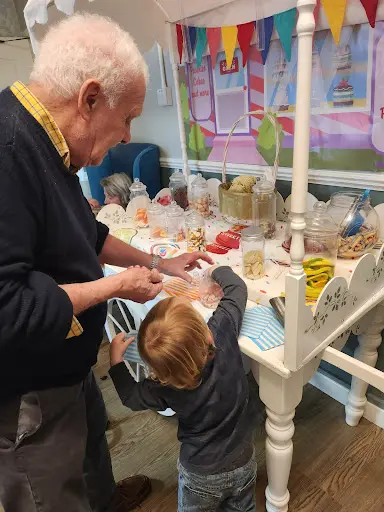
The Seaton provides care for adults both over and under 65, with particular expertise in dementia support. For those living with dementia, the home arranges therapeutic activities including animal visits. These gentle interactions can spark joy and create meaningful moments throughout the care journey. All areas worth probing directly during a visit.
The DCC Verdict
Our editorial view, built from the three lenses: what families tell us, what inspectors record, and how the home sits against good dementia-care practice.
DCC Family Score
The Seaton scored well overall, driven by Outstanding ratings in caring, responsiveness, and leadership, which are the areas families say matter most. Scores for food and cleanliness are estimated cautiously because the inspection text does not provide specific detail on those themes.
Homes in South West typically score 68–82.The three-lens summary
What families tell us
What stands out here is how staff respond when it really counts. During end-of-life care, they've shown particular dedication — staying close when families couldn't be there, ensuring no one faces those final moments alone.
What inspectors have recorded
How it sits against good practice
Sometimes the smallest gestures reveal the most about a care home's heart.
Worth a visit
The Seaton in Seaton, Devon, was rated Outstanding at its most recent inspection in February 2021, improving from its previous Good rating. Inspectors awarded Outstanding in three of five domains: Caring, Responsive, and Well-Led. Those are the three domains that most directly shape daily life for your parent, and they are the hardest ratings to achieve. Safe and Effective were both rated Good. The main uncertainty here is that the published inspection summary contains very little specific detail. No direct quotes from residents or relatives are included, staffing numbers are not given, and food, cleanliness, and night staffing are not described in any depth. The Outstanding rating is a genuinely strong signal, but it refers to an inspection carried out in early 2021, which is now several years ago. When you visit, ask to speak with residents in a communal space, check the staffing rota for the previous week rather than a template, and ask the manager how many permanent staff work the dementia unit at night.
The three questions to ask when you visitSave this home. Compare it against your shortlist.
Let our analysis show you how The Seaton Nursing Home measures up against the other homes you’re considering. Free account.
In Their Own Words
How The Seaton Nursing Home describes itself — collected from its own website. DCC has not edited or independently verified the content in this tab.
Thoughtful dementia care with gentle touches that matter
Nursing home in Seaton: True Peace of Mind
When families face difficult times, the right care home makes all the difference. The Seaton in Seaton offers specialized dementia support alongside general care for adults over and under 65. Located in the South West, this home focuses on creating moments of connection and comfort when they're needed most.
Who they care for
The Seaton provides care for adults both over and under 65, with particular expertise in dementia support.
For those living with dementia, the home arranges therapeutic activities including animal visits. These gentle interactions can spark joy and create meaningful moments throughout the care journey.
“Sometimes the smallest gestures reveal the most about a care home's heart.”
DCC does not edit or curate content in this tab. For independently curated information, see The Evidence and DCC Verdict.
The DCC Verdict
Our editorial view, built from the three lenses: what families tell us, what inspectors record, and how the home sits against good dementia-care practice.
DCC Family Score
The Seaton scored well overall, driven by Outstanding ratings in caring, responsiveness, and leadership, which are the areas families say matter most. Scores for food and cleanliness are estimated cautiously because the inspection text does not provide specific detail on those themes.
Homes in South West typically score 68–82.The three-lens summary
What families tell us
What stands out here is how staff respond when it really counts. During end-of-life care, they've shown particular dedication — staying close when families couldn't be there, ensuring no one faces those final moments alone.
What inspectors have recorded
How it sits against good practice
Sometimes the smallest gestures reveal the most about a care home's heart.
Worth a visit
The Seaton in Seaton, Devon, was rated Outstanding at its most recent inspection in February 2021, improving from its previous Good rating. Inspectors awarded Outstanding in three of five domains: Caring, Responsive, and Well-Led. Those are the three domains that most directly shape daily life for your parent, and they are the hardest ratings to achieve. Safe and Effective were both rated Good. The main uncertainty here is that the published inspection summary contains very little specific detail. No direct quotes from residents or relatives are included, staffing numbers are not given, and food, cleanliness, and night staffing are not described in any depth. The Outstanding rating is a genuinely strong signal, but it refers to an inspection carried out in early 2021, which is now several years ago. When you visit, ask to speak with residents in a communal space, check the staffing rota for the previous week rather than a template, and ask the manager how many permanent staff work the dementia unit at night.
The three questions to ask when you visitSave this home. Compare it against your shortlist.
Let our analysis show you how The Seaton Nursing Home measures up against the other homes you’re considering. Free account.
In Their Own Words
How The Seaton Nursing Home describes itself — collected from its own website. DCC has not edited or independently verified the content in this tab.
Thoughtful dementia care with gentle touches that matter
Nursing home in Seaton: True Peace of Mind
When families face difficult times, the right care home makes all the difference. The Seaton in Seaton offers specialized dementia support alongside general care for adults over and under 65. Located in the South West, this home focuses on creating moments of connection and comfort when they're needed most.
Who they care for
The Seaton provides care for adults both over and under 65, with particular expertise in dementia support.
For those living with dementia, the home arranges therapeutic activities including animal visits. These gentle interactions can spark joy and create meaningful moments throughout the care journey.
“Sometimes the smallest gestures reveal the most about a care home's heart.”
DCC does not edit or curate content in this tab. For independently curated information, see The Evidence and DCC Verdict.