The Orchards

At a Glance
The information you need to decide whether this home warrants a closer look.
Nursing homes
Staff warmth score
of reviewers answered yes
Good to know
- Registered beds45
- SpecialismsCaring for adults over 65 yrs, Caring for adults under 65 yrs, Dementia, Mental health conditions, Physical disabilities, Sensory impairment
- Last inspected2022-12-21
Save The Orchards to your shortlist
Keep a running list, add visit notes, and compare homes side-by-side. Free account — it takes a minute.
STAGE 4 — RESEARCHING CARE HOMES
Visit homes. Compare them side by side. Choose with confidence.
Most of us will view care homes the way we view houses, impression, atmosphere, the feeling in the corridor. We go home, try to remember what we saw, and make a permanent decision from a blurred memory.

The DCC shortlist gives every home you visit a structured record: the same twelve questions, answered the same way, every time. When you’re ready to choose, pull any two homes side by side and compare them directly. Same criteria, same evidence, your notes and your scores.
The Evidence
What the review data, the inspection reports, and the dementia-care evidence base tell us about this home.
What families say
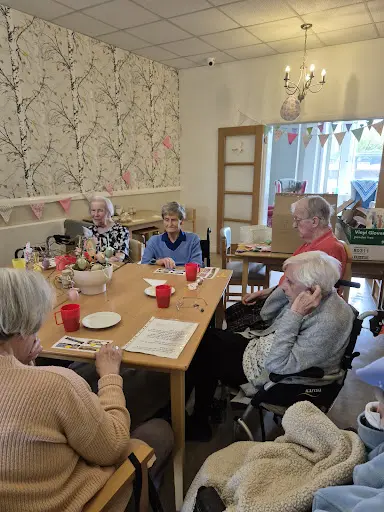
Relatives often comment on how settled their loved ones seem here, with staff who are consistently friendly and welcoming. The atmosphere feels warm, and families notice how staff engage positively with both residents and visitors.
The eight family priority themes
- Staff warmth72
- Compassion & dignity74
- Cleanliness68
- Activities & engagement85
- Food quality62
- Healthcare70
- Management & leadership72
- Resident happiness76
What inspectors found
Inspected 2022-12-21
Is this home safe?
Is the care effective?
The Orchards was rated Good for Effective at its November 2022 inspection. This covers staff training, care planning, healthcare access, and how well the home meets nutritional needs. The home lists dementia as a specialism alongside mental health conditions, physical disabilities, and sensory impairment, which means staff should have relevant training across several complex conditions. The published inspection text does not provide specific detail on training content, GP access frequency, or food provision.Is this home caring?
The Orchards was rated Good for Caring at its November 2022 inspection. Inspectors were satisfied that staff treated people with dignity and respect and that the home's approach supported residents' wellbeing. Caring for people across several specialist areas, including dementia and mental health, requires staff who can adapt their communication and read non-verbal cues. The published inspection text does not include direct observations of staff interactions or quotes from residents and relatives on this point.Is the home responsive?
The Orchards received an Outstanding rating for Responsive at its November 2022 inspection. This is the highest possible rating and means inspectors found strong evidence that the home tailors care, activities, and daily life to the individual needs and preferences of the people who live there. The home supports people across multiple specialist areas, and achieving Outstanding in this domain across such a diverse group is a meaningful achievement. The published inspection text does not include specific examples of activities or individual care arrangements, but the rating itself carries significant weight.Is the home well-led?
The Orchards was rated Good for Well-led at its November 2022 inspection. The home is run by Amica Care Trust, with Mrs Keren Michelle Wilkinson named as the Nominated Individual. A Good Well-led rating means inspectors were satisfied with governance, accountability, and the overall culture of the home. The published inspection text does not include detail on manager tenure, staff satisfaction, or specific examples of how the home responds to complaints or incidents.
Source: CQC inspection report →
What the evidence base says
The Orchards provides care for adults of all ages, including those under 65. They support people living with dementia, mental health conditions, physical disabilities and sensory impairments. The home accepts residents living with dementia as part of their range of specialisms. Families report that residents appear content and settled in their care. All areas worth probing directly during a visit.
The DCC Verdict
Our editorial view, built from the three lenses: what families tell us, what inspectors record, and how the home sits against good dementia-care practice.
DCC Family Score
The Orchards scores well overall, lifted particularly by its Outstanding rating for responsiveness, which tells you the home goes beyond the basics in tailoring life here to each individual. Scores for food, cleanliness, and some care specifics are more cautious because the published inspection text does not contain enough detail to confirm them with confidence.
Homes in South West typically score 68–82.The three-lens summary
What families tell us
Relatives often comment on how settled their loved ones seem here, with staff who are consistently friendly and welcoming. The atmosphere feels warm, and families notice how staff engage positively with both residents and visitors.
What inspectors have recorded
Staff are described as approachable and attentive to resident wellbeing. However, one family experienced a concerning lack of communication when their relative was transferred to hospital, learning about it only by chance and receiving no contact after their loved one passed away.
How it sits against good practice
Communication matters deeply when you're entrusting someone you love to professional care. A visit will help you understand how The Orchards approaches both daily care and those crucial moments when families need information most.
Worth a visit
The Orchards in Crewkerne was rated Good overall at its inspection in November 2022, with an Outstanding rating for how well it responds to and personalises care for the people who live there. That Outstanding Responsive rating is significant: it means inspectors found evidence that the home goes beyond standard compliance to tailor daily life, activities, and care to each individual, something that matters enormously for a parent living with dementia, a mental health condition, or a physical disability. The main limitation of this report is that the published inspection summary is brief and does not include direct observations, quotes from residents or relatives, or specific detail on food, staffing ratios, night cover, agency use, or the physical environment. The Good ratings across Safe, Effective, Caring, and Well-led are reassuring, but they tell you a threshold was met rather than painting a full picture. When you visit, ask to see last week's actual staffing rota (not the template), ask how many staff are on duty overnight, and request a mealtime visit so you can observe the pace and warmth of interactions for yourself.
The three questions to ask when you visitSave this home. Compare it against your shortlist.
Let our analysis show you how The Orchards measures up against the other homes you’re considering. Free account.
In Their Own Words
How The Orchards describes itself — collected from its own website. DCC has not edited or independently verified the content in this tab.
Dignified care in peaceful surroundings, though communication needs attention
The Orchards – Expert Care in Crewkerne
Finding the right care home means trusting your loved one will be treated with dignity and respect. The Orchards in Crewkerne offers care for adults with various needs, from physical disabilities to dementia and mental health conditions. Families describe a peaceful environment where residents appear content, though some have experienced gaps in communication during difficult times.
Who they care for
The Orchards provides care for adults of all ages, including those under 65. They support people living with dementia, mental health conditions, physical disabilities and sensory impairments.
The home accepts residents living with dementia as part of their range of specialisms. Families report that residents appear content and settled in their care.
“Communication matters deeply when you're entrusting someone you love to professional care. A visit will help you understand how The Orchards approaches both daily care and those crucial moments when families need information most.”
DCC does not edit or curate content in this tab. For independently curated information, see The Evidence and DCC Verdict.
The DCC Verdict
Our editorial view, built from the three lenses: what families tell us, what inspectors record, and how the home sits against good dementia-care practice.
DCC Family Score
The Orchards scores well overall, lifted particularly by its Outstanding rating for responsiveness, which tells you the home goes beyond the basics in tailoring life here to each individual. Scores for food, cleanliness, and some care specifics are more cautious because the published inspection text does not contain enough detail to confirm them with confidence.
Homes in South West typically score 68–82.The three-lens summary
What families tell us
Relatives often comment on how settled their loved ones seem here, with staff who are consistently friendly and welcoming. The atmosphere feels warm, and families notice how staff engage positively with both residents and visitors.
What inspectors have recorded
Staff are described as approachable and attentive to resident wellbeing. However, one family experienced a concerning lack of communication when their relative was transferred to hospital, learning about it only by chance and receiving no contact after their loved one passed away.
How it sits against good practice
Communication matters deeply when you're entrusting someone you love to professional care. A visit will help you understand how The Orchards approaches both daily care and those crucial moments when families need information most.
Worth a visit
The Orchards in Crewkerne was rated Good overall at its inspection in November 2022, with an Outstanding rating for how well it responds to and personalises care for the people who live there. That Outstanding Responsive rating is significant: it means inspectors found evidence that the home goes beyond standard compliance to tailor daily life, activities, and care to each individual, something that matters enormously for a parent living with dementia, a mental health condition, or a physical disability. The main limitation of this report is that the published inspection summary is brief and does not include direct observations, quotes from residents or relatives, or specific detail on food, staffing ratios, night cover, agency use, or the physical environment. The Good ratings across Safe, Effective, Caring, and Well-led are reassuring, but they tell you a threshold was met rather than painting a full picture. When you visit, ask to see last week's actual staffing rota (not the template), ask how many staff are on duty overnight, and request a mealtime visit so you can observe the pace and warmth of interactions for yourself.
The three questions to ask when you visitSave this home. Compare it against your shortlist.
Let our analysis show you how The Orchards measures up against the other homes you’re considering. Free account.
In Their Own Words
How The Orchards describes itself — collected from its own website. DCC has not edited or independently verified the content in this tab.
Dignified care in peaceful surroundings, though communication needs attention
The Orchards – Expert Care in Crewkerne
Finding the right care home means trusting your loved one will be treated with dignity and respect. The Orchards in Crewkerne offers care for adults with various needs, from physical disabilities to dementia and mental health conditions. Families describe a peaceful environment where residents appear content, though some have experienced gaps in communication during difficult times.
Who they care for
The Orchards provides care for adults of all ages, including those under 65. They support people living with dementia, mental health conditions, physical disabilities and sensory impairments.
The home accepts residents living with dementia as part of their range of specialisms. Families report that residents appear content and settled in their care.
Management & ethos
Staff are described as approachable and attentive to resident wellbeing. However, one family experienced a concerning lack of communication when their relative was transferred to hospital, learning about it only by chance and receiving no contact after their loved one passed away.
The home & environment
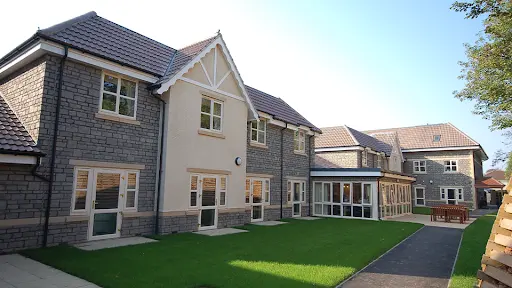
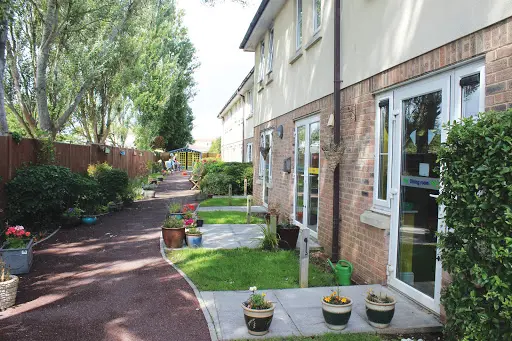
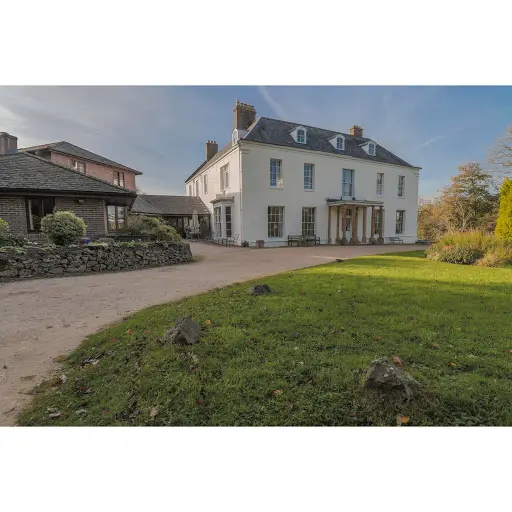
The home benefits from pleasant outdoor spaces that residents can enjoy. Gardens provide a peaceful setting for visits or quiet moments outside.
“Communication matters deeply when you're entrusting someone you love to professional care. A visit will help you understand how The Orchards approaches both daily care and those crucial moments when families need information most.”
DCC does not edit or curate content in this tab. For independently curated information, see The Evidence and DCC Verdict.