Rectory Care

At a Glance
The information you need to decide whether this home warrants a closer look.
Residential homes
Staff warmth score
of reviewers answered yes
Good to know
- Registered beds31
- SpecialismsCaring for adults over 65 yrs, Dementia
- Last inspected2019-10-09
Save Rectory Care to your shortlist
Keep a running list, add visit notes, and compare homes side-by-side. Free account — it takes a minute.
STAGE 4 — RESEARCHING CARE HOMES
Visit homes. Compare them side by side. Choose with confidence.
Most of us will view care homes the way we view houses, impression, atmosphere, the feeling in the corridor. We go home, try to remember what we saw, and make a permanent decision from a blurred memory.

The DCC shortlist gives every home you visit a structured record: the same twelve questions, answered the same way, every time. When you’re ready to choose, pull any two homes side by side and compare them directly. Same criteria, same evidence, your notes and your scores.
The Evidence
What the review data, the inspection reports, and the dementia-care evidence base tell us about this home.
What families say
People talk about the warmth they feel when they visit. The team's attentiveness comes through in the way families describe their loved ones being looked after, and there's a sense that residents feel settled and safe here.
The eight family priority themes
- Staff warmth85
- Compassion & dignity88
- Cleanliness72
- Activities & engagement82
- Food quality65
- Healthcare70
- Management & leadership88
- Resident happiness80
What inspectors found
Inspected 2019-10-09
Is this home safe?
Is the care effective?
The Effective domain was rated Good at the September 2019 inspection. The home lists dementia as a specialism alongside care for adults over 65, which implies some level of dedicated training and care planning for people living with dementia. The published summary does not describe specific training content, how often care plans are reviewed, whether families are included in reviews, or how the home monitors and responds to changing health needs. A Good Effective rating means the standard for competent practice was met at the time of inspection.Is this home caring?
The Caring domain was rated Outstanding at the September 2019 inspection, which is the highest possible rating and is awarded to fewer than 5% of care homes in England. To achieve Outstanding in Caring, inspectors must find specific, consistent evidence that staff treat people with genuine warmth, dignity, and respect; that residents are supported to maintain independence; and that privacy is protected as a matter of course rather than compliance. The published summary does not reproduce the specific observations or quotes that led to this rating, but the standard required to achieve it is high and meaningfully differentiated from Good.Is the home responsive?
The Responsive domain was rated Outstanding at the September 2019 inspection. An Outstanding Responsive rating requires inspectors to find that the home tailors its approach to the individual needs, preferences, and histories of the people who live there, rather than applying a standardised programme. This includes activities, daily routines, and how the home responds to complaints and changing needs. The published summary does not describe specific activities, individual engagement approaches for people with advanced dementia, or how the home handles end-of-life care planning.Is the home well-led?
The Well-led domain was rated Outstanding at the September 2019 inspection. This is the rating that most directly predicts whether all other quality standards will be sustained over time. An Outstanding Well-led rating requires evidence of a strong, visible management culture; staff who feel able to speak up; robust governance systems that identify and act on concerns; and a track record of learning from incidents and feedback. The home is registered under a named manager and a nominated individual, both of whom are identified in published records. The July 2023 monitoring review found no evidence requiring a reassessment of the rating.
Source: CQC inspection report →
What the evidence base says
The Old Rectory specialises in caring for people over 65, including those living with dementia. For residents with dementia, the home's consistent routines and familiar faces help create a reassuring environment where people can feel secure. All areas worth probing directly during a visit.
The DCC Verdict
Our editorial view, built from the three lenses: what families tell us, what inspectors record, and how the home sits against good dementia-care practice.
DCC Family Score
The Old Rectory Care Home scores 82 out of 100, reflecting an Outstanding overall rating with particular strength in caring, responsiveness, and leadership, though the published inspection report contains limited specific detail across several areas that matter most to families.
Homes in West Midlands typically score 68–82.The three-lens summary
What families tell us
People talk about the warmth they feel when they visit. The team's attentiveness comes through in the way families describe their loved ones being looked after, and there's a sense that residents feel settled and safe here.
What inspectors have recorded
Having the owners actively involved in daily life at The Old Rectory clearly matters to families. They're visible, approachable, and this seems to set the tone for how the whole team operates — with genuine care and professionalism that even visiting healthcare professionals have noticed.
How it sits against good practice
It's the combination of cleanliness, kindness and hands-on leadership that families remember most about The Old Rectory.
Worth a visit
The Old Rectory Care Home in Wolverhampton holds an Outstanding overall rating from its inspection in September 2019, making it one of a small minority of care homes in England to reach that standard. Inspectors rated the home Outstanding for Caring, Responsive, and Well-led, with Good ratings for Safe and Effective. An Outstanding Caring rating means inspectors found consistent, specific evidence that your parent would be treated with genuine dignity, warmth, and respect as an individual, not simply managed as a resident. The leadership rating signals a home where someone is actively in charge and accountable, not just nominally registered. The main uncertainty here is the age of the inspection: the findings date from September 2019, more than five years ago. A review in July 2023 found no cause to reassess the rating, but a review is not the same as a full re-inspection, and a lot can change in a care home over five years, including manager tenure, staffing composition, and occupancy levels. On your visit, ask specifically how long the current registered manager has been in post, request to see the staffing rota from the past two weeks (not a template), and ask how the home involves families in care planning. These three questions will tell you more about the home today than any published rating from 2019.
The three questions to ask when you visitSave this home. Compare it against your shortlist.
Let our analysis show you how Rectory Care measures up against the other homes you’re considering. Free account.
In Their Own Words
How Rectory Care describes itself — collected from its own website. DCC has not edited or independently verified the content in this tab.
Where kindness meets spotless standards in Wolverhampton
Residential home in Wolverhampton: True Peace of Mind
Families visiting The Old Rectory Care Home in Wolverhampton often mention the same things — how clean everything looks, how kind the staff are, and how the owners themselves are there every day, chatting with residents. It's this hands-on approach that seems to make the difference here.
Who they care for
The Old Rectory specialises in caring for people over 65, including those living with dementia.
For residents with dementia, the home's consistent routines and familiar faces help create a reassuring environment where people can feel secure.
“It's the combination of cleanliness, kindness and hands-on leadership that families remember most about The Old Rectory.”
DCC does not edit or curate content in this tab. For independently curated information, see The Evidence and DCC Verdict.
The DCC Verdict
Our editorial view, built from the three lenses: what families tell us, what inspectors record, and how the home sits against good dementia-care practice.
DCC Family Score
The Old Rectory Care Home scores 82 out of 100, reflecting an Outstanding overall rating with particular strength in caring, responsiveness, and leadership, though the published inspection report contains limited specific detail across several areas that matter most to families.
Homes in West Midlands typically score 68–82.The three-lens summary
What families tell us
People talk about the warmth they feel when they visit. The team's attentiveness comes through in the way families describe their loved ones being looked after, and there's a sense that residents feel settled and safe here.
What inspectors have recorded
Having the owners actively involved in daily life at The Old Rectory clearly matters to families. They're visible, approachable, and this seems to set the tone for how the whole team operates — with genuine care and professionalism that even visiting healthcare professionals have noticed.
How it sits against good practice
It's the combination of cleanliness, kindness and hands-on leadership that families remember most about The Old Rectory.
Worth a visit
The Old Rectory Care Home in Wolverhampton holds an Outstanding overall rating from its inspection in September 2019, making it one of a small minority of care homes in England to reach that standard. Inspectors rated the home Outstanding for Caring, Responsive, and Well-led, with Good ratings for Safe and Effective. An Outstanding Caring rating means inspectors found consistent, specific evidence that your parent would be treated with genuine dignity, warmth, and respect as an individual, not simply managed as a resident. The leadership rating signals a home where someone is actively in charge and accountable, not just nominally registered. The main uncertainty here is the age of the inspection: the findings date from September 2019, more than five years ago. A review in July 2023 found no cause to reassess the rating, but a review is not the same as a full re-inspection, and a lot can change in a care home over five years, including manager tenure, staffing composition, and occupancy levels. On your visit, ask specifically how long the current registered manager has been in post, request to see the staffing rota from the past two weeks (not a template), and ask how the home involves families in care planning. These three questions will tell you more about the home today than any published rating from 2019.
The three questions to ask when you visitSave this home. Compare it against your shortlist.
Let our analysis show you how Rectory Care measures up against the other homes you’re considering. Free account.
In Their Own Words
How Rectory Care describes itself — collected from its own website. DCC has not edited or independently verified the content in this tab.
Where kindness meets spotless standards in Wolverhampton
Residential home in Wolverhampton: True Peace of Mind
Families visiting The Old Rectory Care Home in Wolverhampton often mention the same things — how clean everything looks, how kind the staff are, and how the owners themselves are there every day, chatting with residents. It's this hands-on approach that seems to make the difference here.
Who they care for
The Old Rectory specialises in caring for people over 65, including those living with dementia.
For residents with dementia, the home's consistent routines and familiar faces help create a reassuring environment where people can feel secure.
Management & ethos
Having the owners actively involved in daily life at The Old Rectory clearly matters to families. They're visible, approachable, and this seems to set the tone for how the whole team operates — with genuine care and professionalism that even visiting healthcare professionals have noticed.
The home & environment
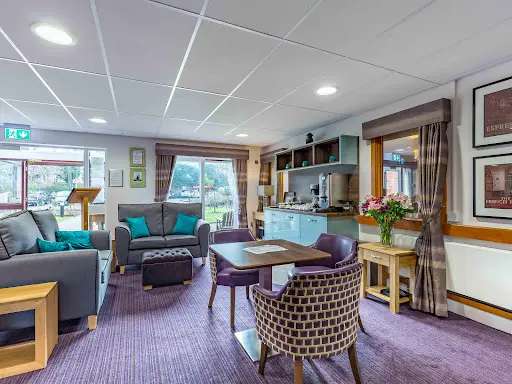
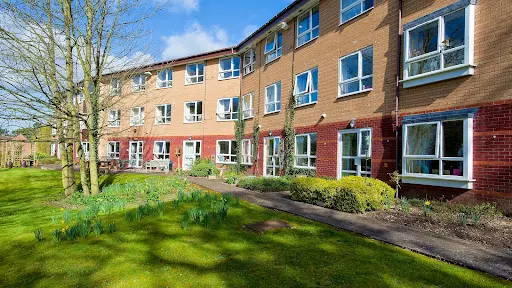
The home keeps everything spotless — something visitors regularly comment on. Families appreciate the variety in the menus and the quality of meals served, while the programme of daily activities gives residents plenty to look forward to.
“It's the combination of cleanliness, kindness and hands-on leadership that families remember most about The Old Rectory.”
DCC does not edit or curate content in this tab. For independently curated information, see The Evidence and DCC Verdict.